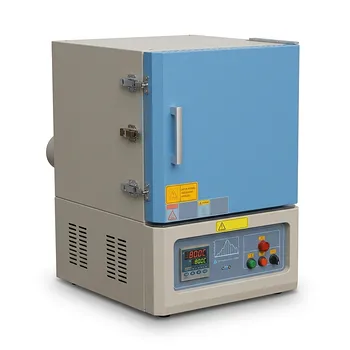
Industrial Resistance Furnace Role in Spheroidizing Annealing: Optimizing High-Vanadium High-Speed Steel Properties
Updated 5 months ago
The industrial resistance furnace serves as the vital thermal stabilizer for the spheroidizing process. Its primary role is to provide a precise, high-temperature environment—typically around 880 degrees Celsius—and maintain it for an extended period. This controlled soaking allows the steel's internal structure to rearrange, transforming brittle carbide networks into uniform spherical particles.
The resistance furnace acts as a controlled thermal reactor that reshapes the microstructure of high-vanadium high-speed steel. By facilitating the transition from plate-like to spherical carbides, the furnace directly determines both the material’s ease of machining and its final performance after hardening.
Driving Microstructural Transformation
Transitioning Carbide Morphology
In its raw state, high-vanadium high-speed steel often contains network or plate-like carbides that make the material brittle and difficult to work with. The resistance furnace provides the thermal energy required for these structures to break down and reform into spherical particles. This process, known as spheroidization, is essential for reducing internal stress and improving the steel's ductility.
Ensuring Chemical Homogenization
The furnace maintains a high-temperature "soak" that encourages the diffusion of alloying elements across the matrix. For high-vanadium steels, this ensures that vanadium and carbon atoms are distributed more evenly before the material undergoes subsequent heat treatments. This homogenization prevents localized weak spots and ensures a consistent response to quenching.
Preparing for Mechanical and Thermal Success
Enhancing Machining Performance
Rough, as-cast steel is often too hard for standard cutting tools to process efficiently. By facilitating spheroidization, the industrial resistance furnace significantly lowers the material's hardness, making it "softer" and more receptive to machining. This step is a prerequisite for shaping the steel into complex tools or components.
Setting the Stage for Hardening
The furnace creates a "microstructural foundation" that is critical for the final quenching and hardening stages. Spherical carbides dissolve more predictably into the austenite matrix during final heating than network structures do. This precise preparation ensures the material can achieve its target hardness and wear resistance in its final application.
Understanding the Trade-offs and Limitations
The Risk of Surface Decarburization
Standard resistance furnaces, such as muffle or box furnaces, often operate in an open atmosphere. At 880°C, carbon atoms on the steel's surface can react with oxygen and moisture, leading to decarburization. This creates a soft skin on the material that may need to be ground away, increasing waste and production costs.
Balancing Time and Energy Consumption
Spheroidizing is a time-intensive process that requires the furnace to run for extended holding periods. While longer soaking times generally improve carbide sphericity, they also increase energy consumption and the risk of grain growth. Finding the "sweet spot" between complete transformation and over-soaking is a constant challenge for thermal engineers.
How to Optimize Your Spheroidizing Strategy
To achieve the best results with an industrial resistance furnace, you should align your furnace settings with your specific production goals:
- If your primary focus is Maximum Machinability: Prioritize longer holding times at the 880°C mark to ensure the most complete transformation of carbides into a spherical state.
- If your primary focus is Surface Integrity: Consider utilizing a vacuum resistance furnace or an inert atmosphere to prevent the decarburization typically associated with open-air heating.
- If your primary focus is Hardening Consistency: Ensure the furnace provides high thermal uniformity across the entire chamber to prevent variations in carbide size between different parts of the batch.
The industrial resistance furnace is not merely a heater; it is a precision tool that dictates the mechanical life cycle of high-speed steel.
Summary Table:
| Process Aspect | Role of Industrial Resistance Furnace |
|---|---|
| Core Objective | Converts brittle carbide networks into uniform spherical particles |
| Temp Control | Maintains stable soaking at ~880°C for chemical homogenization |
| Machinability | Significantly reduces steel hardness for secondary processing |
| Final Quality | Ensures consistent response to subsequent quenching and hardening |
| Risk Management | Atmospheric control is vital to prevent surface decarburization |
Elevate Your Material R&D with THERMUNITS
Precise spheroidizing is the foundation of high-performance tool steel. As a leading manufacturer of high-temperature laboratory equipment, THERMUNITS provides the thermal precision necessary for complex material science. Our comprehensive range of Muffle, Vacuum, Atmosphere, Tube, and Hot Press furnaces ensures your high-vanadium steels achieve perfect carbide morphology without the risk of decarburization.
Whether you are conducting industrial R&D or refining heat treatment protocols, our equipment—including CVD/PECVD systems and vacuum induction melting furnaces (VIM)—is engineered for reliability and uniform thermal distribution.
Ready to optimize your thermal processing? Contact our engineering team today to find the perfect furnace solution for your laboratory needs.
References
- Yujie Wang, Haochun Xia. Investigation on microstructure, mechanical properties, and tribological behaviors of spray-formed high-vanadium high-speed steel after heat treatment. DOI: 10.1007/s44251-024-00061-6
Mentioned Products
- High Temperature Vertical Three Zone Powder Spheroidizing Furnace for Advanced Material Synthesis and Industrial Thermal Processing
- Rapid Thermal Processing Atmosphere Controlled Bottom Loading Furnace 1100C with 50C Per Second Heating Rate for Wafer Annealing
- 1200C High Throughput Multi Channel Tube Furnace with 50mm Quartz Tubes for Annealing and Material Phase Diagram Research
- Five Side Heating Muffle Furnace High Purity Alumina Fiber 27L Chamber 1200C High Temperature Thermal Processing System for Sintering Annealing and Materials Research
- Large Bench Top 1700C High Temperature Muffle Furnace with 19L Chamber for Advanced Material Sintering and Annealing
People Also Ask
- Why is a high-temperature sintering furnace essential for preparing fully dense YSZ electrolyte layers? Key to Gas-Tightness
- What is the objective of sintering Bi2S3 nanobelt pellets? Achieve Mechanical Durability & Electrical Stability
- What is the function of high-temperature sintering in BRO and DTO PLD target preparation? Ensure Density and Purity
- Why is a tube or box furnace required for LiMnxFe1-xPO4 sintering? Ensure Precise Atmosphere Control & High Performance
- SPS vs Hot Pressing for La2O2S: Faster Densification & Superior Grain Growth Control

Tech Team · ThermUnits
Last updated on Apr 14, 2026
Related Products
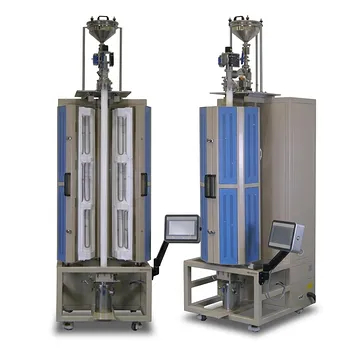
High Temperature Vertical Three Zone Powder Spheroidizing Furnace for Advanced Material Synthesis and Industrial Thermal Processing
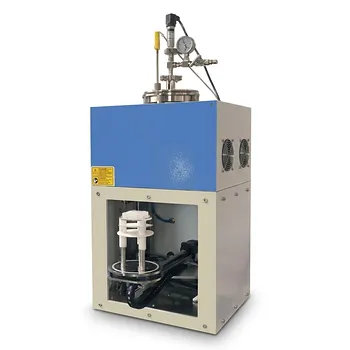
Rapid Thermal Processing Atmosphere Controlled Bottom Loading Furnace 1100C with 50C Per Second Heating Rate for Wafer Annealing
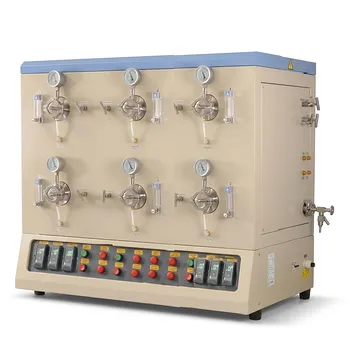
1200C High Throughput Multi Channel Tube Furnace with 50mm Quartz Tubes for Annealing and Material Phase Diagram Research
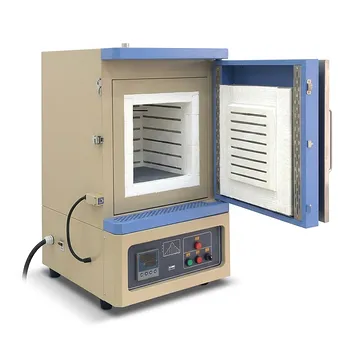
Five Side Heating Muffle Furnace High Purity Alumina Fiber 27L Chamber 1200C High Temperature Thermal Processing System for Sintering Annealing and Materials Research
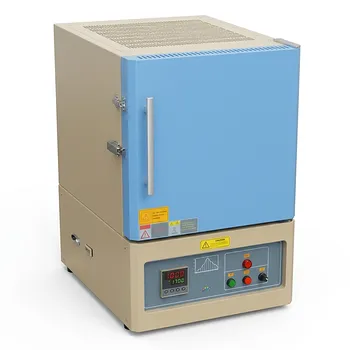
Large Bench Top 1700C High Temperature Muffle Furnace with 19L Chamber for Advanced Material Sintering and Annealing
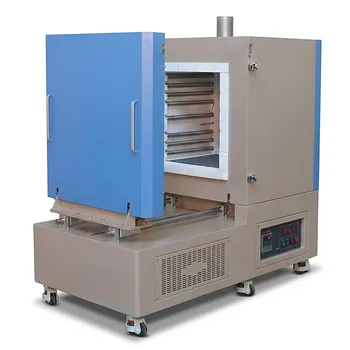
1200C Five Side Heating Muffle Furnace with Sliding Door 125L Volume High Temperature Heat Treatment System for Large Scale Sintering and Annealing

High Temperature 1700C Vertical Tube Furnace for Powder Spherification and Material Sintering
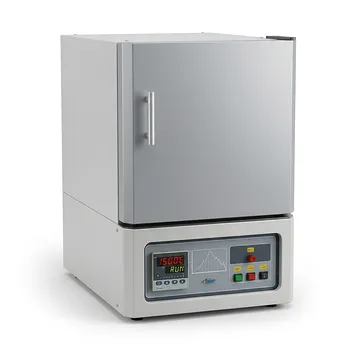
High Temperature 1500C Benchtop Muffle Furnace 3.6L Alumina Fiber Chamber Programmable Controller Sintering Annealing Carbonization Thermal Processing System
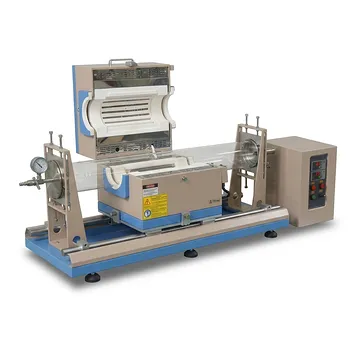
1200C High Temperature 5 Inch Sliding Tube Furnace for Rapid Thermal Processing RTP and Wafer Annealing
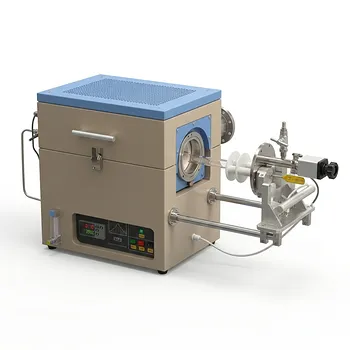
Compact Atmosphere Controlled Rapid Thermal Processing RTP Furnace with 4 Inch ID Quartz Tube 1100C
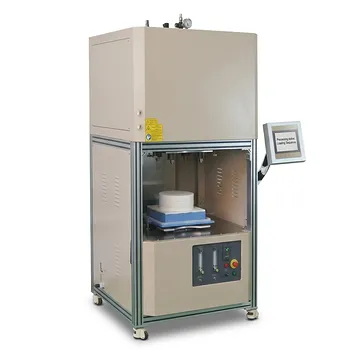
High Temperature Vertical Atmosphere Controlled Furnace with Automatic Bottom Loading and 1700°C Capacity for Advanced Material Research
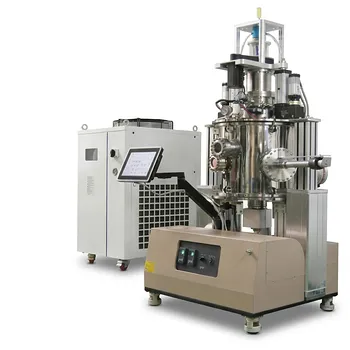
950C Rapid Thermal Processing Furnace for 12 Inch Wafer CSS Coating with Rotating Substrate Holder
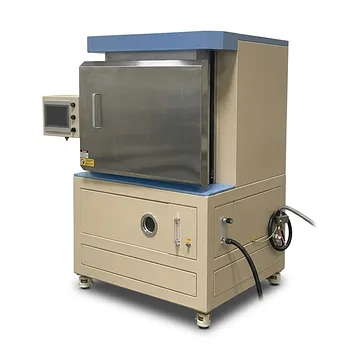
1650C High Temperature Atmosphere Controlled Box Furnace with 65L Chamber for Advanced Material Sintering and Industrial Heat Treatment
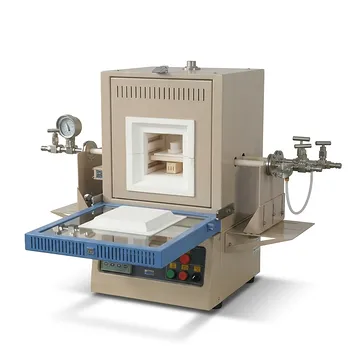
1700C Compact Hybrid Furnace with Dual Layer Box Sintering and Controlled Atmosphere Alumina Tubes
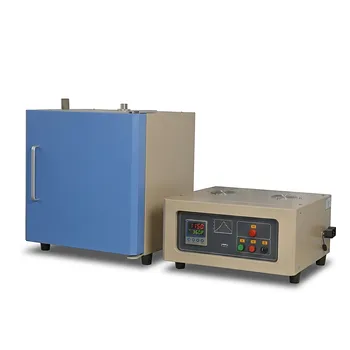
High Temperature Muffle Furnace with Alloy Chamber for Debinding and Sintering Applications
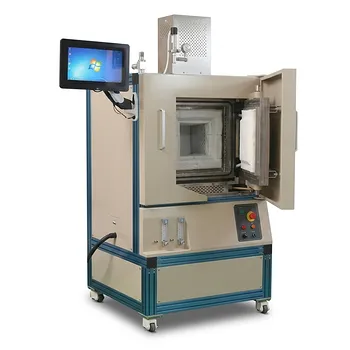
High Temperature Oxygen and Inert Atmosphere Controlled Furnace 8 Liter 1700C Sintering System for Advanced Materials RD
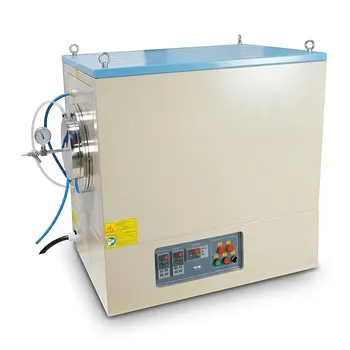
Dual Zone Tube Furnace 1100C with 11 Inch Quartz Tube and Vacuum Flanges for 8 Inch Wafer Processing
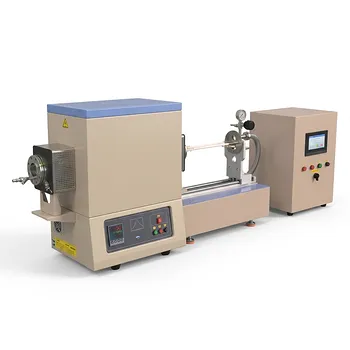
High Temperature Horizontal Electrical Assisted Sintering Furnace with 3KW Programmable Power Source for Advanced Ceramic Materials

Compact High Temperature 1600C Tube Furnace with 50mm Alumina Tube and Vacuum Flanges for Material Sintering