What role does industrial-grade high-purity argon play in the CVD process for MoS2? Optimize Film Growth & Purity
Updated 3 months ago
Industrial-grade high-purity argon is the essential medium that enables the synthesis of high-quality molybdenum disulfide (MoS2) by acting as both a transport vehicle and a protective shield. It carries vaporized precursors like sulfur and molybdenum trioxide to the substrate while simultaneously purging the system of oxygen and moisture. This dual role ensures the material achieves its intended crystalline structure without degrading into unwanted oxide phases.
Core Takeaway: High-purity argon functions as an inert carrier gas that dictates the growth kinetics and structural purity of MoS2 films. By controlling the transport of precursors and excluding atmospheric contaminants, it allows for the precise fabrication of two-dimensional semiconductors.
The Dual Role of Argon as a Transport and Protective Medium
Driving Precursor Delivery to the Substrate
Argon acts as the primary carrier gas, providing the mechanical force needed to move vaporized sulfur and molybdenum trioxide (MoO3) into the reaction zone. Without this stable flow, precursors would not reach the substrate at a consistent rate, leading to non-uniform film growth.
Maintaining an Oxygen-Free Environment
At the high temperatures required for CVD, MoS2 is highly susceptible to oxidative degradation. High-purity argon purges residual oxygen and water vapor from the furnace tube, creating an inert atmosphere that prevents the formation of molybdenum oxides instead of the desired disulfide.
Regulating System Pressure and Byproduct Removal
The continuous flow of argon maintains a stable atmospheric pressure balance within the reaction chamber. Furthermore, it assists in the "sweeping" of reaction byproducts away from the substrate, preventing them from interfering with the crystallization process.
Controlling Growth Kinetics Through Flow Dynamics
Influencing Domain Size and Coverage
The flow rate of argon directly influences the diffusion rate of precursors on the substrate surface. By precisely adjusting this rate, technicians can control the lateral size of MoS2 domains and the overall percentage of substrate coverage.
Determining Layer Thickness and Morphology
Argon flow rates are a primary tool for controlling the number of layers in the final film. Research indicates that higher flow rates (e.g., 500 sccm) favor the formation of monolayer MoS2, while lower flow rates (e.g., 200 sccm) often result in thicker, few-layer films or nanoparticle cores.
Managing Vapor Concentration
Argon regulates the partial pressure and concentration of the gas-phase precursors. This concentration gradient determines the nucleation density, which is the starting point for every MoS2 crystal "island" that eventually merges into a continuous film.
Understanding the Trade-offs and Pitfalls
The Risk of Insufficient Purity
Using "standard" industrial argon rather than high-purity grades introduces trace impurities into the system. These impurities can cause point defects in the MoS2 lattice, which significantly degrade the electrical performance of the resulting semiconductor.
Balancing Flow Rate Extremes
While high flow rates promote thin, monolayer growth, excessive flow can "wash out" the precursors before they have time to react on the substrate. Conversely, a flow rate that is too low may lead to disordered diffusion, resulting in non-uniform thickness and unpredictable island structures.
Temperature-Flow Synergy
The role of argon cannot be viewed in isolation from temperature. If the argon flow is not synchronized with the heating ramp of the precursors, it may transport materials too early or too late, leading to incomplete sulfurization or the deposition of unreacted molybdenum species.
How to Apply This to Your Project
Recommendations for Process Optimization
Choosing the right argon parameters depends entirely on your target material characteristics and device requirements.
- If your primary focus is producing large-area monolayers: Utilize a higher argon flow rate (e.g., 500 sccm) to promote thin-film growth and ensure a steady flux of precursors over the entire substrate.
- If your primary focus is maximizing crystalline purity: Ensure the use of ultra-high-purity (99.999% or higher) argon and implement a rigorous pre-growth purge cycle to eliminate all traces of moisture and oxygen.
- If your primary focus is controlling film thickness (few-layer MoS2): Gradually reduce the argon flow rate to increase precursor residence time, which encourages the vertical stacking of layers.
By meticulously balancing the flow dynamics and purity of the argon carrier gas, researchers can achieve the structural perfection necessary for next-generation electronic and optoelectronic applications.
Summary Table:
| Argon Role | Impact on MoS2 Synthesis | Optimization Tip |
|---|---|---|
| Carrier Gas | Delivers S & MoO3 precursors to substrate | Higher flow (e.g., 500 sccm) favors monolayers |
| Inert Shield | Prevents oxidative degradation & defects | Use 99.999%+ purity to ensure crystal quality |
| Pressure Control | Regulates nucleation density & domain size | Maintain stable flux for uniform film coverage |
| Byproduct Purge | Sweeps away reaction residues | Balance flow to avoid "wash out" of precursors |
Elevate Your 2D Material Synthesis with THERMUNITS
Achieving the perfect MoS2 monolayer requires more than just high-purity gas—it demands precision thermal control. THERMUNITS is a leading manufacturer of high-temperature laboratory equipment specifically engineered for material science and industrial R&D.
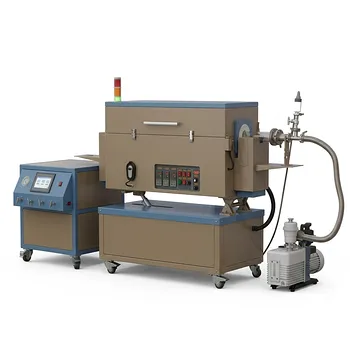
Our advanced CVD/PECVD systems, Tube Furnaces, and Atmosphere Furnaces provide the stable environment and precise flow dynamics necessary for high-quality film growth. Whether you are scaling up industrial production or conducting fundamental research, we offer a comprehensive range of solutions including:
- Specialized Furnaces: Muffle, Vacuum, Rotary, and Hot Press systems.
- Advanced Melting: Vacuum Induction Melting (VIM) and Electric Rotary Kilns.
- R&D Essentials: Dental Furnaces, Thermal Elements, and bespoke heat treatment equipment.
Ready to optimize your CVD process? Contact our technical team today to find the high-performance furnace solution tailored to your research goals.
References
- Moha Feroz Hossen, Shyam Aravamudhan. Quantitative Defect Analysis in CVD‐Grown Monolayer MoS<sub>2</sub> via In‐Plane Raman Vibration. DOI: 10.1002/nano.202400103
Mentioned Products
- Vertical Openable Tube Furnace 0-1700c High Temperature Laboratory System for CVD and Vacuum Heat Treatment
- Versatile Chemical Vapor Deposition Tube Furnace System for Advanced Material Research and Industrial Coating Processes
- Cylindrical Resonator MPCVD Machine System for Microwave Plasma Chemical Vapor Deposition and Lab Diamond Growth
- Multi Heating Zones CVD Tube Furnace System for Precision Chemical Vapor Deposition and Advanced Material Synthesis
- 1750C Bench Top Muffle Furnace 3.6L High Grade Molybdenum Disilicide Heating Elements Laboratory Heat Treatment Equipment
People Also Ask
- Why is a Tube Furnace typically utilized for CVD? Achieve Precision in Graphene and 2D Material Synthesis
- What role does a high-temperature vertical tube furnace play in simulating high-carbon ferromanganese slag formation?
- What functions does a vertical high-temperature tube furnace perform? Master Industrial Sintering & R&D Simulation
- How does a vertical tube furnace facilitate thermoelectric alloy melting? Precision synthesis for material homogeneity.
- How is an industrial-grade vertical tube furnace utilized in smelting leaching residues? Enhance Metal Recovery Efficiency

Tech Team · ThermUnits
Last updated on Jun 02, 2026
Related Products
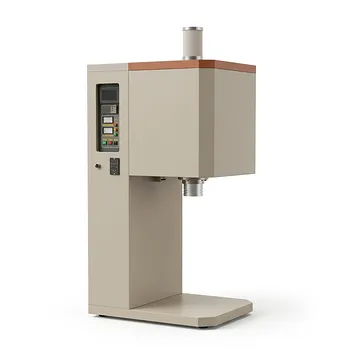
Vertical Openable Tube Furnace 0-1700c High Temperature Laboratory System for CVD and Vacuum Heat Treatment
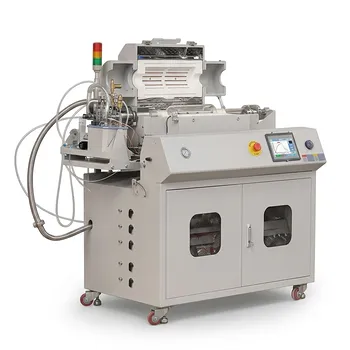
Versatile Chemical Vapor Deposition Tube Furnace System for Advanced Material Research and Industrial Coating Processes
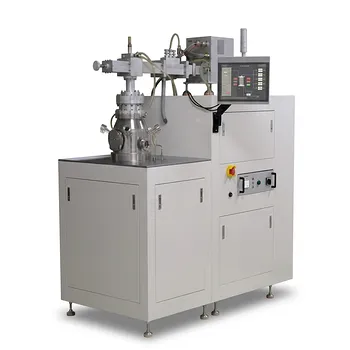
Cylindrical Resonator MPCVD Machine System for Microwave Plasma Chemical Vapor Deposition and Lab Diamond Growth
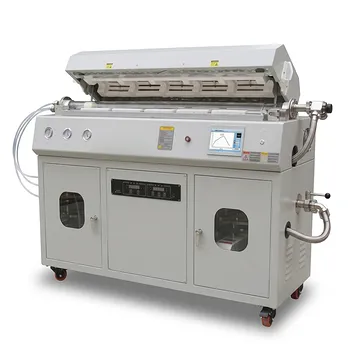
Multi Heating Zones CVD Tube Furnace System for Precision Chemical Vapor Deposition and Advanced Material Synthesis
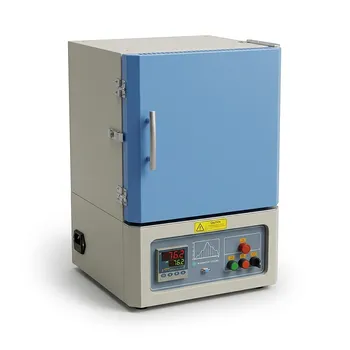
1750C Bench Top Muffle Furnace 3.6L High Grade Molybdenum Disilicide Heating Elements Laboratory Heat Treatment Equipment
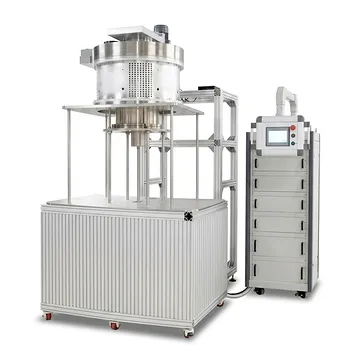
915MHz MPCVD Diamond Machine Microwave Plasma Chemical Vapor Deposition System Reactor
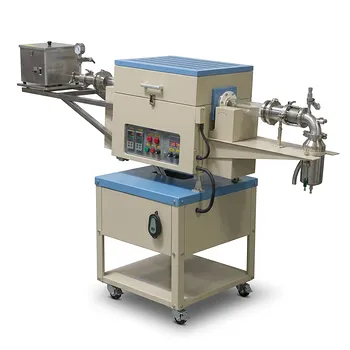
Two Zone Rotary CVD Furnace with Automatic Feeding and Receiving System for Powder Processing
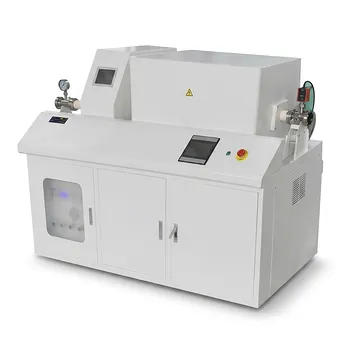
Chemical Vapor Deposition CVD System Slide PECVD Tube Furnace with Liquid Gasifier PECVD Machine
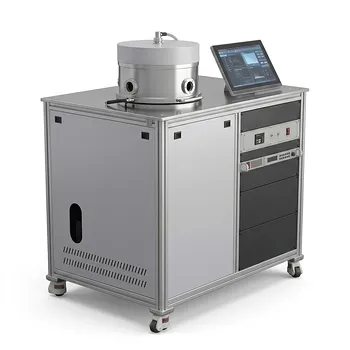
Inclined Rotary Plasma Enhanced Chemical Vapor Deposition PECVD System for Thin Film Deposition and Nanomaterial Synthesis
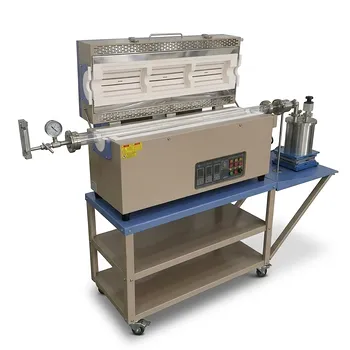
5 Inch Two Zone Rotary Tube Furnace 1100C for Powder CVD and Material Synthesis
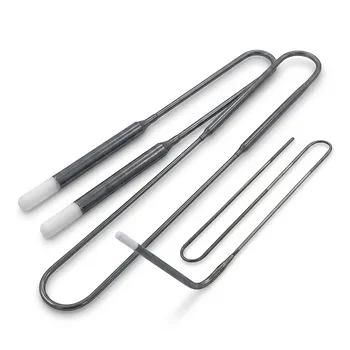
Molybdenum Disilicide MoSi2 Thermal Elements Electric Furnace Heating Element High Temperature Resistance
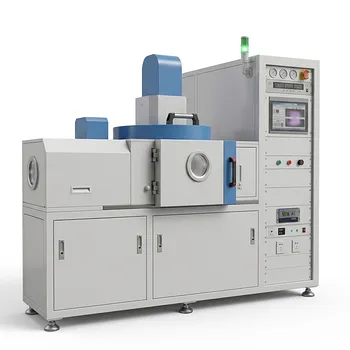
Radio Frequency Plasma Enhanced Chemical Vapor Deposition RF PECVD System for Laboratory and Industrial Thin Film Growth
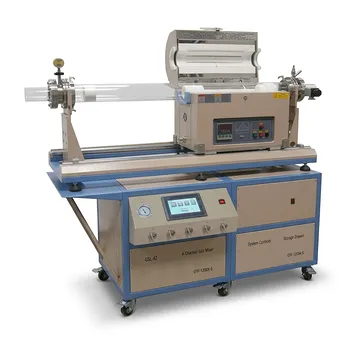
Dual Tube 100mm 80mm CVD Sliding Furnace with 4 Channel Gas Mixing and Vacuum System
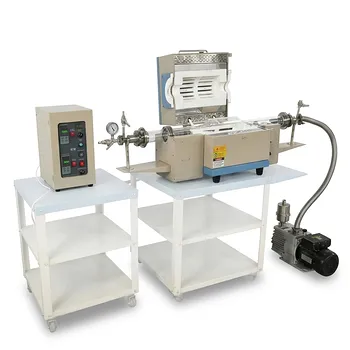
Two Zone Rotary Tube Furnace for Powder CVD Coating and Core Shell Material Synthesis 1100C
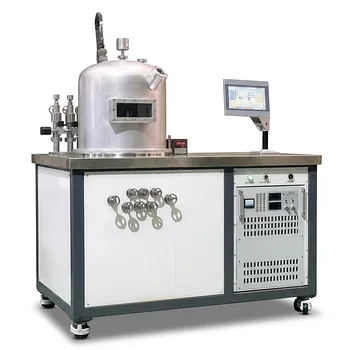
HFCVD Machine System for Nano Diamond Coating on Drawing Dies and Industrial Tools
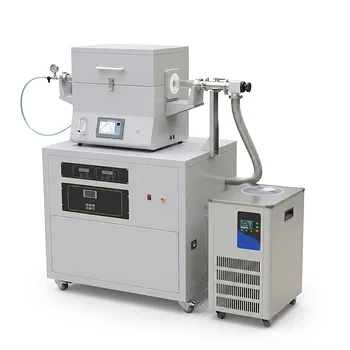
Split Chamber CVD Tube Furnace with Vacuum Station Chemical Vapor Deposition System Machine
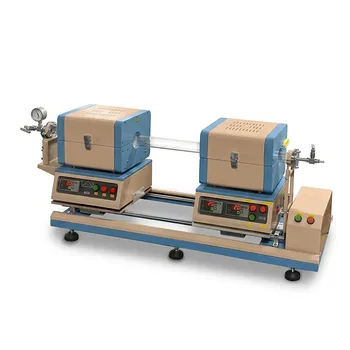
High Temperature 1200C Automatic Sliding Dual Zone Tube Furnace for 2D Transition Metal Dichalcogenides Growth and Material Sublimation Research
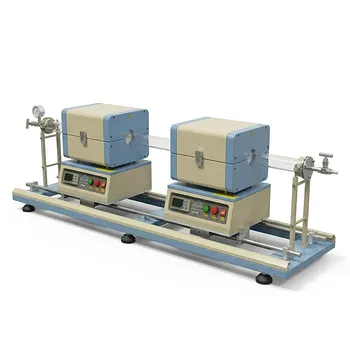
1200C Max Dual Sliding Tube Furnace with 50 mm Tube Flanges for CVD
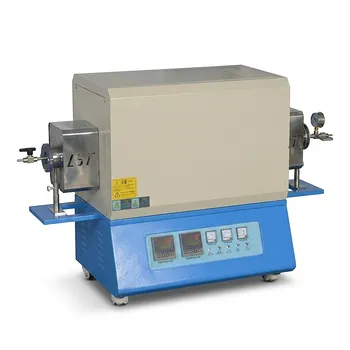
High Temperature Dual Zone Vacuum Tube Furnace for Material Research and CVD Processing