What role does the Quartz Tube reactor play in the CVD process for carbon nanotube growth? Essential Insights
Updated 6 months ago
The quartz tube reactor serves as the primary reaction chamber in the Chemical Vapor Deposition (CVD) process. It provides a chemically inert, high-temperature-resistant sealed environment that isolates the catalytic growth of carbon nanotubes from external contaminants while ensuring precise control over thermal and atmospheric conditions.
The quartz tube is a critical barrier and vessel that maintains the high-purity environment necessary for carbon nanotube nucleation. Its unique combination of thermal stability and chemical inactivity prevents metallic impurities from interfering with the catalyst, ensuring the structural integrity of the grown nanotubes.
Providing a High-Purity Synthesis Environment
Chemical Inertness and Contamination Control
The primary function of the quartz tube is to prevent the introduction of unwanted metal ions or particulates into the reaction. In CNT growth, even trace amounts of external metal can alter the catalytic process or become embedded in the carbon lattice, compromising the sample's electrical or mechanical properties.
Atmospheric Isolation
The tube acts as a physical barrier that separates the reaction atmosphere—often consisting of flammable or reducing gases like hydrogen and methane—from the external heating elements. This allows for a strictly controlled environment under vacuum or specific gas pressures, which is essential for the thermochemical decomposition of precursor gases.
Thermal Management and Structural Reliability
Resistance to Thermal Shock
High-purity quartz exhibits exceptional thermal stability, allowing it to withstand the frequent heating and cooling cycles required for batch processing. This resistance ensures that the tube does not deform or release micro-particulates during the rapid temperature shifts typical of fast-cooling protocols.
Uniform Heating Zones
The quartz tube is designed to work in tandem with high-precision electric heaters to create a "constant temperature zone." This ensures that the precursor gases, such as ethylene or acetylene, undergo uniform decomposition as they flow over the catalyst-coated substrates.
Transparency for Process Monitoring
Unlike opaque ceramic or metallic reactors, the transparency of quartz allows researchers to visually monitor the placement of the substrate and the progression of the reaction. This visual feedback is vital for ensuring experimental reliability and verifying that the catalyst remains correctly positioned within the furnace's "sweet spot."
Understanding the Trade-offs
Temperature Limitations
While quartz is highly resistant to heat, it has a functional upper limit, typically around 1100°C to 1200°C for short periods. Exceeding these temperatures can lead to devitrification or sagging, which compromises the seal of the CVD system.
Fragility and Maintenance
Quartz is inherently brittle and susceptible to cracking if handled improperly or if subjected to extreme mechanical stress. Additionally, carbon deposits (soot) can accumulate on the inner walls over time, necessitating regular cleaning with specialized acids to maintain the purity of the growth environment.
How to Optimize Your Reactor Choice
Selecting the Right Configuration for Your Goal
To achieve the best results in your CVD process, align your quartz components with your specific research or production requirements.
- If your primary focus is Maximum Purity: Prioritize high-purity synthetic quartz tubes to eliminate the risk of trace element migration at temperatures exceeding 900°C.
- If your primary focus is High-Throughput Growth: Utilize a quartz boat carrier within the tube to facilitate the rapid insertion and removal of multiple substrates from the hot zone.
- If your primary focus is Specialized Nanostructures: Ensure your tube dimensions allow for laminar gas flow to maintain the stable growth of complex forms like helical or bamboo-like nanotubes.
The quartz tube reactor remains the industry standard for CNT synthesis because it perfectly balances chemical neutrality with the rugged thermal performance required for precision carbon engineering.
Summary Table:
| Feature | Role in CVD Process | Key Advantage for CNTs |
|---|---|---|
| Chemical Inertness | Prevents metallic contamination | Ensures high-purity nanotube formation |
| Thermal Stability | Resists thermal shock & cycling | Maintains reactor integrity during cooling |
| Transparency | Allows visual monitoring | Enables real-time verification of catalysts |
| Atmospheric Isolation | Seals process gas from ambient air | Ensures precise control of gas concentration |
| Uniform Heating | Works with heating elements | Creates a stable "sweet spot" for growth |
Optimize Your Nanomaterial Synthesis with THERMUNITS
High-precision material science requires equipment that guarantees purity and thermal stability. As a leading manufacturer of advanced thermal processing solutions, THERMUNITS specializes in providing high-performance laboratory equipment for industrial R&D and academic research.
Our extensive product range includes:
- CVD and PECVD Systems specifically designed for carbon nanotube and 2D material growth.
- Tube, Vacuum, and Atmosphere Furnaces for precise heat treatment.
- Advanced solutions like Rotary Kilns, Hot Press Furnaces, and Vacuum Induction Melting (VIM) units.
- High-quality Thermal Elements and dental furnaces.
Ready to enhance your lab's capabilities or scale up your production? Our expert engineers are here to provide the technical support and custom solutions you need.
Contact THERMUNITS Today to Find Your Perfect Thermal Solution
References
- Aamar Shabir, Muhammad Sanaullah. Chirality Engineering of Carbon Nanotubes, Modeling and Photons Density Improvement for Solar cell Applications. DOI: 10.36348/sjet.2024.v09i02.005
Mentioned Products
- 1100°C Large Diameter Quartz Tube Furnace with 24 Inch Heating Zone and Water Cooled Flanges
- Dual Zone Quartz Tube Furnace with 80mm Diameter 1200C Max Temperature 3 Channel Gas Mixer and Vacuum Pump System
- Three Zone Quartz Tube Furnace with 3 Channel Gas Mixer Vacuum Pump and Anti Corrosive Vacuum Gauge
- 1000C Mini Tube Furnace with 20mm Quartz Tube and Vacuum Flanges for Material Science Research and Controlled Atmosphere Small Sample Processing
- 1200C Three Zone Vertical Tube Furnace with 2 Inch Quartz Tube and Vacuum Flanges
People Also Ask
- Why is a quartz tube furnace necessary for phosphorus-doped MoS2/GO preparation? Ensure Purity & Precise Synthesis
- What are the advantages of 1100°C tube furnaces for ORR catalysts? Boost Conductivity and Structural Stability.
- What conditions does a quartz tube furnace provide for AlxCoCrFeNi steam corrosion tests? Achieve Precise R&D Control.
- What is the primary function of a Quartz Tube Furnace in ZnO VLS growth? Master High-Precision Nanowire Synthesis
- Why is a high-purity quartz tube used for SP-Fe3O4-C? Ensure Chemical Purity & Catalytic Stability

Tech Team · ThermUnits
Last updated on Apr 14, 2026
Related Products
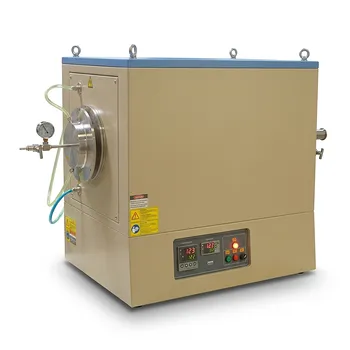
1100°C Large Diameter Quartz Tube Furnace with 24 Inch Heating Zone and Water Cooled Flanges
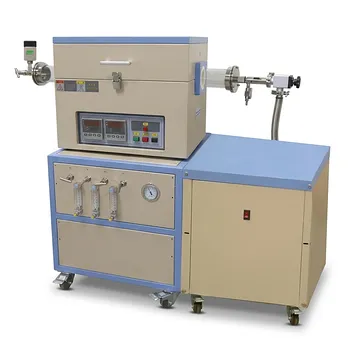
Dual Zone Quartz Tube Furnace with 80mm Diameter 1200C Max Temperature 3 Channel Gas Mixer and Vacuum Pump System
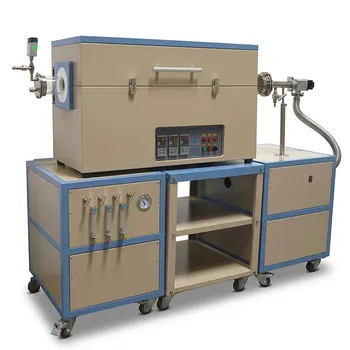
Three Zone Quartz Tube Furnace with 3 Channel Gas Mixer Vacuum Pump and Anti Corrosive Vacuum Gauge
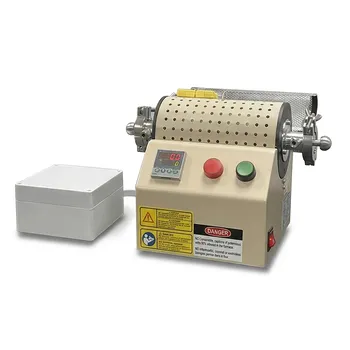
1000C Mini Tube Furnace with 20mm Quartz Tube and Vacuum Flanges for Material Science Research and Controlled Atmosphere Small Sample Processing
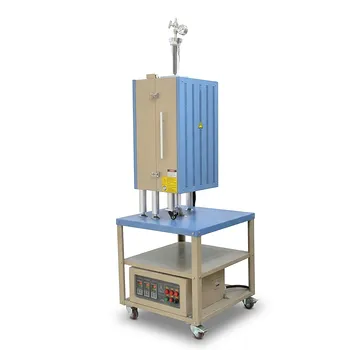
1200C Three Zone Vertical Tube Furnace with 2 Inch Quartz Tube and Vacuum Flanges
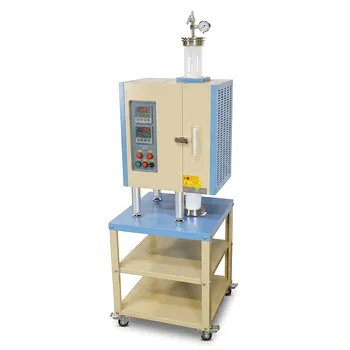
1100°C Dual Zone Split Vertical Tube Furnace with 4 Inch Quartz Tube and Vacuum Sealing Flanges
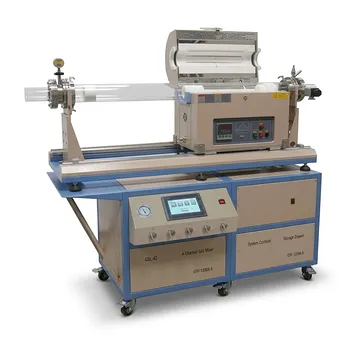
Dual Tube 100mm 80mm CVD Sliding Furnace with 4 Channel Gas Mixing and Vacuum System
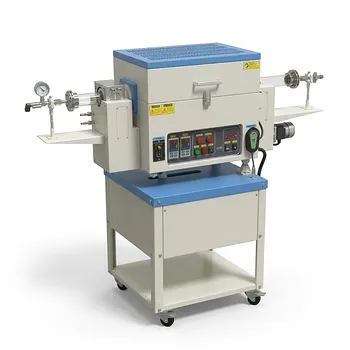
4 Inch Two Zone Rotary CVD Tube Furnace for High Temperature Battery Material Synthesis and Advanced Material Calcination
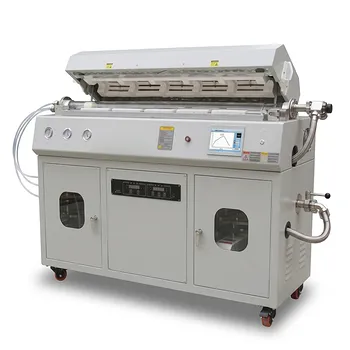
Multi Heating Zones CVD Tube Furnace System for Precision Chemical Vapor Deposition and Advanced Material Synthesis
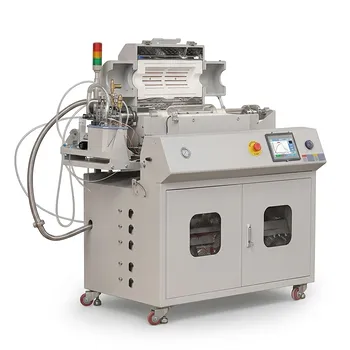
Versatile Chemical Vapor Deposition Tube Furnace System for Advanced Material Research and Industrial Coating Processes
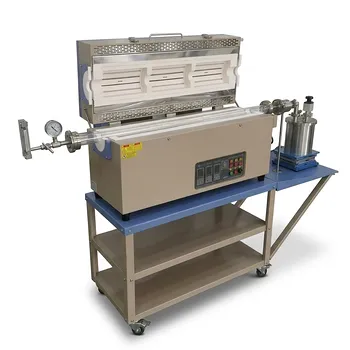
5 Inch Two Zone Rotary Tube Furnace 1100C for Powder CVD and Material Synthesis
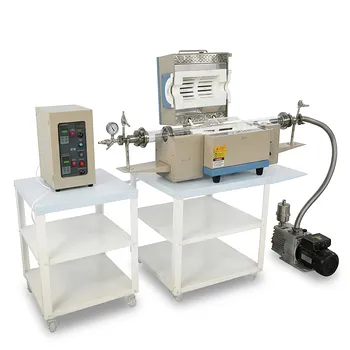
Two Zone Rotary Tube Furnace for Powder CVD Coating and Core Shell Material Synthesis 1100C
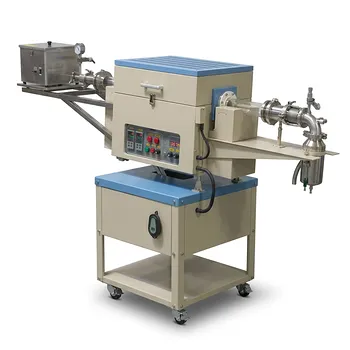
Two Zone Rotary CVD Furnace with Automatic Feeding and Receiving System for Powder Processing
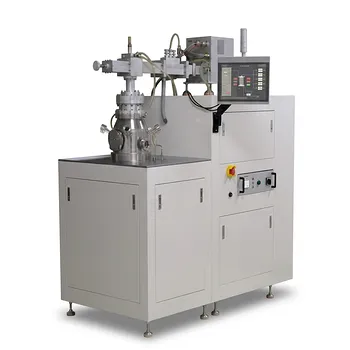
Cylindrical Resonator MPCVD Machine System for Microwave Plasma Chemical Vapor Deposition and Lab Diamond Growth
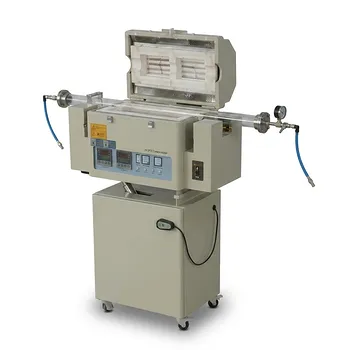
Double Temperature Revolving Tube Furnace with Precision Rotation and Adjustable Inclination for Advanced Material Research
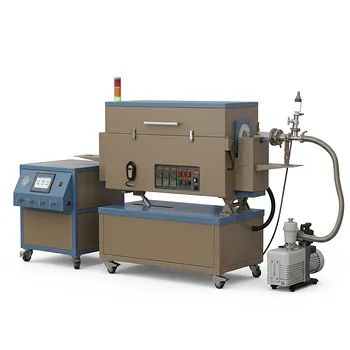
5 Inch Three Zone Rotary Tube Furnace with Integrated Gas Delivery System and 1200C Capability for Advanced Material CVD Processing
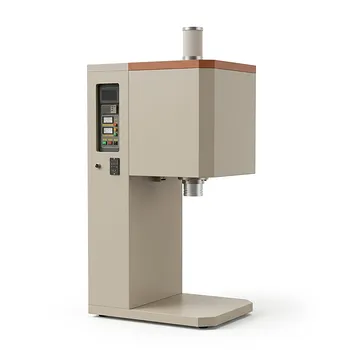
Vertical Openable Tube Furnace 0-1700c High Temperature Laboratory System for CVD and Vacuum Heat Treatment
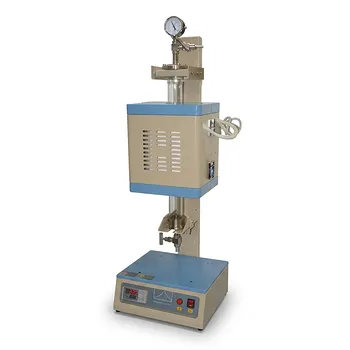
Compact Vertical Split Quartz Tube Furnace with Stainless Steel Vacuum Flanges for Rapid Thermal Quenching and Controlled Atmosphere Material Processing
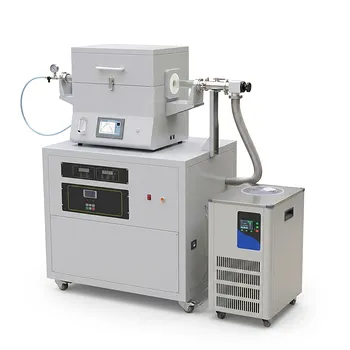
Split Chamber CVD Tube Furnace with Vacuum Station Chemical Vapor Deposition System Machine