Why use quartz tubes for La2O3/SnO2 sensor testing? High-temp stability & data integrity for ethanol gas sensing.
Updated 3 months ago
Quartz tube reaction chambers are selected for testing $La_2O_3/SnO_2$ ethanol sensors primarily because they provide an ultra-stable, chemically inert environment at high temperatures. These chambers ensure that the target ethanol gas reacts exclusively with the sensor surface rather than the chamber walls. This isolation is critical for capturing the precise resistance changes that define a sensor's sensitivity and reliability.
The technical core of this selection is the mitigation of experimental noise. By using a material that neither reacts with ethanol nor outgasses impurities at 300°C–600°C, researchers can ensure that every data point reflects the true interaction between the $La_2O_3/SnO_2$ material and the gas.
The Role of Chemical Inertia in Data Integrity
Preventing Unwanted Chemical Reactions
A quartz tube is fundamentally non-reactive with both the sensor material ($SnO_2$ and $La_2O_3$) and the target gas (ethanol). At elevated temperatures, many other materials might catalyze the breakdown of ethanol before it reaches the sensor, leading to false readings.
Quartz ensures the chemical composition of the test gas remains consistent from the point of injection to the point of contact. This allows the sensor to exhibit its true response characteristics without interference from secondary chemical products.
Maintaining Environmental Purity
In high-precision gas sensing, even trace impurities can "poison" the sensor surface or mask the target signal. Quartz does not release interfering impurities or outgas volatile organic compounds (VOCs) when heated.
This purity is essential for $La_2O_3/SnO_2$ sensors, as Lanthanum-doped Tin Oxide is highly sensitive to surface chemistry. Any background contamination within the chamber would directly compromise the accuracy and repeatability of the response data.
Thermal Stability and Sealed Environments
High-Temperature Resilience
Gas-sensing experiments for ethanol often require operating temperatures reaching 300°C or higher. Quartz possesses excellent thermal stability, maintaining its structural integrity and seal at temperatures that would cause other materials to warp or degrade.
Supplementary data indicates that quartz furnaces can safely operate up to 600°C. This overhead provides a significant safety margin, ensuring the chamber remains a "constant" factor in the experiment regardless of the sensor's required heat.
Controlled Reaction Dynamics
The quartz tube facilitates a highly sealed testing chamber, which is necessary for isolating the experiment from external atmospheric fluctuations. This containment ensures that the target gas reacts fully with the sensor's thin-film surface.
By preventing gas leakage and atmospheric interference, the quartz chamber enables the collection of accurate resistance change data. This leads to a more precise calculation of the sensor's detection limits and recovery times.
Understanding the Trade-offs
Fragility and Thermal Shock
While quartz is thermally stable, it is also inherently brittle. Rapid temperature fluctuations can cause thermal shock, leading to cracks that compromise the vacuum or gas seal.
Researchers must implement controlled heating and cooling rates to preserve the life of the chamber. A cracked tube can introduce oxygen or humidity, which would immediately invalidate the ethanol sensing results.
Maintenance and Contamination Build-up
Over time, repeated testing can lead to the accumulation of reaction by-products on the inner walls of the tube. If not cleaned regularly, these residues can act as unintended catalysts or adsorbents.
Maintaining the chamber's "inert" status requires a rigorous cleaning protocol. This ensures that the results of the 100th test are as reliable as the results of the first.
Applying These Principles to Your Research
Best Practices for Sensor Testing
When configuring your gas-sensing experimental setup, the choice of chamber material should align with your specific performance metrics and temperature requirements.
- If your primary focus is high-temperature precision: Utilize a high-purity quartz tube to ensure no material outgassing occurs above 300°C.
- If your primary focus is data repeatability: Ensure the quartz tube is part of a high-sealing furnace system to isolate the reaction from environmental humidity and oxygen.
- If your primary focus is sensor longevity studies: Implement a slow thermal ramping protocol to protect the quartz chamber from thermal fatigue over hundreds of test cycles.
By prioritizing chemical neutrality and thermal isolation, you ensure that your sensor’s performance data is a true reflection of its material engineering.
Summary Table:
| Key Feature | Technical Benefit | Impact on Sensor Data |
|---|---|---|
| Chemical Inertia | No reaction with ethanol or oxides | Prevents false readings from by-products |
| High-Temp Stability | Resilience up to 600°C | Maintains structural seal during testing |
| Low Outgassing | Zero VOC or impurity release | Eliminates experimental background noise |
| Atmospheric Seal | Complete isolation from external air | Accurate resistance & recovery tracking |
Optimize Your Sensor Research with THERMUNITS Thermal Solutions
At THERMUNITS, we understand that precision in gas-sensing research depends on the purity of your testing environment. As a leading manufacturer of high-temperature laboratory equipment for material science and industrial R&D, we provide the specialized tools needed to achieve reliable, repeatable results.
Our comprehensive range of thermal processing solutions includes:
- Tube & Rotary Furnaces: Perfect for high-purity quartz reaction chamber setups.
- CVD/PECVD Systems: For advanced thin-film sensor material deposition.
- Vacuum, Atmosphere, & Muffle Furnaces: Tailored for diverse heat treatment requirements.
- Specialized Equipment: Including Hot Press, Dental Furnaces, and Vacuum Induction Melting (VIM) systems.
Whether you are refining $La_2O_3/SnO_2$ sensors or exploring new industrial frontiers, our equipment ensures maximum thermal control and chemical integrity.
Contact THERMUNITS today to consult with our experts and find the perfect thermal solution for your laboratory's needs.
References
- Gen Li, Zhicheng Cai. Development of High-Performance Ethanol Gas Sensors Based on La2O3 Nanoparticles-Embedded Porous SnO2 Nanofibers. DOI: 10.3390/s24216839
Mentioned Products
- Dual Zone Quartz Tube Furnace with 80mm Diameter 1200C Max Temperature 3 Channel Gas Mixer and Vacuum Pump System
- 1200°C 5 Inch Vertical Quartz Tube Furnace with Stainless Steel Vacuum Flanges
- 1100°C Large Diameter Quartz Tube Furnace with 24 Inch Heating Zone and Water Cooled Flanges
- Compact Vertical Split Quartz Tube Furnace with Stainless Steel Vacuum Flanges for Rapid Thermal Quenching and Controlled Atmosphere Material Processing
- 1100°C High Temperature Quartz Chamber Furnace 8 Inch OD with 7.6 Liter Capacity and Vacuum Atmosphere Capability
People Also Ask
- How do dual-zone quartz tube furnaces achieve controllable material preparation? Optimize Perovskite VD Processes
- What are the technical advantages of using a dual-zone tube furnace for growing large PdCoO2 crystals via CVT? Expert Tips
- Purpose of the reverse gradient step in CVT growth? Master Crystal Purity with Dual-Zone Furnaces
- Why is it necessary to place MoS2 devices in a dual-zone tube furnace for annealing? Optimize Lattice Repair & Doping
- Why is a dual-zone tube furnace necessary for ReO3-doped Cu2Te CVD? Essential for precise precursor synchronization.

Tech Team · ThermUnits
Last updated on Jun 02, 2026
Related Products
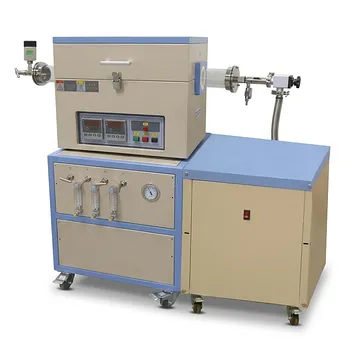
Dual Zone Quartz Tube Furnace with 80mm Diameter 1200C Max Temperature 3 Channel Gas Mixer and Vacuum Pump System

1200°C 5 Inch Vertical Quartz Tube Furnace with Stainless Steel Vacuum Flanges
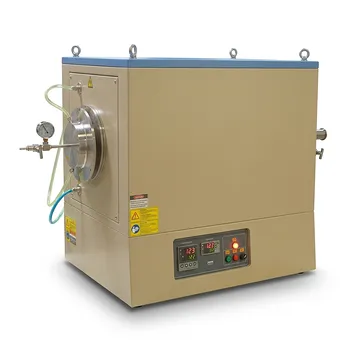
1100°C Large Diameter Quartz Tube Furnace with 24 Inch Heating Zone and Water Cooled Flanges

Compact Vertical Split Quartz Tube Furnace with Stainless Steel Vacuum Flanges for Rapid Thermal Quenching and Controlled Atmosphere Material Processing
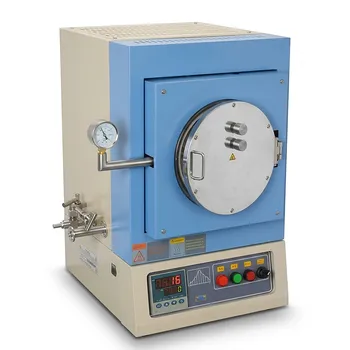
1100°C High Temperature Quartz Chamber Furnace 8 Inch OD with 7.6 Liter Capacity and Vacuum Atmosphere Capability
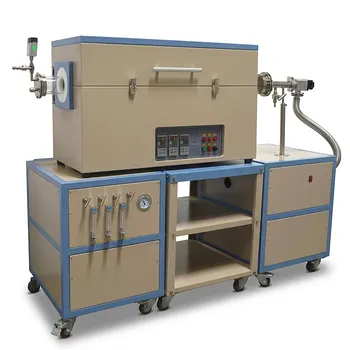
Three Zone Quartz Tube Furnace with 3 Channel Gas Mixer Vacuum Pump and Anti Corrosive Vacuum Gauge
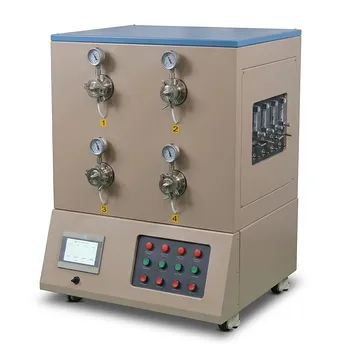
High Throughput 1200C Four Channel Tube Furnace with 3 Inch Quartz Tubes for Multi Zone Annealing and Material Research
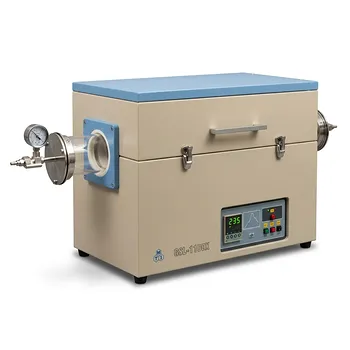
Single Zone Tube Furnace 5 Inch Quartz Tube 36 Inch Heating Zone Vacuum Flanges
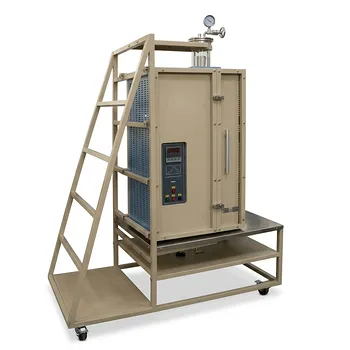
Split Vertical Tube Furnace with 1200C Quartz Tube and Stainless Steel Vacuum Flanges for Rapid Thermal Processing
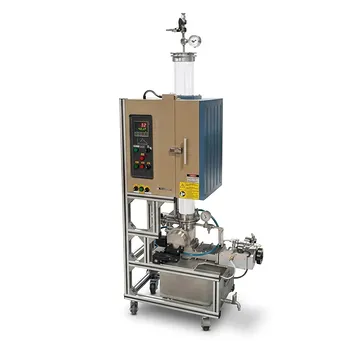
1200C High Temperature Atmosphere Controlled Vertical Quenching Tube Furnace with 4 Inch Quartz Tube
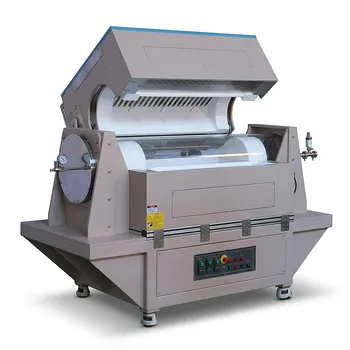
Three Zone Tube Furnace with 11 Inch or 15 Inch Quartz Tube and Hinged Flanges for Vacuum Atmosphere Heat Treatment
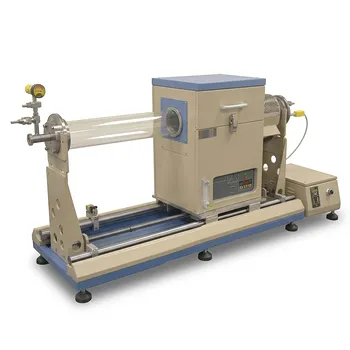
Rapid Thermal Processing Sliding Tube Furnace with 4 Inch OD Quartz Tube and 900C IR Heating
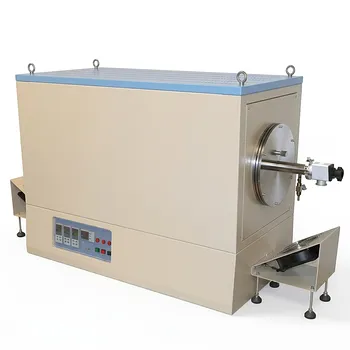
1100°C Three Zone Tube Furnace with 8.5 to 11 Inch OD Quartz Tube and Vacuum Flanges for Large Wafer Processing
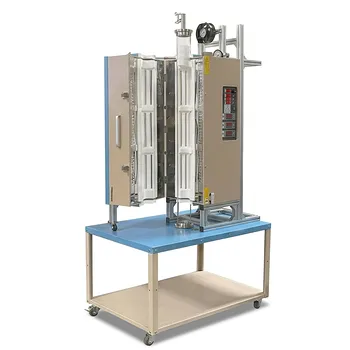
1200C Three Zone Split Vertical Tube Furnace 4 Inch Quartz Tube Stainless Steel Vacuum Flanges
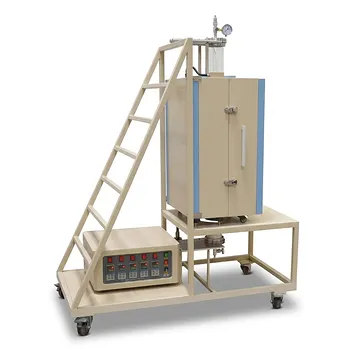
Five Zone Split Vertical Tube Furnace 1200C Max with 4 Inch Quartz Tube and Stainless Steel Vacuum Flanges
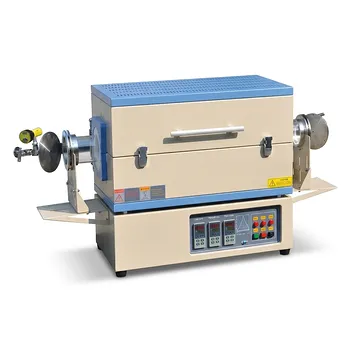
Three Zone Tube Furnace with 24 Inch Heating Length and Hinged Flange Quartz Tube System
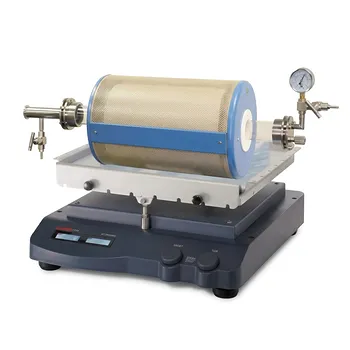
High Temperature Rocking Tube Furnace with Quartz Tube and Vacuum Flange for Materials Synthesis
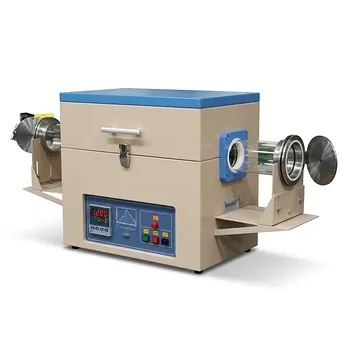
High Temperature 1200C Split Tube Furnace with Hinged Vacuum Flanges and 4 Inch Quartz Tube for Laboratory Research
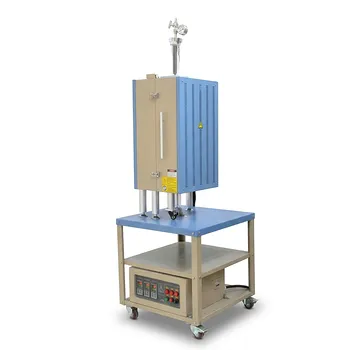
1200C Three Zone Vertical Tube Furnace with 2 Inch Quartz Tube and Vacuum Flanges
