Why are high-purity alumina tubes used for Cu-BDC carbonization? Ensuring Chemical Purity in Material Synthesis
Updated 3 months ago
High-purity alumina tubes are used for the carbonization of Cu-BDC materials because they provide a chemically inert environment that remains stable at the extreme temperatures required for the reaction. At temperatures such as 600°C, these tubes do not react with the copper-based samples or release secondary impurities into the reaction zone. This ensures that the resulting Cu-carbon composite maintains its intended phase purity and high catalytic activity.
The selection of high-purity alumina as a reaction vessel is driven by the need to prevent chemical cross-contamination between the container and the precursor. Its exceptional thermal stability ensures that the final Cu-carbon product meets the rigorous purity standards required for precision catalytic applications.
Preventing Chemical Interference and Contamination
Resistance to Metallic Interaction
During the carbonization of Cu-BDC, copper atoms are highly reactive and can easily alloy or react with inferior vessel materials. High-purity alumina (aluminum oxide) is uniquely resistant to molten metal erosion and does not react with metals like copper or iron, even at temperatures exceeding 1000°C.
Eliminating Impurity Migration
Inferior materials may release trace elements or "leach" impurities when subjected to high heat, which can poison the catalyst. High-purity alumina acts as a stable physical carrier that prevents any chemical exchange between the tube wall and the nitrogen-containing organic precursors or the metal center.
Protecting Phase Structure
The performance of Cu-carbon composites depends heavily on the specific crystalline arrangement of the copper and carbon layers. Because alumina does not participate in side reactions, it ensures that the phase structure transformation occurs exactly as intended, without interference from external atoms.
Maintaining Structural Integrity at High Temperatures
Thermal Stability and Gas-Tightness
Carbonization often requires a controlled, oxygen-free atmosphere to prevent the combustion of the organic framework. High-purity alumina tubes maintain excellent gas-tightness at high temperatures, preventing atmospheric leaks that could introduce oxygen and ruin the carbonization process.
Durability Against Corrosive Environments
The carbonization process can sometimes release corrosive byproducts or involve reactive gases like HCl or strong alkalis. Alumina is highly resistant to chemical erosion from corrosive gases, ensuring the tube does not degrade or introduce corrosion products into the sample.
Mechanical Strength Under Stress
High-purity alumina possesses high mechanical strength and can withstand rapid heating and cooling cycles without cracking. This thermal shock resistance is vital for experimental repeatability and the long-term durability of the reaction vessel in a laboratory or industrial setting.
Understanding the Trade-offs
Brittleness and Thermal Shock
While alumina is thermally stable, it is a ceramic and inherently brittle. Rapid, uneven heating can cause "thermal shock" cracks, meaning users must manage ramp rates carefully to avoid vessel failure.
Cost vs. Performance
High-purity alumina is significantly more expensive than lower-grade ceramics or quartz. However, using lower-purity alternatives often results in background weight changes or impurity spikes that can invalidate sensitive data, particularly in thermogravimetric analysis.
Making the Right Choice for Your Goal
How to Apply This to Your Project
- If your primary focus is maximum catalytic activity: Use high-purity alumina (99%+) to ensure no trace metals or alkalis migrate from the tube into your Cu-carbon composite.
- If your primary focus is cost-effective carbonization at lower temperatures (<500°C): High-purity quartz may be a viable alternative, though it lacks the extreme chemical resistance of alumina at higher thermal ranges.
- If your primary focus is precision thermogravimetric analysis: Alumina is essential to ensure the mass signal accurately reflects the sample's behavior rather than a reaction between the sample and the crucible.
The use of high-purity alumina tubes is a critical safeguard that ensures the chemical identity of the Cu-carbon product is defined by the precursors rather than the reaction environment.
Summary Table:
| Key Property | High-Purity Alumina Benefit | Impact on Cu-BDC Result |
|---|---|---|
| Chemical Inertness | Zero reaction with copper atoms | Prevents alloying and maintains phase purity |
| Thermal Stability | Stable beyond 1000°C | Supports high-temp carbonization (600°C+) |
| Gas-Tightness | Superior atmospheric isolation | Prevents oxygen leaks during framework synthesis |
| Corrosion Resistance | Resists organic/alkali byproducts | Ensures no impurity migration into the sample |
| Mechanical Strength | High durability under stress | Reliable performance during repeated heating cycles |
Optimize Your Material Synthesis with THERMUNITS
Precision in material science starts with the right thermal environment. THERMUNITS is a leading manufacturer of high-temperature laboratory equipment, providing the advanced solutions needed for delicate processes like Cu-BDC carbonization.
Our comprehensive range includes:
- Tube Furnaces and Atmosphere Furnaces for controlled reactions.
- CVD/PECVD Systems and Vacuum Induction Melting (VIM) units for high-purity synthesis.
- Muffle, Rotary, and Hot Press Furnaces tailored for industrial R&D.
- High-performance Thermal Elements and high-purity ceramic vessels.
Whether you are developing next-generation catalysts or conducting complex heat treatments, our equipment ensures maximum phase purity and process repeatability. Contact us today to find the perfect thermal solution for your lab!
References
- Zubair Hasan, Mohammad Farhadur Rahman. Metal Organic Framework Derived Cu-Carbon Composite for the Effective Reduction of p-Nitrophenol. DOI: 10.14233/ajchem.2024.31153
Mentioned Products
- High Temperature 1700C Benchtop Tube Furnace with 5 Inch Heating Zone High Purity Alumina Tube and Vacuum Sealing Flanges
- Compact High Temperature 1600C Tube Furnace with 50mm Alumina Tube and Vacuum Flanges for Material Sintering
- High Temperature 1700C 4 Channel Tube Furnace 1 Inch Alumina Tube for Hi-Throughput Annealing
- Vertical Hybrid High Temperature Furnace 1500C Alumina Tube SOFC Fuel Cell Testing Laboratory Heat Treatment Research Equipment
- Hybrid High Temperature Tube and Box Furnace 1700C with 2 Inch Alumina Tube for Material Research
People Also Ask
- How are high-temperature tube furnaces utilized to repair etching damage? Precision Lattice Restoration Solutions
- What is the function of a high-temperature tube furnace in the synthesis of g-C3N4? Optimize Thermal Polycondensation
- What impact does the heating rate of a tube furnace have on biochar microstructure? Optimize Your Material R&D.
- What is the role of a high-temperature tube furnace in the calcination process of ZnO/In2O3 nanocomposites?
- Conditions for nZVI Synthesis in Tube Furnaces? Learn to Optimize Thermal and Atmospheric Control for High Purity.

Tech Team · ThermUnits
Last updated on Jun 02, 2026
Related Products

High Temperature 1700C Benchtop Tube Furnace with 5 Inch Heating Zone High Purity Alumina Tube and Vacuum Sealing Flanges

Compact High Temperature 1600C Tube Furnace with 50mm Alumina Tube and Vacuum Flanges for Material Sintering
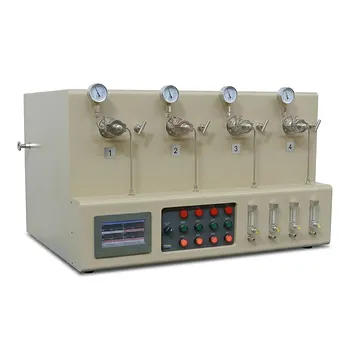
High Temperature 1700C 4 Channel Tube Furnace 1 Inch Alumina Tube for Hi-Throughput Annealing
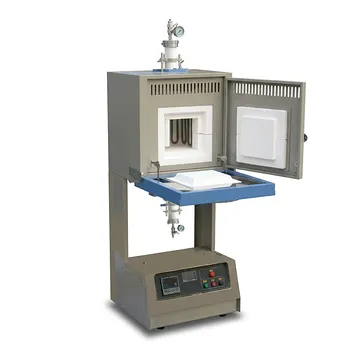
Vertical Hybrid High Temperature Furnace 1500C Alumina Tube SOFC Fuel Cell Testing Laboratory Heat Treatment Research Equipment
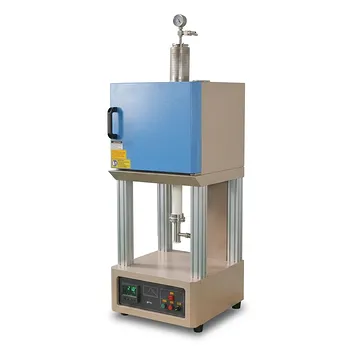
Hybrid High Temperature Tube and Box Furnace 1700C with 2 Inch Alumina Tube for Material Research
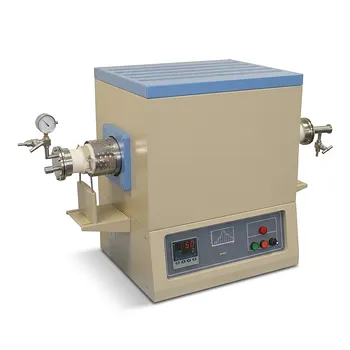
1700C High Temperature Alumina Tube Furnace with 18 Inch Heated Zone and Vacuum Sealing Flanges
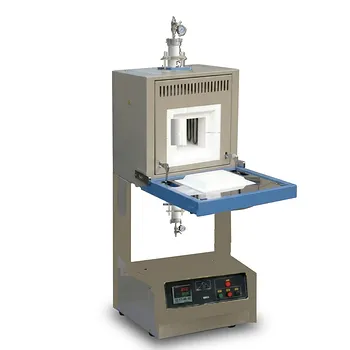
High Temperature Vertical Hybrid Furnace with Alumina Tube and SiC Heating for SOFC Coin Cell Testing and Atmosphere Processing
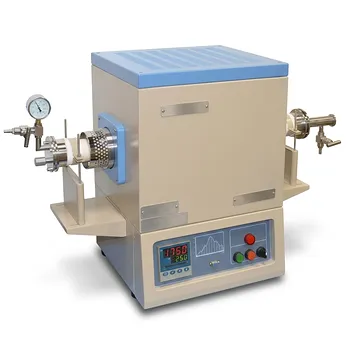
High Temperature Compact Vacuum Tube Furnace 1750C Max 60mm OD Alumina Tube
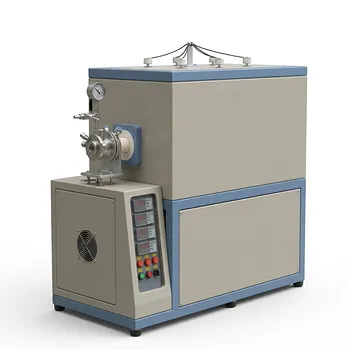
High Temperature 1700C Three Zone Tube Furnace with Alumina Tube 50mm 60mm 80mm OD for Material Research and Industrial Heat Treatment
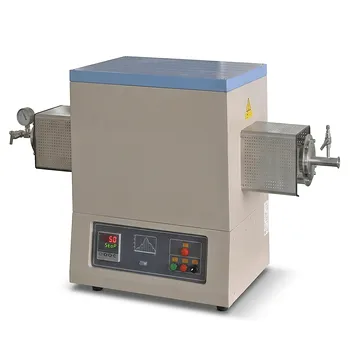
High Temperature 1700C Tube Furnace with 4 Inch OD Alumina Tube and Vacuum Sealing Flanges
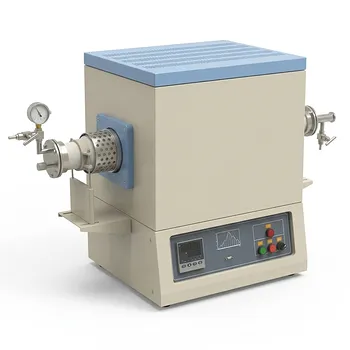
1750°C High Temperature Benchtop Vacuum Atmosphere Tube Furnace with Kanthal Super 1800 Heating Elements and 60mm Alumina Processing Tube

1800C High Temperature Compact Vacuum Tube Furnace with 60mm OD Alumina Tube and Kanthal MoSi2 Heating Elements
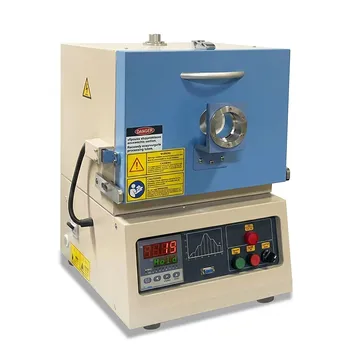
High Temperature Hybrid Muffle and Tube Furnace 1700C Programmable PID Controlled Box System with Vacuum Flange and Alumina Processing Tube

1700C Hydrogen Gas Tube Furnace with 60mm Alumina Process Tube and Integrated Hydrogen Safety Detector
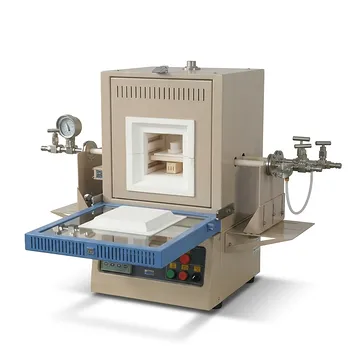
1700C Compact Hybrid Furnace with Dual Layer Box Sintering and Controlled Atmosphere Alumina Tubes
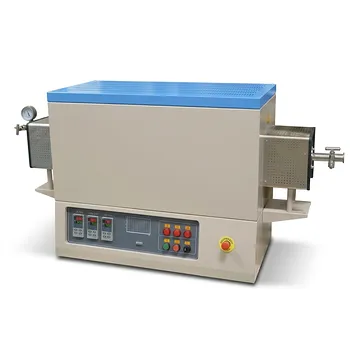
Three Zone Alumina Tube Furnace with Vacuum Flanges High Temperature 1700C Thermal Gradient CVD System

High Temperature 1700C Six Zone Split Tube Furnace with Alumina Tube and Water Cooled Flanges
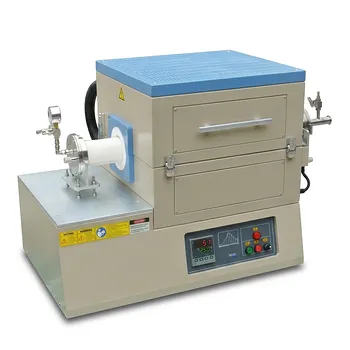
High Temperature 1700C Split Tube Furnace with Vacuum Flanges Valves and 60mm Alumina Tube

Vertical 1700C Vacuum and Atmosphere Tube Furnace with 80mm Alumina Tube