Why are metal nano-seeds like Au/Sn required in CVD growth of Si/C anodes? Enhancing VLS Growth for Better Batteries.
Updated 3 months ago
Metal nano-seeds serve as the catalytic foundation for the Vapor-Liquid-Solid (VLS) growth mechanism. By forming a eutectic liquid phase with silicon at specific temperatures, these seeds act as reaction sites that transform gaseous precursors into solid nanowires. This process is essential because it dictates the physical dimensions, location, and structural integrity of the silicon components within the anode.
Metal nano-seeds like gold (Au) and tin (Sn) are required to initiate and control the VLS growth mechanism. They provide the necessary physical templates to determine nanowire diameter and ensure direct electrical contact with current collectors for stable battery performance.
The Vapor-Liquid-Solid (VLS) Mechanism
Formation of the Eutectic Liquid Phase
The primary role of gold or tin seeds is to react with the silicon source gas to create a eutectic alloy. At a specific transition temperature, the solid metal seed absorbs silicon until it becomes a liquid droplet.
This liquid phase acts as a "sink" for the silicon vapor, allowing for much faster and more controlled deposition than surface-based growth alone. Once the liquid droplet becomes supersaturated with silicon, the excess silicon precipitates out as a solid, extending the nanowire upward.
Defining Growth Position and Geometry
Nano-seeds act as physical templates that define exactly where the growth begins. By pre-depositing these seeds on a substrate or current collector, engineers can ensure the silicon grows in a specific pattern.
The diameter specifications of the resulting silicon nanowires are directly proportional to the size of the initial catalyst seed. This precision is vital for optimizing the surface area and ensuring the material can withstand the stresses of lithium-ion transport.
Structural Integrity and Performance
Ensuring Direct Electrical Connectivity
Growing silicon directly on current collectors via nano-seeds establishes a robust mechanical and electrical bond. This direct growth is a significant advantage over traditional slurry-based methods, as it reduces internal resistance.
A secure connection to the current collector is a prerequisite for achieving stable cycling performance. Without the catalytic seed, silicon deposition would be random and prone to detachment during the battery's charge and discharge cycles.
Facilitating Synergy with Carbon Coatings
While the metal seeds manage the silicon structure, high-precision CVD systems often follow up by depositing a uniform carbon layer. This layer, typically around 9 nm thick, is grown using gases like ethylene to encapsulate the silicon.
The combination of controlled silicon growth (via seeds) and a continuous carbon coating effectively mitigates volume expansion. This dual-layer approach is the key to maintaining high first-cycle coulombic efficiency and long-term stability.
Understanding the Trade-offs
Catalyst Cost and Contamination
Using precious metals like gold (Au) provides excellent growth control but significantly increases the total cost of production. While tin (Sn) is a more cost-effective alternative, it may have different eutectic temperatures that require tighter process control.
Furthermore, residual catalyst seeds remain in the final anode material. If not managed correctly, these metallic "impurities" can influence the electrochemical environment or lead to unintended side reactions during high-voltage cycling.
Temperature and Precursor Sensitivity
The VLS mechanism is highly dependent on reaching the exact eutectic temperature of the specific metal-silicon alloy. If the CVD chamber temperature fluctuates, the growth rate and nanowire quality will degrade rapidly.
The flow rate of precursor gases, such as silane or ethylene, must also be perfectly synchronized with the catalyst activity. Any imbalance can lead to non-uniform coatings or "islands" of silicon rather than the desired continuous nanowire structure.
Making the Right Choice for Your Goal
How to Apply This to Your Project
- If your primary focus is precise nanowire diameter: Utilize gold (Au) nano-seeds, as they offer the most predictable and stable eutectic formation for consistent geometry.
- If your primary focus is industrial cost-efficiency: Explore tin (Sn) or other non-precious catalysts, which lower material costs while still enabling the VLS growth mechanism.
- If your primary focus is maximum cycle life: Prioritize the growth of a uniform 9 nm carbon coating over the seeded silicon to accommodate the mechanical strain of volume expansion.
By mastering the catalytic role of metal nano-seeds, developers can engineer silicon-carbon anodes that bridge the gap between high energy density and structural durability.
Summary Table:
| Feature | Role of Nano-Seeds | Impact on Anode Performance |
|---|---|---|
| Growth Mechanism | Initiates Vapor-Liquid-Solid (VLS) process | Enables controlled silicon deposition |
| Structural Template | Defines nanowire diameter and position | Optimizes surface area and stress management |
| Connectivity | Creates direct bond with current collector | Lower internal resistance and stable cycling |
| Eutectic Phase | Forms liquid alloy with silicon gas | High-speed, high-precision material growth |
Elevate Your Silicon-Carbon Anode Research with THERMUNITS
Precise control over the Vapor-Liquid-Solid (VLS) mechanism requires high-performance thermal environments. THERMUNITS is a leading manufacturer of high-temperature laboratory equipment specifically designed for material science and industrial R&D. We offer industry-leading CVD/PECVD systems, Vacuum Furnaces, Tube Furnaces, and Hot Press Furnaces that ensure the thermal stability and gas flow precision necessary for superior silicon nanowire growth and carbon coating.
Whether you are refining catalyst selection or optimizing 9 nm carbon encapsulation, our equipment provides the reliability your lab needs to bridge the gap between high energy density and structural durability.
Ready to optimize your heat treatment process? Contact us today to discuss our custom thermal processing solutions!
References
- Xinyu Chen, Lin Zeng. Advancing high‐performance one‐dimensional Si/carbon anodes: Current status and challenges. DOI: 10.1002/cnl2.118
Mentioned Products
- Versatile Chemical Vapor Deposition Tube Furnace System for Advanced Material Research and Industrial Coating Processes
- 1500C 3-Zone Rotary Tube Furnace 60mm with Automatic Powder Feeding and Receiving System for Continuous Material Synthesis
- Multi Heating Zones CVD Tube Furnace System for Precision Chemical Vapor Deposition and Advanced Material Synthesis
- 5 Inch Three Zone Rotary Tube Furnace with Integrated Gas Delivery System and 1200C Capability for Advanced Material CVD Processing
- Inclined Rotary Plasma Enhanced Chemical Vapor Deposition PECVD System for Thin Film Deposition and Nanomaterial Synthesis
People Also Ask
- How does a sliding rail design benefit the CVD process within a furnace ventilation hood? Enhance Control & Quenching
- What role do by-product desorption and evacuation play in CVD film quality? Key Factors for High-Purity Films
- How does the deposition process occur within a Chemical Vapor Deposition (CVD) reactor? Explore the 5-Stage Growth Cycle
- Why is CVD preferred over PVD for high-aspect-ratio features? Superior Conformality for Semiconductor Fabrication
- How do temperature regimes influence the growth rate of films in a CVD system? Master CVD Kinetics for Superior Thin Films

Tech Team · ThermUnits
Last updated on Jun 02, 2026
Related Products
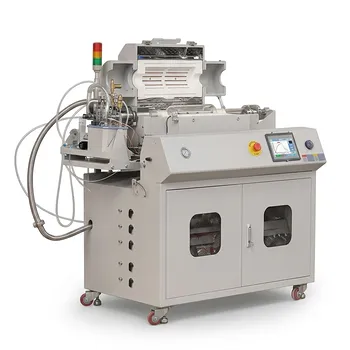
Versatile Chemical Vapor Deposition Tube Furnace System for Advanced Material Research and Industrial Coating Processes
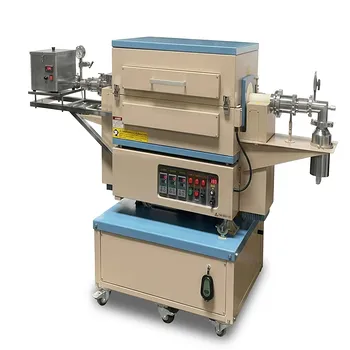
1500C 3-Zone Rotary Tube Furnace 60mm with Automatic Powder Feeding and Receiving System for Continuous Material Synthesis
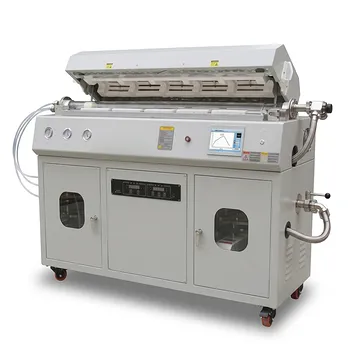
Multi Heating Zones CVD Tube Furnace System for Precision Chemical Vapor Deposition and Advanced Material Synthesis
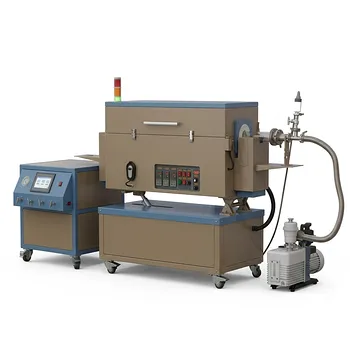
5 Inch Three Zone Rotary Tube Furnace with Integrated Gas Delivery System and 1200C Capability for Advanced Material CVD Processing
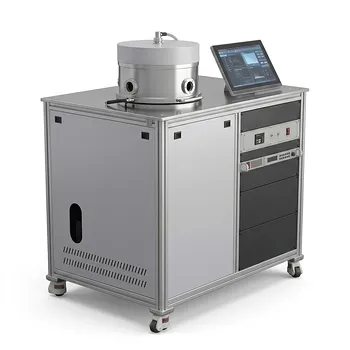
Inclined Rotary Plasma Enhanced Chemical Vapor Deposition PECVD System for Thin Film Deposition and Nanomaterial Synthesis
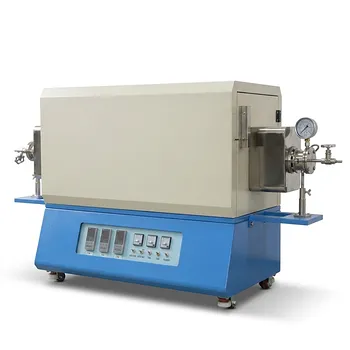
Three Temperature Zone High Temperature Vacuum Tube Furnace for CVD and Material Sintering
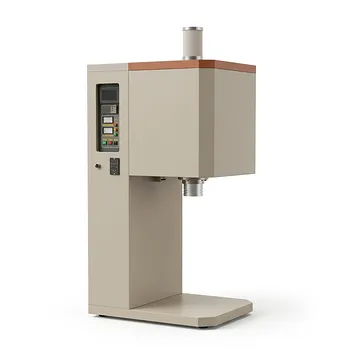
Vertical Openable Tube Furnace 0-1700c High Temperature Laboratory System for CVD and Vacuum Heat Treatment
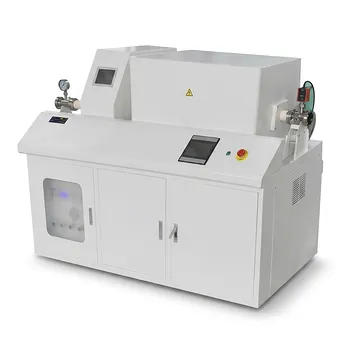
Chemical Vapor Deposition CVD System Slide PECVD Tube Furnace with Liquid Gasifier PECVD Machine
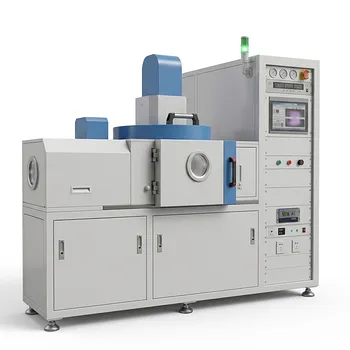
Radio Frequency Plasma Enhanced Chemical Vapor Deposition RF PECVD System for Laboratory and Industrial Thin Film Growth
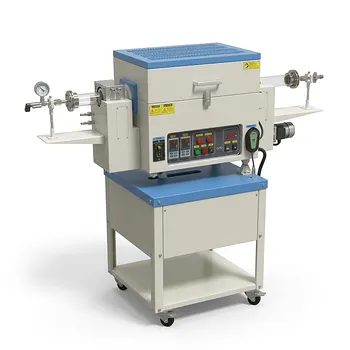
4 Inch Two Zone Rotary CVD Tube Furnace for High Temperature Battery Material Synthesis and Advanced Material Calcination
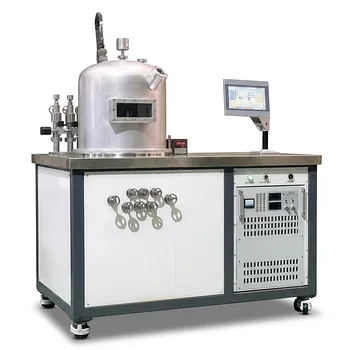
HFCVD Machine System for Nano Diamond Coating on Drawing Dies and Industrial Tools
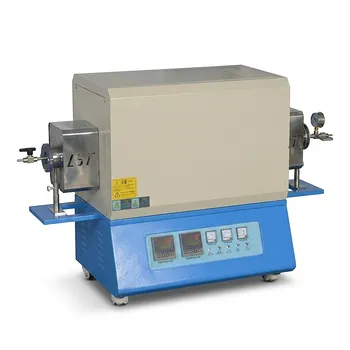
High Temperature Dual Zone Vacuum Tube Furnace for Material Research and CVD Processing
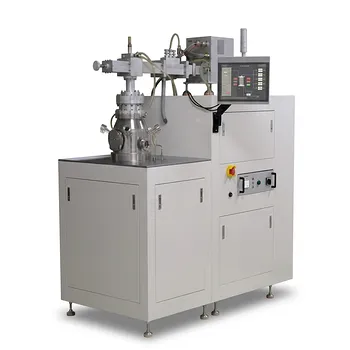
Cylindrical Resonator MPCVD Machine System for Microwave Plasma Chemical Vapor Deposition and Lab Diamond Growth
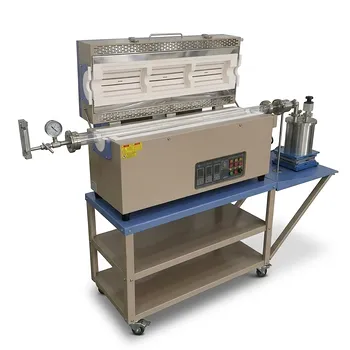
5 Inch Two Zone Rotary Tube Furnace 1100C for Powder CVD and Material Synthesis
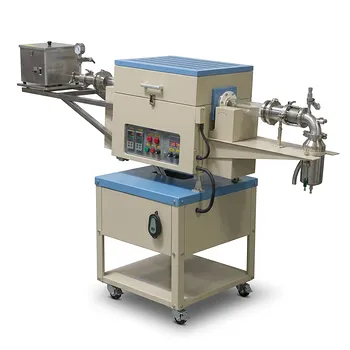
Two Zone Rotary CVD Furnace with Automatic Feeding and Receiving System for Powder Processing
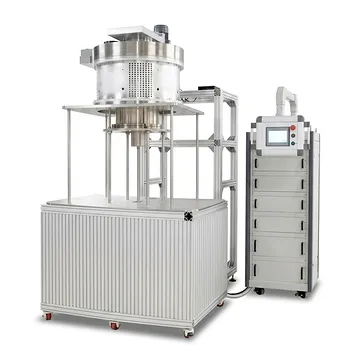
915MHz MPCVD Diamond Machine Microwave Plasma Chemical Vapor Deposition System Reactor
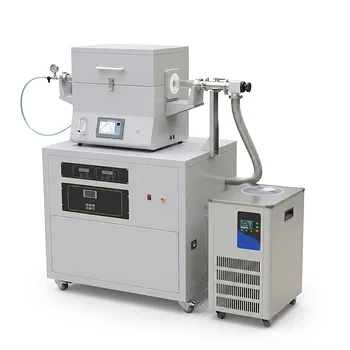
Split Chamber CVD Tube Furnace with Vacuum Station Chemical Vapor Deposition System Machine
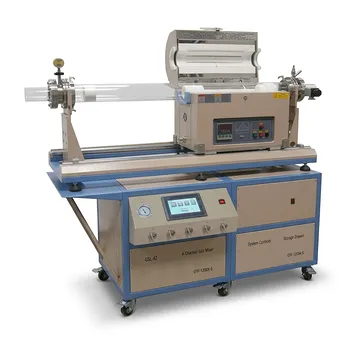
Dual Tube 100mm 80mm CVD Sliding Furnace with 4 Channel Gas Mixing and Vacuum System
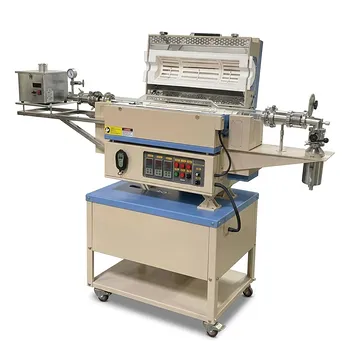
5 Inch Rotary Tube Furnace with Automatic Feeding and Receiving System 1200C Three Zone CVD Powder Processing
