How does the deposition process occur within a Chemical Vapor Deposition (CVD) reactor? Explore the 5-Stage Growth Cycle
Updated 5 months ago
The deposition process in a Chemical Vapor Deposition (CVD) reactor is a sophisticated sequence of thermo-chemical events. It transforms volatile gas-phase precursors into high-purity solid films through a series of controlled stages including delivery, diffusion, adsorption, reaction, and exhaust. This process is fundamentally different from physical methods as it relies on chemical transformations to create materials such as carbon nanotubes, perovskites, or high-purity coatings.
CVD is a surface-mediated process where gaseous precursors undergo chemical reactions on a heated substrate to form solid deposits. Its success relies on the precise synchronization of gas flow, thermal energy, and vacuum control to ensure film uniformity and purity.
The Five-Stage Deposition Cycle
1. Precursor Delivery and Gas-Phase Transport
The process begins with the introduction of volatile precursors into the reaction chamber. These chemicals are typically carried by inert gases and regulated by mass flow controllers to ensure the exact chemical stoichiometry required for the film.
2. Diffusion Through the Boundary Layer
Once inside the reactor, the precursor molecules must travel through the main gas stream toward the substrate. They pass through a stagnant boundary layer near the substrate surface via molecular diffusion, which is often a rate-limiting step in the growth process.
3. Surface Adsorption
After reaching the substrate, the precursor molecules adsorb onto the surface. This physical or chemical attachment is essential for the molecules to stay in place long enough for the subsequent chemical transformations to occur.
4. Chemical Reaction and Solidification
Thermal energy or catalysts trigger a chemical reaction or thermal decomposition. This step converts the adsorbed precursors into a solid deposit, which can be tailored to be monocrystalline, polycrystalline, or amorphous depending on the reactor settings.
5. Desorption and Evacuation of By-products
The chemical reactions produce volatile by-products that are not part of the final film. These by-products must desorb from the substrate and be evacuated from the chamber by the vacuum system to prevent film contamination.
The Environmental Pillars of a CVD Reactor
The Role of the Quartz Tube
The core of many CVD systems is a high-purity quartz tube, which serves as an inert and heat-resistant reaction vessel. This environment allows for the flow of gases like methane or ethylene over catalysts without interference from external impurities.
Thermal Activation and Energy
Most CVD processes require significant activation energy, usually provided by a tube heating furnace. Precise temperature control (often exceeding 600°C) is necessary to "crack" precursor gases and drive the transformation from a gas phase to a solid phase.
Vacuum and Atmosphere Control
A dedicated vacuum system maintains the necessary pressure levels and removes hazardous by-products. By adjusting furnace pressure and gas flow ratios, operators can precisely control the crystal orientation and electronic functions of the resulting thin films.
Understanding the Trade-offs
Temperature Sensitivity vs. Film Quality
While high temperatures facilitate high-quality, large-grain films, they also limit the types of substrates that can be used. Many sensitive materials cannot withstand the thermal stress required for standard CVD, necessitating alternative activation methods.
Conformality vs. Precursor Toxicity
CVD offers superior step coverage, meaning it can coat complex 3D structures more uniformly than line-of-sight physical methods. However, the precursors used are often toxic, corrosive, or flammable, requiring expensive safety and exhaust monitoring systems.
How to Apply This to Your Project
When implementing a CVD process, your configuration should be dictated by your specific material requirements and substrate limitations.
- If your primary focus is complex 3D microstructures: Utilize CVD rather than PVD to take advantage of its superior conformality and uniform step coverage.
- If your primary focus is synthesizing carbon nanotubes or perovskites: Ensure your system uses a high-purity quartz reactor and precise furnace controls to provide the stable thermal environment required for phase transformation.
- If your primary focus is high-speed production: Optimize the gas-phase transport and diffusion steps, as these often dictate the overall growth rate of the film.
By mastering the balance of chemical kinetics and thermal delivery, CVD enables the fabrication of high-performance materials with atomic-level precision.
Summary Table:
| Stage | Process Step | Key Function |
|---|---|---|
| 1. Delivery | Gas-Phase Transport | Regulates precursor stoichiometry and flow into the chamber. |
| 2. Diffusion | Boundary Layer Passage | Molecules move from the main gas stream to the substrate surface. |
| 3. Adsorption | Surface Attachment | Precursors bond to the substrate to prepare for chemical transformation. |
| 4. Reaction | Solidification | Thermal energy triggers the chemical shift from gas to solid film. |
| 5. Desorption | By-product Evacuation | Volatile waste is removed to ensure high purity and prevent contamination. |
Elevate Your Material Research with THERMUNITS
Precision is the backbone of successful Chemical Vapor Deposition. THERMUNITS is a leading manufacturer of high-temperature laboratory equipment, providing the atomic-level control required for advanced material science and industrial R&D.
From CVD/PECVD systems and Tube furnaces designed for uniform gas flow to specialized Vacuum, Atmosphere, and Hot Press furnaces, our thermal processing solutions ensure superior film quality and consistency. Whether you are synthesizing carbon nanotubes, perovskites, or advanced coatings, our equipment—including Dental Furnaces, VIM systems, and electric rotary kilns—is engineered for performance.
Ready to optimize your deposition process? Contact our technical team today to find the perfect thermal solution for your lab!
Mentioned Products
- Versatile Chemical Vapor Deposition Tube Furnace System for Advanced Material Research and Industrial Coating Processes
- Multi Heating Zones CVD Tube Furnace System for Precision Chemical Vapor Deposition and Advanced Material Synthesis
- 915MHz MPCVD Diamond Machine Microwave Plasma Chemical Vapor Deposition System Reactor
- Cylindrical Resonator MPCVD Machine System for Microwave Plasma Chemical Vapor Deposition and Lab Diamond Growth
- Two Zone Rotary CVD Furnace with Automatic Feeding and Receiving System for Powder Processing
People Also Ask
- How does a sliding rail design benefit the CVD process within a furnace ventilation hood? Enhance Control & Quenching
- What role do by-product desorption and evacuation play in CVD film quality? Key Factors for High-Purity Films
- Why is CVD preferred over PVD for high-aspect-ratio features? Superior Conformality for Semiconductor Fabrication
- How do temperature regimes influence the growth rate of films in a CVD system? Master CVD Kinetics for Superior Thin Films
- What is the core function of a CVD system in FG-FET fabrication? High-Quality Graphene Synthesis for Research

Tech Team · ThermUnits
Last updated on Apr 14, 2026
Related Products
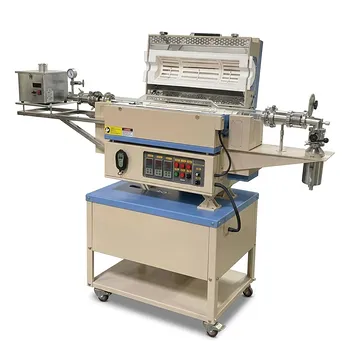
Versatile Chemical Vapor Deposition Tube Furnace System for Advanced Material Research and Industrial Coating Processes
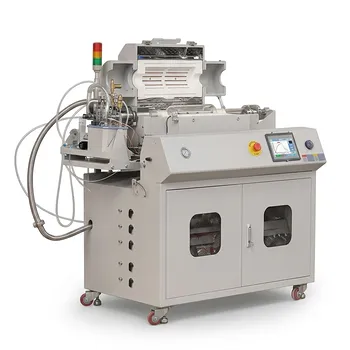
Multi Heating Zones CVD Tube Furnace System for Precision Chemical Vapor Deposition and Advanced Material Synthesis
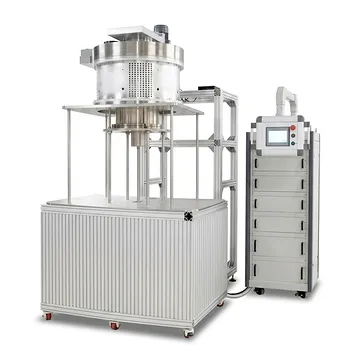
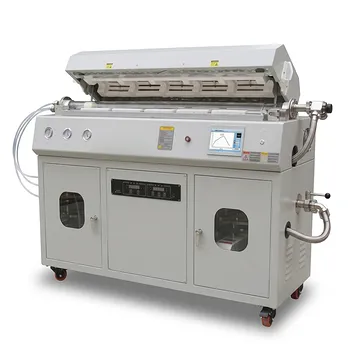
915MHz MPCVD Diamond Machine Microwave Plasma Chemical Vapor Deposition System Reactor
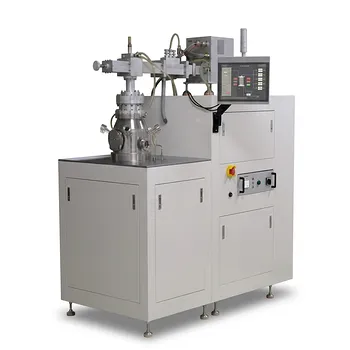
Cylindrical Resonator MPCVD Machine System for Microwave Plasma Chemical Vapor Deposition and Lab Diamond Growth
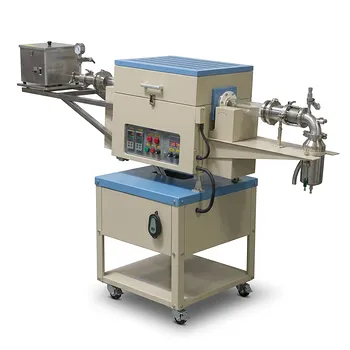
Two Zone Rotary CVD Furnace with Automatic Feeding and Receiving System for Powder Processing
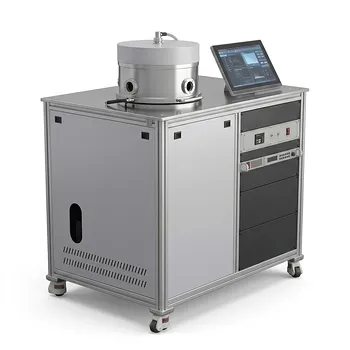
Inclined Rotary Plasma Enhanced Chemical Vapor Deposition PECVD System for Thin Film Deposition and Nanomaterial Synthesis
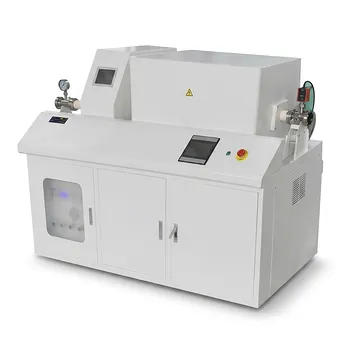
Chemical Vapor Deposition CVD System Slide PECVD Tube Furnace with Liquid Gasifier PECVD Machine
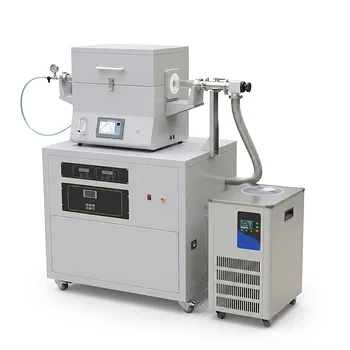
Split Chamber CVD Tube Furnace with Vacuum Station Chemical Vapor Deposition System Machine
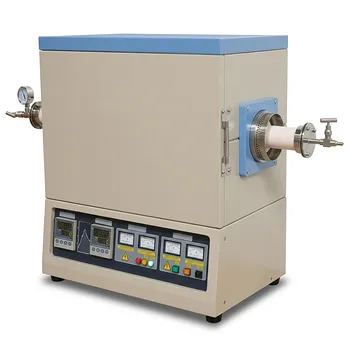
High Temperature 1700C Dual Zone Tube Furnace for Material Science and Industrial Chemical Vapor Deposition Research
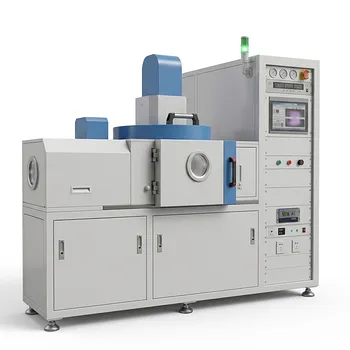
Radio Frequency Plasma Enhanced Chemical Vapor Deposition RF PECVD System for Laboratory and Industrial Thin Film Growth
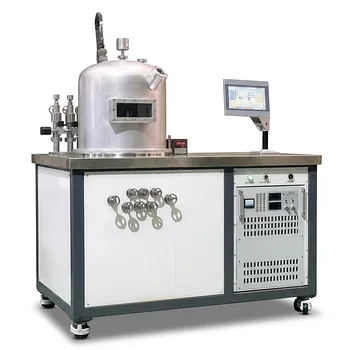
HFCVD Machine System for Nano Diamond Coating on Drawing Dies and Industrial Tools
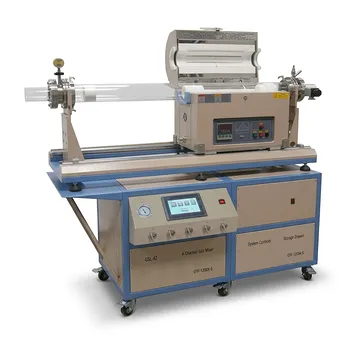
Dual Tube 100mm 80mm CVD Sliding Furnace with 4 Channel Gas Mixing and Vacuum System
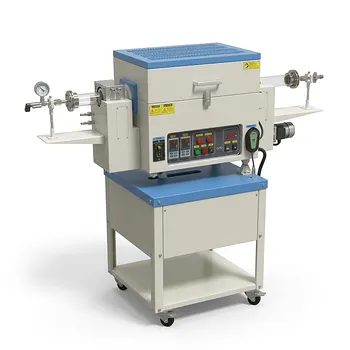
4 Inch Two Zone Rotary CVD Tube Furnace for High Temperature Battery Material Synthesis and Advanced Material Calcination
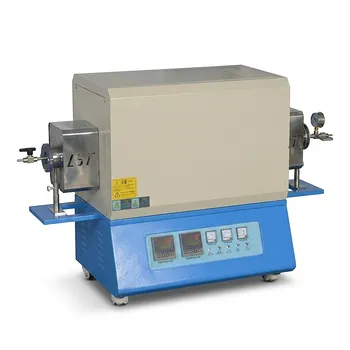
High Temperature Dual Zone Vacuum Tube Furnace for Material Research and CVD Processing
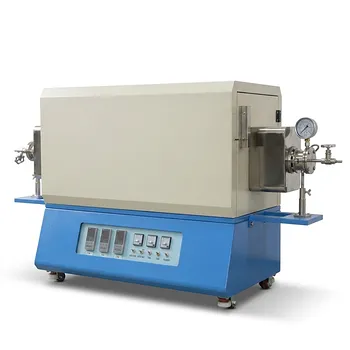
Three Temperature Zone High Temperature Vacuum Tube Furnace for CVD and Material Sintering
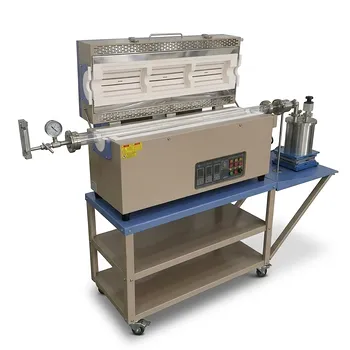
5 Inch Two Zone Rotary Tube Furnace 1100C for Powder CVD and Material Synthesis
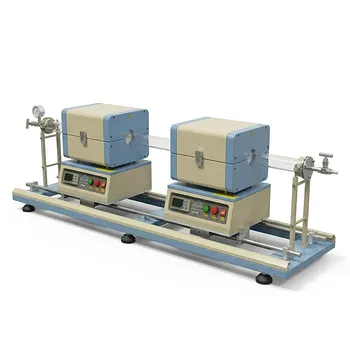
1200C Max Dual Sliding Tube Furnace with 50 mm Tube Flanges for CVD
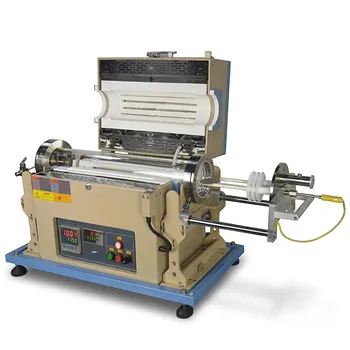
1200°C High Temperature 4 Inch Tube Furnace with Sliding Flange for CVD Systems
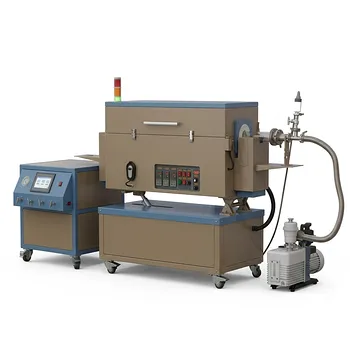
5 Inch Three Zone Rotary Tube Furnace with Integrated Gas Delivery System and 1200C Capability for Advanced Material CVD Processing