Why are tube furnaces with atmosphere control required for doped carbon? Achieve High-Purity Material Synthesis
Updated 3 months ago
Tube furnaces with atmosphere control are essential because they provide the strictly anaerobic environment necessary to prevent the oxidative combustion of carbon precursors at high temperatures. This precise control allows for the successful incorporation of heteroatoms like nitrogen and phosphorus into the carbon lattice, while facilitating complex chemical reactions such as pyrolysis, etching, and metal ion reduction that would be impossible in the presence of oxygen.
Atmosphere control transforms a furnace from a simple heating element into a chemical reactor. By isolating the thermal process from ambient oxygen, it ensures that precursors undergo intended molecular transformations—such as doping and pore formation—rather than simply burning away.
Preventing Oxidative Degradation of Precursors
Eliminating Spontaneous Combustion
At the high temperatures required for carbonization (often exceeding 500°C), carbon materials and biomass precursors will spontaneously combust if exposed to oxygen. Atmosphere-controlled tube furnaces replace ambient air with high-purity inert gases like argon (Ar) or nitrogen (N2) to prevent this loss.
Maximizing Carbon Yield
By maintaining an inert environment, the furnace ensures that organic components undergo dehydration and carbonization rather than oxidation. This process preserves the carbon skeleton of the precursor, significantly increasing the final yield of the doped material.
Preserving Structural Morphology
Maintaining a stable protective gas flow is critical for preserving the delicate physical structures of precursors, such as fiber morphology or polymer cross-linking. Without this protection, the structural integrity of the material would be destroyed by uncontrolled oxidative reactions during the heating curve.
Facilitating Chemical Doping and Activation
Heteroatom Incorporation
For doped materials, the successful integration of nitrogen, phosphorus, and oxygen into the carbon network is the primary goal. An inert atmosphere prevents these heteroatoms from forming volatile oxides, ensuring they remain within the carbon lattice to create functional active sites.
Precise Pore Engineering
Atmosphere control is vital during the activation stage, where chemical agents like potassium hydroxide (KOH) etch the carbon framework. In an oxygen-free environment, these activators can precisely construct hierarchical pore structures (micropores and mesopores) without the risk of the entire sample undergoing oxidative burnout.
Guiding Polymer Transformation
The use of a high-precision atmosphere furnace allows researchers to set specific heating curves that guide orderly dehydrogenation. This ensures the transformation from high-molecular polymers to highly conductive carbon structures is chemically controlled and repeatable.
Achieving Catalytic and Metallic Phase Purity
Reduction of Metal Ions
When preparing doped carbon catalysts, it is often necessary to reduce metal ions into catalytically active nanoparticles. A controlled atmosphere allows for the introduction of reducing gas mixtures (such as 10% hydrogen in argon) to transform precursors into specific phases like molybdenum dioxide (MoO2) or iron carbide (Fe3C).
Preventing Metal Oxidation
Metal-organic frameworks (MOFs) and other precursors are highly susceptible to oxidation at high temperatures. The furnace provides a strict anaerobic environment that ensures metal components are accurately converted into high-purity phases while simultaneously forming a uniform carbon coating.
Inducing Nanostructure Growth
In specific applications like the growth of carbon nanotubes (CNTs), the atmosphere control system manages the decomposition of organic frameworks. This environment allows metal nanoparticles to act as catalysts for the in-situ growth of nanostructures, which would be inhibited by the presence of oxygen.
Understanding the Trade-offs
Gas Purity vs. Material Quality
The effectiveness of the process is heavily dependent on the purity of the inert gas. Even trace amounts of oxygen in low-grade nitrogen can lead to surface oxidation, which may degrade the electrochemical performance of the doped carbon.
Flow Rate and Temperature Uniformity
High gas flow rates are necessary to exclude oxygen but can introduce temperature gradients within the tube. Balancing the flow rate is essential to ensure that the entire sample reaches the target carbonization temperature simultaneously.
Cost and Complexity
Operating an atmosphere-controlled system increases the operational cost due to the continuous consumption of high-purity gases and the need for specialized vacuum seals. However, this is a mandatory trade-off for achieving the phase purity and doping levels required for advanced material science.
How to Apply This to Your Project
Recommendations for Material Synthesis
- If your primary focus is maximizing pore surface area: Use a tube furnace with a sealed environment and N2 protection to allow chemical activators like KOH to etch the carbon framework without burning the sample.
- If your primary focus is synthesizing metallic catalysts (e.g., Fe3C or MoO2): Utilize a reducing atmosphere mixture, such as H2/Ar, to ensure metal ions are reduced to the correct oxidation state while preventing over-oxidation of the carbon support.
- If your primary focus is nitrogen or phosphorus doping: Ensure the use of high-purity argon to isolate oxygen, which prevents the combustion of heteroatoms and facilitates their successful incorporation into the carbon lattice.
Precise atmosphere control is the decisive factor that moves carbon synthesis from uncontrolled combustion to high-performance material engineering.
Summary Table:
| Key Function | Benefit for Doped Carbon Materials | Recommended Atmosphere |
|---|---|---|
| Oxidation Prevention | Prevents precursor combustion and maximizes carbon yield | High-purity Argon (Ar) or Nitrogen (N2) |
| Heteroatom Doping | Ensures N, P, or S atoms incorporate into the lattice without oxidizing | Inert Protective Gases |
| Pore Engineering | Allows precise chemical etching (e.g., KOH) for hierarchical structures | Controlled Inert Flow |
| Metallic Phase Purity | Reduces metal ions into active catalysts (e.g., Fe3C, MoO2) | Reducing Mixtures (e.g., H2/Ar) |
| Nanostructure Growth | Facilitates in-situ growth of CNTs and other nanostructures | Specialized Organic Precursor Mix |
Elevate Your Research with THERMUNITS Thermal Solutions
Precise atmosphere control is the difference between successful material engineering and failed combustion. THERMUNITS is a leading manufacturer of high-temperature laboratory equipment tailored for material science and industrial R&D. We provide the high-performance tools necessary to achieve strictly anaerobic environments and precise heating curves.
Our comprehensive range includes:
- Specialized Furnaces: Tube, Atmosphere, Vacuum, Muffle, Rotary, and Hot Press Furnaces.
- Advanced Systems: CVD/PECVD systems, Vacuum Induction Melting (VIM), and Dental Furnaces.
- Components: High-quality Thermal Elements and lab heat treatment accessories.
Whether you are focusing on nitrogen-doped carbon, metallic catalysts, or complex nanostructures, we have the expertise to optimize your thermal processing.
Contact THERMUNITS today to find the ideal furnace for your application!
References
- Alina Brzęczek‐Szafran, Dawid Janas. Bio-based protic salts as precursors for sustainable free-standing film electrodes. DOI: 10.1038/s41598-024-61553-x
Mentioned Products
- 1200°C Atmosphere Controlled Automatic Bottom Loading Furnace with 6 Inch Quartz Tube
- Compact Hybrid Muffle and Tube Furnace for 1000C Controlled Atmosphere Laboratory Material Sintering
- Compact Vertical Split Quartz Tube Furnace with Stainless Steel Vacuum Flanges for Rapid Thermal Quenching and Controlled Atmosphere Material Processing
- 1700C Compact Hybrid Furnace with Dual Layer Box Sintering and Controlled Atmosphere Alumina Tubes
- 1500°C Split Tube Furnace with Alumina Tube and Vacuum Sealing Flanges for Material Research
People Also Ask
- Why is a tube furnace required for FGM-PhG structural color ceramics? Key to Carbon Preservation & Vibrant Color
- Why is an atmosphere-controlled tube furnace required for 800 °C CNF annealing? Essential for Oxidative Protection.
- Why is an atmosphere-controlled tube furnace required for the pre-sulfidation of NiMo/gamma-Al2O3 catalysts?
- Why is an atmosphere-controlled tube furnace required for [email protected]/C preparation? Key for Purity & Structure
- Why is an atmosphere-controlled tube furnace required for single-atom sensor calcination? Ensure Atomic Dispersion.

Tech Team · ThermUnits
Last updated on Jun 03, 2026
Related Products
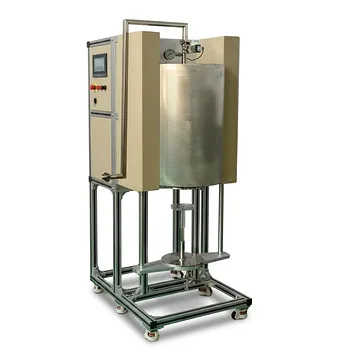
1200°C Atmosphere Controlled Automatic Bottom Loading Furnace with 6 Inch Quartz Tube
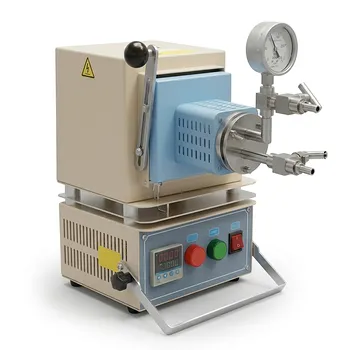
Compact Hybrid Muffle and Tube Furnace for 1000C Controlled Atmosphere Laboratory Material Sintering

Compact Vertical Split Quartz Tube Furnace with Stainless Steel Vacuum Flanges for Rapid Thermal Quenching and Controlled Atmosphere Material Processing
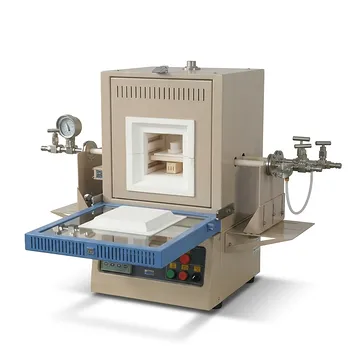
1700C Compact Hybrid Furnace with Dual Layer Box Sintering and Controlled Atmosphere Alumina Tubes
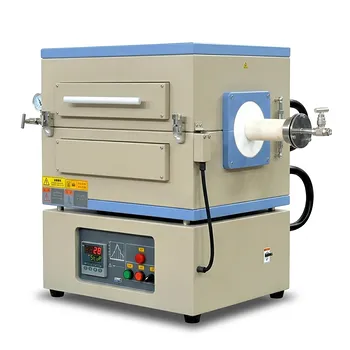
1500°C Split Tube Furnace with Alumina Tube and Vacuum Sealing Flanges for Material Research
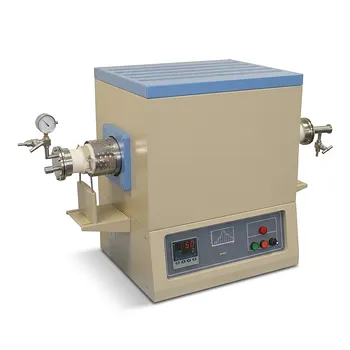
1700C High Temperature Alumina Tube Furnace with 18 Inch Heated Zone and Vacuum Sealing Flanges
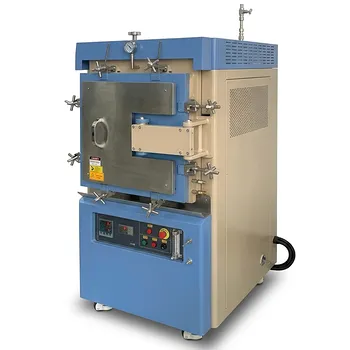
Atmosphere Controlled Muffle Furnace 1700C Maximum Temperature 80L High Capacity Vacuum Inert Gas Box Furnace

Vertical 1700C Vacuum and Atmosphere Tube Furnace with 80mm Alumina Tube
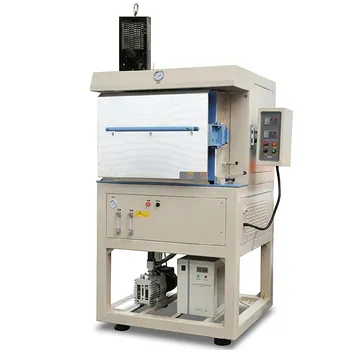
1200C Hydrogen Atmosphere Box Furnace with 5 Heated Sides and 64L Chamber

Three Zone Tube Furnace with 11 Inch or 15 Inch Quartz Tube and Hinged Flanges for Vacuum Atmosphere Heat Treatment
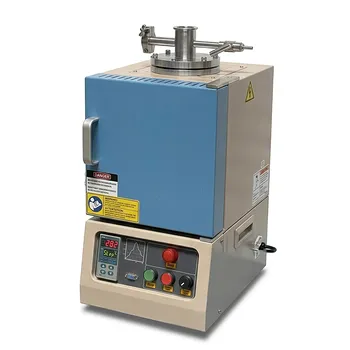
High Temperature Hybrid Muffle and Tube Furnace with Vacuum Capability and PID Control
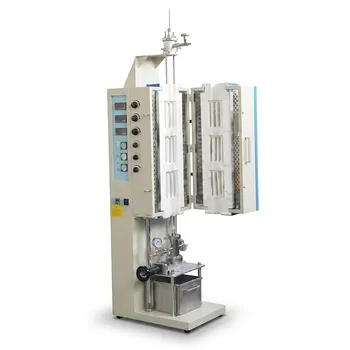
High Temperature Dual Zone Tube Furnace for Material Science Research and Professional Thermal Processing
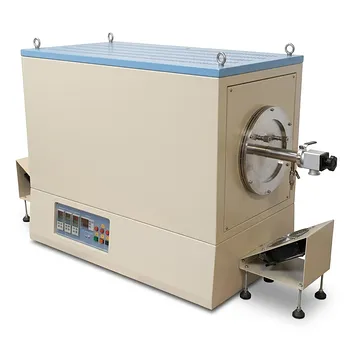
Four Zone Tube Furnace 1100C with 600mm Large Diameter Quartz Tube and Vacuum Flanges

High Temperature 1700C Tube Furnace with High Vacuum Turbomolecular Pump System and Multi Channel Mass Flow Controller Gas Mixer

1200°C 5 Inch Vertical Quartz Tube Furnace with Stainless Steel Vacuum Flanges
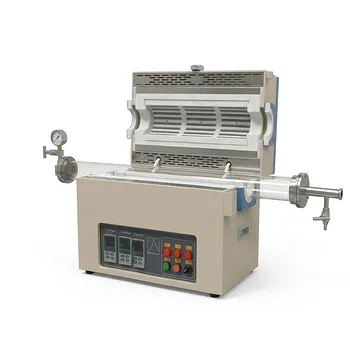
1200°C Three Zone Split Tube Furnace with 18 Inch Heating Length and Vacuum Flanges
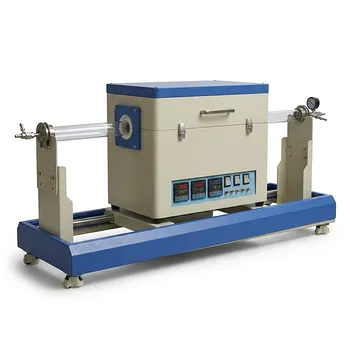
Double Temperature Zone Double Cover Tube Furnace for High Temperature CVD and Vacuum Annealing

High Temperature Automated 5 Inch Tube Furnace for Autonomous Material Research and Advanced Laboratory R&D
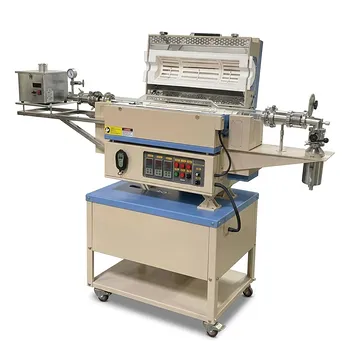
5 Inch Rotary Tube Furnace with Automatic Feeding and Receiving System 1200C Three Zone CVD Powder Processing
