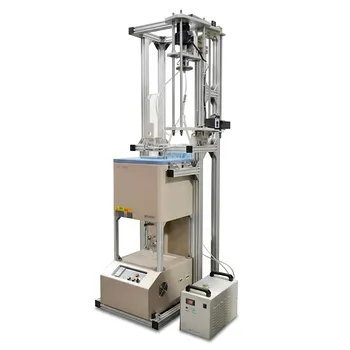
Why is a high-performance vacuum pump system essential during CVD? Ensure High-Purity Semiconductor Microstructures
Updated 3 months ago
A high-performance vacuum pump system is the foundation of successful Chemical Vapor Deposition (CVD) because it creates the pristine, low-pressure environment required for precise molecular growth. By eliminating atmospheric contaminants and stabilizing internal pressure, these systems ensure high crystal quality, prevent unwanted chemical reactions, and allow for the uniform coating of complex semiconductor microstructures.
Core Takeaway: The vacuum pump system acts as the primary governor of the CVD environment, managing both the purity of the reaction chamber and the physical behavior of precursor gases to ensure structural integrity and chemical consistency.
Establishing a High-Purity Reaction Environment
Elimination of Atmospheric Contaminants
Before the deposition process begins, the pump system must evacuate all residual air, oxygen, and moisture from the reaction tube. This step is vital to prevent the unintended oxidation of metal catalysts and precursor gases, which can lead to device failure or poor surface adhesion.
Prevention of Abnormal Chemical Cracking
In the growth of carbon-based microstructures like nanotubes or graphene, the presence of impurity gases can cause abnormal cracking of the carbon source. A high-performance vacuum ensures an "intrinsic" growth environment, meaning the resulting structures maintain their intended chemical properties without interference.
Deep Vacuum Purging Cycles
Industrial-grade systems often use a vacuum-purge cycle, alternating between deep evacuation and the introduction of inert gases like argon. This process minimizes the residual oxygen partial pressure to levels where sensitive substrates, such as copper, remain protected during high-temperature heating phases.
Optimizing Precursor Dynamics and Transport
Managing the Mean Free Path
The "mean free path" refers to the average distance a gas molecule travels before colliding with another. By maintaining low pressure, the vacuum pump increases the mean free path, allowing precursor vapors to travel further and more predictably toward the substrate.
Enhancing Coverage on Complex Geometries
When the mean free path is increased, precursor gases can penetrate deep into the pores of materials or coat objects with complex 3D shapes. This results in superior coverage uniformity compared to atmospheric pressure CVD, where gas molecules collide too frequently to reach recessed areas.
Facilitating Monomer Sublimation
Low-pressure environments significantly lower the boiling points of organic monomers and precursors. This allows for efficient sublimation at lower temperatures, ensuring a stable and consistent flux of vapor to the substrate surface for uniform film growth.
Controlling Reaction Kinetics and Morphology
Regulating Decomposition Rates
Precise pressure control allows engineers to regulate the decomposition rate of precursor gases. By fine-tuning the vacuum level (often between 10^-2 Torr and 500 Torr), the system dictates the final morphology and phase composition of the semiconductor nanoparticles.
Engineering Lattice Defects
In specific processes like Low-Pressure CVD (LP-CVD), the vacuum system can be used to induce or regulate sulfur vacancy defects. This level of control enables the in-situ engineering of the material's lattice, allowing for the "tuning" of the semiconductor's electrical properties during growth.
Ensuring Stable Growth Cycles
A high-performance pump maintains a stable growth environment throughout the entire cycle, which may last for several hours. This stability is critical for avoiding structural irregularities in micro-tripods and other complex semiconductor geometries.
Understanding the Trade-offs
Mechanical Complexity and Maintenance
High-performance dry pumps and high-precision vacuum systems require rigorous maintenance schedules. The accumulation of precursor byproducts inside the pump can lead to performance degradation or mechanical failure if not managed correctly.
Cost vs. Precision
While deeper vacuums (lower Torr) provide better purity and mean free path control, they require more expensive hardware and longer evacuation times. Balancing the required vacuum level with the desired throughput is a constant challenge in industrial semiconductor manufacturing.
Integration with Gas Delivery
A vacuum system is only as effective as its integration with the gas delivery units. If the pump is too powerful for the gas flow rate, it can create turbulence or uneven pressure zones, negatively impacting the uniformity of the microstructures.
How to Apply This to Your Project
Recommendations for System Implementation
The specific vacuum requirements for your CVD setup depend heavily on the sensitivity of your target material and the complexity of the microstructure.
- If your primary focus is high crystal purity: Prioritize a system capable of deep vacuum cycles (below 0.1 kPa) to eliminate all traces of oxygen and moisture before heating.
- If your primary focus is uniform coating of complex shapes: Invest in high-precision pressure controllers that maximize the mean free path of your precursor vapors.
- If your primary focus is defect engineering (e.g., MoS2): Ensure your pump system is integrated with real-time sensors to maintain the specific low-pressure kinetics required for vacancy regulation.
The vacuum pump system is not merely a peripheral component but the decisive factor in the chemical and structural success of the CVD process.
Summary Table:
| Key Vacuum Function | Impact on CVD Process | Benefit to Microstructures |
|---|---|---|
| Purity Control | Eliminates oxygen/moisture | Prevents oxidation and abnormal chemical cracking. |
| Precursor Dynamics | Increases "mean free path" | Ensures uniform coating on complex 3D shapes and pores. |
| Kinetic Regulation | Controls decomposition rates | Enables precise lattice defect engineering and morphology. |
| Thermal Efficiency | Lowers precursor boiling points | Facilitates stable sublimation and vapor flux at lower temperatures. |
Optimize Your CVD Process with THERMUNITS
Are you looking to achieve superior precision in your semiconductor research? At THERMUNITS, we specialize in providing the high-performance thermal environments necessary for cutting-edge material science. As a leading manufacturer of high-temperature laboratory equipment, we offer a comprehensive range of solutions including CVD/PECVD systems, Vacuum and Atmosphere Furnaces, Tube and Rotary Furnaces, and Hot Press systems.
Our equipment is engineered to meet the rigorous demands of industrial R&D, ensuring the stable vacuum levels and precise temperature control your projects require. Whether you are working on nanotubes, graphene, or complex semiconductor films, we have the expertise to enhance your lab's efficiency.
Ready to elevate your heat treatment capabilities?
Contact our expert team today to discuss your specific requirements and discover how our advanced thermal solutions can drive your innovation forward.
References
- Xiaohang Song, Johnny C. Ho. Red–Green–Blue Light Emission from Composition Tunable Semiconductor Micro‐Tripods. DOI: 10.1002/adfm.202403135
Mentioned Products
- 1200C Max Compact Auto-Sliding PECVD Furnace with 2 Inch Tube and Vacuum Pump
- Split Chamber CVD Tube Furnace with Vacuum Station Chemical Vapor Deposition System Machine
- Vertical Openable Tube Furnace 0-1700c High Temperature Laboratory System for CVD and Vacuum Heat Treatment
- Dual Tube 100mm 80mm CVD Sliding Furnace with 4 Channel Gas Mixing and Vacuum System
- Chemical Vapor Deposition CVD System Slide PECVD Tube Furnace with Liquid Gasifier PECVD Machine
People Also Ask
- How do CVD furnace cooling rates influence graphene-platinum residual stress? Optimize Material Quality
- What role does hydrogen play in PECVD films for solar? Enhancing Passivation and Efficiency
- How PECVD Creates Oxygen Vacancies in Co3O4 Nanosheets: A Guide to Precision Defect Engineering
- What is the primary technical difference between PECVD and conventional thermal CVD? Understanding Energy & Temperature
- What are the specific advantages of using PECVD compared to thermal CVD? Low-Temp Solutions for Thin-Film Growth

Tech Team · ThermUnits
Last updated on Jun 03, 2026
Related Products
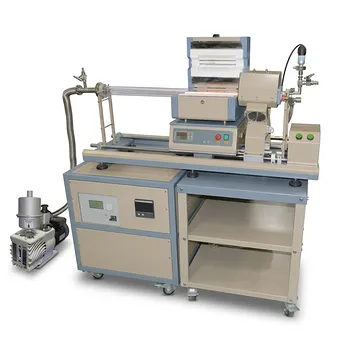
1200C Max Compact Auto-Sliding PECVD Furnace with 2 Inch Tube and Vacuum Pump
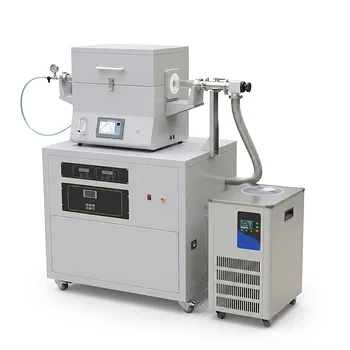
Split Chamber CVD Tube Furnace with Vacuum Station Chemical Vapor Deposition System Machine
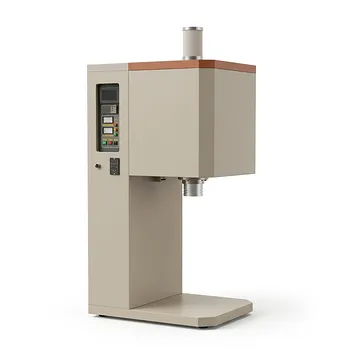
Vertical Openable Tube Furnace 0-1700c High Temperature Laboratory System for CVD and Vacuum Heat Treatment
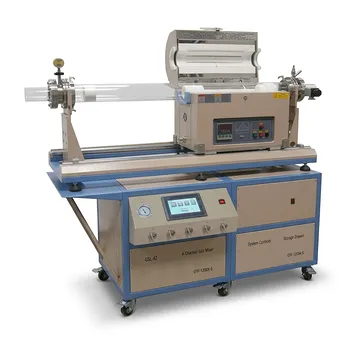
Dual Tube 100mm 80mm CVD Sliding Furnace with 4 Channel Gas Mixing and Vacuum System
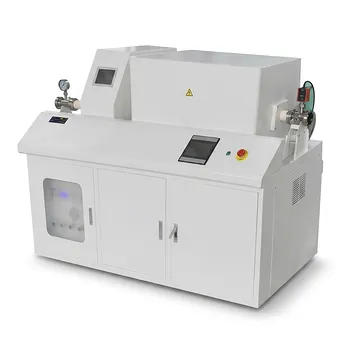
Chemical Vapor Deposition CVD System Slide PECVD Tube Furnace with Liquid Gasifier PECVD Machine
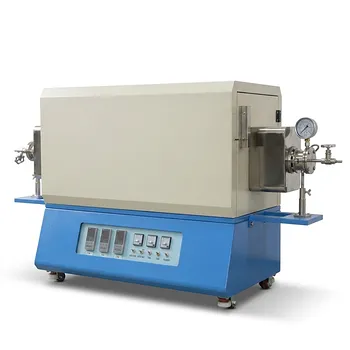
Three Temperature Zone High Temperature Vacuum Tube Furnace for CVD and Material Sintering
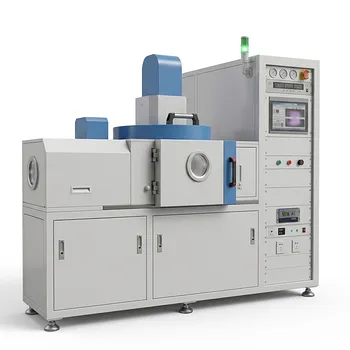
Radio Frequency Plasma Enhanced Chemical Vapor Deposition RF PECVD System for Laboratory and Industrial Thin Film Growth
Cylindrical Resonator MPCVD Machine System for Microwave Plasma Chemical Vapor Deposition and Lab Diamond Growth
915MHz MPCVD Diamond Machine Microwave Plasma Chemical Vapor Deposition System Reactor
High Temperature Dual Zone Vacuum Tube Furnace for Material Research and CVD Processing
Multi Heating Zones CVD Tube Furnace System for Precision Chemical Vapor Deposition and Advanced Material Synthesis
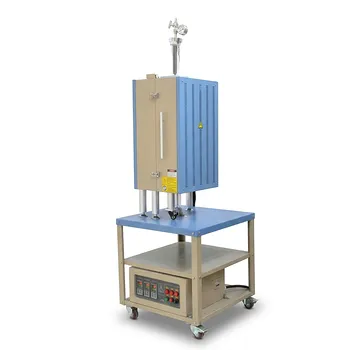
1200C Three Zone Vertical Tube Furnace with 2 Inch Quartz Tube and Vacuum Flanges
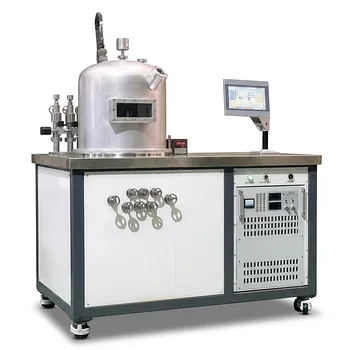
HFCVD Machine System for Nano Diamond Coating on Drawing Dies and Industrial Tools
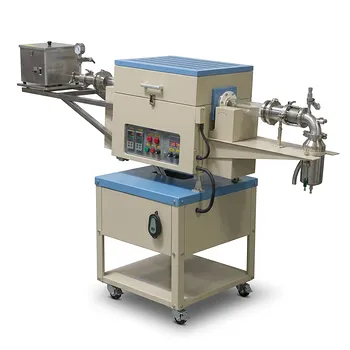
Two Zone Rotary CVD Furnace with Automatic Feeding and Receiving System for Powder Processing
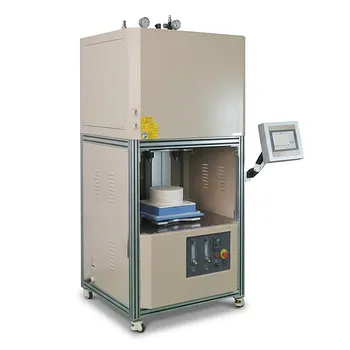
High Temperature Vertical Atmosphere Controlled Furnace 1700C Automatic Bottom Loading 13 Liter Vacuum Thermal System
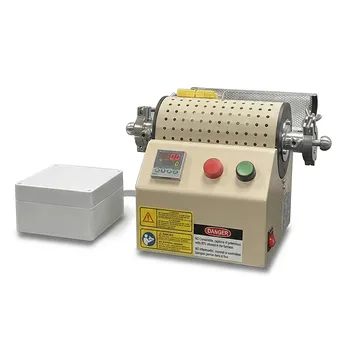
1000C Mini Tube Furnace with 20mm Quartz Tube and Vacuum Flanges for Material Science Research and Controlled Atmosphere Small Sample Processing
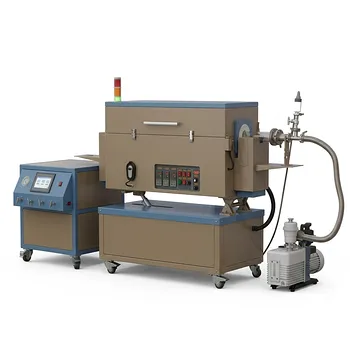
5 Inch Three Zone Rotary Tube Furnace with Integrated Gas Delivery System and 1200C Capability for Advanced Material CVD Processing
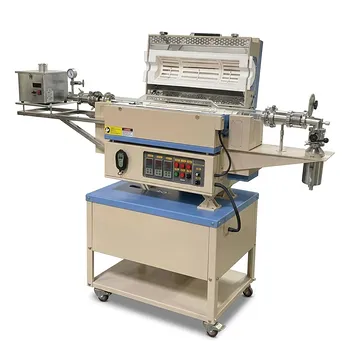
5 Inch Rotary Tube Furnace with Automatic Feeding and Receiving System 1200C Three Zone CVD Powder Processing
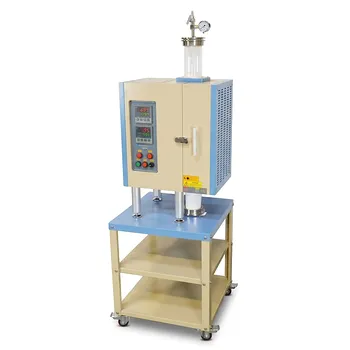
1100°C Dual Zone Split Vertical Tube Furnace with 4 Inch Quartz Tube and Vacuum Sealing Flanges