How PECVD Creates Oxygen Vacancies in Co3O4 Nanosheets: A Guide to Precision Defect Engineering
Updated 5 months ago
PECVD utilizes high-energy hydrogen ($H_2$) plasma to selectively strip oxygen atoms from the $Co_3O_4$ crystal lattice. This process creates controlled surface defects known as oxygen vacancies, which fundamentally alter the material's electronic structure. By manipulating the plasma environment, engineers can precisely tune these defects to enhance light-to-heat conversion and electronic conductivity.
PECVD serves as a high-precision tool for "defect engineering," using reactive hydrogen plasma to remove oxygen atoms from cobalt oxide nanosheets. This targeted removal narrows the material's bandgap, significantly increasing its ability to absorb near-infrared light and convert it into thermal energy.
The Mechanism of Oxygen Vacancy Formation
High-Energy Hydrogen Plasma Interactions
A PECVD system generates a reactive environment where high-energy hydrogen ($H_2$) particles collide with the surface of the cobalt oxide nanosheets. These energetic ions and radicals provide the necessary kinetic and chemical energy to break existing atomic bonds within the material.
Selective Lattice De-oxygenation
The hydrogen plasma specifically targets and selectively removes oxygen atoms from the $Co_3O_4$ crystal lattice. This process leaves behind "holes" or vacancies where oxygen once resided, effectively transforming the chemical stoichiometry of the nanosheet surface.
Controlled Surface Defect Production
Unlike bulk chemical treatments, PECVD allows for the efficient and controlled production of these defects. The intensity and duration of the plasma exposure determine the density of the vacancies, giving researchers a "knob" to turn for specific material properties.
Impact on Optical and Thermal Performance
Narrowing the Electronic Bandgap
The introduction of oxygen vacancies creates new energy states within the material's electronic structure, which narrows the bandgap. A narrower bandgap allows the electrons to be excited by lower-energy photons, changing how the material interacts with the electromagnetic spectrum.
Enhanced Near-Infrared (NIR) Absorption
Because the bandgap is reduced, the $Co_3O_4$ nanosheets exhibit a significantly enhanced absorption of near-infrared light. This is a critical transformation for applications requiring the capture of solar energy beyond the visible spectrum.
Improved Photothermal Conversion Efficiency
The ultimate benefit of these plasma-induced vacancies is a dramatic increase in photothermal conversion efficiency. By absorbing more light and facilitating faster energy relaxation pathways, the nanosheets become much more effective at converting light into heat.
The Structural Advantages of PECVD
Low-Temperature Material Synthesis
PECVD systems use plasma to drive chemical reactions, which lowers the required processing temperature compared to standard thermal CVD. This capability is essential when working with heat-sensitive substrates that might otherwise degrade or melt.
Directional Growth and Uniformity
The system provides a directional electric field that guides the interaction between the plasma and the nanosheets. This results in a more uniform distribution of oxygen vacancies across the surface, ensuring consistent performance across the entire material.
Understanding the Trade-offs
Risk of Lattice Over-Etching
While oxygen vacancies improve performance, excessive exposure to high-energy plasma can lead to lattice instability. If too many oxygen atoms are removed, the crystal structure of the $Co_3O_4$ may collapse, resulting in a loss of the nanosheet morphology.
Balancing Defect Density and Conductivity
There is a delicate balance between creating enough vacancies to narrow the bandgap and maintaining enough structural integrity for long-term stability. Over-engineered materials may exhibit high initial performance but suffer from rapid degradation during operational cycles.
How to Apply This to Your Project
Recommendations for Material Optimization
- If your primary focus is maximized NIR absorption: Prioritize a higher $H_2$ plasma density to increase vacancy concentration, while monitoring the lattice for signs of amorphization.
- If your primary focus is substrate integrity: Utilize the low-temperature capabilities of PECVD to introduce vacancies without exposing the underlying base material to damaging thermal stress.
- If your primary focus is structural consistency: Leverage the directional electric fields within the PECVD chamber to ensure oxygen vacancies are distributed evenly across the nanosheet surface.
By precisely controlling the plasma-surface interaction, PECVD transforms cobalt oxide from a standard semiconductor into a high-performance photothermal agent.
Summary Table:
| Key Feature | Mechanism | Primary Benefit |
|---|---|---|
| Hydrogen Plasma | Selective stripping of oxygen atoms from the lattice | Precise creation of surface defects |
| Bandgap Tuning | Narrowing electronic bandgap via vacancies | Significantly enhanced NIR light absorption |
| Low-Temp Processing | Plasma-driven chemical reactions | Protection of heat-sensitive substrates |
| Directional Field | Guided ion and radical interaction | Uniform vacancy distribution across surface |
| Defect Control | Adjustable plasma intensity and duration | Optimized photothermal conversion efficiency |
Advance Your Material Research with THERMUNITS
Are you looking to master defect engineering for high-performance nanomaterials? THERMUNITS is a leading manufacturer of high-temperature laboratory equipment for material science and industrial R&D. Our advanced CVD/PECVD systems provide the precision environment required to tune oxygen vacancies in $Co_3O_4$ nanosheets and other advanced semiconductors.
Beyond PECVD, we offer a comprehensive range of thermal processing solutions, including Muffle, Vacuum, Atmosphere, Tube, and Rotary Furnaces, as well as Vacuum Induction Melting (VIM) and Thermal Elements. Whether you are optimizing solar energy capture or developing new catalysts, our equipment ensures the reliability and accuracy your research demands.
Ready to elevate your lab's capabilities? Contact the technical experts at THERMUNITS today to find the perfect thermal solution for your project!
References
- Jinteng Qi, Yunfeng Qiu. Polydopamine-Coated Copper-Doped Co3O4 Nanosheets Rich in Oxygen Vacancy on Titanium and Multimodal Synergistic Antibacterial Study. DOI: 10.3390/ma17092019
Mentioned Products
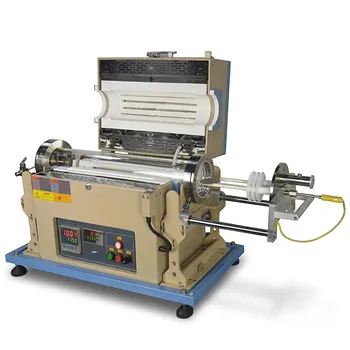
- Chemical Vapor Deposition CVD System Slide PECVD Tube Furnace with Liquid Gasifier PECVD Machine
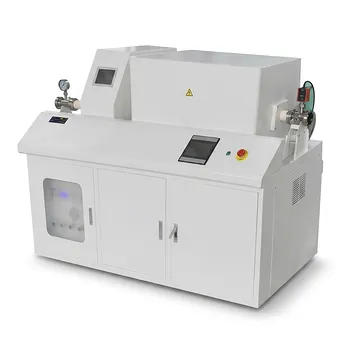
- Inclined Rotary Plasma Enhanced Chemical Vapor Deposition PECVD System for Thin Film Deposition and Nanomaterial Synthesis
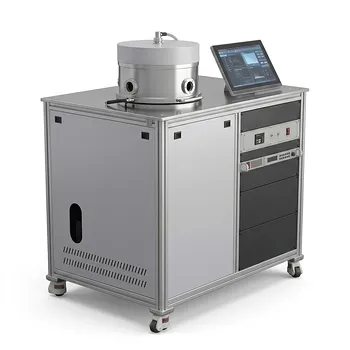
- Radio Frequency Plasma Enhanced Chemical Vapor Deposition RF PECVD System for Laboratory and Industrial Thin Film Growth
- 1200C Max Compact Auto-Sliding PECVD Furnace with 2 Inch Tube and Vacuum Pump
- 1200C Dual Sliding Tube Furnace with Dual Tubes and Flanges for PECVD Processes
People Also Ask
- What are the advantages of PECVD systems for nano flame retardant films? Protect Heat-Sensitive Polymers with Precision
- How does a sliding rail design benefit the CVD process within a furnace ventilation hood? Enhance Control & Quenching
- What is the role of CVD/PECVD systems in the research of optoelectronic materials and functional coatings? Expert Guide
- How does PECVD differ from conventional thermal CVD? Key Advantages of Low-Temperature Deposition for R&D
- What role do by-product desorption and evacuation play in CVD film quality? Key Factors for High-Purity Films

Tech Team · ThermUnits
Last updated on Apr 14, 2026
Related Products
Chemical Vapor Deposition CVD System Slide PECVD Tube Furnace with Liquid Gasifier PECVD Machine
Inclined Rotary Plasma Enhanced Chemical Vapor Deposition PECVD System for Thin Film Deposition and Nanomaterial Synthesis
Radio Frequency Plasma Enhanced Chemical Vapor Deposition RF PECVD System for Laboratory and Industrial Thin Film Growth
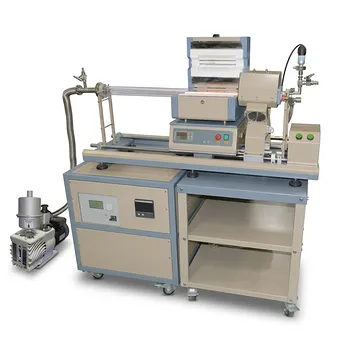
1200C Max Compact Auto-Sliding PECVD Furnace with 2 Inch Tube and Vacuum Pump
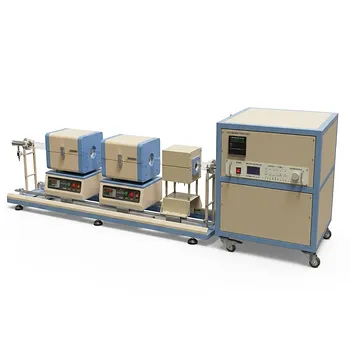
1200C Dual Sliding Tube Furnace with Dual Tubes and Flanges for PECVD Processes
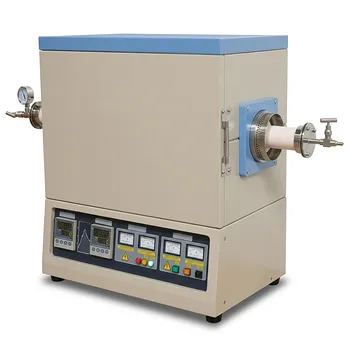
High Temperature 1700C Dual Zone Tube Furnace for Material Science and Industrial Chemical Vapor Deposition Research
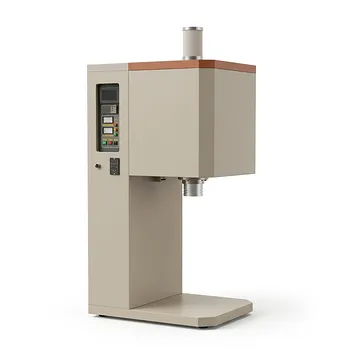
Vertical Openable Tube Furnace 0-1700c High Temperature Laboratory System for CVD and Vacuum Heat Treatment
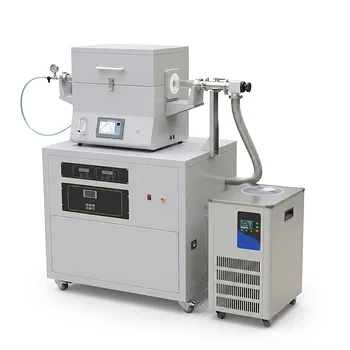
Split Chamber CVD Tube Furnace with Vacuum Station Chemical Vapor Deposition System Machine
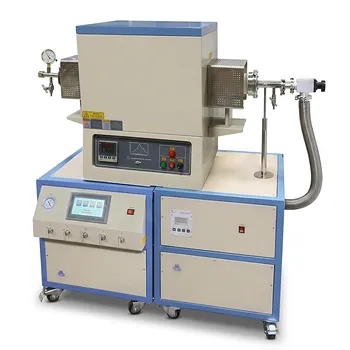
High Temperature 1700C Tube Furnace with High Vacuum Turbomolecular Pump System and Multi Channel Mass Flow Controller Gas Mixer
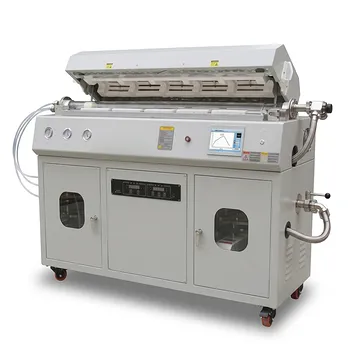
Multi Heating Zones CVD Tube Furnace System for Precision Chemical Vapor Deposition and Advanced Material Synthesis
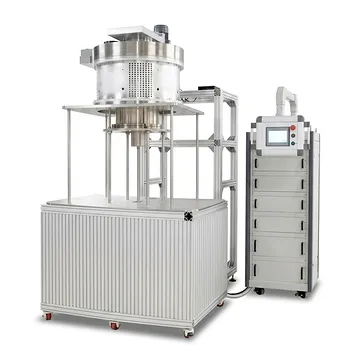
915MHz MPCVD Diamond Machine Microwave Plasma Chemical Vapor Deposition System Reactor
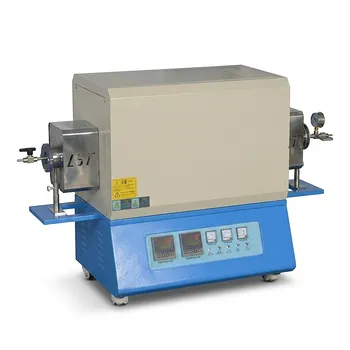
High Temperature Dual Zone Vacuum Tube Furnace for Material Research and CVD Processing
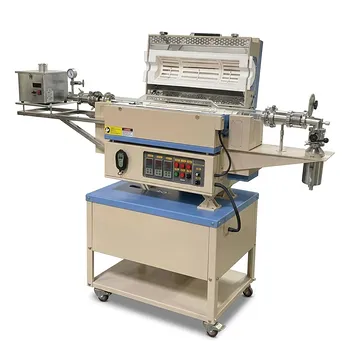
5 Inch Rotary Tube Furnace with Automatic Feeding and Receiving System 1200C Three Zone CVD Powder Processing
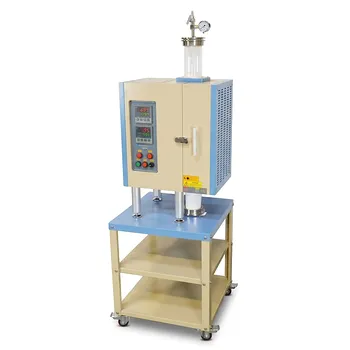
1100°C Dual Zone Split Vertical Tube Furnace with 4 Inch Quartz Tube and Vacuum Sealing Flanges
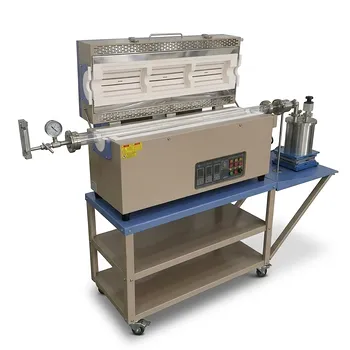
5 Inch Two Zone Rotary Tube Furnace 1100C for Powder CVD and Material Synthesis
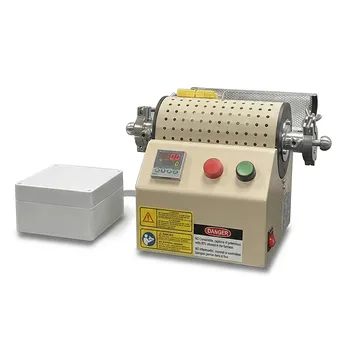
1000C Mini Tube Furnace with 20mm Quartz Tube and Vacuum Flanges for Material Science Research and Controlled Atmosphere Small Sample Processing
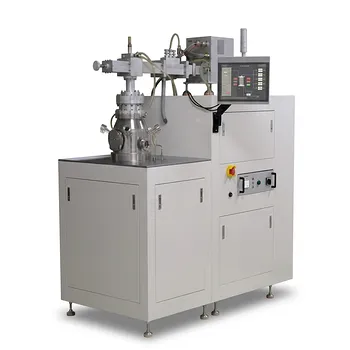
Cylindrical Resonator MPCVD Machine System for Microwave Plasma Chemical Vapor Deposition and Lab Diamond Growth
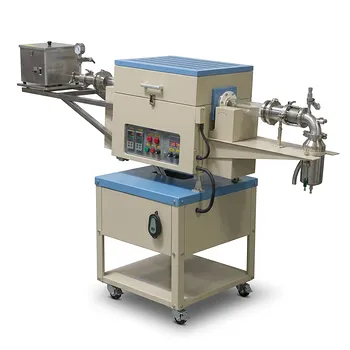
Two Zone Rotary CVD Furnace with Automatic Feeding and Receiving System for Powder Processing
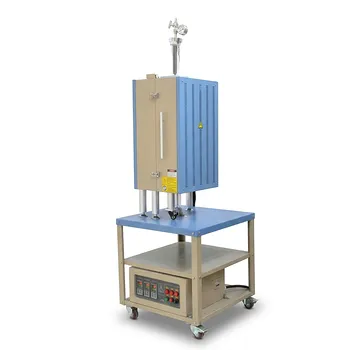
1200C Three Zone Vertical Tube Furnace with 2 Inch Quartz Tube and Vacuum Flanges