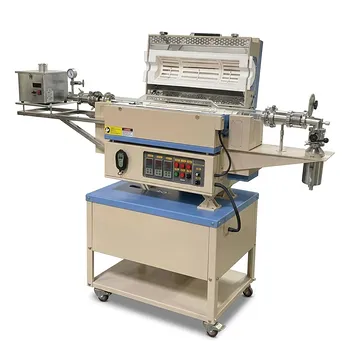
Why is a high-precision MFC required in the CVD process for diamond growth? Achieve Precision Synthesis
Updated 3 months ago
Precision gas control is the foundation of high-quality synthetic diamond synthesis. High-precision Mass Flow Controllers (MFCs) are required to accurately regulate the composition ratios of reaction gases, such as 1% methane in hydrogen mixtures and parts-per-million (PPM) levels of dopants like diborane. This granular control directly determines the diamond's growth rate, crystal purity, and the specific electrical characteristics of the final material.
High-precision MFCs are the critical gatekeepers of stoichiometry in the CVD process, ensuring that gas ratios remain stable enough to facilitate the transition of diamond from a semiconductor to a metallic or superconducting state. Without this level of accuracy, the resulting crystal would lack the structural integrity and specific electronic properties required for advanced industrial applications.
Precise Control of Growth Kinetics
Maintaining the Methane-to-Hydrogen Balance
In diamond CVD, the ratio between the carbon source (methane) and the carrier gas (hydrogen) is incredibly narrow, often requiring methane to be kept at exactly 1%. Small fluctuations in this ratio can lead to the deposition of amorphous carbon or graphite instead of the desired diamond lattice.
Managing Precursor Flux and Residence Time
The MFC regulates the velocity at which gases enter the reaction chamber, which dictates the residence time of reactants on the substrate. Proper flow rates ensure a stable and continuous supply of carbon atoms, preventing growth stagnation caused by insufficient carbon or "starvation" of the catalyst surface.
Ensuring Uniform Crystal Nucleation
High-precision control enables a uniform distribution of crystal nuclei across the substrate surface. This consistency is vital for growing large-area diamond films that maintain uniform thickness and structural integrity across the entire deposition area.
Fine-Tuning Material Properties Through Doping
Achieving PPM-Level Doping Accuracy
To change the electrical properties of a diamond, dopants like diborane must be introduced at parts-per-million (PPM) levels. High-precision MFCs are the only tools capable of maintaining these minute flow rates with the stability required to ensure even distribution within the crystal lattice.
Facilitating Electronic State Transitions
The depth and concentration of boron atoms within the diamond lattice determine its state as either a semiconductor, a metal, or a superconductor. Precise feedback control via the MFC allows researchers to engineer these transitions with nanometer-scale accuracy.
Controlling Defect Density
Beyond electrical properties, gas flow stability influences the structural defect density of the grown diamond. By optimizing gas proportions, the MFC helps maintain a strong reducing atmosphere, which is critical for minimizing lattice imperfections and maximizing flake size in related carbon structures.
Understanding the Trade-offs and Challenges
The Complexity of Low-Flow Accuracy
While high-precision MFCs offer unmatched control, they are highly sensitive to environmental factors like temperature and pressure fluctuations. Achieving accuracy at PPM levels requires rigorous calibration and high-quality sensors, which increases the initial cost and maintenance requirements of the CVD system.
Risk of Sensor Drift and Contamination
Over time, MFC sensors can experience "drift," leading to subtle changes in gas ratios that may go unnoticed until the diamond quality degrades. Additionally, using MFCs with reactive or corrosive precursor gases (like certain halides or sulfur-based gases) requires specialized materials to prevent internal corrosion and subsequent flow inconsistencies.
Applying MFC Precision to Your Growth Goals
Selecting the Right Control Strategy
- If your primary focus is high-purity industrial diamonds: Prioritize MFCs with the highest repeatable accuracy for methane/hydrogen ratios to prevent graphitic inclusions.
- If your primary focus is diamond-based electronics: Invest in specialized low-flow MFCs designed for PPM-level dopant injection to ensure precise control over semiconductor properties.
- If your primary focus is large-area film uniformity: Ensure your MFCs are integrated with a robust feedback loop to maintain consistent pressure and concentration distributions across the entire chamber.
Ultimately, the high-precision MFC transforms a volatile chemical reaction into a predictable, reproducible manufacturing process for the world’s most demanding material.
Summary Table:
| Feature Controlled | Importance in CVD Process | Impact on Diamond Quality |
|---|---|---|
| CH4/H2 Ratio | Maintains strict 1% methane balance | Prevents graphite and amorphous carbon |
| Precursor Flux | Regulates reactant residence time | Ensures uniform growth and thickness |
| Dopant Injection | Manages PPM-level gas flow (e.g., Boron) | Determines semiconductor vs. metallic state |
| Flow Stability | Creates a strong reducing atmosphere | Minimizes lattice defects and imperfections |
Elevate Your Material Research with THERMUNITS
Precise gas control is the heartbeat of successful diamond synthesis. As a leading manufacturer of high-temperature laboratory equipment, THERMUNITS offers state-of-the-art CVD/PECVD systems, Vacuum Induction Melting (VIM) furnaces, and a full range of atmosphere and tube furnaces designed for the most demanding industrial R&D.
Whether you are engineering next-generation semiconductors or high-purity industrial diamonds, our thermal processing solutions provide the stability and precision your lab requires.
Ready to optimize your thermal processes? Contact our engineering team today to discuss your specific requirements and see how THERMUNITS can bring superior control to your laboratory.
References
- Gufei Zhang, Paul May. Annealing-induced evolution of boron-doped polycrystalline diamond. DOI: 10.1103/physrevmaterials.8.044802
Mentioned Products
- Cylindrical Resonator MPCVD Machine System for Microwave Plasma Chemical Vapor Deposition and Lab Diamond Growth
- HFCVD Machine System for Nano Diamond Coating on Drawing Dies and Industrial Tools
- 915MHz MPCVD Diamond Machine Microwave Plasma Chemical Vapor Deposition System Reactor
- 1200C Sliding Tube Furnace for Rapid Thermal Processing and CVD Graphene Growth with 100mm OD Capacity
- Dual Tube 100mm 80mm CVD Sliding Furnace with 4 Channel Gas Mixing and Vacuum System
People Also Ask
- How does the high concentration of atomic hydrogen in MPCVD benefit diamond growth? The Key to Gem-Grade Quality.
- What are the typical operating pressure ranges and vacuum requirements for MPCVD systems? Optimize Your Material Growth
- What technical parameters are critical for optimizing the growth of single-crystal diamonds in MPCVD systems? Expert Guide
- What are the technical advantages of the electrodeless plasma design in MPCVD systems? Purity & Precision in Synthesis
- How does the versatility of gas compatibility in MPCVD systems compare to filament-based CVD methods? Purity & Doping.

Tech Team · ThermUnits
Last updated on Jun 03, 2026
Related Products
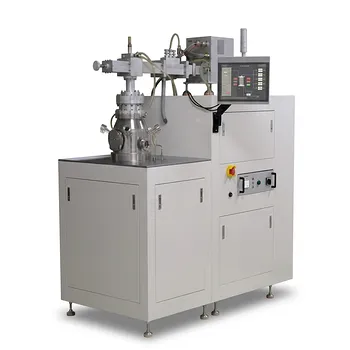
Cylindrical Resonator MPCVD Machine System for Microwave Plasma Chemical Vapor Deposition and Lab Diamond Growth
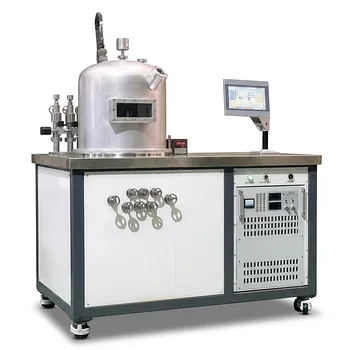
HFCVD Machine System for Nano Diamond Coating on Drawing Dies and Industrial Tools
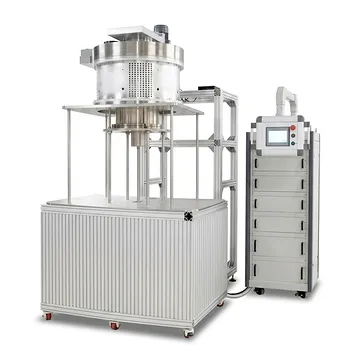
915MHz MPCVD Diamond Machine Microwave Plasma Chemical Vapor Deposition System Reactor
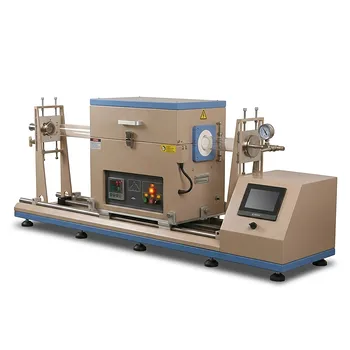
1200C Sliding Tube Furnace for Rapid Thermal Processing and CVD Graphene Growth with 100mm OD Capacity
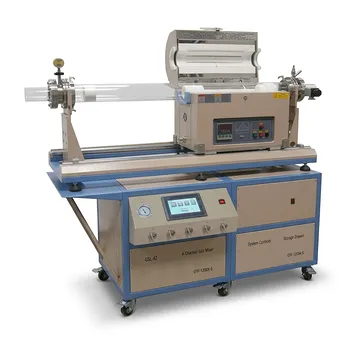
Dual Tube 100mm 80mm CVD Sliding Furnace with 4 Channel Gas Mixing and Vacuum System
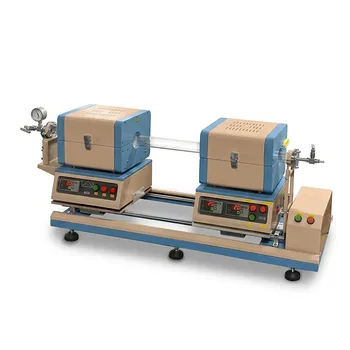
High Temperature 1200C Automatic Sliding Dual Zone Tube Furnace for 2D Transition Metal Dichalcogenides Growth and Material Sublimation Research
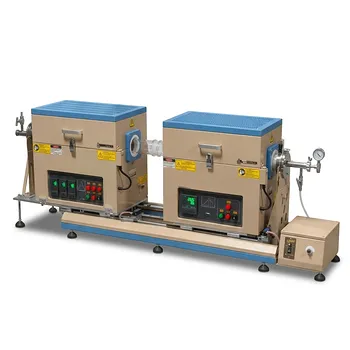
1200C Dual Temperature Zone Slidable Tube Furnace for 2D Material Growth and TCVD Synthesis
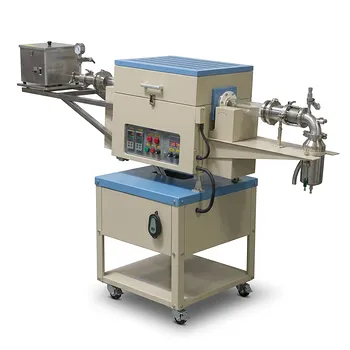
Two Zone Rotary CVD Furnace with Automatic Feeding and Receiving System for Powder Processing
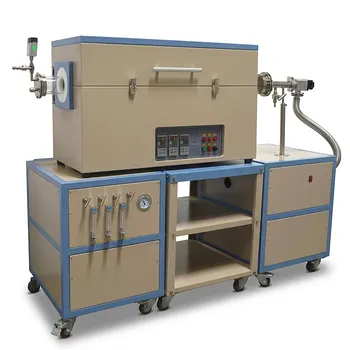
Three Zone Quartz Tube Furnace with 3 Channel Gas Mixer Vacuum Pump and Anti Corrosive Vacuum Gauge
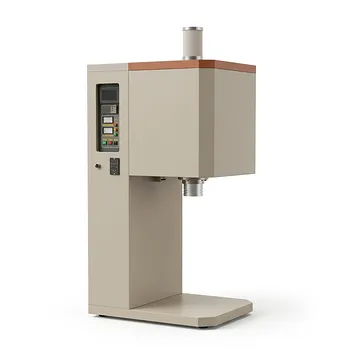
Vertical Openable Tube Furnace 0-1700c High Temperature Laboratory System for CVD and Vacuum Heat Treatment
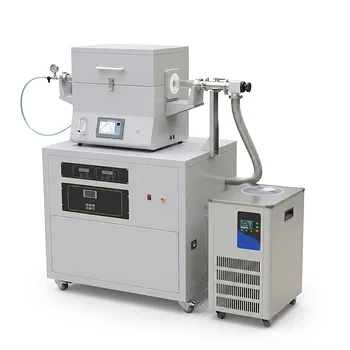
Split Chamber CVD Tube Furnace with Vacuum Station Chemical Vapor Deposition System Machine
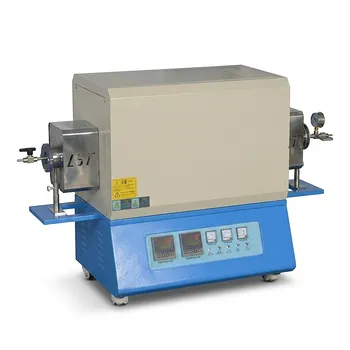
High Temperature Dual Zone Vacuum Tube Furnace for Material Research and CVD Processing
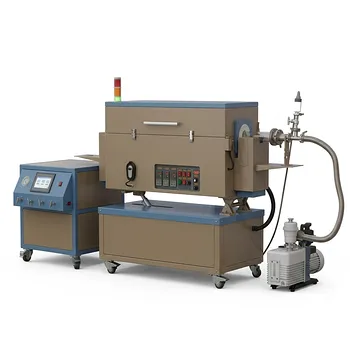
5 Inch Three Zone Rotary Tube Furnace with Integrated Gas Delivery System and 1200C Capability for Advanced Material CVD Processing
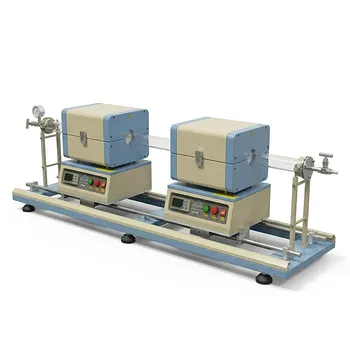
1200C Max Dual Sliding Tube Furnace with 50 mm Tube Flanges for CVD
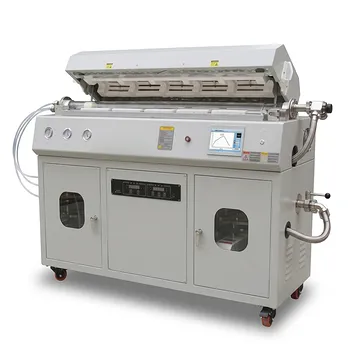
Multi Heating Zones CVD Tube Furnace System for Precision Chemical Vapor Deposition and Advanced Material Synthesis
5 Inch Two Zone Rotary Tube Furnace 1100C for Powder CVD and Material Synthesis
1500C 3-Zone Rotary Tube Furnace 60mm with Automatic Powder Feeding and Receiving System for Continuous Material Synthesis
Three Temperature Zone High Temperature Vacuum Tube Furnace for CVD and Material Sintering