What are the physical characteristics of the plasma generated in an MPCVD reactor? Expert Guide to CVD Plasma States
Updated 5 months ago
The plasma in a Microwave Plasma Chemical Vapor Deposition (MPCVD) reactor is a non-equilibrium, weakly ionized discharge. It is defined by an electron density ranging from $10^{10}$ to $10^{12} \text{ cm}^{-3}$ and a significant temperature disparity between electrons and neutral gas particles. While the core gas temperature typically reaches 2000 to 4000 °C, the electrons maintain much higher energy levels, allowing the plasma to drive complex chemical reactions without requiring the entire chamber to reach thermal equilibrium.
MPCVD plasma acts as a non-thermal catalyst, using high-frequency microwave energy to accelerate electrons that dissociate gas molecules into reactive radicals. This unique state enables high-precision material growth by decoupling chemical reactivity from the bulk thermal state of the reactor.
The Non-Equilibrium State of MPCVD Plasma
Distinct Thermal Gradients
The most critical physical trait of this plasma is its non-equilibrium nature. This means the "temperature" of the electrons is drastically higher than the temperature of the heavy particles (ions and neutral molecules).
In the plasma core, the heavy-particle gas temperature is maintained between 2000 and 4000 °C. This heat is sufficient for surface reactions but low enough to prevent the destruction of the reactor components.
Weakly Ionized Discharge
MPCVD plasma is classified as weakly ionized, meaning only a small fraction of the gas molecules are stripped of their electrons. The electron density typically sits between $10^{10}$ and $10^{12} \text{ cm}^{-3}$.
Despite this low ionization fraction, the density is high enough to sustain a stable, high-intensity discharge. This stability is vital for the uniform deposition of materials like synthetic diamond.
Energy Transfer and Microwave Coupling
The Role of 2.45 GHz Frequency
The plasma is generated by applying microwave energy, most commonly at a frequency of 2.45 GHz. This frequency establishes a high-intensity oscillating electric field within the reactor chamber.
Free electrons within the gas respond to this field with rapid acceleration. Because they are light, they can follow the high-frequency oscillations, gaining kinetic energy that they then transfer to the rest of the gas.
Inelastic Collisions and Ionization
Energy transfer occurs through inelastic collisions between the accelerated electrons and neutral gas molecules. These collisions are the primary mechanism for maintaining the plasma.
When an electron strikes a molecule with sufficient force, it can either ionize the molecule (creating a new free electron) or dissociate it. This continuous cycle ensures the plasma remains self-sustaining during the deposition process.
Chemical Composition and Radical Generation
Molecular Dissociation Processes
The physical energy of the plasma is used to break stable molecular bonds in the feed gases. In typical diamond growth, these gases include hydrogen ($H_2$) and methane ($CH_4$).
The plasma dissociates these stable molecules into reactive fragments. This process is essential because it creates the building blocks necessary for crystal growth that would not exist at these temperatures under standard conditions.
The Density of Reactive Radicals
A key characteristic of the MPCVD plasma is its high concentration of atomic hydrogen and hydrocarbon radicals. Atomic hydrogen is particularly important as it etched away non-diamond carbon, ensuring the purity of the deposited film.
Because the plasma is localized above the substrate, these radicals are generated exactly where they are needed. This spatial control is a primary advantage of the microwave delivery system.
Understanding the Trade-offs
Plasma Localization and Uniformity
While the localized nature of the plasma allows for high energy density, it can lead to non-uniformity over large areas. Maintaining a stable "plasma ball" shape requires precise control over pressure and microwave tuning.
Thermal Management Requirements
Even though the plasma is "non-thermal" in a physics sense, the 2000 to 4000 °C core temperature still generates significant heat. Reactors require robust water-cooling systems to prevent the chamber walls from overheating or outgassing impurities.
Optimizing Plasma for Your Project
How to Apply This to Your Process
To achieve the best results in an MPCVD system, you must balance power input with gas pressure to stabilize these physical characteristics.
- If your primary focus is High Growth Rate: Increase microwave power and pressure to boost electron density and radical production, though this increases thermal stress on the substrate.
- If your primary focus is Material Purity: Optimize the hydrogen dissociation rate by maintaining a stable, medium-density plasma that maximizes atomic hydrogen production for selective etching.
- If your primary focus is Large-Area Uniformity: Use lower pressures to allow the plasma discharge to expand, though this typically results in a lower electron density and slower growth.
By mastering the balance between electron energy and gas temperature, you can tailor the MPCVD environment for virtually any high-performance carbon application.
Summary Table:
| Characteristic | Value / Range | Significance |
|---|---|---|
| Plasma State | Non-equilibrium, Weakly Ionized | Decouples chemical reactivity from bulk thermal state |
| Electron Density | $10^{10}$ to $10^{12} \text{ cm}^{-3}$ | Sustains stable, high-intensity discharge for growth |
| Core Gas Temp | 2000 to 4000 °C | Provides energy for surface reactions and dissociation |
| Frequency | 2.45 GHz | Efficient microwave coupling and electron acceleration |
| Key Radicals | Atomic H, Hydrocarbon fragments | Essential for growth and selective etching (purity) |
Elevate Your Research with THERMUNITS Solutions
As a leading manufacturer of high-temperature laboratory equipment for material science and industrial R&D, THERMUNITS provides the precision tools you need for advanced thermal processing. Our comprehensive range includes specialized CVD/PECVD systems, Muffle, Vacuum, and Tube furnaces, as well as Hot Press and Vacuum Induction Melting (VIM) systems designed to meet the rigorous demands of plasma research and material growth.
Ready to optimize your MPCVD or heat treatment process? Contact our technical team today to discuss how our high-performance equipment can enhance your laboratory’s efficiency and material purity.
Mentioned Products
- Cylindrical Resonator MPCVD Machine System for Microwave Plasma Chemical Vapor Deposition and Lab Diamond Growth
- 915MHz MPCVD Diamond Machine Microwave Plasma Chemical Vapor Deposition System Reactor
- Multi Heating Zones CVD Tube Furnace System for Precision Chemical Vapor Deposition and Advanced Material Synthesis
- Versatile Chemical Vapor Deposition Tube Furnace System for Advanced Material Research and Industrial Coating Processes
- Inclined Rotary Plasma Enhanced Chemical Vapor Deposition PECVD System for Thin Film Deposition and Nanomaterial Synthesis
People Also Ask
- How does the high concentration of atomic hydrogen in MPCVD benefit diamond growth? The Key to Gem-Grade Quality.
- What are the typical operating pressure ranges and vacuum requirements for MPCVD systems? Optimize Your Material Growth
- What technical parameters are critical for optimizing the growth of single-crystal diamonds in MPCVD systems? Expert Guide
- What are the technical advantages of the electrodeless plasma design in MPCVD systems? Purity & Precision in Synthesis
- How does the versatility of gas compatibility in MPCVD systems compare to filament-based CVD methods? Purity & Doping.

Tech Team · ThermUnits
Last updated on Apr 14, 2026
Related Products
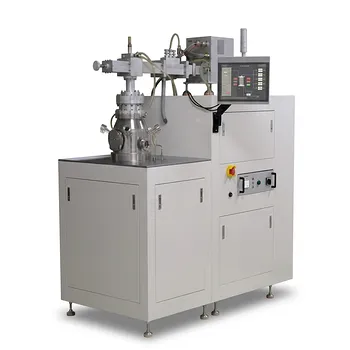
Cylindrical Resonator MPCVD Machine System for Microwave Plasma Chemical Vapor Deposition and Lab Diamond Growth
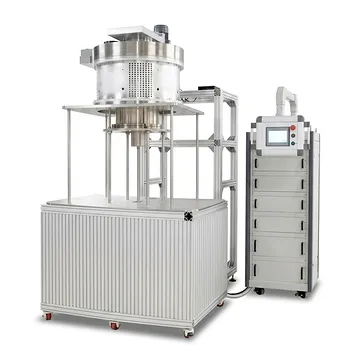
915MHz MPCVD Diamond Machine Microwave Plasma Chemical Vapor Deposition System Reactor
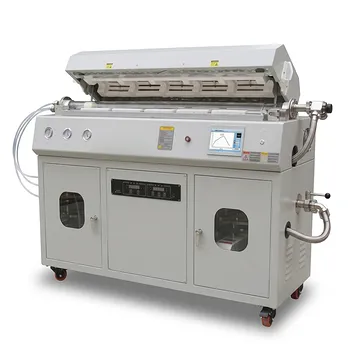
Multi Heating Zones CVD Tube Furnace System for Precision Chemical Vapor Deposition and Advanced Material Synthesis
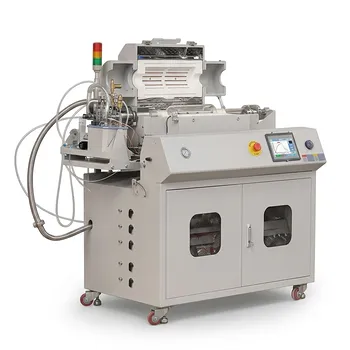
Versatile Chemical Vapor Deposition Tube Furnace System for Advanced Material Research and Industrial Coating Processes
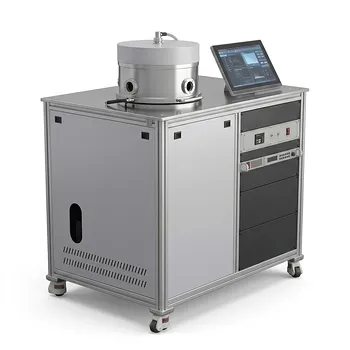
Inclined Rotary Plasma Enhanced Chemical Vapor Deposition PECVD System for Thin Film Deposition and Nanomaterial Synthesis
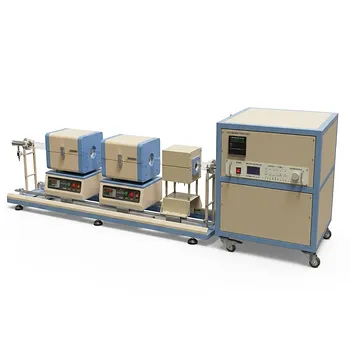
1200C Dual Sliding Tube Furnace with Dual Tubes and Flanges for PECVD Processes
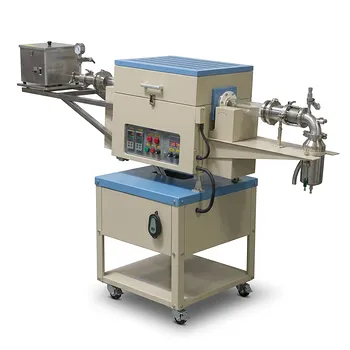
Two Zone Rotary CVD Furnace with Automatic Feeding and Receiving System for Powder Processing
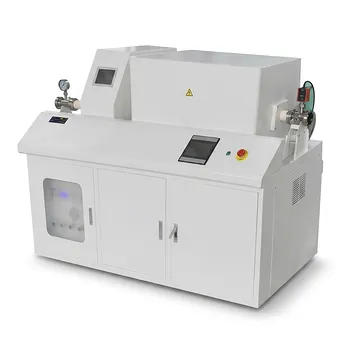
Chemical Vapor Deposition CVD System Slide PECVD Tube Furnace with Liquid Gasifier PECVD Machine
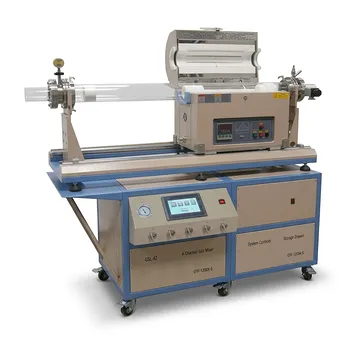
Dual Tube 100mm 80mm CVD Sliding Furnace with 4 Channel Gas Mixing and Vacuum System
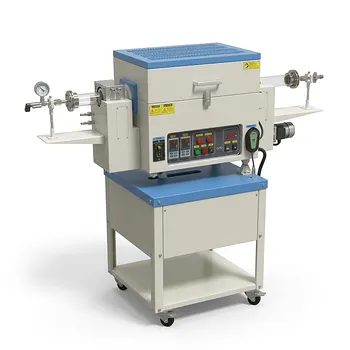
4 Inch Two Zone Rotary CVD Tube Furnace for High Temperature Battery Material Synthesis and Advanced Material Calcination
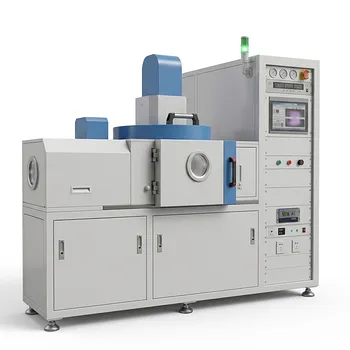
Radio Frequency Plasma Enhanced Chemical Vapor Deposition RF PECVD System for Laboratory and Industrial Thin Film Growth
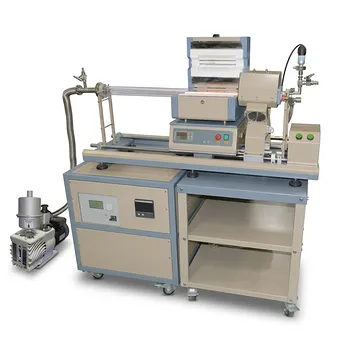
1200C Max Compact Auto-Sliding PECVD Furnace with 2 Inch Tube and Vacuum Pump
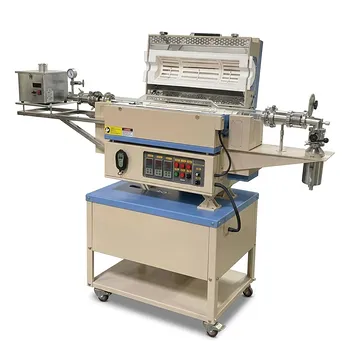
5 Inch Rotary Tube Furnace with Automatic Feeding and Receiving System 1200C Three Zone CVD Powder Processing
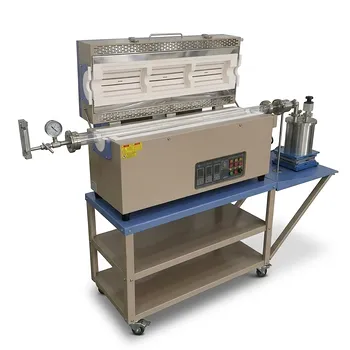
5 Inch Two Zone Rotary Tube Furnace 1100C for Powder CVD and Material Synthesis
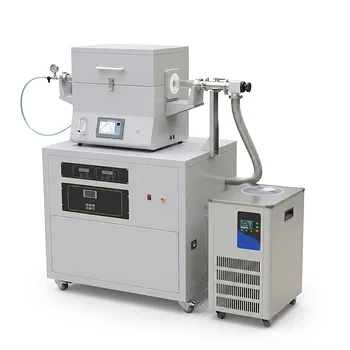
Split Chamber CVD Tube Furnace with Vacuum Station Chemical Vapor Deposition System Machine
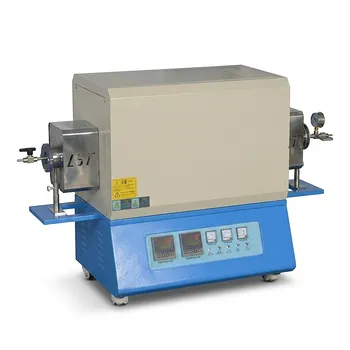
High Temperature Dual Zone Vacuum Tube Furnace for Material Research and CVD Processing
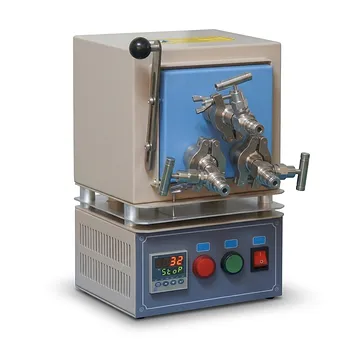
Triple Tube Compact Hybrid Muffle Furnace 1000C High Vacuum Thermal Processing System
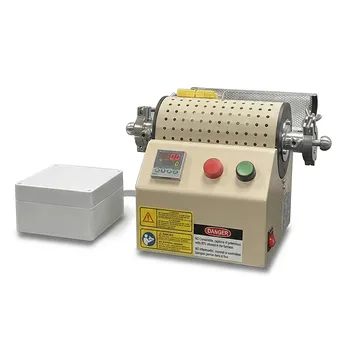
1000C Mini Tube Furnace with 20mm Quartz Tube and Vacuum Flanges for Material Science Research and Controlled Atmosphere Small Sample Processing
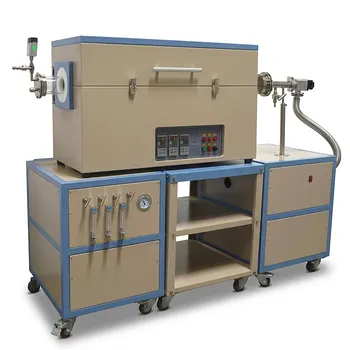
Three Zone Quartz Tube Furnace with 3 Channel Gas Mixer Vacuum Pump and Anti Corrosive Vacuum Gauge