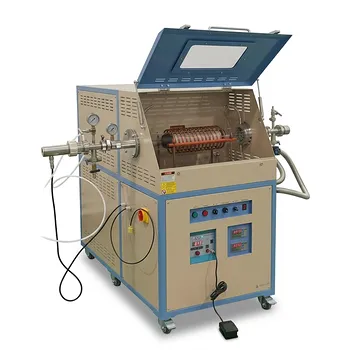
Why is a high-precision tube furnace required for the high-temperature activation of jute-based carbon materials? Guide
Updated 3 months ago
High-precision tube furnaces are the cornerstone of jute fiber activation because they provide the strictly controlled thermal and atmospheric conditions necessary to transform organic biomass into high-performance carbon. Specifically, these furnaces ensure a uniform thermal field and an oxygen-free environment, allowing activating agents like zinc chloride (ZnCl2) to precisely etch the carbon framework. This process creates a vast network of micro- and meso-pores, increasing the material's specific surface area from a negligible 23.73 m²/g to over 1900 m²/g.
A high-precision tube furnace is required to facilitate controlled chemical etching while preventing the oxidative combustion of the carbon precursor. By maintaining thermal uniformity and a strictly inert atmosphere, the furnace enables the predictable development of the porous structures critical for catalytic and adsorption performance.
The Role of Thermal Uniformity in Chemical Etching
Facilitating Stable Reaction Kinetics
High-temperature activation involves a complex chemical reaction between an activating agent (such as ZnCl2, KOH, or NaOH) and the carbonized jute. A high-precision furnace provides a uniform thermal field, ensuring that every part of the jute fiber receives the same energy input. This stability is vital for consistent reaction rates across the entire sample batch.
Achieving Extreme Surface Area Expansion
The primary goal of activation is to maximize the specific surface area (SSA) to enhance catalytic or energy storage capabilities. Precise temperature control allows for the targeted formation of micro-pores and meso-pores within the carbon skeleton. Without this precision, the material might under-react or over-calcine, failing to reach the high-end SSA benchmarks of 1900 m²/g or more.
Atmospheric Integrity and Pyrolysis Control
Preventing Oxidative Combustion
At temperatures ranging from 600°C to 1100°C, jute-based carbon will immediately combust if exposed to oxygen. A tube furnace allows for a sealed environment where air is replaced by high-purity inert gases like Nitrogen (N2) or Argon (Ar). This enables oxygen-free pyrolysis, where non-carbon elements are removed without destroying the carbon framework itself.
Precision Gas-Phase Diffusion
In physical activation processes involving CO2, the furnace must work in tandem with high-precision flow meters. The flow rate determines the gas-phase diffusion rate and the microscopic "burn-off" rate of the carbon skeleton. This level of control is necessary to directionally construct microporous structures required for high adsorption capacities.
Control Over Heating Rates and Dwell Times
The structural integrity of jute-derived carbon depends on the heating rate and the duration of high-temperature exposure. High-precision furnaces allow researchers to program specific ramps (e.g., 5°C/min) and constant temperature durations (e.g., 4 hours). This ensures the jute fibers are thoroughly deoxygenated and converted into carbon structures with the desired degree of graphitization.
Understanding the Trade-offs
High Energy and Resource Requirements
Maintaining a high-precision thermal field at temperatures up to 1100°C requires significant power consumption and high-quality heating elements. Additionally, the constant flow of high-purity inert gases adds to the operational cost and logistical complexity of the production process.
Limitations in Throughput
Tube furnaces are generally designed for batch processing rather than continuous flow, which can limit the volume of material produced. While they offer superior control for high-value carbon materials, they may present a bottleneck when attempting to scale jute-based carbon production for industrial-level applications.
How to Apply This to Your Material Goals
Selecting Equipment Based on Your Objectives
- If your primary focus is maximum surface area for catalysis: Utilize a furnace capable of reaching 850°C–1000°C with high-precision temperature stability to optimize chemical etching with KOH or ZnCl2.
- If your primary focus is preventing material loss (Yield): Prioritize a furnace with superior sealing and gas-flow control to ensure a strictly inert Nitrogen environment, preventing accidental oxidative combustion.
- If your primary focus is pore-size distribution: Invest in a system with integrated mass flow controllers to precisely manage the diffusion rates of activation gases like CO2 or Ethylene.
By mastering the precise balance of temperature and atmosphere, you can effectively transform raw jute fibers into a sophisticated carbon framework suitable for advanced technical applications.
Summary Table:
| Key Feature | Role in Jute Activation | Performance Impact |
|---|---|---|
| Thermal Uniformity | Ensures consistent chemical etching kinetics | Uniform pore distribution & high SSA |
| Atmospheric Control | Provides oxygen-free environment (N2/Ar) | Prevents oxidative combustion/material loss |
| Precision Ramp/Dwell | Controls carbonization & graphitization rates | Higher specific surface area (>1900 m²/g) |
| Gas Flow Precision | Manages gas-phase diffusion of activants | Directional construction of micro-pores |
Unlock High-Performance Carbon Synthesis with THERMUNITS
Are you looking to achieve specific surface areas of 1900 m²/g or more in your material research? THERMUNITS is a leading manufacturer of high-temperature laboratory equipment specifically designed for material science and industrial R&D.
Our high-precision Tube Furnaces, CVD/PECVD systems, and Vacuum Atmosphere Furnaces provide the critical thermal uniformity and atmospheric integrity required for the delicate activation of biomass like jute. Whether you need to optimize pore-size distribution or ensure maximum yield through oxygen-free pyrolysis, our solutions—ranging from Muffle and Rotary furnaces to advanced Hot Press and VIM systems—are engineered to meet your exact specifications.
Ready to elevate your lab's efficiency and material quality?
Contact THERMUNITS today to find the perfect thermal processing solution!
References
- Khom Narayan Chaudhary, Prakash Joshi. Carbon derived from Jute Sacks For Low-Cost and Efficient Counter Electrodes of Dye-Sensitized Solar Cells. DOI: 10.56042/ijpap.v62i10.11987
Mentioned Products
- High Temperature Dual Zone Rotating Tube Furnace 1500C Silicon Carbide Heating for Advanced Material Synthesis
- High Temperature 1700C Vertical Tube Furnace for Powder Spherification and Material Sintering
- Automated 1200 C Tube Furnace for AI Material Research with 6 Inch OD and Sliding Flange
- High Temperature Rotary Tilt Tubular Furnaces for Advanced Powder Sintering and Material Processing
- Compact High Temperature 1600C Tube Furnace with 50mm Alumina Tube and Vacuum Flanges for Material Sintering
People Also Ask
- What is the function of CVD furnaces in graphene prep? Enhancing Photodetector Charge Transport
- Why use CVD and a tube furnace for Pd3P0.95/NC catalyst phosphidation? Ensure high phase purity and performance.
- CVD Tube Furnace Advantages for Pd-P Catalyst Durability: Precision Control for 40,000+ Cycles
- How does a rotary tube furnace improve the processing of granular materials? Enhance Uniformity and Reaction Kinetics
- How does a Chemical Vapor Deposition (CVD) tube furnace facilitate synchronized nitridation? Precision Nano-Engineering.

Tech Team · ThermUnits
Last updated on Jun 02, 2026
Related Products
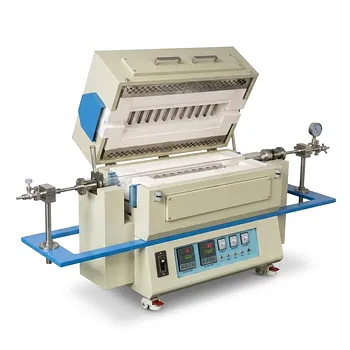
High Temperature Dual Zone Rotating Tube Furnace 1500C Silicon Carbide Heating for Advanced Material Synthesis

High Temperature 1700C Vertical Tube Furnace for Powder Spherification and Material Sintering
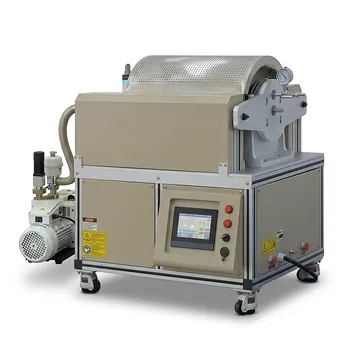
Automated 1200 C Tube Furnace for AI Material Research with 6 Inch OD and Sliding Flange
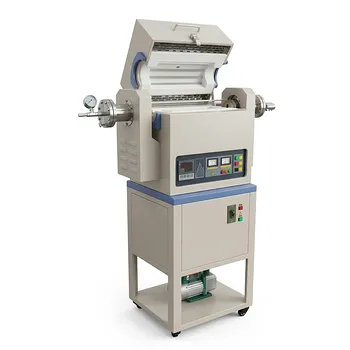
High Temperature Rotary Tilt Tubular Furnaces for Advanced Powder Sintering and Material Processing

Compact High Temperature 1600C Tube Furnace with 50mm Alumina Tube and Vacuum Flanges for Material Sintering
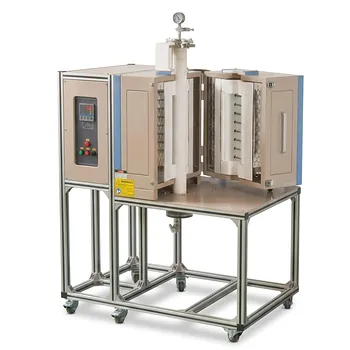
High Temperature 1700C Vertical Split Tube Furnace for Material Quenching and Single Crystal Growth
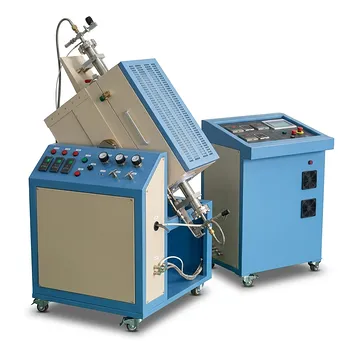
1100C High Pressure Rocking Tube Furnace with 2 Inch Super Alloy Processing Tube for Material Synthesis

High Temperature Automated 5 Inch Tube Furnace for Autonomous Material Research and Advanced Laboratory R&D
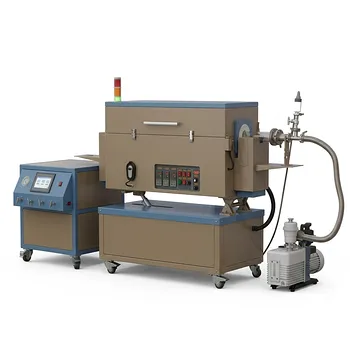
5 Inch Three Zone Rotary Tube Furnace with Integrated Gas Delivery System and 1200C Capability for Advanced Material CVD Processing

High Temperature Tube Furnace 1500C with Sliding Flanges and 50mm OD for Rapid Thermal Processing Fast Heating and Cooling
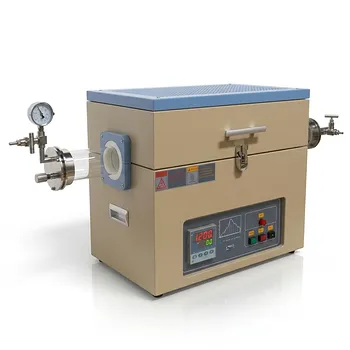
High Temperature 1200C Split Tube Furnace with Optional Quartz Tube Sizes and Vacuum Sealing Flanges for Material Science Research
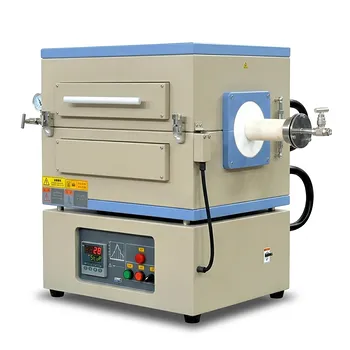
1500°C Split Tube Furnace with Alumina Tube and Vacuum Sealing Flanges for Material Research
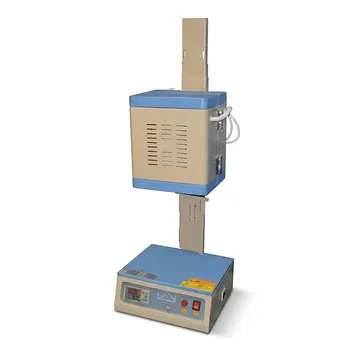
High Temperature Vertical Split Tube Furnace with PID Temperature Controller for 1 and 2 Inch Processing Tubes
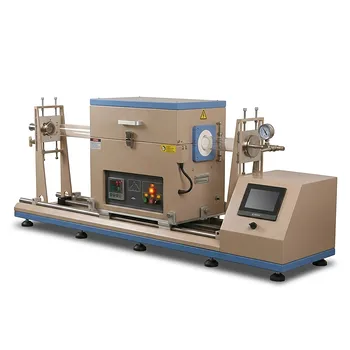
1200C Sliding Tube Furnace for Rapid Thermal Processing and CVD Graphene Growth with 100mm OD Capacity

1100C Tube Furnace with Vacuum Flange and Programmable Temperature Controller for Material Science and Industrial Heat Treatment
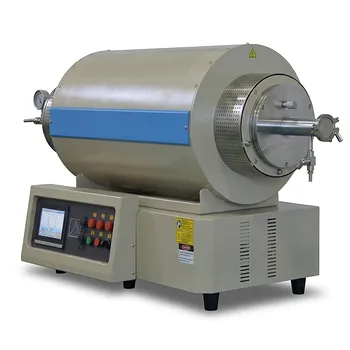
1200C Max Three Zone Tube Furnace 6 Inch OD Max with Tube and Flange
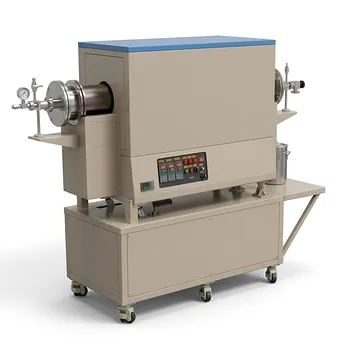
900°C Max Rotary Tube Furnace with 8 Inch 310S Alloy Tube and Optional Multi Zone Heating for Industrial Material Calcination
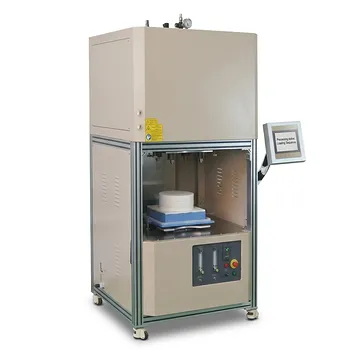
High Temperature Vertical Atmosphere Controlled Furnace with Automatic Bottom Loading and 1700°C Capacity for Advanced Material Research

High Temperature 1700C Tube Furnace with High Vacuum Turbomolecular Pump System and Multi Channel Mass Flow Controller Gas Mixer