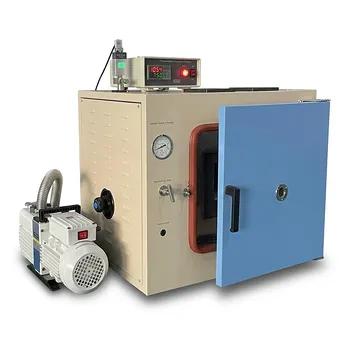
Why is a high-precision Vacuum or Atmosphere Furnace necessary for the preparation of non-oxide ceramics sensitive to oxygen?
Updated 3 months ago
The necessity of high-precision Vacuum or Atmosphere Furnaces stems from their ability to eliminate oxygen interference, which would otherwise cause non-oxide ceramics to degrade during high-temperature sintering. By creating an extreme high-vacuum environment or introducing high-purity inert gases, these furnaces suppress oxidation and maintain the material's exact chemical stoichiometry. This rigorous control is the only way to ensure the final product achieves its intended mechanical, electrical, and thermal properties without oxidative failure.
High-precision atmosphere control is the fundamental safeguard against oxidative failure in non-oxide ceramics. By strictly regulating oxygen partial pressure and gas composition, these furnaces preserve phase purity and enable the densification of advanced materials that are chemically unstable in ambient air.
Eliminating the Threat of Oxidative Failure
The Sensitivity of Non-Oxide Ceramics
Non-oxide ceramics, such as carbides, nitrides, and borides, are highly reactive when exposed to oxygen at elevated temperatures. Without a protected environment, these materials undergo oxidative degradation, which alters their chemical composition and destroys their structural integrity.
Controlling Oxygen Partial Pressure
A high-precision furnace functions by reducing the oxygen partial pressure within the chamber to near-zero levels. This evacuation of air prevents oxygen molecules from reacting with the ceramic surface, ensuring that the material remains chemically "clean" throughout the heating cycle.
Isolation from Environmental Moisture
In addition to oxygen, atmospheric moisture can trigger unwanted side reactions at high temperatures. High-precision systems isolate the work zone from the ambient environment, preventing water vapor from interfering with the phase purity of the final product.
Creating a Controlled Chemical Environment
Inert and Reducing Gas Backfilling
After evacuating the chamber, these furnaces often backfill the environment with high-purity inert gases like argon or nitrogen. This creates a stable, pressurized environment that prevents the material from decomposing while further displacing any residual reactive gases.
In-Situ Chemical Repair
In some advanced applications, a reducing atmosphere (such as a hydrogen mixture) is introduced to facilitate chemical repair. This process can actually remove existing oxides from the material’s surface, restoring its intended chemical purity and improving performance.
Maintaining Stoichiometric Stability
Precise atmosphere control ensures that the chemical stoichiometry—the exact ratio of elements—remains unchanged. This is critical for maintaining the specific electrical, magnetic, and thermal characteristics required for specialized industrial and research applications.
Overcoming Structural Bonding Challenges
Densification of Covalent Bonds
Non-oxide ceramics often feature strong covalent bonds, which make them notoriously difficult to densify using standard heating methods. High-precision furnaces, particularly those with hot-pressing capabilities, provide the thermal environment necessary to overcome this diffusion resistance.
Reaching Near-Theoretical Density
By combining high temperatures with vacuum or controlled pressure, these furnaces promote grain boundary sliding and plastic flow. This allows the ceramic to reach near-theoretical density, resulting in a high-strength, wear-resistant component.
Understanding the Trade-offs
Equipment Complexity and Cost
High-precision vacuum systems require sophisticated seals, pumps, and monitoring sensors, which significantly increase initial capital investment. Maintaining these systems also requires specialized technical expertise to ensure the integrity of the vacuum seals over time.
Potential for Element Volatilization
In a high-vacuum environment, certain elements within the ceramic may reach their vapor pressure and begin to volatilize (turn into gas). This can lead to unintended changes in material composition unless the atmosphere is carefully balanced with a partial pressure of inert gas.
Gas Purity Requirements
The effectiveness of an atmosphere furnace is entirely dependent on the purity of the gas supply. Using lower-grade nitrogen or argon can introduce enough trace oxygen to cause surface oxidation, negating the benefits of the controlled environment.
How to Apply This to Your Material Goals
Making the Right Choice for Your Project
Depending on your specific material requirements, the configuration of your furnace should align with your primary performance targets.
- If your primary focus is Chemical Purity: Utilize a high-vacuum system with a secondary backfill of ultra-high-purity argon to eliminate all traces of reactive oxygen.
- If your primary focus is High Density: Prioritize a hot-press atmosphere furnace that can apply axial pressure while maintaining a vacuum to overcome covalent bonding resistance.
- If your primary focus is Electrical/Magnetic Properties: Use a furnace capable of introducing specific reducing gas mixtures to facilitate in-situ chemical repair and ensure phase stability.
By mastering the furnace atmosphere, you transform a volatile thermal process into a precise tool for advanced material synthesis.
Summary Table:
| Challenge | Furnace Function | Material Benefit |
|---|---|---|
| Oxidative Degradation | High Vacuum/Inert Gas Backfill | Preserves chemical purity and integrity |
| Atmospheric Moisture | Hermetic Environmental Isolation | Prevents unwanted side reactions |
| Stoichiometric Shift | Precise Gas Partial Pressure Control | Maintains exact element ratios (electrical/thermal) |
| Covalent Bonding | High Temp + Hot Pressing Capability | Enables densification to near-theoretical levels |
| Surface Oxides | Reducing Atmosphere (e.g., H2) | Facilitates in-situ chemical repair |
Elevate Your Material Synthesis with THERMUNITS
Are you struggling with oxidative failure in your non-oxide ceramic research? THERMUNITS is a leading manufacturer of high-temperature laboratory equipment dedicated to material science and industrial R&D. We provide the high-precision thermal environments necessary to achieve superior phase purity and density.
Our comprehensive range of thermal processing solutions includes:
- Advanced Furnaces: Muffle, Vacuum, Atmosphere, Tube, Rotary, and Hot Press Furnaces.
- Specialized Systems: CVD/PECVD systems, Dental Furnaces, and Vacuum Induction Melting (VIM) furnaces.
- Industrial Solutions: Electric rotary kilns and high-quality thermal elements.
Whether you are working on carbides, nitrides, or borides, our equipment ensures rigorous control over oxygen partial pressure and chemical stoichiometry.
Contact our technical experts today to find the perfect furnace for your application!
References
- Yan Li, Chunmei Li. Fabrication of Hierarchically Porous “Fish Cage”‐like Carbonaceous Nanomaterials via Soft Template‐assisted Strategy for Cr Removal: Accelerated Stepped Adsorption and Enhanced Coordination Effect. DOI: 10.1002/ejic.202400328
Mentioned Products
- High Temperature Vertical Atmosphere Controlled Furnace 1700C Automatic Bottom Loading 13 Liter Vacuum Thermal System
- 1750°C High Temperature Benchtop Vacuum Atmosphere Tube Furnace with Kanthal Super 1800 Heating Elements and 60mm Alumina Processing Tube
- Bottom Loading Vacuum Furnace 1200C Rapid Cooling Atmosphere Control Quartz Chamber
- High Temperature Vertical Atmosphere Controlled Furnace with Automatic Bottom Loading and 1700°C Capacity for Advanced Material Research
- Atmosphere Controlled Muffle Furnace 1700C Maximum Temperature 80L High Capacity Vacuum Inert Gas Box Furnace
People Also Ask
- What are the advantages of using a Bottom-Loading High-Temperature Furnace in Barium Titanate Fast Firing? Superior Microstructure
- In what ways does an atmosphere control system affect nanoporous gold structure? Control Oxygen for Precision Design.
- Why must carbothermic reduction of spent Li-battery powders be in an atmosphere furnace? Ensure High-Yield Recovery
- What are the primary technical advantages of atmosphere furnaces compared to vacuum furnaces? Optimize High-Volume Production
- How does an atmosphere furnace improve the quality of powder metallurgy components? Achieve High-Density Sintering.

Tech Team · ThermUnits
Last updated on Jun 02, 2026
Related Products
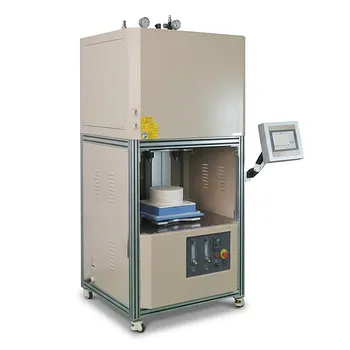
High Temperature Vertical Atmosphere Controlled Furnace 1700C Automatic Bottom Loading 13 Liter Vacuum Thermal System

1750°C High Temperature Benchtop Vacuum Atmosphere Tube Furnace with Kanthal Super 1800 Heating Elements and 60mm Alumina Processing Tube
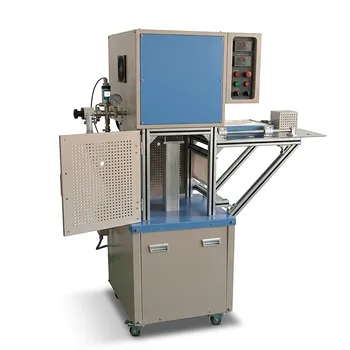
Bottom Loading Vacuum Furnace 1200C Rapid Cooling Atmosphere Control Quartz Chamber
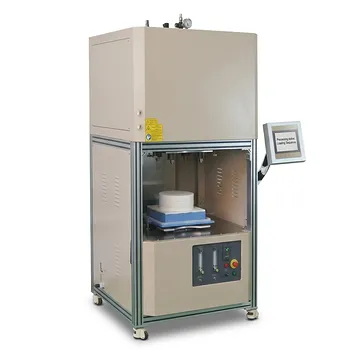
High Temperature Vertical Atmosphere Controlled Furnace with Automatic Bottom Loading and 1700°C Capacity for Advanced Material Research
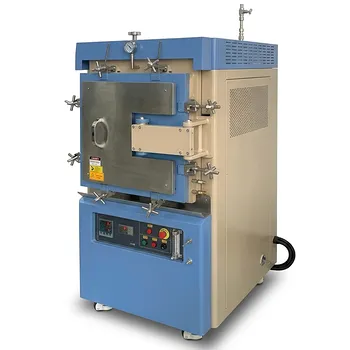
Atmosphere Controlled Muffle Furnace 1700C Maximum Temperature 80L High Capacity Vacuum Inert Gas Box Furnace

Vertical 1700C Vacuum and Atmosphere Tube Furnace with 80mm Alumina Tube
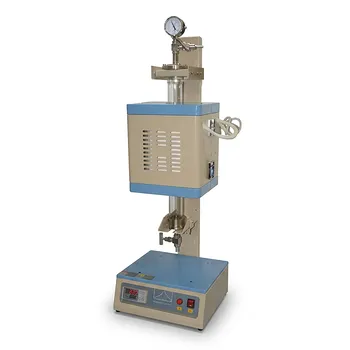
Compact Vertical Split Quartz Tube Furnace with Stainless Steel Vacuum Flanges for Rapid Thermal Quenching and Controlled Atmosphere Material Processing
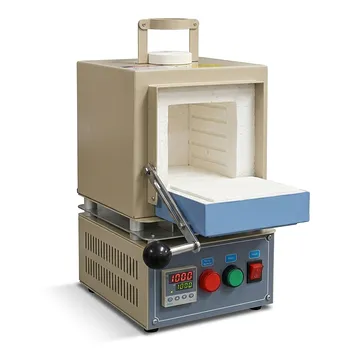
Compact 1000C Muffle Furnace with Programmable Controller and 2 Inch Top Port for Vacuum and Atmosphere Material Research
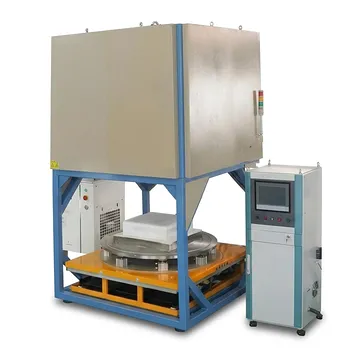
Bottom Loaded Inert Gas Atmosphere Box Furnace 1400C Maximum Temperature 125L High Capacity Laboratory Heat Treatment System
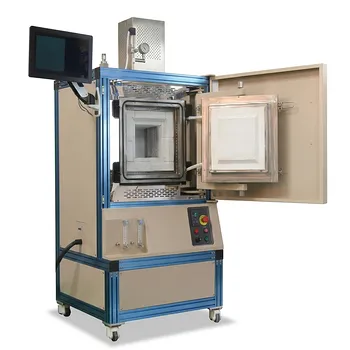
High Temperature Hydrogen Atmosphere Box Furnace 1650C Max Reducing Environment Material Synthesis System 8x8x8 Chamber
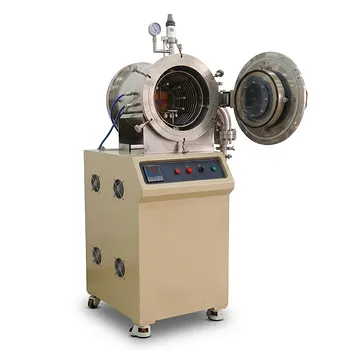
High Temperature Cold Wall High Vacuum Chamber Furnace 1400C for Advanced Material Processing
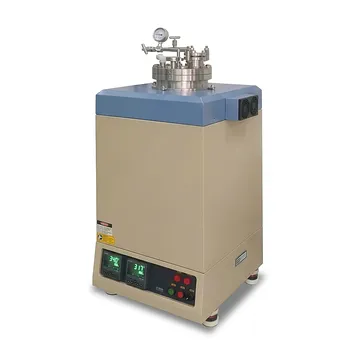
High Temperature 1000C Vacuum Furnace with 8 Inch ID Chamber for Material Sintering and Research Annealing
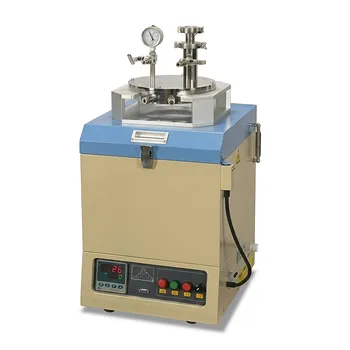
Vertical Vacuum Furnace 1100C High Temperature 8 Inch Quartz Chamber Water Cold Flange System
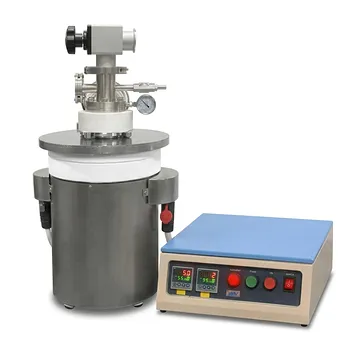
1100C High Temperature Vacuum Crucible Furnace with Quartz Chamber for Thermal Processing and Sintering
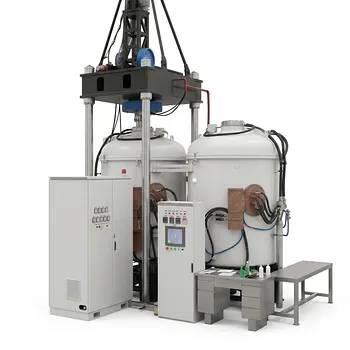
High Pressure 600T Vacuum Induction Hot Press Furnace for Advanced Material Heat Treatment and Sintering
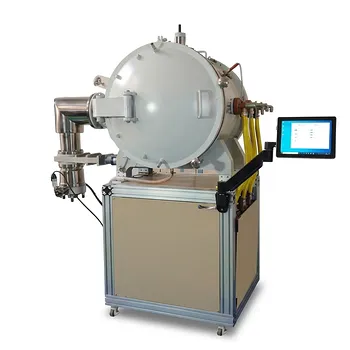
High Temperature Cold Wall Vacuum Furnace for Advanced Material Sintering and Annealing 1600C Heating Area 200x200x300mm
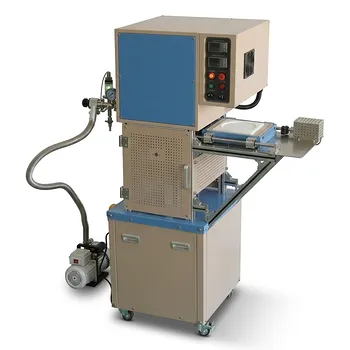
1200°C Bottom Loading Vacuum Furnace with Rapid Gas Cooling and 8.6 Inch Diameter Quartz Chamber
Three Temperature Zone High Temperature Vacuum Tube Furnace for CVD and Material Sintering
High Temperature Dual Zone Vacuum Tube Furnace for Material Research and CVD Processing