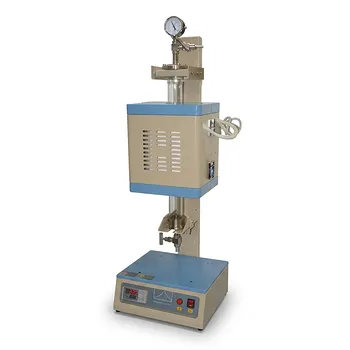
Why is a high-purity quartz crucible required for the thermal disproportionation of silicon quantum dots? Expert Guide
Updated 6 months ago
The necessity of high-purity quartz crucibles in this process is driven by the extreme thermal and chemical requirements of semiconductor synthesis. At the 1100°C temperatures required for thermal disproportionation, standard materials would fail structurally or leach contaminants. High-purity quartz provides the essential combination of thermal resilience and chemical inertness to ensure the resulting doped silicon quantum dots maintain their precise optoelectronic properties.
Core Takeaway: High-purity quartz crucibles act as a "clean-room" vessel at high temperatures, preventing metallic impurities from migrating into the silicon matrix and ensuring the structural integrity of the reaction environment at 1100°C.
Maintaining Structural Integrity at Extreme Temperatures
Survival in the 1100°C Environment
The thermal disproportionation of silicon precursors requires a sustained temperature of 1100°C. High-purity quartz is one of the few materials capable of maintaining its mechanical shape and structural integrity under these conditions without softening or deforming.
Resistance to Thermal Shock
Thermal processes often involve heating and cooling cycles that can cause inferior materials to crack. Quartz possesses an exceptionally low coefficient of thermal expansion, which allows it to withstand these temperature fluctuations without compromising the containment of the reaction.
Safeguarding Semiconductor Purity
Prevention of Metallic Contamination
In semiconductor synthesis, even parts-per-billion levels of metallic impurities can "poison" the material. High-purity quartz is specifically manufactured to be free of trace metals, ensuring that no unwanted elements leach into the silicon oxide matrix during prolonged heating.
Chemical Inertness and Reaction Control
At 1100°C, many materials become reactive and may bond with the silicon or dopants. High-purity quartz remains chemically inert, preventing undesired side reactions between the crucible walls and the precursors, which preserves the intended microscopic structure of the quantum dots.
Ensuring Optoelectronic Performance
The "deep need" for purity is tied directly to the final device performance. Any impurities introduced by the crucible would create non-radiative recombination centers, significantly degrading the photoluminescence and electronic efficiency of the doped silicon quantum dots.
Understanding the Trade-offs and Limitations
The Risk of Devitrification
While quartz is highly stable, prolonged exposure to temperatures above 1000°C can lead to devitrification, where the glass begins to transition into a crystalline state. This process can make the crucible brittle over multiple uses, potentially leading to failure if not monitored.
Cost vs. Performance
High-purity quartz is significantly more expensive than standard laboratory glassware or lower-grade ceramics. However, using lower-grade materials introduces a high risk of secondary contamination, which often results in the total loss of the batch's semiconductor utility.
Handling and Sensitivity
Despite its thermal strength, quartz is physically brittle and sensitive to surface contaminants like oils from skin. If handled without gloves, alkaline impurities from fingerprints can accelerate the devitrification process at high temperatures, shortening the crucible's lifespan.
How to Apply This to Your Project
When selecting a vessel for high-temperature semiconductor or nanomaterial synthesis, your choice should be dictated by the sensitivity of your final product to contamination.
- If your primary focus is high-efficiency optoelectronics: You must use high-purity quartz (99.99% or higher) to ensure that trace metals do not interfere with the quantum dot's electronic states.
- If your primary focus is structural nanomaterials (non-electronic): High-purity alumina crucibles may offer a more cost-effective alternative, provided the material does not react with your specific precursors.
- If your primary focus is maximizing crucible longevity: Ensure the reaction atmosphere is free of alkaline vapors and handle the quartz only with clean-room tools to prevent surface degradation.
Selecting the right high-purity vessel is not merely a logistical choice, but a foundational step in ensuring the predictable and high-quality synthesis of advanced functional materials.
Summary Table:
| Key Requirement | Role in Silicon Quantum Dot Synthesis |
|---|---|
| Thermal Stability | Maintains structural integrity at 1100°C without softening. |
| Contamination Control | Zero trace metal leaching; prevents "poisoning" of the semiconductor. |
| Thermal Shock Resistance | Low expansion coefficient prevents cracking during heating/cooling cycles. |
| Chemical Inertness | Prevents side reactions between the crucible walls and precursors. |
| Output Quality | Essential for maintaining photoluminescence and electronic efficiency. |
Elevate Your Material Research with THERMUNITS
Achieving high-purity results in semiconductor synthesis requires more than just the right crucible—it requires a precision-engineered thermal environment. THERMUNITS is a leading manufacturer of high-temperature laboratory equipment specifically designed for material science and industrial R&D.
We offer a comprehensive range of thermal processing solutions to support your advanced research:
- Advanced Furnaces: Muffle, Vacuum, Atmosphere, Tube, Rotary, and Hot Press systems.
- Specialized Systems: CVD/PECVD systems, Dental Furnaces, and Vacuum Induction Melting (VIM) furnaces.
- Essential Components: Electric rotary kilns, high-quality thermal elements, and specialized heat treatment equipment.
Our equipment provides the stability, purity, and control necessary to ensure the success of your most sensitive high-temperature projects. Contact our experts today to find the perfect heating solution for your laboratory's needs.
References
- Batu Ghosh, Naoto Shirahata. Rational Doping Strategy to Build the First Solution‐Processed p‐n Homojunction Architecture toward Silicon Quantum Dot Photodetectors. DOI: 10.1002/smsc.202400367
Mentioned Products
- 1100C High Temperature Vacuum Crucible Furnace with Quartz Chamber for Thermal Processing and Sintering
- 600°C Vertical Crucible Furnace with SS316 Alloy Reactor and 6 Port Vacuum Flange
- High Temperature Vertical Crucible Furnace with 22L Heating Chamber and 1200C Maximum Temperature
- Vertical Crucible Furnace 1000C High Temperature Laboratory Equipment 4.7 Inch Diameter Chamber SS316 Anti Corrosive Enclosure
- 1100C Crucible Melting Furnace with Stirring Function for Glovebox and Air Sensitive Alloy Research
People Also Ask
- What is the function of a high-temperature vacuum furnace in Ni-Fe-Cu alloy anode preparation for OER performance?
- How does sintering furnace accuracy affect copper-graphene composites? Master Microstructure & Performance
- How does the temperature control precision of a high-temperature sintering furnace affect Na1+xLa1-xZr2O6-δ ceramics?
- How does a high-temperature sintering furnace environment enhance NdFeB magnets? Achieve 98%+ density with precision.
- How does a high-temperature sintering furnace contribute to the interfacial strengthening of SS316L and zirconia?

Tech Team · ThermUnits
Last updated on Apr 14, 2026
Related Products
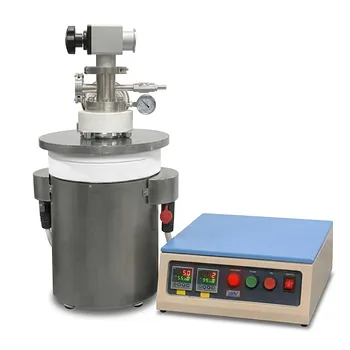
1100C High Temperature Vacuum Crucible Furnace with Quartz Chamber for Thermal Processing and Sintering
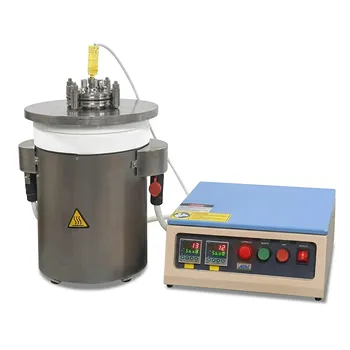
600°C Vertical Crucible Furnace with SS316 Alloy Reactor and 6 Port Vacuum Flange
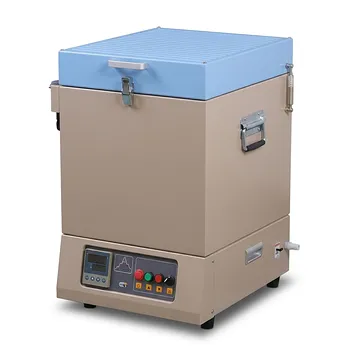
High Temperature Vertical Crucible Furnace with 22L Heating Chamber and 1200C Maximum Temperature
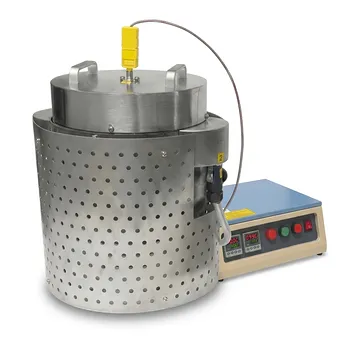
Vertical Crucible Furnace 1000C High Temperature Laboratory Equipment 4.7 Inch Diameter Chamber SS316 Anti Corrosive Enclosure
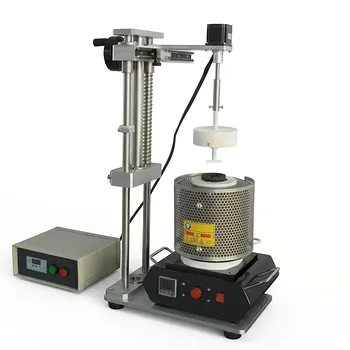
1100C Crucible Melting Furnace with Stirring Function for Glovebox and Air Sensitive Alloy Research
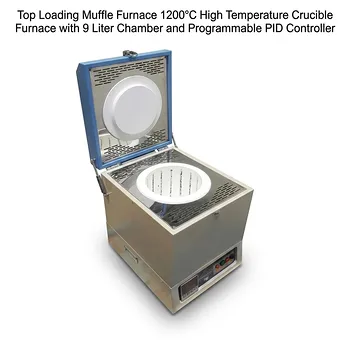
Top Loading Muffle Furnace 1200°C High Temperature Crucible Furnace with 9 Liter Chamber and Programmable PID Controller
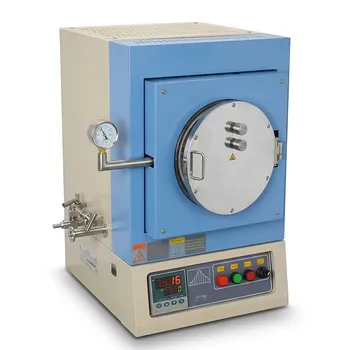
1100°C High Temperature Quartz Chamber Furnace 8 Inch OD with 7.6 Liter Capacity and Vacuum Atmosphere Capability
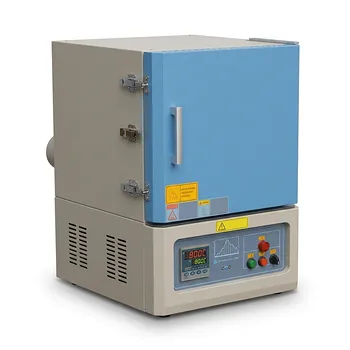
1800C Bench Top Muffle Furnace 18 Liters with Kanthal Super 1900 Heating Elements for High Purity Ceramic Sintering and Material Research
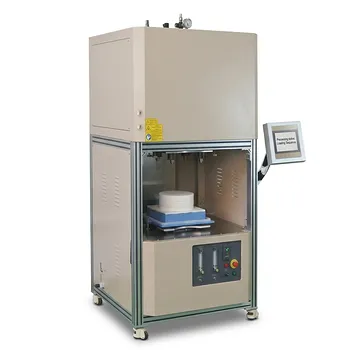
High Temperature Vertical Atmosphere Controlled Furnace with Automatic Bottom Loading and 1700°C Capacity for Advanced Material Research
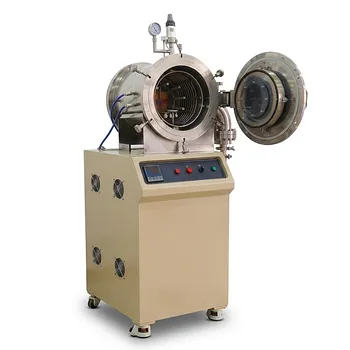
High Temperature Cold Wall High Vacuum Chamber Furnace 1400C for Advanced Material Processing
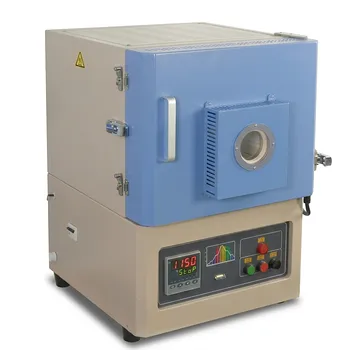
High Temperature Benchtop Muffle Furnace with Quartz Observation Window for Thermal Imaging and Material Analysis
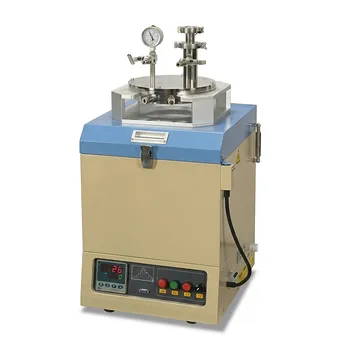
Vertical Vacuum Furnace 1100C High Temperature 8 Inch Quartz Chamber Water Cold Flange System
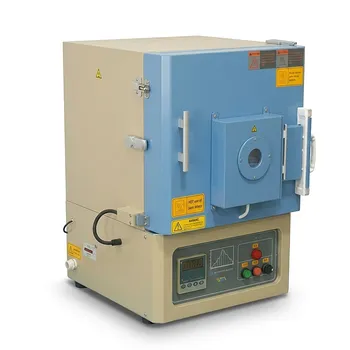
High Temperature Benchtop Muffle Furnace 1500C with 3.6L Chamber and Quartz Observation Window
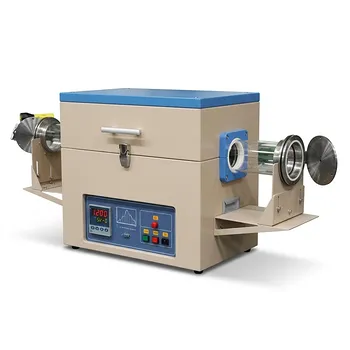
High Temperature 1200C Split Tube Furnace with Hinged Vacuum Flanges and 4 Inch Quartz Tube for Laboratory Research
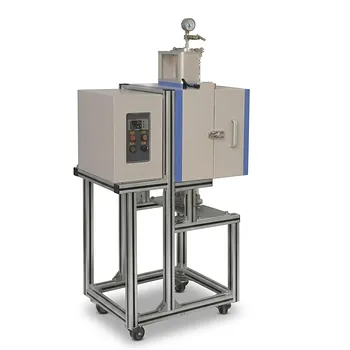
1200°C 5 Inch Vertical Quartz Tube Furnace with Stainless Steel Vacuum Flanges
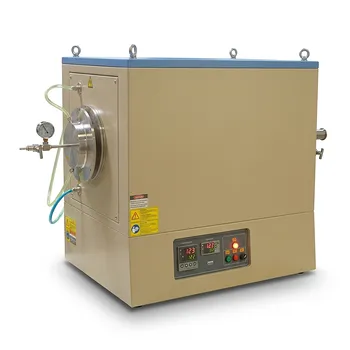
1100°C Large Diameter Quartz Tube Furnace with 24 Inch Heating Zone and Water Cooled Flanges
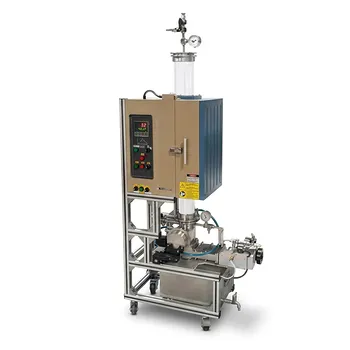
1200C High Temperature Atmosphere Controlled Vertical Quenching Tube Furnace with 4 Inch Quartz Tube
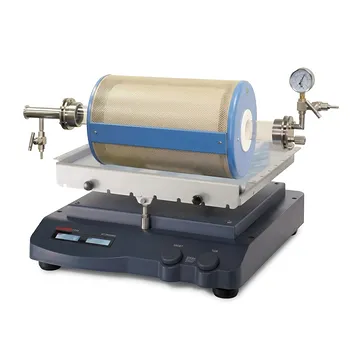
High Temperature Rocking Tube Furnace with Quartz Tube and Vacuum Flange for Materials Synthesis
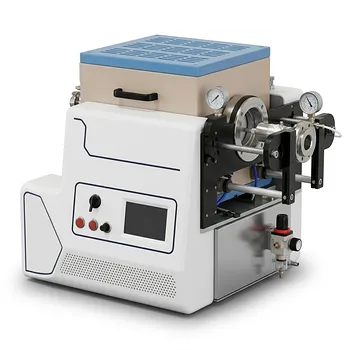
High Temperature Automated 5 Inch Tube Furnace for Autonomous Material Research and Advanced Laboratory R&D