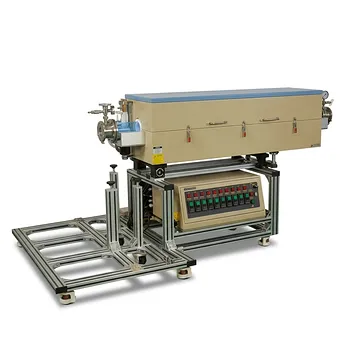
Why is a high-temperature tube furnace chosen for steam oxidation research on heat-resistant steel? Precision & Purity
Updated 3 months ago
The selection of a high-temperature tube furnace for steam oxidation research is driven by two technical necessities: hermetic sealing and thermal precision. These furnaces create a closed system that maintains a pure steam environment at specific pressures while ensuring that heat-resistant steel samples experience minimal temperature fluctuations—often within +/- 1°C. This level of control is essential for accurately mapping how temperature influences the complex oxidation mechanisms of advanced alloys over long durations.
A high-temperature tube furnace is the preferred instrument because it provides an isolated, stable, and reproducible environment that prevents atmospheric contamination and ensures the integrity of oxidation kinetic data.
Achieving Environmental Purity and Control
The Necessity of Superior Sealing
To study steam oxidation accurately, researchers must maintain a pure steam environment at specific pressures. High-temperature tube furnaces utilize advanced sealing capabilities to isolate the internal atmosphere from the surrounding air.
This isolation ensures that the chemical reactions observed are strictly between the steam and the steel, rather than being influenced by ambient oxygen or moisture. Without this hermetic seal, the resulting oxidation data would be fundamentally flawed.
Protection via Atmospheric Control
Beyond steam, these furnaces allow for the introduction of inert gases like argon or the creation of a vacuum. This is critical for the "preheating" or "soaking" phases of an experiment.
By protecting the steel with inert gases before the formal oxidation stage begins, researchers prevent uncontrolled pre-oxidation. This ensures the material's initial state is preserved, allowing for a precise study of how residual elements enrich during the actual experiment.
Precision Thermal Management
Stability During Long-Term Cycles
Steam oxidation tests often last for hundreds or even 1,000 hours to simulate real-world service life. The precise control systems in tube furnaces maintain a uniform and stable temperature field throughout these extended durations.
Minimizing fluctuations to within +/- 1°C is a physical requirement for studying oxidation mechanisms. Even minor temperature swings can lead to experimental errors, potentially masking the true kinetic behavior of the oxide film evolution.
Establishing Consistent Initial Structures
Before oxidation begins, steel samples may require heating to specific temperatures (such as 1,100°C) to ensure precipitates are completely dissolved into the matrix. This provides a consistent initial structure for every sample.
A tube furnace ensures high consistency during this heat treatment phase. By maintaining stable physical and chemical parameters, the furnace safeguards the performance indicators and structural integrity of the steel before testing.
Simulating Real-World Service Conditions
Reproducing Industrial Environments
Tube furnaces are frequently used to simulate the extreme operating conditions of components like gas turbine parts. These environments involve high temperatures and specific atmospheric pressures that heat-resistant steel must endure in the field.
The ability to provide isothermal exposure for extended periods (e.g., 168 hours or more) allows researchers to capture accurate oxidation kinetic behavior. This data is vital for predicting how materials will perform in power plants or aerospace applications.
Structural Integrity of the Reaction Vessel
Because these experiments occur at extreme temperatures, the furnace tube itself must be specialized. Often, tubes made from AISI 310 grade steel or high-strength alloys are used to provide creep resistance.
These materials prevent the furnace tube from deforming or leaking during high-pressure cycles. This ensures a safe and effective sealed environment for the reduction or oxidation reactions taking place inside.
Understanding Technical Constraints and Trade-offs
Material Limitations of the Furnace Tube
While high-strength alloys like AISI 310 are durable, they are still subject to thermal shock if cooled too rapidly. Researchers must carefully manage heating and cooling rates to avoid cracking the tube or compromising the seal.
Additionally, the tube material must be chemically compatible with the gases used. At very high temperatures, some furnace tubes may experience internal corrosion, which could potentially contaminate the sample environment if not monitored.
Geometry and Volume Constraints
The "tube" design naturally limits the volume and shape of the samples that can be tested. Unlike box furnaces, tube furnaces are best suited for smaller, slender specimens rather than large, complex components.
Loading and unloading samples can also be more labor-intensive due to the need to break and reseal the vacuum or pressure fittings. This requires stringent operational protocols to ensure the atmosphere remains pure for every subsequent test.
How to Apply This to Your Research Project
Making the Right Choice for Your Goal
- If your primary focus is oxidation kinetics: Prioritize a furnace with a verified temperature stability of +/- 1°C to ensure your data reflects chemical changes rather than thermal fluctuations.
- If your primary focus is simulating high-pressure service: Ensure your furnace is equipped with AISI 310 or similar high-alloy tubes and reinforced sealing flanges to maintain safety at high temperatures.
- If your primary focus is material purity: Select a model with integrated gas mass flow controllers to transition seamlessly between inert gas protection and the steam oxidation environment.
By choosing a high-temperature tube furnace, you are investing in the environmental isolation and thermal precision necessary to produce world-class material science data.
Summary Table:
| Key Feature | Technical Benefit | Research Impact |
|---|---|---|
| Hermetic Sealing | Isolates internal steam atmosphere | Prevents contamination; ensures oxidation kinetic accuracy. |
| Thermal Stability | Maintains precision within +/- 1°C | Prevents experimental errors during 1,000+ hour cycles. |
| Atmosphere Control | Inert gas/Vacuum compatibility | Prevents pre-oxidation; preserves initial material state. |
| Structural Integrity | AISI 310/High-alloy tube materials | Provides creep resistance and safety at high pressures. |
Elevate Your Research Precision with THERMUNITS
At THERMUNITS, we understand that breakthrough material science requires uncompromising thermal control. As a leading manufacturer of high-temperature laboratory equipment, we provide the specialized tools necessary for advanced R&D and industrial applications.
Whether you are investigating steam oxidation or developing next-generation alloys, our comprehensive range of thermal solutions is designed for maximum reliability:
- Specialized Furnaces: Tube, Rotary, Muffle, Vacuum, and Atmosphere furnaces.
- Advanced Systems: CVD/PECVD, Hot Press, and Vacuum Induction Melting (VIM) furnaces.
- Expert Components: Dental furnaces, electric rotary kilns, and premium thermal elements.
Ready to achieve superior heat treatment results? Contact our engineering team today to find the perfect furnace configuration for your laboratory's needs.
References
- Liling Xu, Zhenlun Song. High-Temperature Steam and Atmospheric Oxidation Characteristic of a Heat-Resistant SP2215 Steel. DOI: 10.3390/coatings14020194
Mentioned Products
- High Temperature Tube Furnace 1500C with Sliding Flanges and 50mm OD for Rapid Thermal Processing Fast Heating and Cooling
- High Temperature 1700C Tube Furnace with High Vacuum Turbomolecular Pump System and Multi Channel Mass Flow Controller Gas Mixer
- High Temperature 1700C Benchtop Tube Furnace with 5 Inch Heating Zone High Purity Alumina Tube and Vacuum Sealing Flanges
- 1750°C High Temperature Benchtop Vacuum Atmosphere Tube Furnace with Kanthal Super 1800 Heating Elements and 60mm Alumina Processing Tube
- Compact High Temperature 1600C Tube Furnace with 50mm Alumina Tube and Vacuum Flanges for Material Sintering
People Also Ask
- How are high-temperature tube furnaces utilized to repair etching damage? Precision Lattice Restoration Solutions
- What role does a high-temperature tube furnace play in CVD synthesis of silicon nanowires? Master VLS Growth Precision.
- What core conditions does a high-temperature tube furnace provide for rGO aerogels? Mastering Precision Synthesis.
- What role does a high-temperature tube furnace play in the sulfidation heat treatment of CoS@C/MXene nanocomposites? Guide
- How does precision tube furnace control influence CoFe nanoparticle formation? Master Your Bimetallic Synthesis.

Tech Team · ThermUnits
Last updated on Jun 02, 2026
Related Products
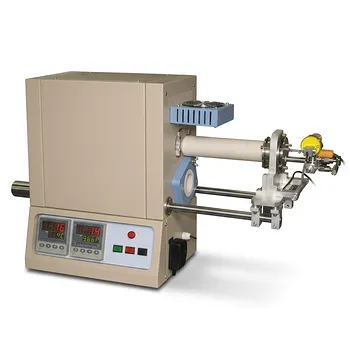
High Temperature Tube Furnace 1500C with Sliding Flanges and 50mm OD for Rapid Thermal Processing Fast Heating and Cooling

High Temperature 1700C Tube Furnace with High Vacuum Turbomolecular Pump System and Multi Channel Mass Flow Controller Gas Mixer

High Temperature 1700C Benchtop Tube Furnace with 5 Inch Heating Zone High Purity Alumina Tube and Vacuum Sealing Flanges
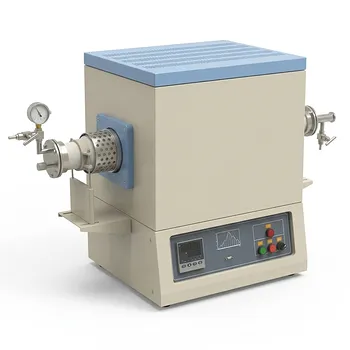
1750°C High Temperature Benchtop Vacuum Atmosphere Tube Furnace with Kanthal Super 1800 Heating Elements and 60mm Alumina Processing Tube

Compact High Temperature 1600C Tube Furnace with 50mm Alumina Tube and Vacuum Flanges for Material Sintering
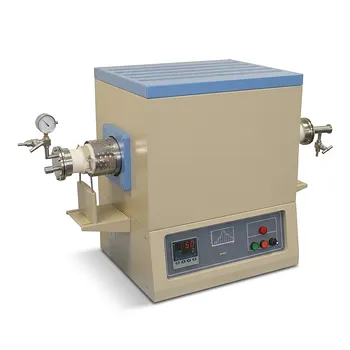
1700C High Temperature Alumina Tube Furnace with 18 Inch Heated Zone and Vacuum Sealing Flanges

1800C High Temperature Compact Vacuum Tube Furnace with 60mm OD Alumina Tube and Kanthal MoSi2 Heating Elements
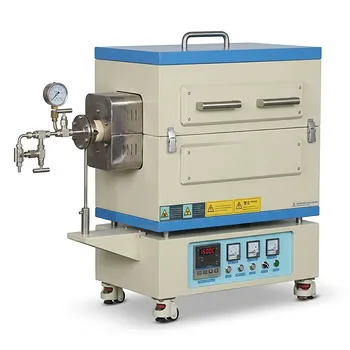
High Temperature Split Tube Furnace 1500C for Material Research Vacuum and Atmosphere Thermal Processing

High Temperature 1700C Vertical Tube Furnace for Powder Spherification and Material Sintering
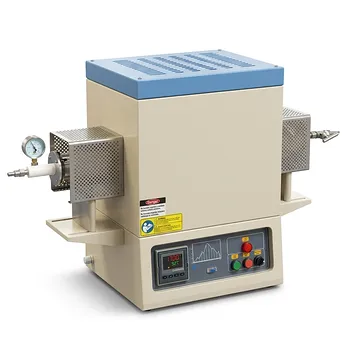
High Temperature Three Zone Tube Furnace 1700C with Alumina Tube and Water Cooled Flanges
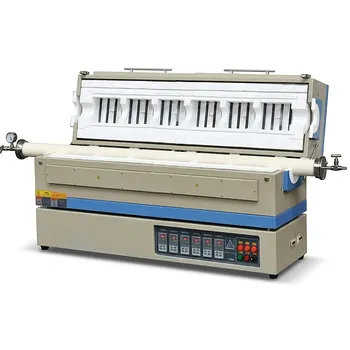
High Temperature 1700C Six Zone Split Tube Furnace with Alumina Tube and Water Cooled Flanges
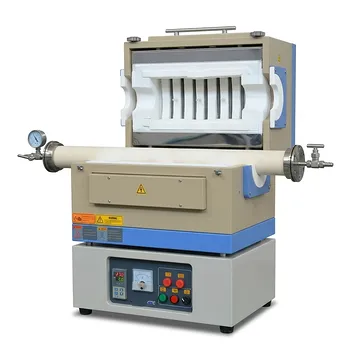
High Temperature 1600C Split Tube Furnace Vacuum Flanges Valves Optional 60mm 80mm Alumina Tube

High Temperature Automated 5 Inch Tube Furnace for Autonomous Material Research and Advanced Laboratory R&D

1100C Tube Furnace with Vacuum Flange and Programmable Temperature Controller for Material Science and Industrial Heat Treatment
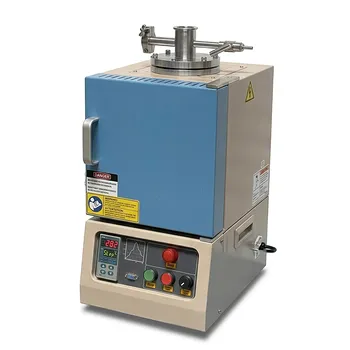
High Temperature Hybrid Muffle and Tube Furnace with Vacuum Capability and PID Control
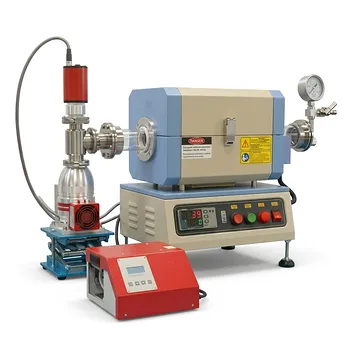
High Vacuum Compact Tube Furnace 1200C with Integrated Turbo Pump System and 8 Inch Heating Zone
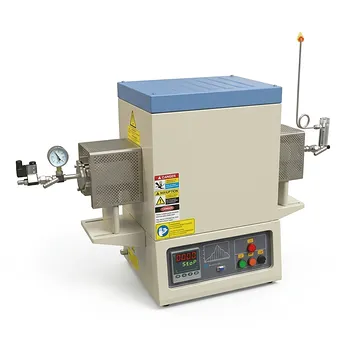
1700C Hydrogen Gas Tube Furnace with 60mm Alumina Process Tube and Integrated Hydrogen Safety Detector
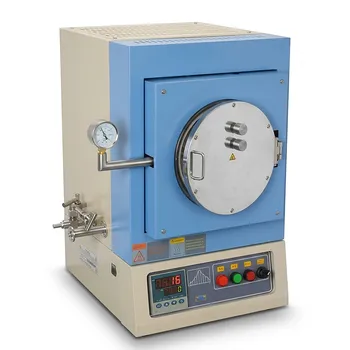
1100°C High Temperature Quartz Chamber Furnace 8 Inch OD with 7.6 Liter Capacity and Vacuum Atmosphere Capability
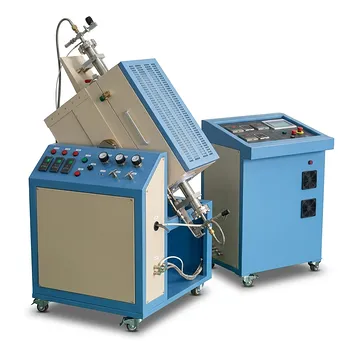
1100C High Pressure Rocking Tube Furnace with 2 Inch Super Alloy Processing Tube for Material Synthesis