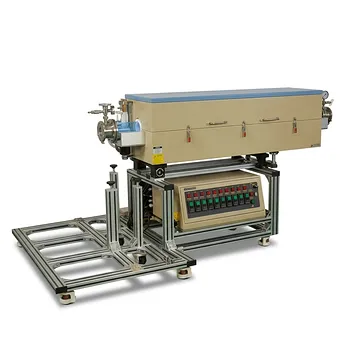
Why is a High-Temperature Tube Furnace essential for PET-to-graphene? Mastering precision pyrolysis for nanomaterials.
Updated 3 months ago
A High-Temperature Tube Furnace is the critical reactor for graphene synthesis because it provides a strictly controlled, oxygen-free environment that prevents PET plastic from burning. By maintaining an inert atmosphere and precise thermal ramp rates, the furnace enables the molecular chains of waste plastic to reorganize into structured, layered graphene rather than simply decomposing into ash or gas.
Core Takeaway: Converting PET to graphene requires a precise "molecular origami" approach where heat is used to break and reform chemical bonds without oxygen. The tube furnace acts as a specialized isolation chamber that ensures thermal energy leads to carbon reorganization instead of combustion.
The Necessity of an Oxygen-Free Environment
Preventing Combustion and Oxidation
The primary challenge in processing PET (polyethylene terephthalate) at high temperatures is its reactivity with oxygen. In a standard heating environment, PET would undergo combustion, resulting in carbon dioxide and water vapor rather than solid carbon.
A tube furnace utilizes a sealed environment and a continuous flow of inert gases, such as nitrogen or argon. This flow effectively purges all oxygen from the chamber, creating an "oxygen-deficient" setting that is mandatory for the carbonization process to occur.
Ensuring Product Purity
By maintaining a constant gas flow (such as 10 ml per minute of high-purity nitrogen), the furnace ensures that no atmospheric contaminants interfere with the reaction. This prevents the newly formed graphene flakes from oxidizing at extreme temperatures.
The result is a high-purity carbon product with the specific physicochemical properties required for industrial applications. Without this atmospheric sealing, the resulting material would lack the necessary consistency and chemical integrity.
Precision Thermal Control for Molecular Reorganization
Managing Complex Heating Curves
The conversion of a complex polymer like PET into a single-atom-thick layer of graphene is not a single-step event. It requires a specific ramp rate, often cited at 10°C per minute, to allow the material to transition through various stages of decomposition and reorganization.
Tube furnaces allow operators to program precise heating curves, ensuring the material is not thermally shocked. This gradual increase in temperature is essential for the "directional reorganization" of molecular chains into stable carbon skeletons.
Achieving High-Temperature Thresholds
Pyrolysis and the subsequent phase transformation into graphene typically require temperatures reaching up to 1000°C or higher. High-temperature tube furnaces are designed to maintain these extreme environments stably over long durations.
These high temperatures are necessary to break the tough atomic bonds within the PET plastic and facilitate the thermodynamic anchoring of carbon atoms into the desired hexagonal lattice. At lower or less stable temperatures, the plastic may only convert into amorphous carbon rather than high-quality graphene.
Uniformity and Structural Integrity
Temperature Field Uniformity
For graphene to grow uniformly, the thermal energy must be applied equally across the entire precursor material. Tube furnaces provide excellent temperature field uniformity, ensuring that every part of the PET sample experiences the same thermal conditions.
This uniformity prevents "hot spots" that could cause localized over-processing or structural defects. Consistency in the thermal field is the key to ensuring the resulting composite material possesses high-quality crystalline structures.
Controlling Phase Transformation
The furnace allows for the accurate regulation of the reaction atmosphere, which is critical for phase transformation. By adjusting temperature gradients, researchers can ensure that the nanoparticles achieve the desired crystallinity and specific surface area.
In more advanced setups, such as Chemical Vapor Deposition (CVD), the tube furnace also regulates the flow of auxiliary gases like hydrogen or methane. This allows the carbon source to grow uniformly on substrates, resulting in controllable graphene structures.
Understanding the Trade-offs
Energy Intensity and Operational Costs
The primary trade-off of using a high-temperature tube furnace is the significant energy consumption required to maintain temperatures above 800°C. These units require specialized power infrastructure and can be expensive to operate continuously.
Throughput and Scalability Limits
While tube furnaces provide unmatched precision for laboratory and pilot-scale research, they often face limitations in batch size. Transitioning from the confined volume of a quartz or ceramic tube to large-scale industrial production requires significant engineering shifts to maintain the same level of atmospheric purity.
Maintenance and Material Wear
Operating at 1000°C in the presence of decomposing plastics creates a harsh environment for the equipment. Carbon buildup on the tube walls and the degradation of seals can lead to oxygen leaks or uneven heating, necessitating regular maintenance and part replacement.
How to Apply This to Your Project
When selecting or operating a tube furnace for PET-to-graphene conversion, your goals should dictate your technical parameters.
- If your primary focus is High-Purity Graphene: Prioritize a furnace with superior atmosphere sealing and use high-purity argon to ensure a completely inert reaction zone.
- If your primary focus is Structural Consistency: Focus on the precision of your ramp rates and the uniformity of the heating zone to ensure uniform molecular reorganization.
- If your primary focus is Catalyst Integration: Ensure the furnace can handle precise gas flow regulation to facilitate the anchoring of metallic atoms onto the carbon matrix during the pyrolysis phase.
The high-temperature tube furnace is the indispensable bridge that turns plastic waste into a high-value nanomaterial through the mastery of heat and atmosphere.
Summary Table:
| Key Feature | Role in PET-to-Graphene Conversion | Benefit to Material Quality |
|---|---|---|
| Inert Atmosphere | Prevents PET combustion by purging oxygen with N2/Ar | High-purity carbon without oxidation |
| Precise Ramp Rates | Manages gradual molecular chain reorganization | Stable hexagonal graphene lattice |
| 1000°C+ Capability | Breaks polymer bonds & facilitates phase transformation | Efficient conversion of waste to graphene |
| Thermal Uniformity | Ensures even heat distribution across the precursor | Consistent crystalline structure & fewer defects |
Transform Your Material Research with THERMUNITS Precision Engineering
As a leading manufacturer of high-temperature laboratory equipment, THERMUNITS empowers researchers and industrial R&D teams to convert plastic waste into high-value graphene with unmatched accuracy. Our specialized Tube Furnaces, CVD/PECVD systems, and Vacuum Furnaces provide the rigorous atmospheric control and thermal stability required for complex carbon reorganization.
Whether your project involves material science breakthroughs or industrial scaling, our comprehensive range—including Muffle, Atmosphere, Rotary, and Hot Press furnaces, as well as VIM systems—is engineered to meet the strictest heat treatment standards.
Ready to optimize your graphene synthesis process? Contact our thermal experts today to find the perfect equipment for your laboratory needs!
References
- Duy Khiem Nguyen, Nguyen Thi Hong Phuong Phuong. Preparation of graphene from polyethylene terephthalate (PET) bottle wastes and its use for the removal of Methylene blue from aqueous solution. DOI: 10.62239/jca.2024.030
Mentioned Products
- High Temperature Tube Furnace 1500C with Sliding Flanges and 50mm OD for Rapid Thermal Processing Fast Heating and Cooling
- High Temperature 1700C Tube Furnace with High Vacuum Turbomolecular Pump System and Multi Channel Mass Flow Controller Gas Mixer
- High Temperature 1700C Benchtop Tube Furnace with 5 Inch Heating Zone High Purity Alumina Tube and Vacuum Sealing Flanges
- 1750°C High Temperature Benchtop Vacuum Atmosphere Tube Furnace with Kanthal Super 1800 Heating Elements and 60mm Alumina Processing Tube
- Compact High Temperature 1600C Tube Furnace with 50mm Alumina Tube and Vacuum Flanges for Material Sintering
People Also Ask
- How are high-temperature tube furnaces utilized to repair etching damage? Precision Lattice Restoration Solutions
- What role does a high-temperature tube furnace play in CVD synthesis of silicon nanowires? Master VLS Growth Precision.
- What core conditions does a high-temperature tube furnace provide for rGO aerogels? Mastering Precision Synthesis.
- What role does a high-temperature tube furnace play in the sulfidation heat treatment of CoS@C/MXene nanocomposites? Guide
- How does precision tube furnace control influence CoFe nanoparticle formation? Master Your Bimetallic Synthesis.

Tech Team · ThermUnits
Last updated on Jun 03, 2026
Related Products

High Temperature Tube Furnace 1500C with Sliding Flanges and 50mm OD for Rapid Thermal Processing Fast Heating and Cooling

High Temperature 1700C Tube Furnace with High Vacuum Turbomolecular Pump System and Multi Channel Mass Flow Controller Gas Mixer

High Temperature 1700C Benchtop Tube Furnace with 5 Inch Heating Zone High Purity Alumina Tube and Vacuum Sealing Flanges
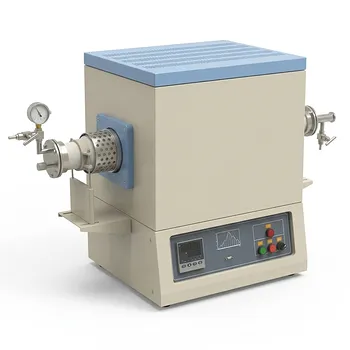
1750°C High Temperature Benchtop Vacuum Atmosphere Tube Furnace with Kanthal Super 1800 Heating Elements and 60mm Alumina Processing Tube

Compact High Temperature 1600C Tube Furnace with 50mm Alumina Tube and Vacuum Flanges for Material Sintering
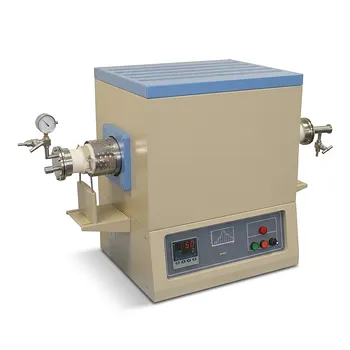
1700C High Temperature Alumina Tube Furnace with 18 Inch Heated Zone and Vacuum Sealing Flanges

1800C High Temperature Compact Vacuum Tube Furnace with 60mm OD Alumina Tube and Kanthal MoSi2 Heating Elements
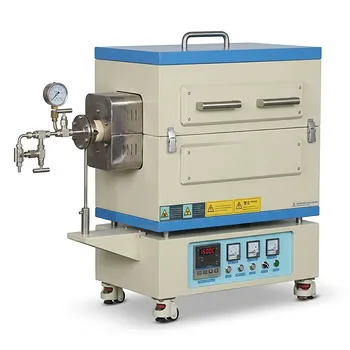
High Temperature Split Tube Furnace 1500C for Material Research Vacuum and Atmosphere Thermal Processing

High Temperature 1700C Vertical Tube Furnace for Powder Spherification and Material Sintering
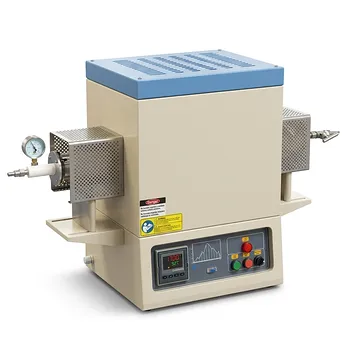
High Temperature Three Zone Tube Furnace 1700C with Alumina Tube and Water Cooled Flanges

High Temperature 1700C Six Zone Split Tube Furnace with Alumina Tube and Water Cooled Flanges
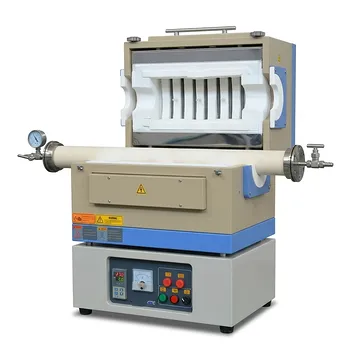
High Temperature 1600C Split Tube Furnace Vacuum Flanges Valves Optional 60mm 80mm Alumina Tube

High Temperature Automated 5 Inch Tube Furnace for Autonomous Material Research and Advanced Laboratory R&D

1100C Tube Furnace with Vacuum Flange and Programmable Temperature Controller for Material Science and Industrial Heat Treatment
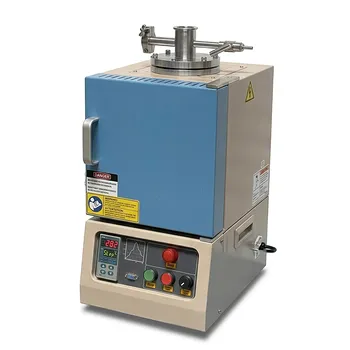
High Temperature Hybrid Muffle and Tube Furnace with Vacuum Capability and PID Control
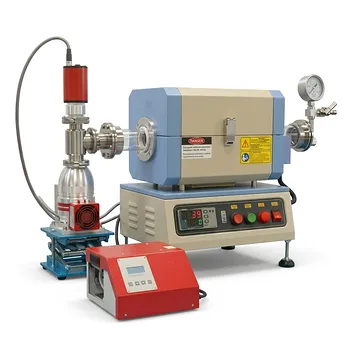
High Vacuum Compact Tube Furnace 1200C with Integrated Turbo Pump System and 8 Inch Heating Zone

1700C Hydrogen Gas Tube Furnace with 60mm Alumina Process Tube and Integrated Hydrogen Safety Detector
1100°C High Temperature Quartz Chamber Furnace 8 Inch OD with 7.6 Liter Capacity and Vacuum Atmosphere Capability
1100C High Pressure Rocking Tube Furnace with 2 Inch Super Alloy Processing Tube for Material Synthesis