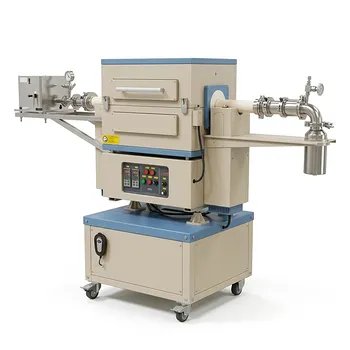
Why is a high vacuum or atmosphere furnace essential for the solid-state synthesis of high-entropy perovskite materials?
Updated 6 months ago
The synthesis of high-entropy perovskite materials requires extreme environmental control to prevent irreversible chemical degradation. Specifically, high vacuum or controlled atmosphere furnaces are essential because they isolate oxygen-sensitive components like manganese and maintain the precise nitrogen stoichiometry required for unique physical properties, such as anomalous thermal expansion.
A high vacuum or atmosphere furnace acts as a chemical barrier and a kinetic catalyst. By eliminating reactive gases and providing a stable thermal field, it ensures the formation of a single-phase crystal structure while preventing the oxidation of metallic precursors.
Preventing Oxidation and Chemical Degradation
The Vulnerability of Manganese and Metallic Components
High-entropy perovskite nitrides, such as the Mn3AN type, are extremely sensitive to the presence of oxygen during high-temperature processing. Without a high vacuum or a nitrogen protective atmosphere, metallic components—particularly manganese—will oxidize rapidly, destroying the intended perovskite lattice.
Maintaining a Reductive Environment
A high-vacuum furnace creates an environment with extremely low oxygen partial pressure (often down to 10⁻⁶ Torr). This reductive setting is critical for reducing the chemical potential of cations, ensuring that the metals remain in their desired oxidation states throughout the synthesis.
Achieving Stoichiometric and Phase Precision
Controlling Nitrogen Stoichiometry
In nitride-based perovskites, the internal nitrogen stoichiometry directly determines the material's performance, such as its thermal expansion characteristics. A controlled atmosphere furnace allows for precise pressure regulation, which prevents nitrogen loss and maintains the balance required for the material's functional properties.
Ensuring Phase Purity via Diffusion
Solid-state synthesis relies on the continuous thermal energy provided by the furnace to drive the diffusion of precursor powders. Precise control over heating rates and isothermal holding times ensures that components rearrange sufficiently to form a single-phase perovskite structure without impurity phases.
Driving Atomic Rearrangement
High temperatures (often exceeding 1300°C) facilitate atomic diffusion and grain boundary migration. This environment is necessary for the elimination of internal stress and the optimization of the crystal structure, which are vital for experimental repeatability.
Enabling Surface and Structural Engineering
Inducing Cation Exsolution
Controlled atmospheres, specifically those using reducing gas mixtures like H2/Ar, can force specific metal cations (such as nickel or cobalt) to migrate from the lattice to the surface. This process, known as exsolution, results in the formation of uniformly distributed nanoparticles that are essential for catalytic applications.
Managing Solvent and Organic Residues
Laboratory furnaces provide the stable thermal environment required to completely remove solvent residues and organic components from precursor powders. This "cleaning" step ensures that no carbonaceous impurities interfere with the subsequent solid-state reaction.
Understanding the Trade-offs
The Risk of Over-Reduction
While a vacuum is necessary to prevent oxidation, an excessively high vacuum or an overly aggressive reducing atmosphere can lead to unintended reduction. This may cause the perovskite structure to collapse or lead to the loss of volatile components, compromising the material's integrity.
Equipment Sensitivity and Gas Precision
The success of the synthesis is highly dependent on the sealing integrity of the furnace. Even minor leaks can introduce enough oxygen to ruin a batch, and inconsistent gas flow rates can result in a broad distribution of nanoparticle sizes rather than the desired uniform surface morphology.
How to Apply This to Your Project
When selecting a furnace for high-entropy perovskite synthesis, your choice must align with your specific material chemistry and structural goals.
- If your primary focus is oxidation prevention in nitrides: Use a furnace capable of maintaining a high-purity nitrogen atmosphere with precise pressure regulation to protect manganese components.
- If your primary focus is nanoparticle exsolution: Opt for a controlled atmosphere furnace with integrated mass flow controllers for precise H2/Ar gas ratios to drive cation migration.
- If your primary focus is phase purity and high density: Prioritize a vacuum sintering furnace capable of reaching at least 1360°C to ensure sufficient atomic diffusion and grain growth.
- If your primary focus is removing precursors and organics: A standard laboratory muffle furnace with programmable ramping is sufficient for the initial calcination of powders.
By mastering the atmospheric conditions of your furnace, you gain total control over the delicate chemical balance and structural evolution of high-entropy materials.
Summary Table:
| Key Feature | Function in Synthesis | Benefit for Perovskites |
|---|---|---|
| High Vacuum (10⁻⁶ Torr) | Eliminates reactive oxygen | Prevents Mn oxidation & lattice failure |
| Atmosphere Control | Nitrogen/Reducing gas regulation | Maintains stoichiometry & enables exsolution |
| Precise Temp Control | Stable thermal energy field | Drives atomic diffusion & phase purity |
| High Temp Capability | 1300°C+ isothermal holding | Facilitates grain growth & structural optimization |
Elevate Your Material Research with THERMUNITS
Precision is paramount in high-entropy material synthesis. THERMUNITS is a leading manufacturer of high-temperature laboratory equipment, providing the advanced thermal processing solutions required for cutting-edge material science and industrial R&D.
Our comprehensive range includes Vacuum, Atmosphere, Tube, Muffle, Rotary, and Hot Press furnaces, as well as CVD/PECVD systems, Vacuum Induction Melting (VIM) furnaces, and high-quality thermal elements. We help researchers achieve the exact environmental control needed to prevent oxidation, manage stoichiometry, and ensure single-phase crystal structures.
Ready to optimize your heat treatment process? Contact our experts today for a tailored solution and discover how our expertise can drive your next breakthrough.
References
- Xiuliang Yuan, Cong Wang. High‐Entropy Anti‐Perovskites with Enhanced Negative Thermal Expansion Behavior. DOI: 10.1002/adfm.202404629
Mentioned Products
- High Temperature Vertical Atmosphere Controlled Furnace with Automatic Bottom Loading and 1700°C Capacity for Advanced Material Research
- High Temperature Vertical Atmosphere Controlled Furnace 1700C Automatic Bottom Loading 13 Liter Vacuum Thermal System
- 1750°C High Temperature Benchtop Vacuum Atmosphere Tube Furnace with Kanthal Super 1800 Heating Elements and 60mm Alumina Processing Tube
- Atmosphere Controlled Muffle Furnace 1700C Maximum Temperature 80L High Capacity Vacuum Inert Gas Box Furnace
- High Temperature 1000C Vacuum Furnace with 8 Inch ID Chamber for Material Sintering and Research Annealing
People Also Ask
- What role does atmosphere control play in technical ceramics and glass? Master Material Purity and Precision
- What is the function of a vertical tube furnace in MnOx-SiO2 research? Precision Control & Quenching
- What's the Role of Tube Furnaces in FeCuS-N-C Synthesis? Precision Pyrolysis & Atmosphere Control
- What role does a high-temperature atmosphere furnace play in the direct electrochemical reduction of CO2? - Key Insights
- What is the function of a high-temperature tube furnace with atmosphere control? Optimize Carbonization of Composites

Tech Team · ThermUnits
Last updated on Apr 14, 2026
Related Products
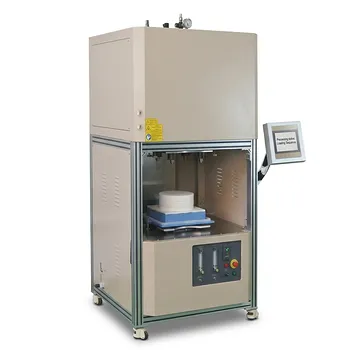
High Temperature Vertical Atmosphere Controlled Furnace with Automatic Bottom Loading and 1700°C Capacity for Advanced Material Research
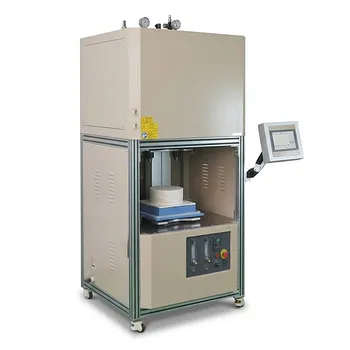
High Temperature Vertical Atmosphere Controlled Furnace 1700C Automatic Bottom Loading 13 Liter Vacuum Thermal System
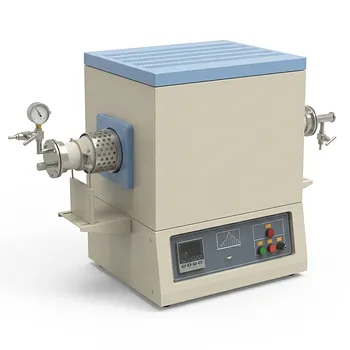
1750°C High Temperature Benchtop Vacuum Atmosphere Tube Furnace with Kanthal Super 1800 Heating Elements and 60mm Alumina Processing Tube
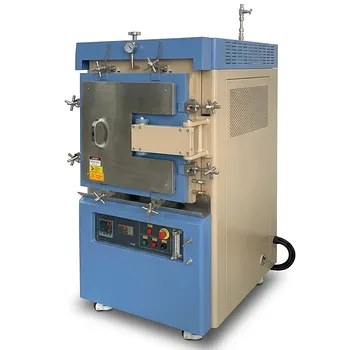
Atmosphere Controlled Muffle Furnace 1700C Maximum Temperature 80L High Capacity Vacuum Inert Gas Box Furnace
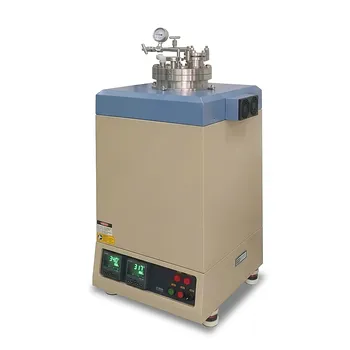
High Temperature 1000C Vacuum Furnace with 8 Inch ID Chamber for Material Sintering and Research Annealing
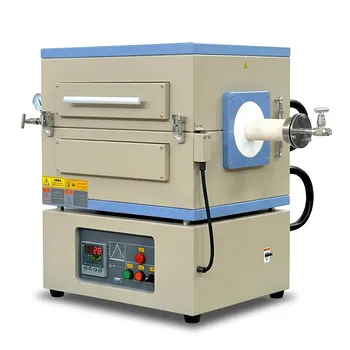
1500°C Split Tube Furnace with Alumina Tube and Vacuum Sealing Flanges for Material Research
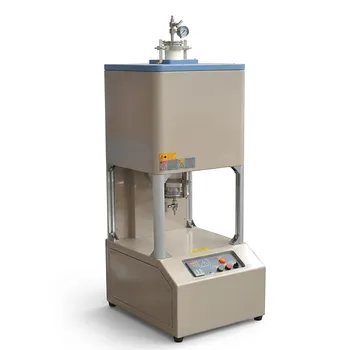
Vertical 1700C Vacuum and Atmosphere Tube Furnace with 80mm Alumina Tube
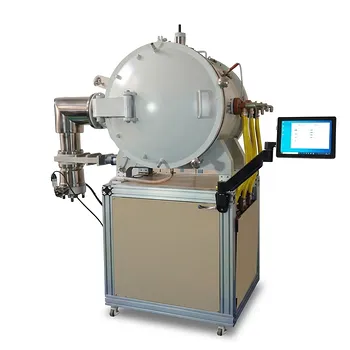
High Temperature Cold Wall Vacuum Furnace for Advanced Material Sintering and Annealing 1600C Heating Area 200x200x300mm
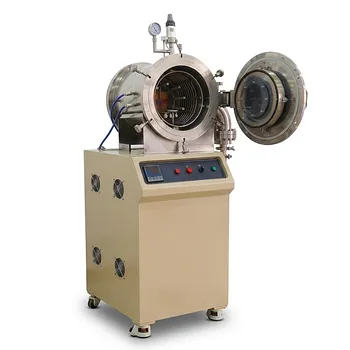
High Temperature Cold Wall High Vacuum Chamber Furnace 1400C for Advanced Material Processing
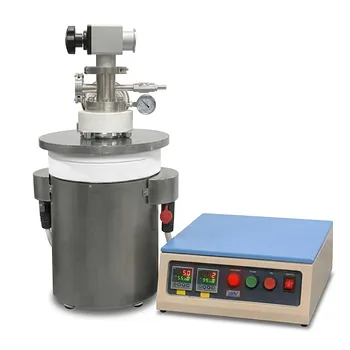
1100C High Temperature Vacuum Crucible Furnace with Quartz Chamber for Thermal Processing and Sintering
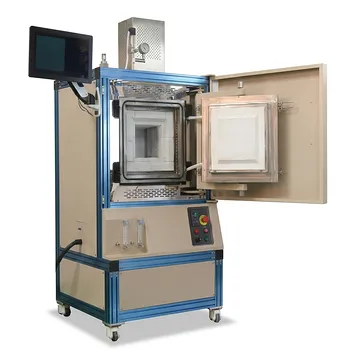
High Temperature Hydrogen Atmosphere Box Furnace 1650C Max Reducing Environment Material Synthesis System 8x8x8 Chamber
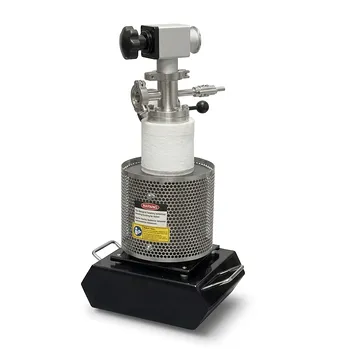
High Temperature 1100C Compact Top Loading Vertical Vacuum Tube Furnace for High Vacuum Noble Metal Melting and Material Research
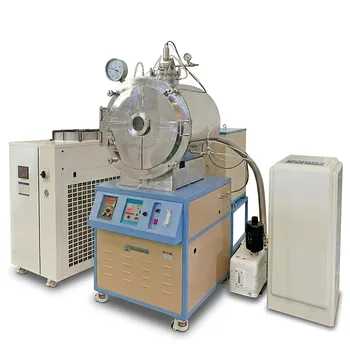
Ultra High Temperature Induction Heated Vacuum Furnace with Molten Salt Electrolysis Capability and 3000 Degree Precision Control
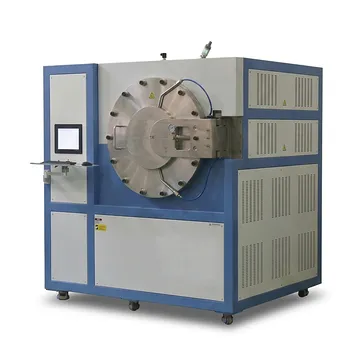
High Vacuum Pressure Chamber Furnace 800C 3.5 Bar Sintering System for Superconducting Materials
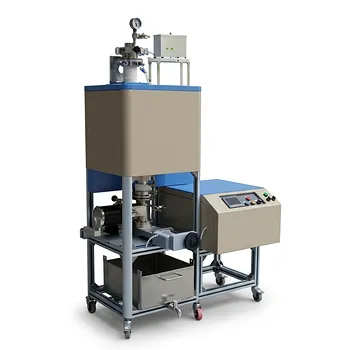
High Temperature 1700C Vertical Tube Furnace for Powder Spherification and Material Sintering
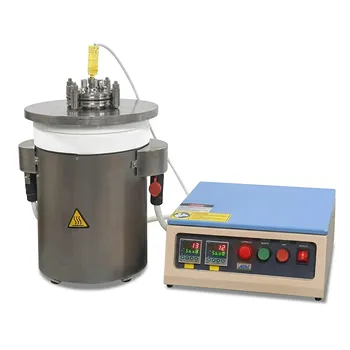
600°C Vertical Crucible Furnace with SS316 Alloy Reactor and 6 Port Vacuum Flange
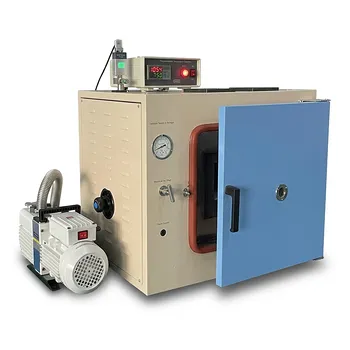
Compact High Vacuum Box Furnace 1050C Max 6.2L Ceramic Chamber Stainless Steel Shell Programmable Temperature Controller for Material Science Research
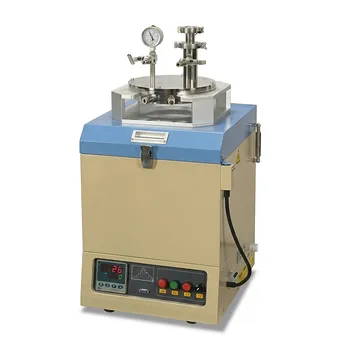
Vertical Vacuum Furnace 1100C High Temperature 8 Inch Quartz Chamber Water Cold Flange System
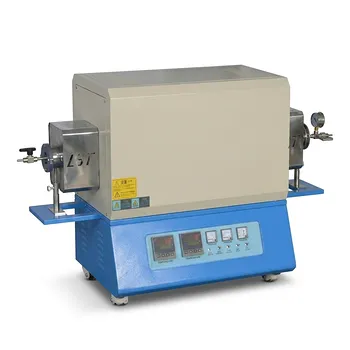
High Temperature Dual Zone Vacuum Tube Furnace for Material Research and CVD Processing