Why is a high vacuum pump used to evacuate steel capsules before the hot forming of titanium aluminum alloy green bodies?
Updated 3 months ago
The use of a high vacuum pump is critical to eliminate residual gases that would otherwise expand during heating and compromise the material’s integrity. By creating a near-total negative pressure environment, the pump ensures that no trapped air remains inside the steel capsule before it is sealed. This preventative step is essential to avoid the formation of internal air pockets, which would lead to high porosity and structural weakness during the subsequent hot forming process.
Core Takeaway: Evacuating steel capsules with a high vacuum pump is a mandatory step to prevent gas-induced porosity and oxidation. This process ensures that the titanium aluminum alloy achieves maximum density and maintains its intended mechanical properties during high-temperature deformation.
Preventing Structural Defects through Gas Exclusion
Eliminating the Risk of Gas Expansion
At the extreme temperatures required for hot forming, any residual air trapped within a sealed capsule will expand significantly. This expansion creates internal pressure that resists the consolidation of the titanium aluminum green body. If these gases are not removed, they form persistent air pockets that result in high porosity within the final component.
Ensuring Maximum Material Density
High-density components are required for the demanding applications where titanium aluminum alloys are typically used. By thoroughly excluding gases before sealing, the vacuum pump allows for a seamless "thermal upsetting" or compression process. This results in a fully consolidated part with a uniform microstructure and superior structural integrity.
Protecting Internal Pore Networks
"Green bodies" are essentially porous preforms made of compressed powder that have not yet been fully sintered or densified. Because these bodies contain a network of interconnected pores, a high vacuum is necessary to "pull" air out from the very center of the material. Without a high-efficiency pump, residual moisture or air would remain trapped deep within the green body’s structure.
Protecting Chemical Integrity at High Temperatures
Mitigating Extreme Chemical Reactivity
Titanium alloys are notoriously reactive with oxygen, nitrogen, and moisture when exposed to high temperatures. A high vacuum environment reduces the oxygen partial pressure to a level where these reactions cannot occur. This prevents the formation of brittle surface layers or internal contamination that would degrade the alloy's performance.
Maintaining Material Ductility
Exposure to even trace amounts of oxygen during hot forming can lead to "oxygen gain," which significantly increases the brittleness of the titanium strip or component. The vacuum pump establishes a pure starting environment, often followed by inert gas displacement, to ensure the final product retains its necessary ductility. This is particularly vital for achieving the specific phase compositions, such as gamma or alpha-2 phases, required for aerospace or automotive standards.
Preventing Secondary Oxidation
Even if the capsule is sealed, any gas left inside will react with the alloy surface the moment heat is applied. This secondary oxidation can interfere with the homogenization of the alloy and the diffusion of atoms during the forming process. Pre-evacuation to levels as low as 10⁻² Pa ensures that the microstructural engineering—such as grain morphology control—remains precise and predictable.
Understanding the Trade-offs
Process Complexity vs. Component Quality
Implementing a high vacuum stage adds time and specialized equipment costs to the manufacturing cycle. However, for high-performance alloys like TiAl, this is not an optional "extra" but a fundamental requirement for structural viability. Attempting to bypass or rush the evacuation process almost always results in a high scrap rate due to internal voiding.
Equipment Sensitivity and Maintenance
High vacuum pumps and the associated seals on steel capsules are sensitive to contamination and must be meticulously maintained. Any leak in the capsule or a failure in the pump’s ability to reach the required pressure will lead to inconsistent material properties. While the cost of maintaining this "clean" environment is high, the cost of a component failure in the field is significantly higher.
How to Apply This to Your Process
Achieving a high-quality titanium aluminum component requires a disciplined approach to the evacuation phase. Your specific vacuum requirements will depend on the final application of the part.
- If your primary focus is Maximum Structural Strength: Prioritize a longer evacuation duration at higher vacuum levels (lower Pa) to ensure every internal pore of the green body is cleared of residual gas.
- If your primary focus is Surface Finish and Ductility: Ensure the vacuum pump is capable of removing all moisture and oxygen to prevent the formation of a brittle "alpha case" on the alloy surface.
- If your primary focus is Phase Composition Control: Use the vacuum pump to establish a pure baseline before introducing high-purity argon, allowing for precise control over the thermal environment and phase transformations.
A high vacuum pump is the technical gatekeeper that ensures a titanium aluminum alloy transitions from a fragile green body to a high-performance, dense engineering component.
Summary Table:
| Key Feature | Role in Hot Forming | Material Benefit |
|---|---|---|
| Gas Exclusion | Eliminates residual air/moisture | Prevents internal pores and gas expansion |
| Oxidation Control | Reduces oxygen partial pressure | Maintains ductility and prevents brittle layers |
| Pressure Stability | Creates total negative pressure | Ensures maximum density and uniform structure |
| Phase Protection | Establishes pure environment | Enables precise control of gamma/alpha-2 phases |
Elevate Your Material Research with THERMUNITS Precision
Achieving a flawless microstructure in titanium aluminum alloys requires uncompromising vacuum control and thermal precision. THERMUNITS is a leading manufacturer of high-temperature laboratory equipment dedicated to material science and industrial R&D. We empower your research with a comprehensive range of thermal solutions, including Vacuum, Atmosphere, and Hot Press furnaces, Vacuum Induction Melting (VIM) systems, and CVD/PECVD units.
Whether you are processing green bodies or refining advanced alloys, our equipment ensures the high-purity environments necessary to prevent oxidation and structural defects.
Ready to optimize your heat treatment process? Contact our technical experts today to find the ideal solution for your laboratory.
References
- Sebastian Döring. Effect of different oxide layer shares on the upsetting of titanium aluminide specimens. DOI: 10.21741/9781644903131-105
Mentioned Products
- 1900C Maximum High Temperature 7KW Vacuum Induction Melting System with 60mm Quartz Tube and Manual Temperature Control for Metallic Alloy Research
- High Temperature Induction Melting System with Integrated Ultra High Purity Glove Box for Metallic Alloy Processing
- High Vacuum Melting Casting Furnace with Mechanical Stirring and Secondary Charge for Metallic Alloy Research
- 1750°C High Temperature Benchtop Vacuum Atmosphere Tube Furnace with Kanthal Super 1800 Heating Elements and 60mm Alumina Processing Tube
- High Temperature Vacuum Lamination Hot Press Furnace Machine for Semiconductor Wafer Bonding and Advanced Composite Thermal Processing
People Also Ask
- What is the primary role of a Vacuum Induction Melting furnace in the smelting of Fe-Cr-N alloys? Ensuring High Purity
- How does a Vacuum Induction Melting furnace heat materials while preventing atmospheric contamination? Achieve High Purity
- What are the key structural components that make up a Vacuum Induction Melting (VIM) furnace system? Full Guide
- How does the skin effect influence VIM frequency selection? Optimize Heat Penetration & Stirring Efficiency
- What technical advantages does Vacuum Induction Melting offer regarding alloy homogeneity and purity? Enhance Performance

Tech Team · ThermUnits
Last updated on Jun 02, 2026
Related Products
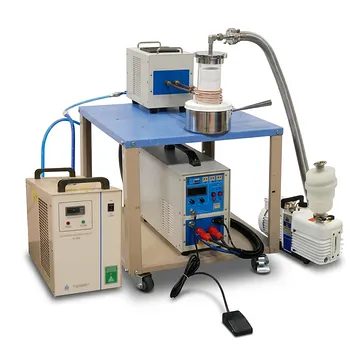
1900C Maximum High Temperature 7KW Vacuum Induction Melting System with 60mm Quartz Tube and Manual Temperature Control for Metallic Alloy Research
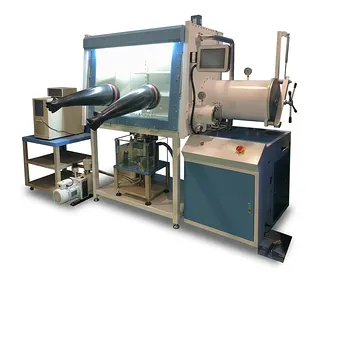
High Temperature Induction Melting System with Integrated Ultra High Purity Glove Box for Metallic Alloy Processing
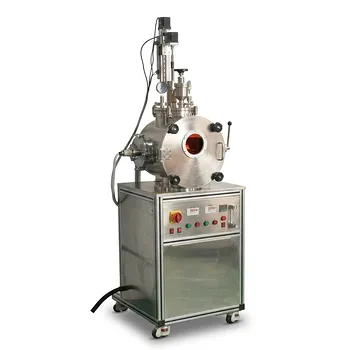
High Vacuum Melting Casting Furnace with Mechanical Stirring and Secondary Charge for Metallic Alloy Research
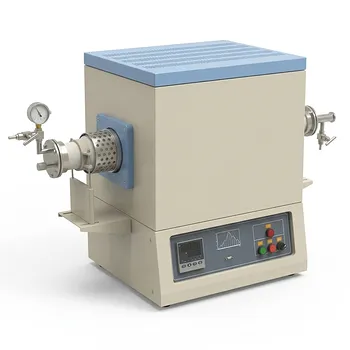
1750°C High Temperature Benchtop Vacuum Atmosphere Tube Furnace with Kanthal Super 1800 Heating Elements and 60mm Alumina Processing Tube
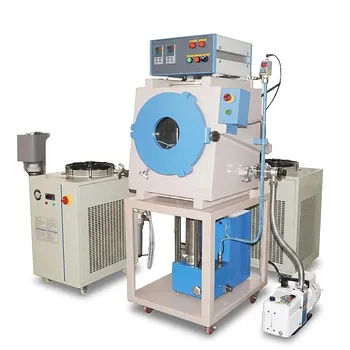
High Temperature Vacuum Lamination Hot Press Furnace Machine for Semiconductor Wafer Bonding and Advanced Composite Thermal Processing
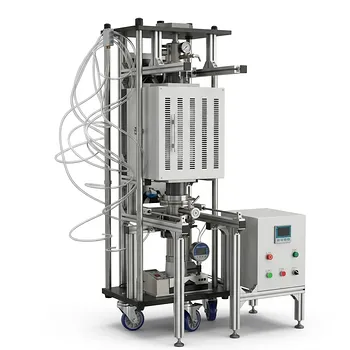
Industrial High Temperature Vacuum Hot Press Furnace and Heated Vacuum Press Machine for Material Science Sintering
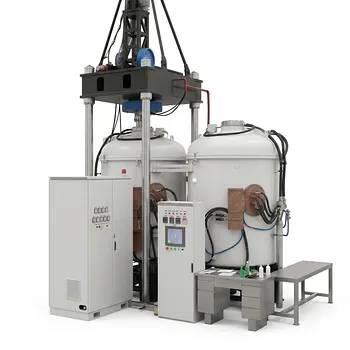
High Pressure 600T Vacuum Induction Hot Press Furnace for Advanced Material Heat Treatment and Sintering
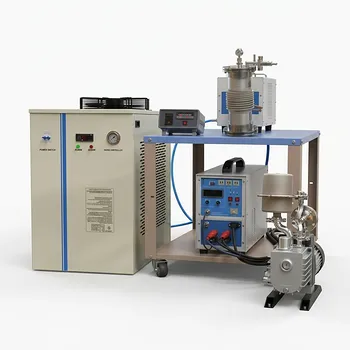
Induction Heating System with Temperature Control for High Temperature Vacuum Sintering and Melting

1800C High Temperature Compact Vacuum Tube Furnace with 60mm OD Alumina Tube and Kanthal MoSi2 Heating Elements
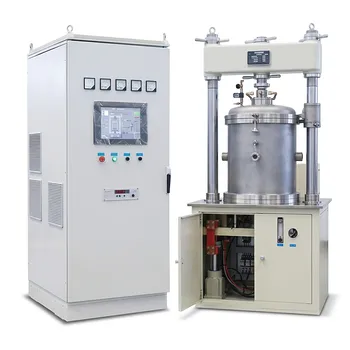
Industrial Vacuum Hot Press Furnace Machine and High Temperature Heated Vacuum Press for Advanced Material Sintering
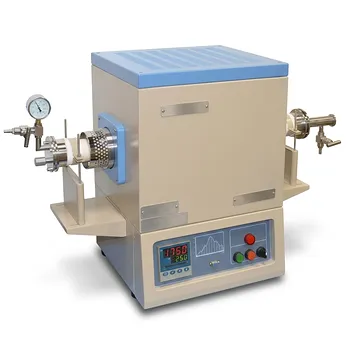
High Temperature Compact Vacuum Tube Furnace 1750C Max 60mm OD Alumina Tube
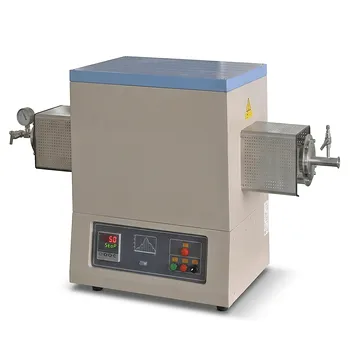
High Temperature 1700C Tube Furnace with 4 Inch OD Alumina Tube and Vacuum Sealing Flanges

Vertical 1700C Vacuum and Atmosphere Tube Furnace with 80mm Alumina Tube

High Temperature 1700C Benchtop Tube Furnace with 5 Inch Heating Zone High Purity Alumina Tube and Vacuum Sealing Flanges
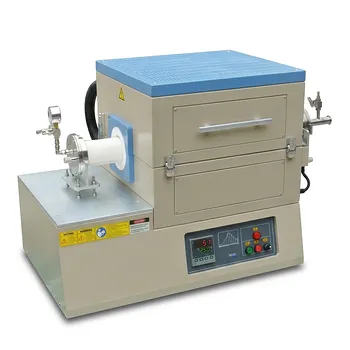
High Temperature 1700C Split Tube Furnace with Vacuum Flanges Valves and 60mm Alumina Tube
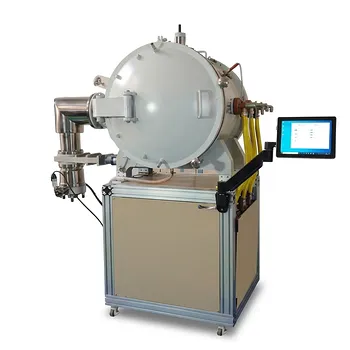
High Temperature Cold Wall Vacuum Furnace for Advanced Material Sintering and Annealing 1600C Heating Area 200x200x300mm

High Temperature 1700C Six Zone Split Tube Furnace with Alumina Tube and Water Cooled Flanges
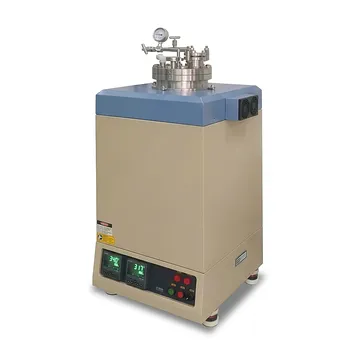
High Temperature 1000C Vacuum Furnace with 8 Inch ID Chamber for Material Sintering and Research Annealing
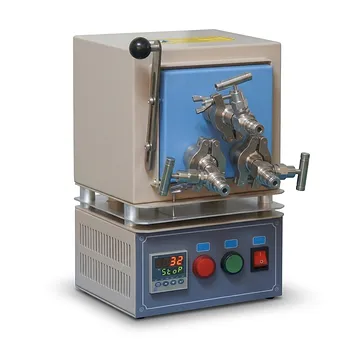
Triple Tube Compact Hybrid Muffle Furnace 1000C High Vacuum Thermal Processing System