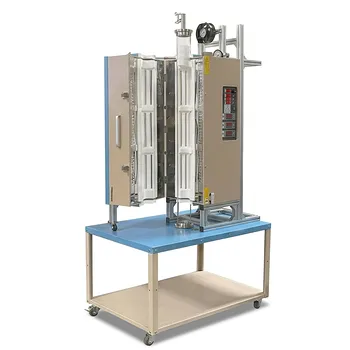
Why is a sealed quartz tube used for 500 °C Y2O2SO4 annealing? Expert guide to sulfur retention and phase purity.
Updated 3 months ago
A sealed quartz tube is essential for the synthesis of monoclinic Yttrium Oxysulfate ($Y_2O_2SO_4$) because it serves as a pressurized physical barrier that prevents the loss of volatile sulfur. At the 500 °C annealing temperature, sulfur sublimates rapidly; the sealed environment traps this vapor, maintaining the saturation pressure required for the intermediate to react fully. Without this containment, the sulfur would escape the system, causing the material to degrade into Yttrium Oxide ($Y_2O_3$) rather than forming the desired oxysulfate phase.
Core Takeaway: The sealed quartz tube creates a closed-system micro-environment that preserves the chemical stoichiometry of the reaction by inhibiting sulfur volatilization and shielding the sample from atmospheric contamination.
Preventing the Volatilization of Reactive Elements
Maintaining Sulfur Vapor Saturation
At 500 °C, elemental sulfur transitions into a gaseous state quite easily. By using a sealed quartz tube, the sulfur vapor reaches a vapor saturation pressure within the confined space, which physically prevents further evaporation from the precursor material.
Ensuring Kinetic Completion
The synthesis of $Y_2O_2SO_4$ requires the intermediate to undergo a complete chemical reaction with sulfur. The tube ensures a high concentration of sulfur vapor remains in direct contact with the solid reactants for the duration of the annealing process.
Avoiding Phase Transformation
If sulfur is allowed to escape the system, the reaction fails to produce the intended oxysulfate. Instead, the lack of sulfur leads to the formation of Yttrium Oxide ($Y_2O_3$), which is a more stable but undesirable byproduct in this specific synthesis.
Maintaining Stoichiometric and Atmospheric Integrity
Preserving Atomic Ratios
For sensitive compounds like yttrium oxysulfate, the final properties depend on a precise stoichiometric balance. The sealed environment ensures that no mass is lost to the surroundings, keeping the reactants in the exact atomic ratio required by the experimental design.
Isolation from External Contaminants
Quartz tubes provide a high degree of gas-tightness, which isolates the reaction from oxygen and moisture in the air. This prevents unwanted oxidation of the sulfur or the yttrium components, which could introduce impurities into the monoclinic structure.
Thermal and Chemical Stability
Quartz is chosen for this process because of its high-temperature chemical stability. It does not react with sulfur or yttrium at 500 °C, ensuring that the vessel itself does not contaminate the high-purity product during the long annealing hours.
Understanding the Trade-offs and Risks
Internal Pressure Limitations
While sealing the tube is necessary to retain sulfur, it also creates internal pressure as the temperature rises. If the amount of volatile material is too high or the seal is weak, the tube can explode, making precise calculation of the vapor volume critical for safety.
Complexity of the Sealing Process
Achieving a proper vacuum or inert seal in a quartz tube requires specialized equipment, such as an oxy-hydrogen torch. Improper sealing can lead to slow leaks, which gradually deplete the sulfur content and result in a non-uniform or biphasic end product.
Single-Use Limitations
In many high-temperature synthesis scenarios, the quartz tube must be broken to recover the sample. This makes the method resource-intensive compared to open-crucible methods, though it remains the only viable way to handle highly volatile components like sulfur or selenium.
How to Apply This to Your Synthesis Project
Making the Right Choice for Your Goal
- If your primary focus is phase purity: Utilize a vacuum-sealed quartz tube to ensure no sulfur escapes, preventing the formation of oxide impurities.
- If your primary focus is atmospheric control: Ensure the tube is flushed with an inert gas like argon before sealing to eliminate any trace oxygen that could interfere with the reaction.
- If your primary focus is safety and scalability: Calculate the expected vapor pressure at 500 °C to ensure the wall thickness of your quartz tube can withstand the internal stress.
The sealed quartz tube is not merely a container, but a functional component of the reaction that enables the synthesis of materials that would otherwise be chemically impossible to produce in an open environment.
Summary Table:
| Key Function | Technical Purpose | Impact on Final Product |
|---|---|---|
| Sulfur Retention | Prevents sublimation & vapor loss | Ensures monoclinic phase over Y2O3 |
| Atmospheric Isolation | Blocks Oxygen and Moisture | Prevents unwanted oxidation & impurities |
| Vapor Pressure Control | Maintains saturation pressure | Drives kinetic completion of the reaction |
| Chemical Stability | High-temp quartz resistance | Guarantees high-purity, no-contact contamination |
Optimize Your Material Synthesis with Precision Thermal Solutions
Achieving precise stoichiometric control in complex reactions like Yttrium Oxysulfate synthesis requires more than just a heat source—it requires a controlled environment. THERMUNITS is a leading manufacturer of high-performance laboratory and industrial thermal equipment. We empower researchers and R&D engineers with the tools needed for advanced material science.
Whether your project requires Vacuum Tube Furnaces for sealed quartz processing, CVD/PECVD systems, or specialized Atmosphere, Muffle, and Rotary furnaces, our solutions are engineered for uniformity and reliability. From Dental Furnaces to Vacuum Induction Melting (VIM) systems, we provide the hardware that ensures your synthesis projects succeed every time.
Ready to elevate your research?
Contact our technical experts today to find the perfect thermal processing solution for your laboratory needs.
References
- Maharram Jabrayilov, James A. Dorman. Impact of Structural Changes on Energy Transfer in the Anion-Engineered Re<sup>3+</sup>:Y<sub>2</sub>O<sub>3</sub> Through Low-Temperature Synthesis Approach. DOI: 10.1021/acs.jpcc.3c07132
Mentioned Products
- 1200C Four Zone Split Tube Furnace with Touch Screen Control and High Purity Quartz Tube and Vacuum Sealing Flanges
- Three Zone Tube Furnace with 11 Inch or 15 Inch Quartz Tube and Hinged Flanges for Vacuum Atmosphere Heat Treatment
- High Temperature 1200C Split Tube Furnace with Hinged Vacuum Flanges and 4 Inch Quartz Tube for Laboratory Research
- Compact Vertical Split Quartz Tube Furnace with Stainless Steel Vacuum Flanges for Rapid Thermal Quenching and Controlled Atmosphere Material Processing
- Three Zone Tube Furnace with 24 Inch Heating Length and Hinged Flange Quartz Tube System
People Also Ask
- What are the functions of a high-purity quartz tube in IF-MoS2 sulfurization? Ensure Purity and Precise Thermal Control
- What are the primary functions of a high-purity quartz tube furnace during the molten salt treatment of MXene? Expert Guide
- What are the technical advantages of using a multi-zone independently controlled tube furnace in the modified USP process?
- Why is a quartz tube furnace necessary for phosphorus-doped MoS2/GO preparation? Ensure Purity & Precise Synthesis
- What role does a single-temperature zone quartz tube furnace play in the growth of monolayer MoS2? Optimize 2D Synthesis

Tech Team · ThermUnits
Last updated on Jun 03, 2026
Related Products
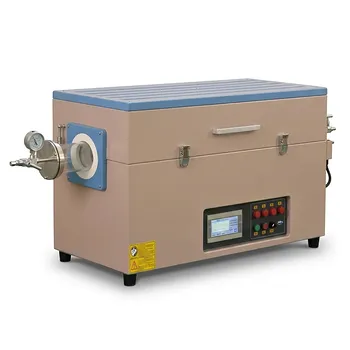
1200C Four Zone Split Tube Furnace with Touch Screen Control and High Purity Quartz Tube and Vacuum Sealing Flanges
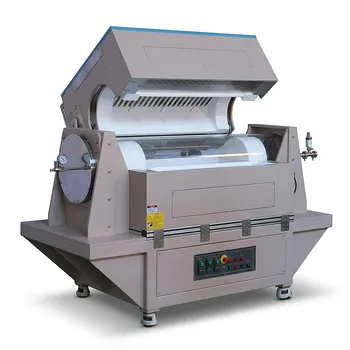
Three Zone Tube Furnace with 11 Inch or 15 Inch Quartz Tube and Hinged Flanges for Vacuum Atmosphere Heat Treatment
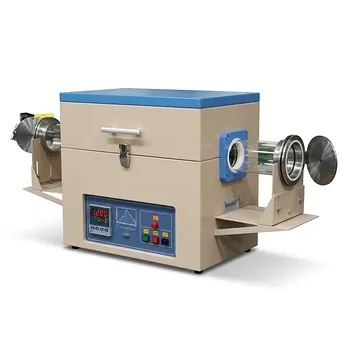
High Temperature 1200C Split Tube Furnace with Hinged Vacuum Flanges and 4 Inch Quartz Tube for Laboratory Research

Compact Vertical Split Quartz Tube Furnace with Stainless Steel Vacuum Flanges for Rapid Thermal Quenching and Controlled Atmosphere Material Processing
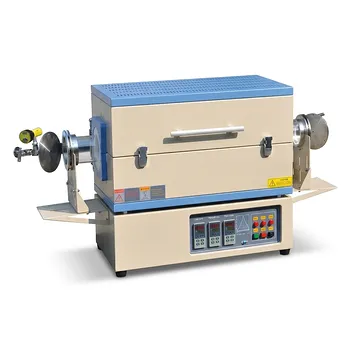
Three Zone Tube Furnace with 24 Inch Heating Length and Hinged Flange Quartz Tube System
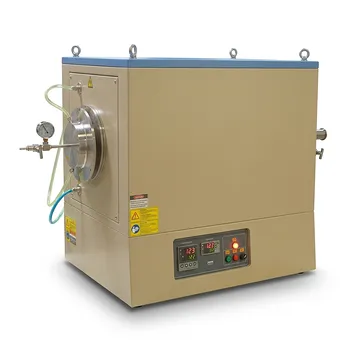
1100°C Large Diameter Quartz Tube Furnace with 24 Inch Heating Zone and Water Cooled Flanges
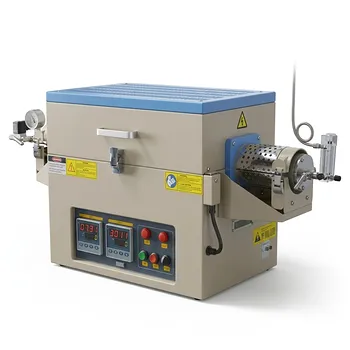
1100C Dual Zone Hydrogen Gas Tube Furnace with Quartz Tube and Integrated H2 Leak Detection System
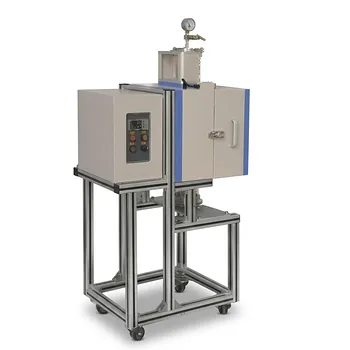
1200°C 5 Inch Vertical Quartz Tube Furnace with Stainless Steel Vacuum Flanges
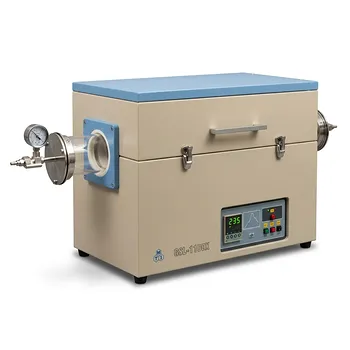
Single Zone Tube Furnace 5 Inch Quartz Tube 36 Inch Heating Zone Vacuum Flanges
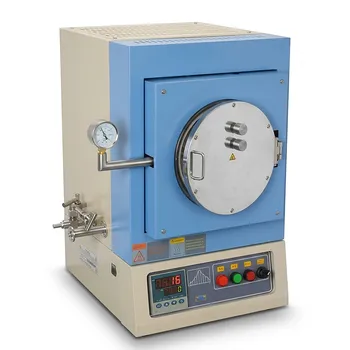
1100°C High Temperature Quartz Chamber Furnace 8 Inch OD with 7.6 Liter Capacity and Vacuum Atmosphere Capability
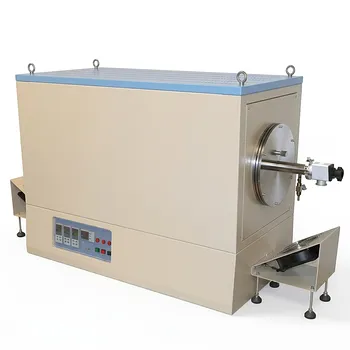
1100°C Three Zone Tube Furnace with 8.5 to 11 Inch OD Quartz Tube and Vacuum Flanges for Large Wafer Processing
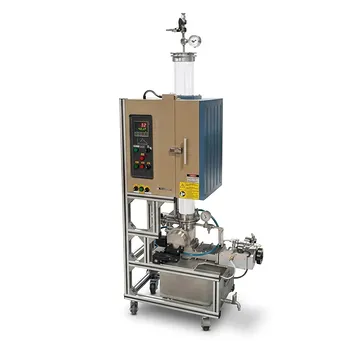
1200C High Temperature Atmosphere Controlled Vertical Quenching Tube Furnace with 4 Inch Quartz Tube
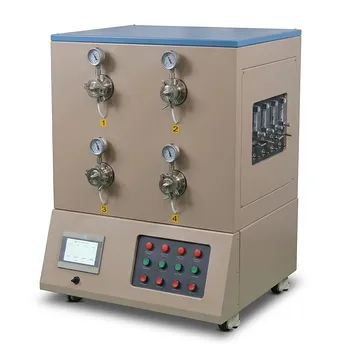
High Throughput 1200C Four Channel Tube Furnace with 3 Inch Quartz Tubes for Multi Zone Annealing and Material Research
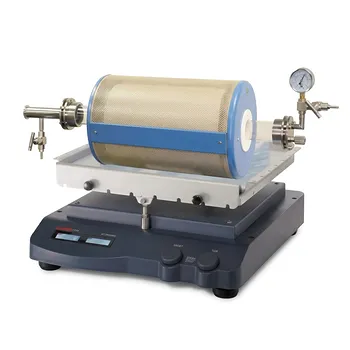
High Temperature Rocking Tube Furnace with Quartz Tube and Vacuum Flange for Materials Synthesis
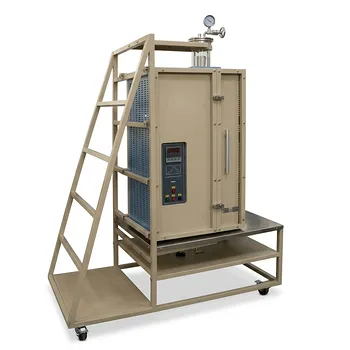
Split Vertical Tube Furnace with 1200C Quartz Tube and Stainless Steel Vacuum Flanges for Rapid Thermal Processing
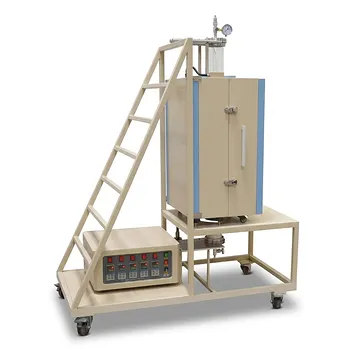
Five Zone Split Vertical Tube Furnace 1200C Max with 4 Inch Quartz Tube and Stainless Steel Vacuum Flanges
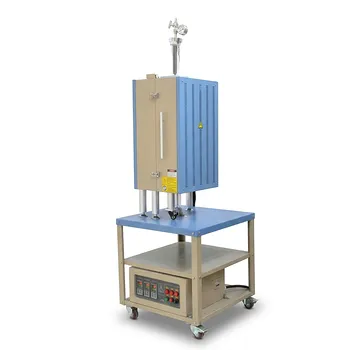
1200C Three Zone Vertical Tube Furnace with 2 Inch Quartz Tube and Vacuum Flanges
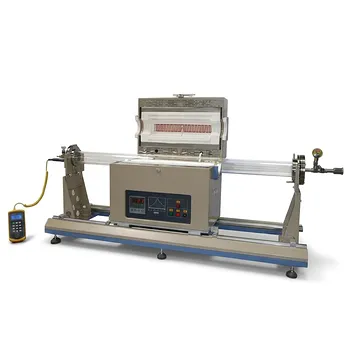
1200C Max Sliding Tube Furnace with 80mm OD Quartz Tube and Vacuum Flanges for Rapid Thermal Processing Fast Heating and Cooling
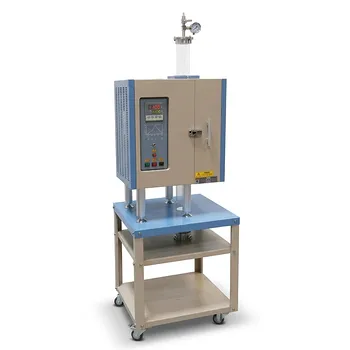
1100°C Split Vertical Tube Furnace with 80mm Quartz Tube and Stainless Steel Vacuum Flanges