Why is a sealed vacuum quartz tube used for the initial synthesis of SPAN? Essential for Purity and Material Stability
Updated 3 months ago
The vacuum-sealed quartz tube is the critical containment system for SPAN synthesis. It provides an oxygen-free, high-pressure microenvironment that prevents the loss of volatile sulfur and ensures the complete chemical transformation of polyacrylonitrile (PAN) into a stable, electrochemically active composite.
To synthesize high-quality Sulfurated Polyacrylonitrile (SPAN), researchers must prevent the oxidation of reagents and the escape of sulfur vapor. The vacuum-sealed quartz tube acts as a controlled reactor that maintains chemical stoichiometry and facilitates the essential dehydrogenation and cyclization reactions required for material stability.
Preventing the Loss of Volatile Reagents
Sulfur is highly volatile and chemically active at the temperatures required for synthesis. Using a sealed environment ensures that the sulfur remains in contact with the polymer chain rather than escaping as a gas.
Managing Vapor Pressure
At high temperatures, such as the 350 °C required for SPAN, elemental sulfur transitions into a gaseous state. The sealed quartz tube maintains a vapor pressure equilibrium within the reaction system, forcing the sulfur to react with the polyacrylonitrile molecular chains.
Ensuring Chemical Stoichiometry
Maintaining the precise ratio of sulfur to carbon is vital for the final electrochemical performance of the battery material. By creating a closed loop, the quartz tube ensures that the initial mass of sulfur is preserved throughout the duration of the thermal treatment.
Eliminating Oxidative Interference
The presence of oxygen during high-temperature synthesis can lead to the formation of unwanted oxides and the degradation of the polymer precursor.
The Role of the Vacuum Environment
The vacuum process removes atmospheric oxygen and moisture that would otherwise react with the sulfur or the polyacrylonitrile. This inert atmosphere is necessary to prevent the oxidation of the sulfur components into sulfur dioxide (SO₂), which would ruin the composite's purity.
Protecting Structural Integrity
Without a vacuum, the polyacrylonitrile chains might undergo uncontrolled combustion or oxidative degradation. The vacuum ensures that the thermal energy is used exclusively for the intended chemical restructuring of the material.
Facilitating Complex Chemical Transformations
The synthesis of SPAN is not merely a mixture but a fundamental change in the molecular structure of the materials involved.
Enabling Dehydrogenation and Cyclization
High temperatures within the sealed tube trigger dehydrogenation, where hydrogen is removed from the PAN backbone. This allows the sulfur to integrate into the structure, forming a stable, cyclized ladder polymer that can effectively store and release ions.
Promoting Homogeneous Reaction Conditions
The enclosed, constant-pressure environment of the quartz tube allows for a thorough solid-state reaction. This results in a structurally stable amorphous composite where sulfur is chemically bound, preventing the "shuttle effect" often seen in traditional lithium-sulfur batteries.
Understanding the Trade-offs
While the vacuum-sealed quartz tube is the gold standard for high-purity synthesis, it presents specific operational challenges.
- Scalability Limitations: This method is primarily used for laboratory-scale research; scaling this process to industrial levels requires complex engineering to maintain similar pressure and purity controls.
- Pressure Hazards: High-temperature reactions within a sealed vessel create significant internal pressure, which carries a risk of the quartz tube fracturing if not handled with precise temperature ramps.
- Cost and Complexity: The requirement for high-purity quartz and specialized vacuum-sealing equipment increases the initial cost and technical difficulty of the synthesis process.
How to Apply This to Your Project
When deciding on the synthesis environment for chalcogenide or polymer composites, consider your primary performance metrics.
- If your primary focus is material purity and stoichiometry: Use a vacuum-sealed quartz tube to ensure no volatile elements escape and no oxygen enters the system.
- If your primary focus is structural stability at high temperatures: Ensure the reaction vessel is rated for the specific vapor pressure of sulfur at your target temperature (e.g., 350 °C to 450 °C).
- If your primary focus is preventing oxidation of active metals: Prioritize an ultra-low oxygen environment by achieving a high-vacuum seal before heating.
The use of a sealed vacuum quartz tube is the definitive method for ensuring that the delicate chemical synthesis of SPAN results in a stable, high-performance battery material.
Summary Table:
| Feature | Function in SPAN Synthesis | Benefit |
|---|---|---|
| Vacuum Environment | Removes oxygen and moisture | Prevents oxidation and ensures high purity |
| Sealed Containment | Maintains vapor pressure equilibrium | Prevents loss of volatile sulfur and maintains stoichiometry |
| High-Temp Resistance | Facilitates dehydrogenation/cyclization | Creates stable ladder polymer structures |
| Microenvironment | Enables controlled solid-state reaction | Prevents the 'shuttle effect' in battery materials |
Elevate Your Material Synthesis with THERMUNITS
As a global leader in high-temperature laboratory equipment, THERMUNITS provides the precision tools required for advanced material science and industrial R&D. Whether you are synthesizing SPAN composites or exploring novel chalcogenides, our comprehensive range of Vacuum, Tube, Muffle, Atmosphere, and Rotary Furnaces, alongside specialized CVD/PECVD systems and Vacuum Induction Melting (VIM) furnaces, ensures optimal thermal processing environments.
Don't let oxidation or reagent loss compromise your results. Contact our experts today to find the perfect heat treatment solution for your research lab or industrial facility!
References
- Jiashuo Shao, Zongtao Zhang. Flexible CNT-Interpenetrating Hierarchically Porous Sulfurized Polyacrylonitrile (CIHP-SPAN) Electrodes for High-Rate Lithium-Sulfur (Li-S) Batteries. DOI: 10.3390/nano14131155
Mentioned Products
- Compact Vertical Split Quartz Tube Furnace with Stainless Steel Vacuum Flanges for Rapid Thermal Quenching and Controlled Atmosphere Material Processing
- High Temperature 1200C Split Tube Furnace with Hinged Vacuum Flanges and 4 Inch Quartz Tube for Laboratory Research
- 1200°C 5 Inch Vertical Quartz Tube Furnace with Stainless Steel Vacuum Flanges
- Split Vertical Tube Furnace with 1200C Quartz Tube and Stainless Steel Vacuum Flanges for Rapid Thermal Processing
- Three Zone Tube Furnace with 11 Inch or 15 Inch Quartz Tube and Hinged Flanges for Vacuum Atmosphere Heat Treatment
People Also Ask
- Why integrate a vertical split tube furnace with hydraulic loading for HSECC? Essential for In-Situ Fire Simulation.
- What is the role of a split vertical tube furnace during flash sintering of 8YSZ and 20SDC? Master Ultra-Fast R&D
- What is the primary engineering purpose for using a customized ventilation hood when operating a split tube furnace? RCF Safety
- Why is a quartz tube furnace necessary for phosphorus-doped MoS2/GO preparation? Ensure Purity & Precise Synthesis
- What is the primary function of a Quartz Tube Furnace in ZnO VLS growth? Master High-Precision Nanowire Synthesis

Tech Team · ThermUnits
Last updated on Jun 03, 2026
Related Products

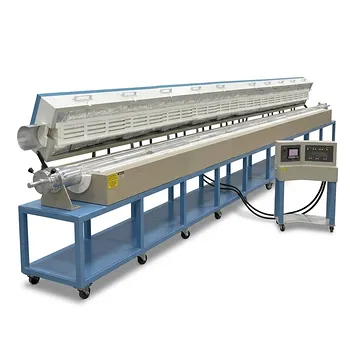
Compact Vertical Split Quartz Tube Furnace with Stainless Steel Vacuum Flanges for Rapid Thermal Quenching and Controlled Atmosphere Material Processing
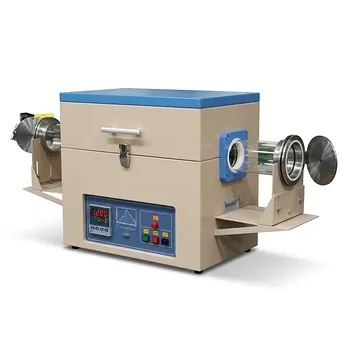
High Temperature 1200C Split Tube Furnace with Hinged Vacuum Flanges and 4 Inch Quartz Tube for Laboratory Research

1200°C 5 Inch Vertical Quartz Tube Furnace with Stainless Steel Vacuum Flanges
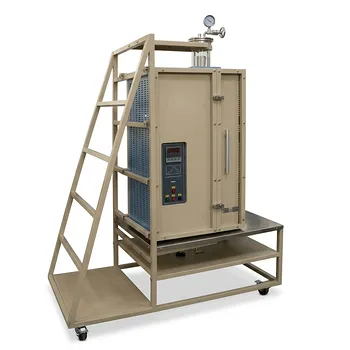
Split Vertical Tube Furnace with 1200C Quartz Tube and Stainless Steel Vacuum Flanges for Rapid Thermal Processing
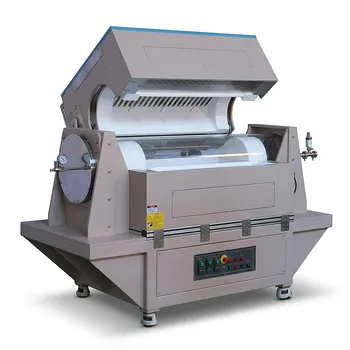
Three Zone Tube Furnace with 11 Inch or 15 Inch Quartz Tube and Hinged Flanges for Vacuum Atmosphere Heat Treatment
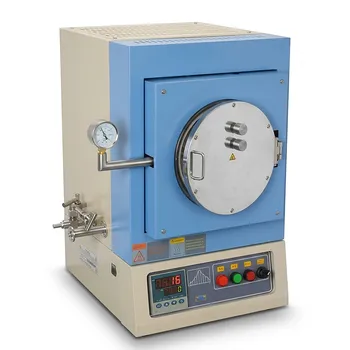
1100°C High Temperature Quartz Chamber Furnace 8 Inch OD with 7.6 Liter Capacity and Vacuum Atmosphere Capability
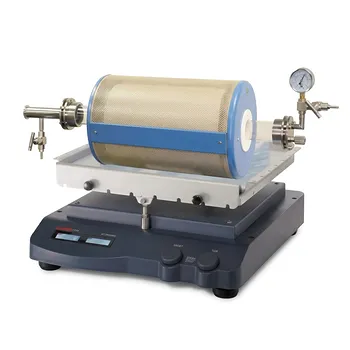
High Temperature Rocking Tube Furnace with Quartz Tube and Vacuum Flange for Materials Synthesis
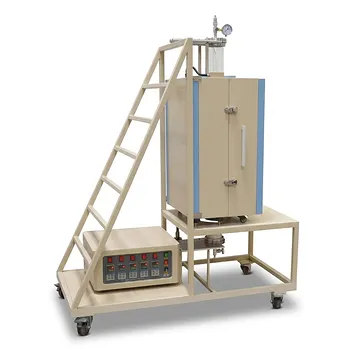
Five Zone Split Vertical Tube Furnace 1200C Max with 4 Inch Quartz Tube and Stainless Steel Vacuum Flanges
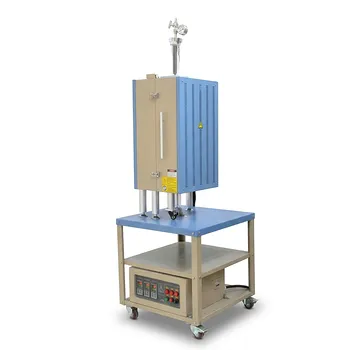
1200C Three Zone Vertical Tube Furnace with 2 Inch Quartz Tube and Vacuum Flanges
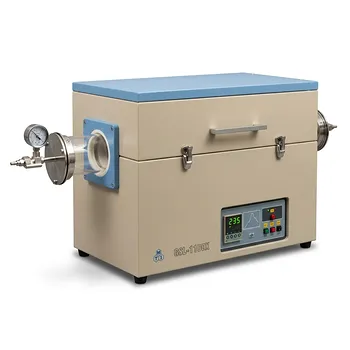
Single Zone Tube Furnace 5 Inch Quartz Tube 36 Inch Heating Zone Vacuum Flanges
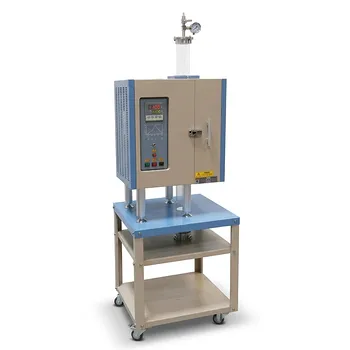
1100°C Split Vertical Tube Furnace with 80mm Quartz Tube and Stainless Steel Vacuum Flanges
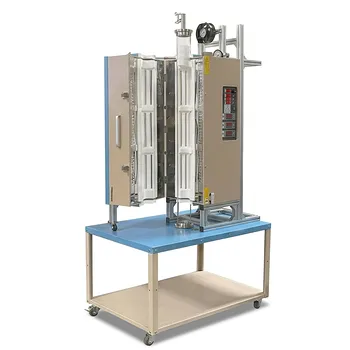
1200C Three Zone Split Vertical Tube Furnace 4 Inch Quartz Tube Stainless Steel Vacuum Flanges

High Temperature Automated 5 Inch Tube Furnace for Autonomous Material Research and Advanced Laboratory R&D
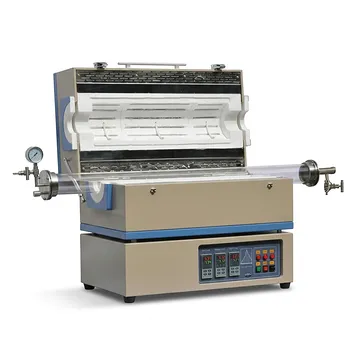
24 Inch Three Zone Split Tube Furnace with Optional Quartz Tube and Vacuum Flange System for High Temperature Material Synthesis

High Temperature 1700C Benchtop Tube Furnace with 5 Inch Heating Zone High Purity Alumina Tube and Vacuum Sealing Flanges
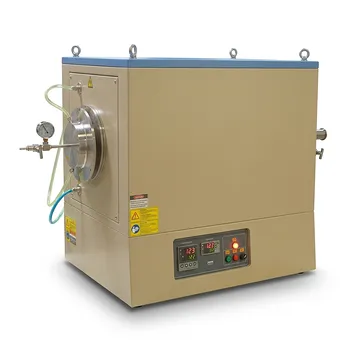
1100°C Large Diameter Quartz Tube Furnace with 24 Inch Heating Zone and Water Cooled Flanges
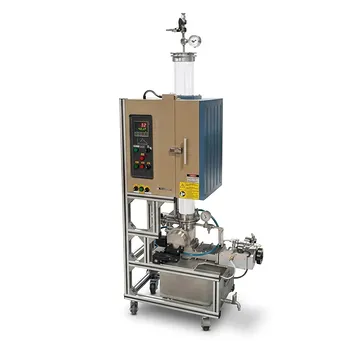
1200C High Temperature Atmosphere Controlled Vertical Quenching Tube Furnace with 4 Inch Quartz Tube
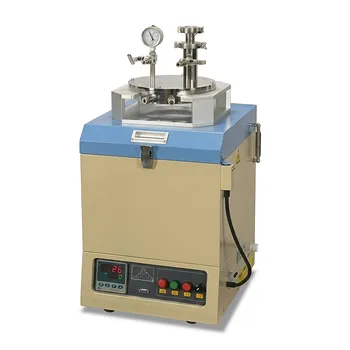
Vertical Vacuum Furnace 1100C High Temperature 8 Inch Quartz Chamber Water Cold Flange System
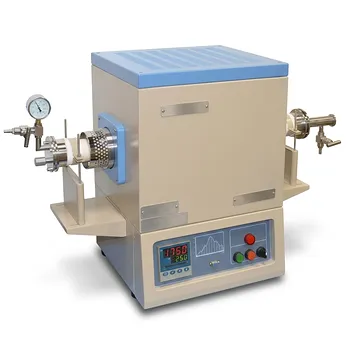
High Temperature Compact Vacuum Tube Furnace 1750C Max 60mm OD Alumina Tube