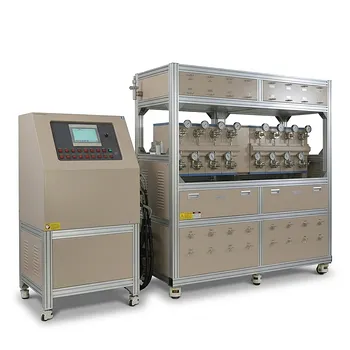
Why is a Tube Furnace with atmosphere control required for bone char synthesis? Master Pyrolysis and Carbon Integrity.
Updated 3 months ago
Synthesizing bone char requires precise atmospheric isolation to transform organic material into a functional mineral-carbon composite without losing its core properties to combustion. A tube furnace provides the restricted oxygen environment necessary to facilitate the pyrolysis of bone minerals into a stable hydroxyapatite structure. This specific thermal treatment determines the solubility and nutrient release kinetics of the final product, particularly when intended for use as a slow-release phosphorus fertilizer.
The tube furnace acts as a controlled reactor that decouples thermal energy from oxidative reactions. By manipulating the internal atmosphere and heating rates, it allows for the precise engineering of the char’s chemical stability, carbon retention, and porosity.
Preventing Aerobic Combustion through Atmosphere Control
The Role of Inert Gas Displacement
A tube furnace allows for the introduction of gases like nitrogen or argon to displace oxygen within the chamber. This creates a high-purity inert environment that prevents the bone material from undergoing aerobic combustion at high temperatures. Without this control, the organic components would simply burn away into ash rather than converting into functional carbon.
Maintaining Carbon Integrity
Atmosphere control is the core mechanism for ensuring the efficient conversion of carbon under oxygen-limited conditions. By preventing oxidation, the furnace allows for the retention of an appropriate amount of carbon components within the mineral matrix. This balance is critical for the bone char's structural performance and chemical reactivity.
Vacuum Capabilities for High-Purity Synthesis
High-precision vacuum tube furnaces can remove air via a pump before introducing inert gases. This ensures a stable, oxygen-free pyrolysis environment from the start of the heating cycle. Such precision is necessary to regulate the aromatization degree and the distribution of functional groups on the char's surface.
Structural Transformation and Mineral Stability
Stabilization of the Hydroxyapatite Structure
The primary goal of bone char synthesis is the transformation of raw bone into a stable hydroxyapatite structure. The restricted environment of the tube furnace facilitates this mineralogical change while maintaining the material's integrity. Controlled heating ensures the minerals do not degrade into undesirable phases.
Regulating Nutrient Release Kinetics
The thermal environment directly dictates how the bone char will behave in soil or industrial applications. By controlling isothermal holding times, the furnace determines the solubility of the char. This makes it a vital tool for manufacturers who need to tune the phosphorus release rates for agricultural use.
Engineering Surface Functional Groups
The reactivity of the final product is highly dependent on the specific pyrolysis conditions. Utilizing a controlled atmosphere—sometimes including carbon dioxide—allows for the regulation of surface functional group density. This is essential for improving kinetic performance in subsequent chemical reactions or absorption tasks.
Optimizing Porosity and Surface Area
Preventing Pore Wall Collapse
Precise heating rate control, such as 30°C per minute, influences the thermal cracking pathways of organic molecules. A tube furnace prevents the "flash" evaporation of volatiles that can lead to pore wall collapse. This ensures the resulting char possesses a high specific surface area and a rich internal pore structure.
Thermal Gradient Management
Atmosphere furnaces provide a stable temperature gradient that prevents uneven heating of the biomass. This stability is required to produce porous carbonaceous material with consistent physical properties. Uniformity is the hallmark of high-quality composite material substrates used in material science.
Understanding the Trade-offs
Heating Rate vs. Structural Integrity
While faster heating rates can increase throughput, they risk damaging the delicate pore network of the bone char. Slow-release fertilizers require a specific density that can be compromised if the heating is too aggressive. Balancing speed with structural quality is a constant calibration requirement.
Inert Gas Costs and Purge Times
Maintaining a strictly controlled atmosphere requires a continuous flow of high-purity gas, which increases operational costs. Furthermore, insufficient purge times before heating can lead to "hot spots" of oxidation. This can result in a non-homogeneous product where some batches are more "ashed" than charred.
Applying This to Your Synthesis Goals
How to Choose Your Parameters
- If your primary focus is Phosphorus Fertilizer: Prioritize precise holding times and restricted oxygen to ensure the correct solubility and mineral stability of the hydroxyapatite.
- If your primary focus is Water Filtration or Adsorption: Focus on fine-tuning the heating rates and inert gas flow to maximize specific surface area and pore volume.
- If your primary focus is Material Science Research: Utilize a vacuum-capable tube furnace to ensure the highest degree of purity and repeatable aromatization of the carbon components.
The tube furnace serves as the definitive tool for bone char synthesis by providing the anaerobic conditions necessary to transform raw minerals into high-value functional materials.
Summary Table:
| Feature | Benefit for Bone Char Synthesis | Key Optimization Parameter |
|---|---|---|
| Inert Gas Displacement | Prevents aerobic combustion and ash formation | Nitrogen or Argon flow rate |
| Oxygen-Free Environment | Preserves carbon integrity and structural reactivity | Oxygen-limited conditions |
| Vacuum Capability | Ensures high-purity synthesis and stable pyrolysis | Pre-heating vacuum levels |
| Precise Heating Control | Prevents pore wall collapse; ensures high surface area | 30°C/min heating gradients |
| Atmosphere Tuning | Regulates nutrient release and surface functional groups | CO2 or isothermal holding time |
Elevate Your Material Research with THERMUNITS Precision
As a leading manufacturer of high-temperature laboratory equipment for material science and industrial R&D, THERMUNITS provides the advanced thermal processing solutions required for complex synthesis like bone char production. Our specialized Tube, Vacuum, and Atmosphere Furnaces are engineered to deliver the precise atmospheric isolation and thermal stability needed to optimize your carbon-mineral composites.
Whether you are developing slow-release fertilizers, advanced filtration media, or conducting high-purity pyrolysis, our comprehensive range—including Muffle, Rotary, and Hot Press furnaces, CVD/PECVD systems, and Vacuum Induction Melting (VIM) furnaces—ensures your materials achieve peak performance.
Ready to refine your heat treatment process?
→ Contact THERMUNITS Today for a Professional Solution
References
- Gustavo Franco de Castro, Jairo Tronto. Bone char: characterization and agronomic application as an alternative source of phosphorus. DOI: 10.36783/18069657rbcs20230165
Mentioned Products
- Compact Hybrid Muffle and Tube Furnace for 1000C Controlled Atmosphere Laboratory Material Sintering
- High Temperature Vertical Atmosphere Controlled Furnace with Automatic Bottom Loading and 1700°C Capacity for Advanced Material Research
- 1650C High Temperature Atmosphere Controlled Box Furnace with 65L Chamber for Advanced Material Sintering and Industrial Heat Treatment
- 1200°C Atmosphere Controlled Automatic Bottom Loading Furnace with 6 Inch Quartz Tube
- 1700C Compact Hybrid Furnace with Dual Layer Box Sintering and Controlled Atmosphere Alumina Tubes
People Also Ask
- Why is an atmosphere-controlled tube furnace required for the pre-sulfidation of NiMo/gamma-Al2O3 catalysts?
- Why is an atmosphere-controlled tube furnace required for 800 °C CNF annealing? Essential for Oxidative Protection.
- Why is an atmosphere-controlled tube furnace required for [email protected]/C preparation? Key for Purity & Structure
- Why is an atmosphere-controlled tube furnace required for single-atom sensor calcination? Ensure Atomic Dispersion.
- What is the function of a controlled atmosphere tube furnace in LiGa alloying? Achieving High-Purity Thermal Synthesis

Tech Team · ThermUnits
Last updated on Jun 02, 2026
Related Products
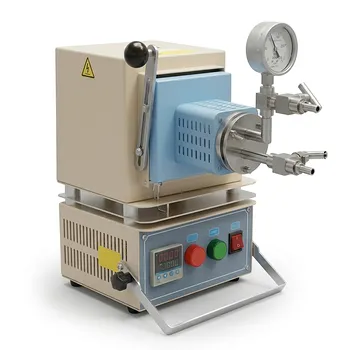
Compact Hybrid Muffle and Tube Furnace for 1000C Controlled Atmosphere Laboratory Material Sintering
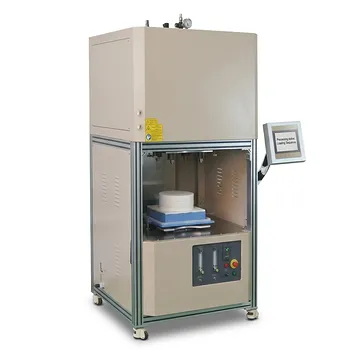
High Temperature Vertical Atmosphere Controlled Furnace with Automatic Bottom Loading and 1700°C Capacity for Advanced Material Research
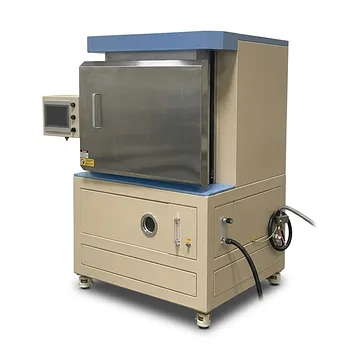
1650C High Temperature Atmosphere Controlled Box Furnace with 65L Chamber for Advanced Material Sintering and Industrial Heat Treatment
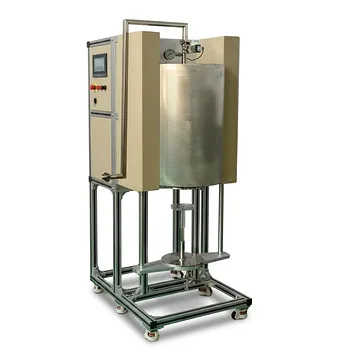
1200°C Atmosphere Controlled Automatic Bottom Loading Furnace with 6 Inch Quartz Tube
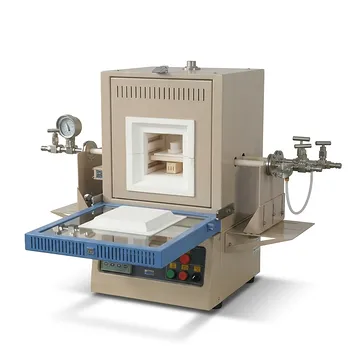
1700C Compact Hybrid Furnace with Dual Layer Box Sintering and Controlled Atmosphere Alumina Tubes
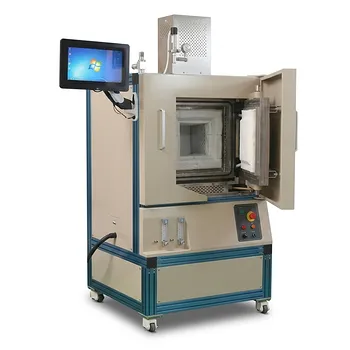
High Temperature Oxygen and Inert Atmosphere Controlled Furnace 8 Liter 1700C Sintering System for Advanced Materials RD
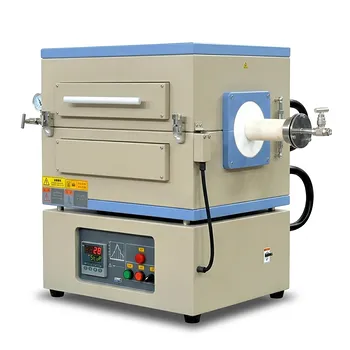
1500°C Split Tube Furnace with Alumina Tube and Vacuum Sealing Flanges for Material Research
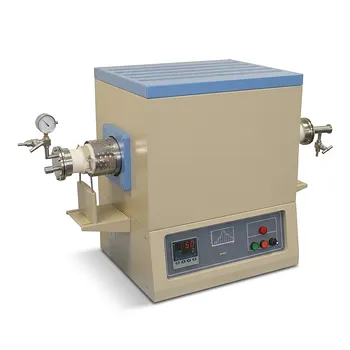
1700C High Temperature Alumina Tube Furnace with 18 Inch Heated Zone and Vacuum Sealing Flanges
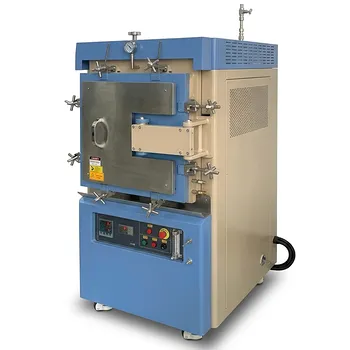
Atmosphere Controlled Muffle Furnace 1700C Maximum Temperature 80L High Capacity Vacuum Inert Gas Box Furnace
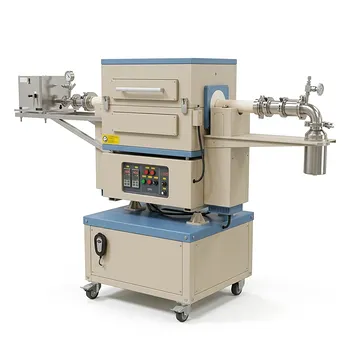
1500C Max Dual Zone Rotary Tube Furnace with 60 mm OD Alumina Tube for High Temperature Material Synthesis
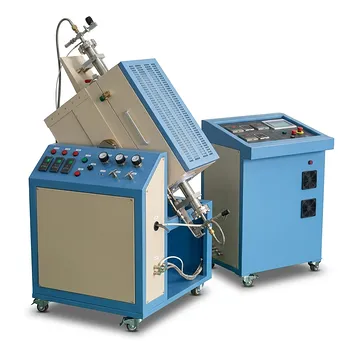
1100C High Pressure Rocking Tube Furnace with 2 Inch Super Alloy Processing Tube for Material Synthesis

Compact High Temperature 1600C Tube Furnace with 50mm Alumina Tube and Vacuum Flanges for Material Sintering

High Temperature 1700C Vertical Tube Furnace for Powder Spherification and Material Sintering

Vertical 1700C Vacuum and Atmosphere Tube Furnace with 80mm Alumina Tube
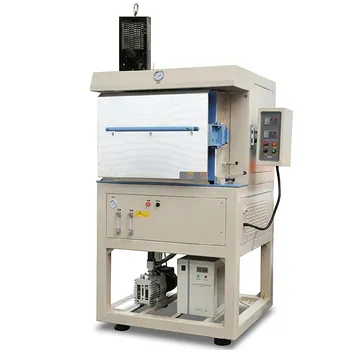
1200C Hydrogen Atmosphere Box Furnace with 5 Heated Sides and 64L Chamber
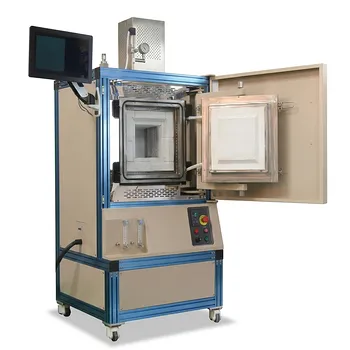
High Temperature Hydrogen Atmosphere Box Furnace 1650C Max Reducing Environment Material Synthesis System 8x8x8 Chamber
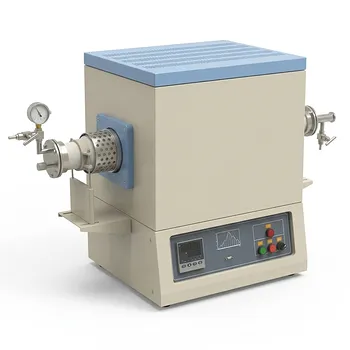
1750°C High Temperature Benchtop Vacuum Atmosphere Tube Furnace with Kanthal Super 1800 Heating Elements and 60mm Alumina Processing Tube
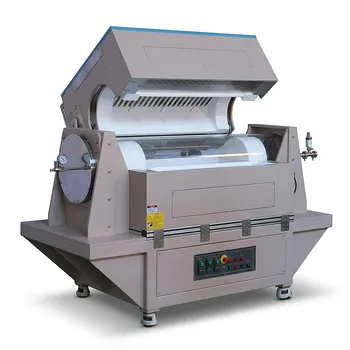
Three Zone Tube Furnace with 11 Inch or 15 Inch Quartz Tube and Hinged Flanges for Vacuum Atmosphere Heat Treatment
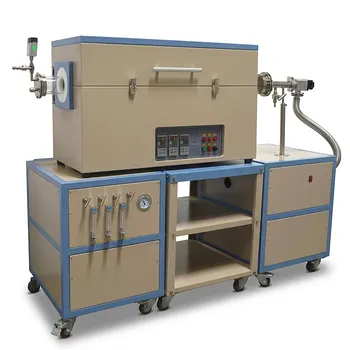
Three Zone Quartz Tube Furnace with 3 Channel Gas Mixer Vacuum Pump and Anti Corrosive Vacuum Gauge