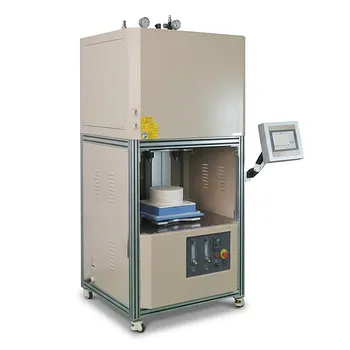
Why is a vacuum or atmosphere furnace necessary for the preparation of air-sensitive chemical materials? Ensure Purity.
Updated 3 months ago
The necessity of a vacuum or atmosphere furnace lies in its ability to eliminate reactive contaminants from the thermal processing environment. These furnaces isolate sensitive materials from oxygen and moisture by creating a high-vacuum state or by backfilling the chamber with high-purity inert gases like argon or nitrogen. This isolation is the only way to prevent oxidation, nitridation, and structural degradation during high-temperature synthesis.
Core Takeaway: Vacuum and atmosphere furnaces provide a controlled, high-purity environment that prevents irreversible chemical damage to air-sensitive materials. By removing reactive gases, these systems ensure the chemical stoichiometry, phase purity, and performance stability of advanced materials like catalysts, semiconductors, and electrolytes.
The Mechanism of Isolation
Creating a High-Vacuum Environment
A vacuum furnace functions by evacuating the chamber to remove air, which contains approximately 21% oxygen and varying levels of moisture. This low-pressure environment effectively pulls reactive molecules away from the material surface, preventing unwanted chemical bonds from forming at high temperatures.
Backfilling with Inert Protective Gases
In many processes, the chamber is backfilled with high-purity inert gases such as nitrogen or argon after evacuation. These gases act as a protective shroud, providing a stable pressure environment while ensuring that no reactive oxygen or moisture molecules can interact with the sample.
Precise Atmospheric Regulation
Modern furnaces allow for the introduction of specific gas mixtures, including reducing gases like hydrogen. This level of control allows researchers to not only protect the material but also actively manipulate its chemical state during the heating cycle.
Protecting Material Integrity and Performance
Preventing Oxidation and Nitridation
High temperatures drastically accelerate the rate of chemical reactions; in a standard air environment, metals and semiconductors would rapidly oxidize or nitrate. An atmosphere furnace prevents these reactions, preserving the original physical and chemical properties of the advanced materials.
Maintaining Chemical Stoichiometry
For complex materials like battery electrolytes or specialized ceramics, maintaining the correct ratio of elements (stoichiometry) is critical. Exposure to moisture or oxygen can lead to the loss of volatile components or the introduction of impurities that ruin the material’s electrochemical or structural performance.
Preserving Catalyst Surface Activity
In catalytic materials, the "active sites" are often highly reactive and easily poisoned by atmospheric oxygen. Atmosphere control ensures that these active sites remain unreacted during synthesis, which is decisive for the catalyst’s eventual efficiency and surface activity.
Advanced Processing and In-Situ Repair
Facilitating Chemical Reduction
By introducing reducing gases like hydrogen into a tube atmosphere furnace, operators can perform in-situ chemical repair. This process removes existing oxides from a material’s surface, restoring its purity and improving its electrical or magnetic characteristics.
Controlling Phase Purity
The ability to cycle between vacuum and specific gas pressures allows for precise control over phase purity. This ensures that the final product reaches the exact crystalline structure required for advanced applications in semiconductors and carbon nanomaterials.
Understanding the Trade-offs
Equipment Complexity and Cost
Implementing vacuum or atmosphere control requires specialized hardware, including vacuum pumps, gas manifolds, and high-integrity seals. This increases both the initial capital investment and the ongoing maintenance requirements compared to standard muffle furnaces.
Processing Time and Throughput
The process of purging the chamber—evacuating the air and backfilling with inert gas—adds significant time to each heating cycle. This can reduce overall throughput in a production environment, requiring a balance between the level of purity needed and the speed of the process.
Safety Considerations
Using certain atmospheric gases, particularly hydrogen or other flammable mixtures, introduces significant safety risks. These require specialized venting systems, gas sensors, and rigorous safety protocols to prevent combustion or asphyxiation hazards in the laboratory.
Making the Right Choice for Your Goal
To achieve the best results with air-sensitive materials, your choice of furnace environment must align with your specific material requirements:
- If your primary focus is preventing surface oxidation on metals: Utilize a high-vacuum environment or argon backfilling to ensure zero oxygen contact during the heating and cooling phases.
- If your primary focus is synthesizing high-performance catalysts: Use an atmosphere furnace that allows for the introduction of nitrogen to maintain surface activity and stoichiometry.
- If your primary focus is the purification of semiconductors: Opt for a system capable of introducing reducing gases like hydrogen to facilitate in-situ removal of oxides.
- If your primary focus is maintaining electrical or magnetic properties: Ensure precise atmospheric regulation to prevent nitridation or other unwanted side reactions that alter electronic structures.
Ultimately, the use of a vacuum or atmosphere furnace is the fundamental safeguard that allows advanced chemical materials to move from theoretical design to stable, high-performance reality.
Summary Table:
| Feature | Mechanism | Primary Benefit |
|---|---|---|
| Vacuum Environment | Evacuation of reactive air/moisture | Prevents surface oxidation and contamination |
| Inert Atmosphere | Backfilling with Argon or Nitrogen | Maintains stoichiometry and pressure stability |
| Reducing Atmosphere | Introduction of Hydrogen (H2) | Facilitates in-situ oxide removal and repair |
| Precise Control | Gas manifolds and high-integrity seals | Ensures phase purity and catalyst activity |
Advance Your Material Research with THERMUNITS
Precision is paramount when working with air-sensitive materials. As a leading manufacturer of high-temperature laboratory equipment, THERMUNITS provides high-performance Vacuum, Atmosphere, and Tube furnaces tailored for material science and industrial R&D.
Our comprehensive range of thermal solutions—including CVD/PECVD systems, Rotary Kilns, Vacuum Induction Melting (VIM), Hot Press, and Dental furnaces—is designed to ensure oxygen-free environments, preventing oxidation and preserving critical chemical stoichiometry.
Ready to optimize your thermal processing? Contact our experts today to find the perfect heat treatment equipment for your specific application.
References
- Qingbo Yu, Zishe Xu. The Effects of Modified Fly Ash on the Structure and Photocatalytic Performance of G‐C <sub>3</sub> N <sub>4</sub> ‐based Materials. DOI: 10.1002/slct.202400718
Mentioned Products
- Vertical Vacuum Furnace 1100C High Temperature 8 Inch Quartz Chamber Water Cold Flange System
- High Temperature 1000C Vacuum Furnace with 8 Inch ID Chamber for Material Sintering and Research Annealing
- Ultra High Temperature Induction Heated Vacuum Furnace with Molten Salt Electrolysis Capability and 3000 Degree Precision Control
- High Temperature Vacuum Lamination Hot Press Furnace Machine for Semiconductor Wafer Bonding and Advanced Composite Thermal Processing
- High Temperature Cold Wall High Vacuum Chamber Furnace 1400C for Advanced Material Processing
People Also Ask
- How Vacuum Furnaces Heat Treat Fe32Cr33Ni29Al3Ti3? Optimizing HEA Microstructure & Stability
- Why is high-vacuum sealing of quartz tubes necessary for Ta2PdSe6 samples? Protect Purity & Carrier Mobility.
- Why is an integrated vacuum furnace necessary for RHEAs? Ensure data integrity and prevent oxidative embrittlement.
- What is a vacuum furnace and what are its primary functions? Master High-Purity Thermal Processing & Metallurgy
- How does material vapor pressure affect the operating limits of a vacuum furnace? Optimize Your Thermal Processes

Tech Team · ThermUnits
Last updated on Jun 02, 2026
Related Products
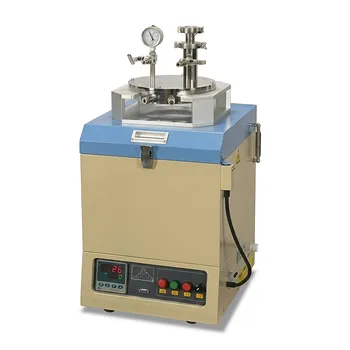
Vertical Vacuum Furnace 1100C High Temperature 8 Inch Quartz Chamber Water Cold Flange System
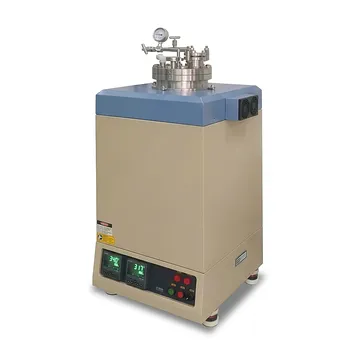
High Temperature 1000C Vacuum Furnace with 8 Inch ID Chamber for Material Sintering and Research Annealing
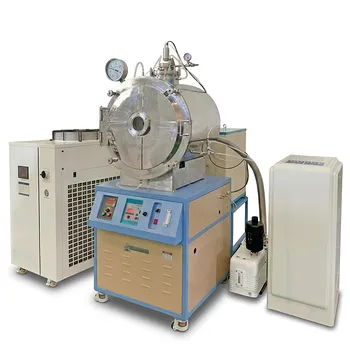
Ultra High Temperature Induction Heated Vacuum Furnace with Molten Salt Electrolysis Capability and 3000 Degree Precision Control
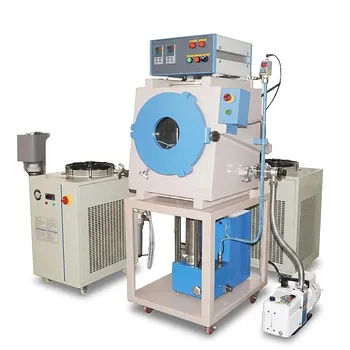
High Temperature Vacuum Lamination Hot Press Furnace Machine for Semiconductor Wafer Bonding and Advanced Composite Thermal Processing
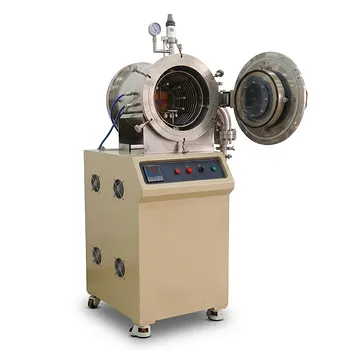
High Temperature Cold Wall High Vacuum Chamber Furnace 1400C for Advanced Material Processing
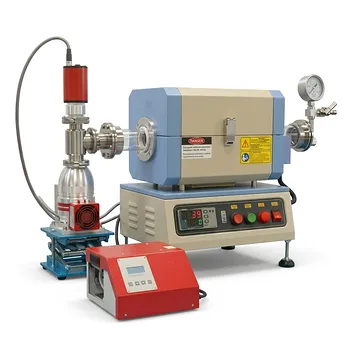
High Vacuum Compact Tube Furnace 1200C with Integrated Turbo Pump System and 8 Inch Heating Zone
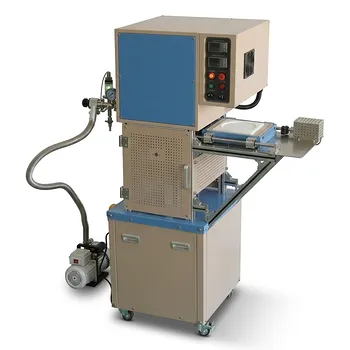
1200°C Bottom Loading Vacuum Furnace with Rapid Gas Cooling and 8.6 Inch Diameter Quartz Chamber
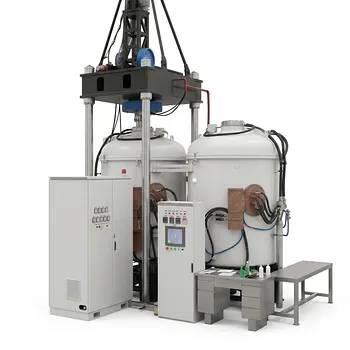
High Pressure 600T Vacuum Induction Hot Press Furnace for Advanced Material Heat Treatment and Sintering
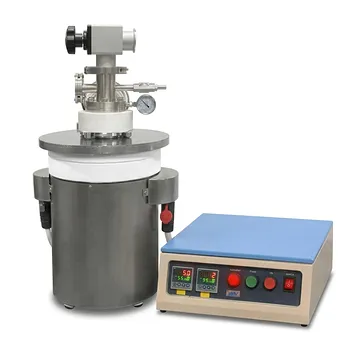
1100C High Temperature Vacuum Crucible Furnace with Quartz Chamber for Thermal Processing and Sintering
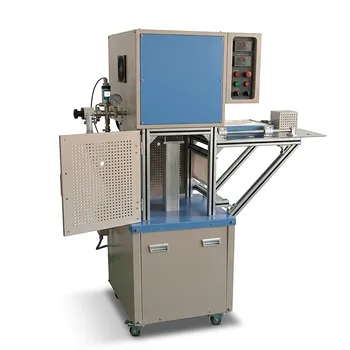
Bottom Loading Vacuum Furnace 1200C Rapid Cooling Atmosphere Control Quartz Chamber
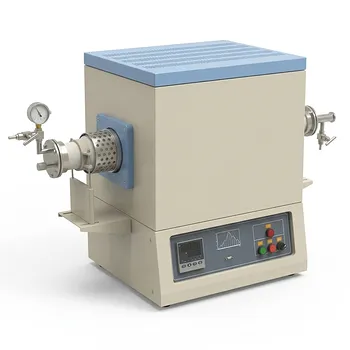
1750°C High Temperature Benchtop Vacuum Atmosphere Tube Furnace with Kanthal Super 1800 Heating Elements and 60mm Alumina Processing Tube
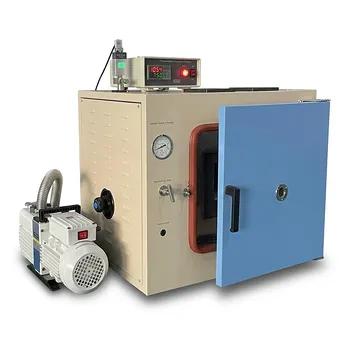
Compact High Vacuum Box Furnace 1050C Max 6.2L Ceramic Chamber Stainless Steel Shell Programmable Temperature Controller for Material Science Research
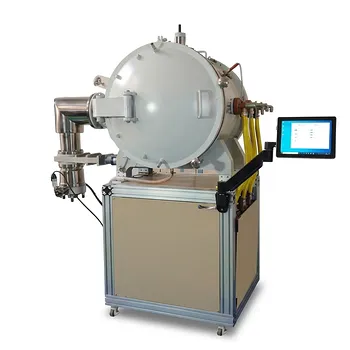
High Temperature Cold Wall Vacuum Furnace for Advanced Material Sintering and Annealing 1600C Heating Area 200x200x300mm

1800C High Temperature Compact Vacuum Tube Furnace with 60mm OD Alumina Tube and Kanthal MoSi2 Heating Elements
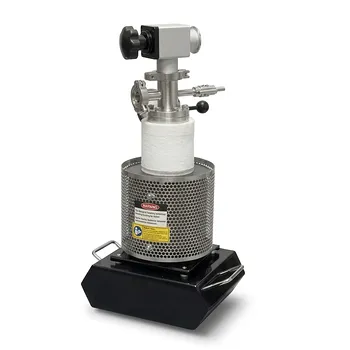
High Temperature 1100C Compact Top Loading Vertical Vacuum Tube Furnace for High Vacuum Noble Metal Melting and Material Research
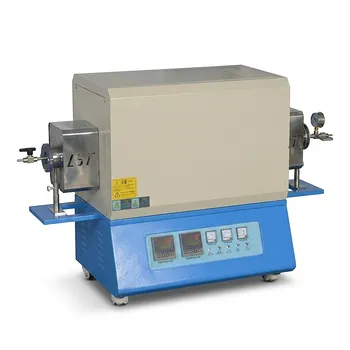
High Temperature Dual Zone Vacuum Tube Furnace for Material Research and CVD Processing
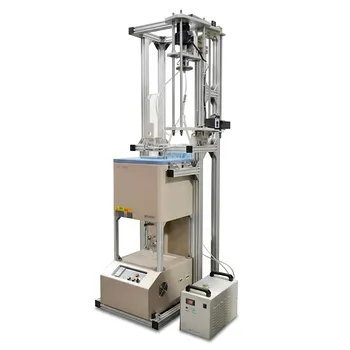
500C Vacuum Vertical Tube Furnace 84mm OD Sample Rotation Lifting System
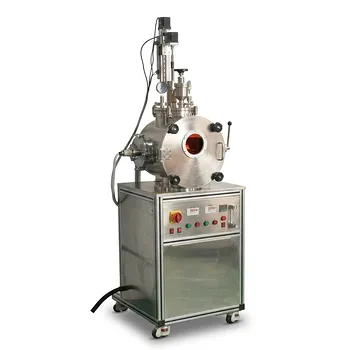
High Vacuum Melting Casting Furnace with Mechanical Stirring and Secondary Charge for Metallic Alloy Research
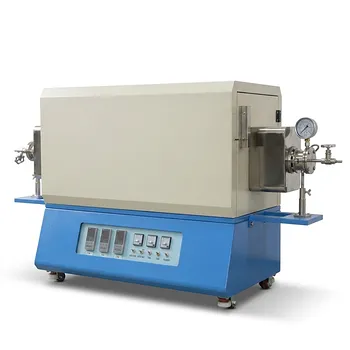
Three Temperature Zone High Temperature Vacuum Tube Furnace for CVD and Material Sintering