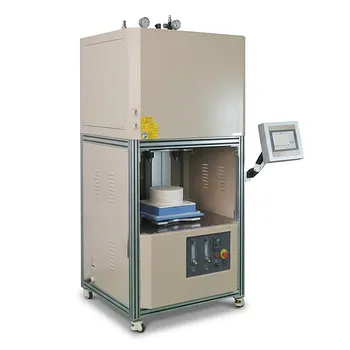
Why is an integrated vacuum furnace necessary for RHEAs? Ensure data integrity and prevent oxidative embrittlement.
Updated 3 months ago
The necessity of an integrated vacuum furnace is driven by the extreme chemical volatility of refractory elements when exposed to heat. At testing temperatures reaching 1200 K and above, Refractory High-Entropy Alloys (RHEAs) react aggressively with even trace amounts of oxygen, leading to severe oxidation and surface embrittlement. An integrated vacuum system isolates the specimen, ensuring that measured data—such as yield strength and flow stress—reflects the true mechanical response of the material rather than the properties of a contaminated oxide layer.
Core Takeaway: To obtain valid mechanical data for RHEAs, an integrated vacuum furnace is mandatory to prevent oxidative degradation. This environment preserves the specimen's chemical integrity, allowing for the accurate characterization of intrinsic deformation behaviors like serrated flow and proof stress.
The Challenge of Refractory Element Reactivity
Oxygen Sensitivity at Extreme Temperatures
Refractory metal elements, including Niobium (Nb), Titanium (Ti), and Hafnium (Hf), possess a high affinity for oxygen that intensifies as temperature increases. In an ambient atmosphere at 1200 K, these elements form oxide scales almost instantaneously, which can penetrate the bulk of the material.
The Risk of Oxidative Embrittlement
Oxidation does not merely sit on the surface; it can lead to oxidative embrittlement, where oxygen atoms diffuse into the grain boundaries. This fundamentally alters the alloy's ductility and toughness, causing the specimen to fail prematurely or show uncharacteristic brittleness during compression.
Prevention of Hydrogen and Impurity Absorption
Beyond oxygen, reactive alloys can absorb hydrogen or other atmospheric gases at high temperatures. A high-vacuum environment, often requiring levels better than $10^{-4}$ Pa, is necessary to prevent these impurities from altering the alloy's lattice structure and mechanical properties.
Preserving Data Integrity and Material Truth
Measuring the True Mechanical Response
The primary goal of using a Universal Testing Machine (UTM) is to map the stress-strain curve of the material accurately. If a specimen oxidizes, the UTM measures the combined response of the alloy and its brittle oxide shell, yielding "false" data for yield strength and flow stress.
Capturing Subtle Deformation Behaviors
Detailed phenomena such as serrated flow behavior (associated with dynamic strain aging) are highly sensitive to the material's internal chemistry. A vacuum furnace ensures these subtle mechanical signatures are not masked or induced by external chemical reactions.
Simulating Aerospace Service Environments
Many RHEAs are designed for high-temperature aerospace applications where they may operate in vacuum-like or controlled environments. Integrating the furnace with the UTM allows researchers to simulate these actual service conditions, providing a realistic assessment of the alloy’s load-bearing capacity.
Beyond Protection: Microstructural Control
Maintaining Phase Stability
High-temperature tests often involve long "soak times" to ensure thermal equilibrium. The vacuum environment protects the microscopic consistency of the chemical composition during these periods, preventing decarburization or the loss of active alloying elements.
Precise Microstructural Engineering
A vacuum furnace allows for controlled heating and cooling rates, which are critical for maintaining specific phase compositions (such as gamma or alpha-2 phases). This control ensures that the material's microstructure—and therefore its mechanical performance—remains predictable throughout the test.
Understanding the Trade-offs
Equipment Complexity and Cost
Integrating a high-vacuum furnace into a UTM significantly increases operational complexity. The system requires specialized seals, high-performance vacuum pumps, and sophisticated cooling jackets to prevent the heat from damaging the UTM’s sensitive load cells and electronics.
Throughput and Preparation Time
Testing in a vacuum is inherently slower than testing in air. The time required to reach a high-vacuum state (often $10^{-6}$ torr) and the subsequent cooling period before the specimen can be handled reduces the total number of tests that can be performed in a day.
Risk of Sensor Interference
The high-temperature environment inside a vacuum chamber can make traditional strain measurement difficult. Researchers often must rely on non-contact methods, such as Video Image Correlation (VIC) or specialized high-temperature extensometers, which require careful calibration to remain accurate.
How to Apply This to Your Project
Recommendations Based on Testing Goals
- If your primary focus is fundamental material characterization: Prioritize a high-vacuum environment ($10^{-4}$ Pa or better) to ensure that your yield strength and flow stress data are not corrupted by oxide formation.
- If your primary focus is aerospace application simulation: Use an integrated furnace that can reach at least 1300°C to replicate the extreme thermal stresses the alloy will encounter in flight environments.
- If your primary focus is microstructural evolution: Ensure the furnace has a precise temperature control system to regulate phase compositions and grain boundary migration during the mechanical test.
The integration of a vacuum furnace is not a luxury but a technical necessity for any credible high-temperature study of Refractory High-Entropy Alloys.
Summary Table:
| Feature | Benefit | Technical Importance |
|---|---|---|
| High Vacuum ($10^{-4}$ Pa+) | Prevents Oxidation | Preserves chemical integrity and prevents surface embrittlement. |
| Integrated UTM Design | Real-time Analysis | Captures true stress-strain data without interference from oxide layers. |
| Thermal Precision | Microstructural Control | Maintains phase stability and grain boundary consistency during testing. |
| Controlled Environment | Aerospace Simulation | Replicates extreme service conditions for realistic load-bearing assessment. |
Optimize Your Material Science R&D with THERMUNITS
Precise high-temperature testing for Refractory High-Entropy Alloys (RHEAs) demands a contamination-free environment. As a leading manufacturer of high-temperature laboratory equipment, THERMUNITS empowers researchers and industrial R&D teams with specialized thermal solutions designed for accuracy and durability.
Whether your project requires Vacuum Furnaces, Atmosphere Furnaces, Hot Press Systems, or CVD/PECVD units, our equipment ensures your mechanical data reflects the true properties of your materials. We also offer a comprehensive range of Tube Furnaces, Rotary Kilns, Vacuum Induction Melting (VIM) systems, and Thermal Elements to support your most demanding heat treatment protocols.
Ready to enhance your lab's testing capabilities? Contact our experts today to find the perfect solution!
References
- Stephan Laube, Martin Heilmaier. Strength of Disordered and Ordered Al‐Containing Refractory High‐Entropy Alloys. DOI: 10.1002/adem.202301797
Mentioned Products
- Vertical Vacuum Furnace 1100C High Temperature 8 Inch Quartz Chamber Water Cold Flange System
- High Temperature 1000C Vacuum Furnace with 8 Inch ID Chamber for Material Sintering and Research Annealing
- Ultra High Temperature Induction Heated Vacuum Furnace with Molten Salt Electrolysis Capability and 3000 Degree Precision Control
- High Temperature Vacuum Lamination Hot Press Furnace Machine for Semiconductor Wafer Bonding and Advanced Composite Thermal Processing
- High Temperature Cold Wall High Vacuum Chamber Furnace 1400C for Advanced Material Processing
People Also Ask
- How Vacuum Furnaces Heat Treat Fe32Cr33Ni29Al3Ti3? Optimizing HEA Microstructure & Stability
- Why is high-vacuum sealing of quartz tubes necessary for Ta2PdSe6 samples? Protect Purity & Carrier Mobility.
- What is a vacuum furnace and what are its primary functions? Master High-Purity Thermal Processing & Metallurgy
- How does material vapor pressure affect the operating limits of a vacuum furnace? Optimize Your Thermal Processes
- Why is a vacuum or atmosphere furnace necessary for the preparation of air-sensitive chemical materials? Ensure Purity.

Tech Team · ThermUnits
Last updated on Jun 02, 2026
Related Products
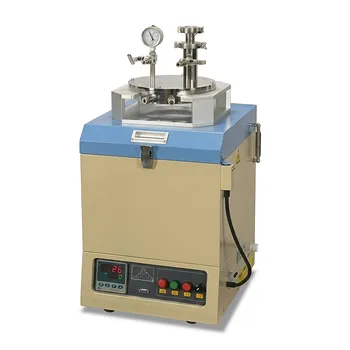
Vertical Vacuum Furnace 1100C High Temperature 8 Inch Quartz Chamber Water Cold Flange System
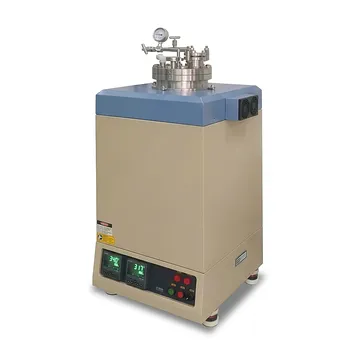
High Temperature 1000C Vacuum Furnace with 8 Inch ID Chamber for Material Sintering and Research Annealing
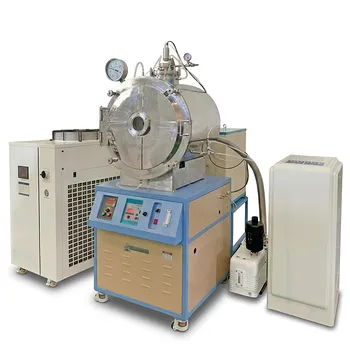
Ultra High Temperature Induction Heated Vacuum Furnace with Molten Salt Electrolysis Capability and 3000 Degree Precision Control
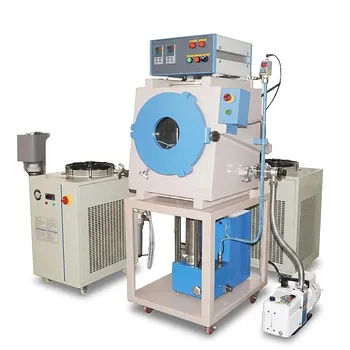
High Temperature Vacuum Lamination Hot Press Furnace Machine for Semiconductor Wafer Bonding and Advanced Composite Thermal Processing
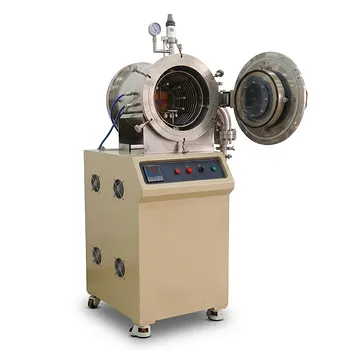
High Temperature Cold Wall High Vacuum Chamber Furnace 1400C for Advanced Material Processing
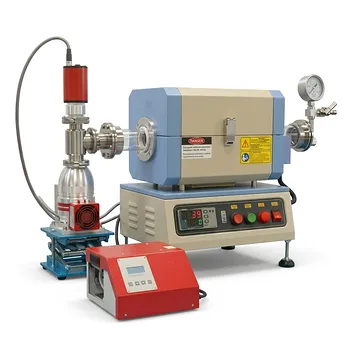
High Vacuum Compact Tube Furnace 1200C with Integrated Turbo Pump System and 8 Inch Heating Zone
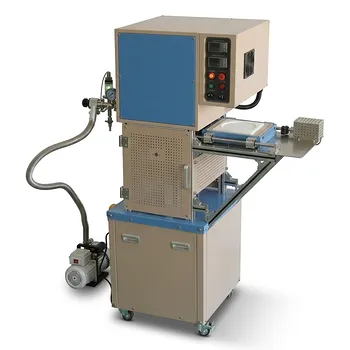
1200°C Bottom Loading Vacuum Furnace with Rapid Gas Cooling and 8.6 Inch Diameter Quartz Chamber
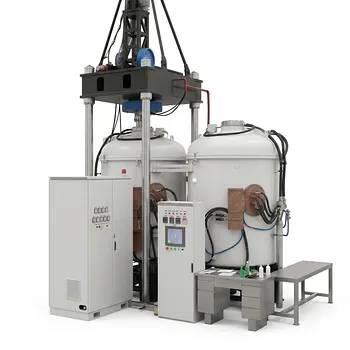
High Pressure 600T Vacuum Induction Hot Press Furnace for Advanced Material Heat Treatment and Sintering
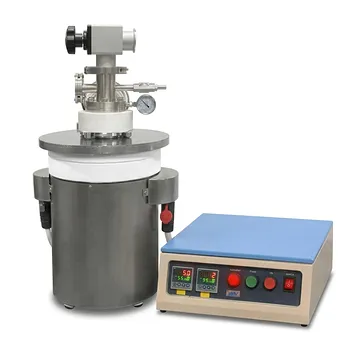
1100C High Temperature Vacuum Crucible Furnace with Quartz Chamber for Thermal Processing and Sintering
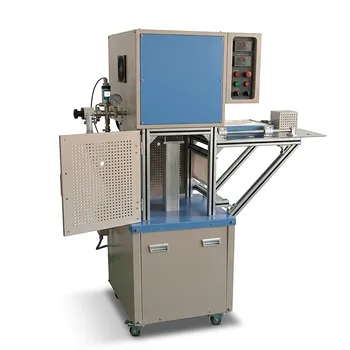
Bottom Loading Vacuum Furnace 1200C Rapid Cooling Atmosphere Control Quartz Chamber

1750°C High Temperature Benchtop Vacuum Atmosphere Tube Furnace with Kanthal Super 1800 Heating Elements and 60mm Alumina Processing Tube
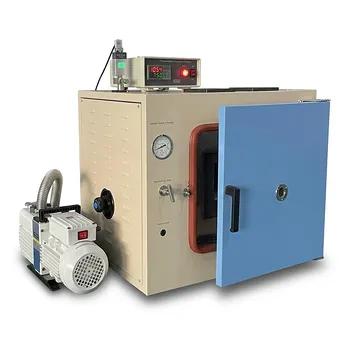
Compact High Vacuum Box Furnace 1050C Max 6.2L Ceramic Chamber Stainless Steel Shell Programmable Temperature Controller for Material Science Research
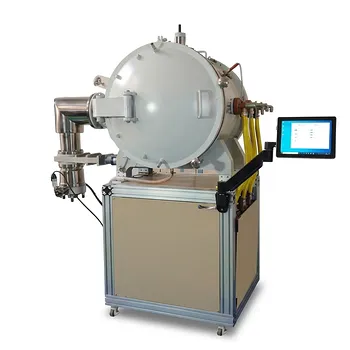
High Temperature Cold Wall Vacuum Furnace for Advanced Material Sintering and Annealing 1600C Heating Area 200x200x300mm

1800C High Temperature Compact Vacuum Tube Furnace with 60mm OD Alumina Tube and Kanthal MoSi2 Heating Elements
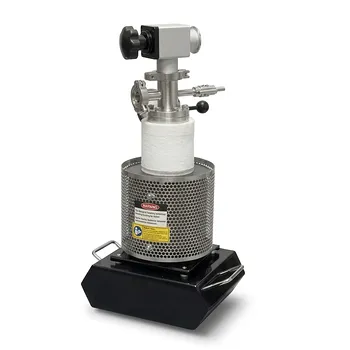
High Temperature 1100C Compact Top Loading Vertical Vacuum Tube Furnace for High Vacuum Noble Metal Melting and Material Research
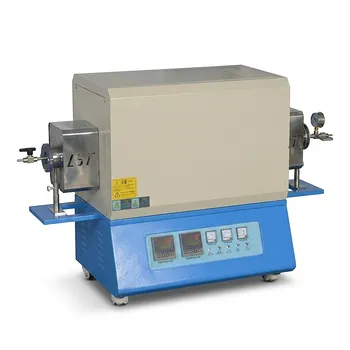
High Temperature Dual Zone Vacuum Tube Furnace for Material Research and CVD Processing
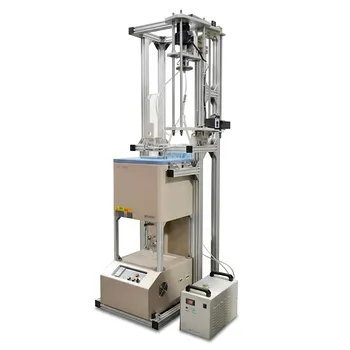
500C Vacuum Vertical Tube Furnace 84mm OD Sample Rotation Lifting System
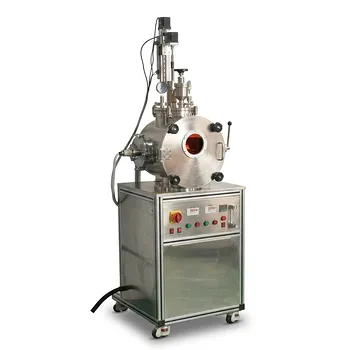
High Vacuum Melting Casting Furnace with Mechanical Stirring and Secondary Charge for Metallic Alloy Research
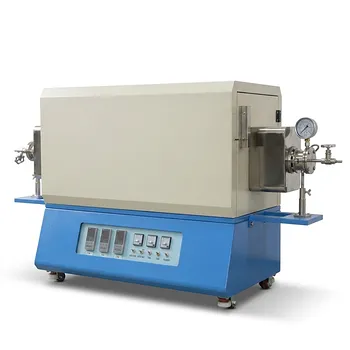
Three Temperature Zone High Temperature Vacuum Tube Furnace for CVD and Material Sintering