How does material vapor pressure affect the operating limits of a vacuum furnace? Optimize Your Thermal Processes
Updated 5 months ago
Material vapor pressure serves as a critical physical constraint on vacuum furnace operations. It determines the maximum temperature a specific workpiece can reach at a given vacuum level before it begins to evaporate or sublime. To maintain material integrity, operators must balance the desire for high vacuum against the risk of losing material to the furnace atmosphere.
The operational limit of a vacuum furnace is dictated by the point where chamber pressure meets the material's vapor pressure. To prevent material loss and furnace contamination at high temperatures, operators must often suppress vaporization by introducing a controlled partial pressure of inert gas.
The Interplay Between Temperature and Pressure
Understanding Vapor Pressure
Vapor pressure is the pressure exerted by a vapor when it is in thermodynamic equilibrium with its solid or liquid phase. In a vacuum, the absence of atmospheric pressure makes it significantly easier for atoms to escape the surface of a material.
Sublimation and Evaporation
When the chamber pressure drops below the material's vapor pressure at a specific temperature, the material transitions directly into a gas. This can lead to rapid material loss, potentially altering the dimensions and surface chemistry of the workpiece.
How Vapor Pressure Limits Furnace Performance
Setting the Temperature Ceiling
For every vacuum level, there is a "red line" temperature for every element within the furnace, including the heating elements and the workpiece. Exceeding this limit causes the material to "boil away," even if the temperature remains well below the material's melting point.
The Risk of Alloy Depletion
In complex alloys, specific elements—such as chromium or zinc—have higher vapor pressures than the base metal. High-vacuum processing can "leach" these elements out of the alloy, fundamentally changing its mechanical properties and corrosion resistance.
Controlling Vaporization with Partial Pressure
The Role of Inert Gases
To stop vaporization without introducing reactive contaminants like oxygen, operators inject high-purity inert gases such as Argon or Nitrogen. This raises the total chamber pressure above the material's vapor pressure, effectively "holding" the atoms in the solid phase.
Maintaining Thermal Protection
This partial pressure technique allows for higher processing temperatures while retaining the protective benefits of the vacuum. It is a standard requirement for the heat treatment of many tool steels and specialized aerospace components.
Understanding the Trade-offs
Vacuum Purity vs. Material Stability
Introducing partial pressure reduces the "depth" of the vacuum, which can slightly increase the risk of trace contamination or slow down heating rates. However, this is a necessary compromise to prevent the physical destruction of the part being processed.
Condensation and Equipment Contamination
Evaporated metals do not disappear; they condense on the cooler surfaces of the furnace, such as the walls, shielding, or sensors. Over time, this buildup can cause electrical shorts, cloud viewports, and lead to cross-contamination between different material batches.
How to Apply This to Your Process
When planning a vacuum thermal cycle, use the following guidelines to ensure process stability:
- If your primary focus is material integrity: Utilize partial pressure settings to keep chamber pressure at least one order of magnitude above the material's vapor pressure at peak temperature.
- If your primary focus is maximum surface purity: Process at the highest vacuum possible, but strictly limit the soak time and peak temperature to remain within the "safe zone" of the material’s vapor pressure curve.
- If your primary focus is equipment longevity: Regularly inspect and clean the furnace interior to remove metallic deposits resulting from unavoidable minor vaporization during high-heat cycles.
By respecting the vapor pressure limits of your materials, you ensure both the quality of your parts and the reliability of your vacuum system.
Summary Table:
| Factor | Operational Impact | Mitigation Strategy |
|---|---|---|
| Sublimation | Rapid material loss and dimensional changes | Introduce inert gas partial pressure (Argon/Nitrogen) |
| Alloy Depletion | Leaching of elements (e.g., Chromium) | Limit soak time and strictly control peak temperature |
| Contamination | Metallic condensation on furnace components | Regular cleaning of shielding and viewport maintenance |
| Vacuum Level | Higher vacuum increases evaporation risk | Maintain pressure one order of magnitude above vapor pressure |
Elevate Your Heat Treatment Precision with THERMUNITS
As a leading manufacturer of high-temperature laboratory equipment, THERMUNITS provides advanced thermal processing solutions for material science and industrial R&D. Our comprehensive range includes Vacuum, Muffle, Atmosphere, Tube, Rotary, and Hot Press furnaces, as well as CVD/PECVD systems, Dental Furnaces, electric rotary kilns, vacuum induction melting furnaces (VIM), and Thermal Elements.
Don't let material evaporation or alloy depletion compromise your research or production. Our expert team is ready to help you configure the ideal furnace environment for your specific material constraints.
Contact our technical experts today to find your solution!
Mentioned Products
- Vertical Vacuum Furnace 1100C High Temperature 8 Inch Quartz Chamber Water Cold Flange System
- High Temperature 1000C Vacuum Furnace with 8 Inch ID Chamber for Material Sintering and Research Annealing
- Ultra High Temperature Induction Heated Vacuum Furnace with Molten Salt Electrolysis Capability and 3000 Degree Precision Control
- High Temperature Vacuum Lamination Hot Press Furnace Machine for Semiconductor Wafer Bonding and Advanced Composite Thermal Processing
- High Temperature Cold Wall High Vacuum Chamber Furnace 1400C for Advanced Material Processing
People Also Ask
- How Vacuum Furnaces Heat Treat Fe32Cr33Ni29Al3Ti3? Optimizing HEA Microstructure & Stability
- Why is high-vacuum sealing of quartz tubes necessary for Ta2PdSe6 samples? Protect Purity & Carrier Mobility.
- Why is an integrated vacuum furnace necessary for RHEAs? Ensure data integrity and prevent oxidative embrittlement.
- What is a vacuum furnace and what are its primary functions? Master High-Purity Thermal Processing & Metallurgy
- Why is a vacuum or atmosphere furnace necessary for the preparation of air-sensitive chemical materials? Ensure Purity.

Tech Team · ThermUnits
Last updated on Apr 14, 2026
Related Products
Vertical Vacuum Furnace 1100C High Temperature 8 Inch Quartz Chamber Water Cold Flange System
High Temperature 1000C Vacuum Furnace with 8 Inch ID Chamber for Material Sintering and Research Annealing
Ultra High Temperature Induction Heated Vacuum Furnace with Molten Salt Electrolysis Capability and 3000 Degree Precision Control
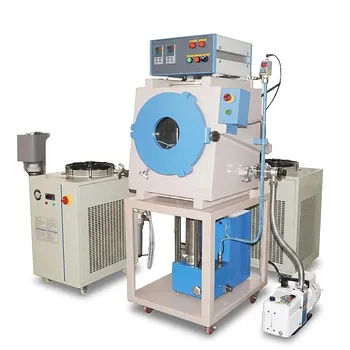
High Temperature Vacuum Lamination Hot Press Furnace Machine for Semiconductor Wafer Bonding and Advanced Composite Thermal Processing
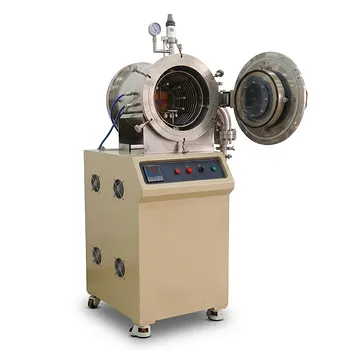
High Temperature Cold Wall High Vacuum Chamber Furnace 1400C for Advanced Material Processing
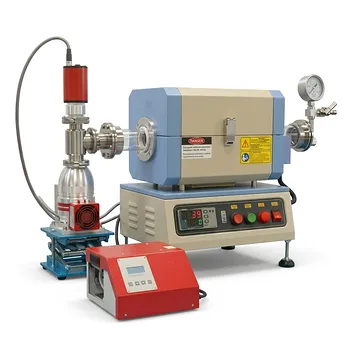
High Vacuum Compact Tube Furnace 1200C with Integrated Turbo Pump System and 8 Inch Heating Zone
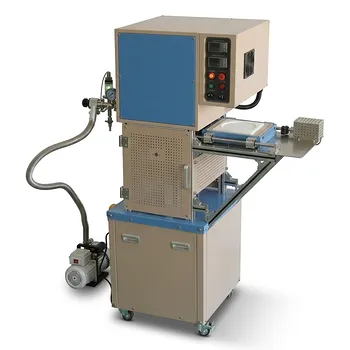
1200°C Bottom Loading Vacuum Furnace with Rapid Gas Cooling and 8.6 Inch Diameter Quartz Chamber
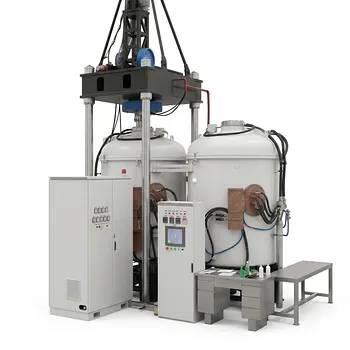
High Pressure 600T Vacuum Induction Hot Press Furnace for Advanced Material Heat Treatment and Sintering
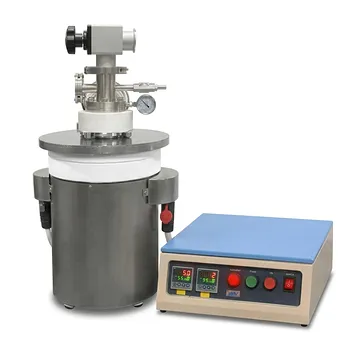
1100C High Temperature Vacuum Crucible Furnace with Quartz Chamber for Thermal Processing and Sintering
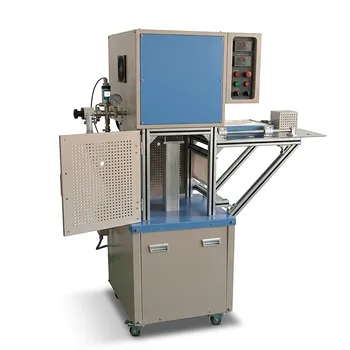
Bottom Loading Vacuum Furnace 1200C Rapid Cooling Atmosphere Control Quartz Chamber

1750°C High Temperature Benchtop Vacuum Atmosphere Tube Furnace with Kanthal Super 1800 Heating Elements and 60mm Alumina Processing Tube
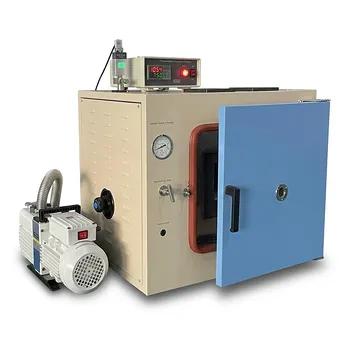
Compact High Vacuum Box Furnace 1050C Max 6.2L Ceramic Chamber Stainless Steel Shell Programmable Temperature Controller for Material Science Research
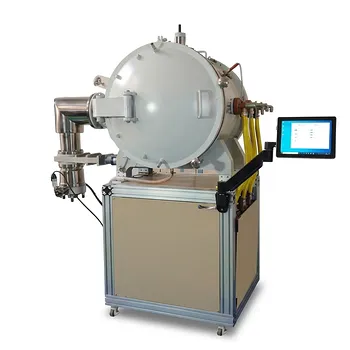
High Temperature Cold Wall Vacuum Furnace for Advanced Material Sintering and Annealing 1600C Heating Area 200x200x300mm

1800C High Temperature Compact Vacuum Tube Furnace with 60mm OD Alumina Tube and Kanthal MoSi2 Heating Elements
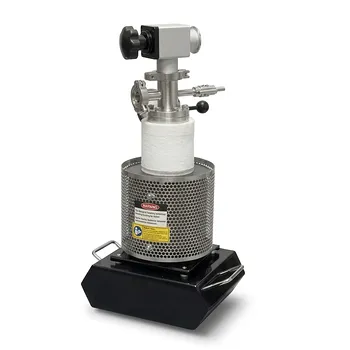
High Temperature 1100C Compact Top Loading Vertical Vacuum Tube Furnace for High Vacuum Noble Metal Melting and Material Research
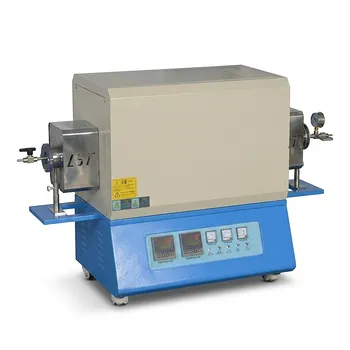
High Temperature Dual Zone Vacuum Tube Furnace for Material Research and CVD Processing
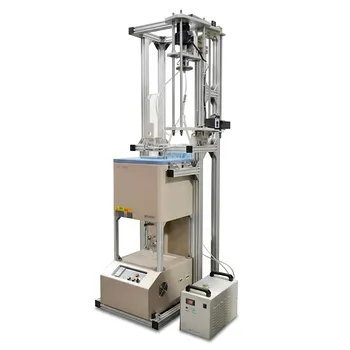
500C Vacuum Vertical Tube Furnace 84mm OD Sample Rotation Lifting System
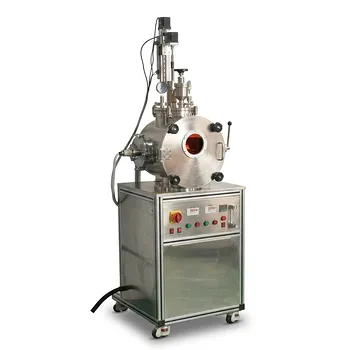
High Vacuum Melting Casting Furnace with Mechanical Stirring and Secondary Charge for Metallic Alloy Research
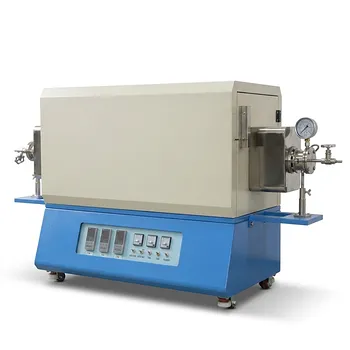
Three Temperature Zone High Temperature Vacuum Tube Furnace for CVD and Material Sintering