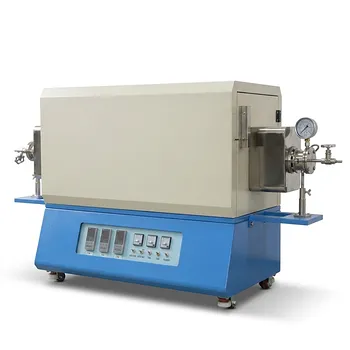
Why is a vacuum or atmosphere tube furnace required for TiO2 nanotube coatings? Optimize Crystallinity and Adhesion.
Updated 3 months ago
A vacuum or atmosphere tube furnace is the critical tool for transforming titanium dioxide (TiO2) nanotubes from a fragile, amorphous state into a stable, crystalline structure. This specific equipment provides the precise thermal control and controlled environment—often involving inert gases or vacuum—necessary to eliminate manufacturing impurities, prevent substrate degradation, and optimize the coating's mechanical and photoelectric properties.
Core Takeaway: Post-treatment in a tube furnace is not merely a heating step; it is a controlled chemical and structural metamorphosis. It converts the "as-anodized" amorphous TiO2 into functional anatase or rutile phases while simultaneously managing surface defects and bonding strength to the underlying substrate.
Phase Transformation and Structural Integrity
Converting Amorphous TiO2 to Crystalline Phases
Directly after anodic oxidation, TiO2 nanotube coatings are typically amorphous and lack the desired photocatalytic or photoelectric properties. The tube furnace provides a stable, high-temperature environment (typically between 250°C and 550°C) to induce the transformation into crystalline phases like anatase or rutile.
Controlling Grain Size and Crystallinity
Precise heating curves within the furnace allow for the adjustment of grain size. By controlling the heating rate and duration, engineers can dictate the final phase composition, which is a critical factor in determining the efficiency of photocatalytic materials.
Enhancing Photoelectric Performance
Continuous heating in specific environments can reduce exciton-like traps and manage oxygen vacancy concentrations. This refinement is essential for increasing charge carrier mobility, which directly improves the response efficiency of devices like UV photodetectors.
Environment Control and Impurity Management
Removal of Residual Fluoride and Organics
The anodic oxidation process often leaves behind residual fluoride ions and organic impurities within the nanotube structure. Heating under the protection of an inert atmosphere, such as argon, effectively removes these contaminants, thereby improving the chemical stability of the coating.
Induced Surface Defects
In some applications, an atmosphere furnace is used to facilitate thermal reduction (e.g., using NaBH4) at temperatures around 300°C. The inert atmosphere prevents the premature oxidation of reducing agents, allowing for the precise induction of oxygen vacancies (OVs) and Ti3+ defects that form high-performance core-shell structures.
Preventing Substrate Degradation
Many substrates, such as nickel foam or titanium alloys, are prone to severe oxidation when heated above 300°C in open air. A vacuum or atmosphere-controlled furnace shields these materials using nitrogen or argon, ensuring the substrate maintains its structural integrity and conductivity during the annealing process.
Adhesion and Mechanical Stability
Promoting Interface Diffusion
High-temperature treatment facilitates the formation of a diffusion layer at the interface between the TiO2 film and the metal substrate. This atomic-level bonding is the physical basis for significantly increasing coating adhesion and preventing delamination.
Stress Relief and Crack Prevention
The controlled thermal environment of a vacuum furnace helps eliminate residual stresses generated during the deposition process. By providing a uniform thermal field, the furnace reduces the occurrence of surface cracks, leading to a denser and more durable coating.
Thermal Curing for Mechanical Strength
For composite coatings, the furnace facilitates the thermal curing of particles onto the carrier. This process significantly enhances the bonding strength between the catalytic layer and the metal carrier, ensuring the coating survives harsh operational environments.
Understanding the Trade-offs
Atmosphere Selection Risks
Choosing the wrong gas can compromise the material; for instance, while nitrogen is an excellent inert shield, an oxygen-containing environment might be necessary if the goal is to reduce oxygen vacancies rather than create them.
Heating Rate Sensitivity
Rapid temperature changes can induce thermal shock, leading to micro-cracking in the nanotube arrays. While high temperatures are necessary for rutile formation, excessive heat can cause the nanotubes to collapse or the grain size to grow too large, reducing surface area.
Vacuum vs. Inert Gas
A high vacuum (e.g., at 800°C) is superior for preventing the oxidation of metallic nanoparticles like copper, but it may be more costly and slower to cycle than a standard atmospheric purge with argon or nitrogen.
How to Apply This to Your Project
Recommendations Based on Your Goal
- If your primary focus is photocatalytic activity: Use an atmosphere furnace to reach 400°C–500°C to maximize the formation of the anatase phase while maintaining high surface area.
- If your primary focus is coating adhesion: Utilize higher temperatures (up to 840°C) in an inert nitrogen environment to promote a robust diffusion layer at the substrate interface.
- If your primary focus is preventing substrate oxidation: Ensure the furnace maintains a high vacuum or a constant flow of high-purity argon before exceeding 300°C.
- If your primary focus is defect engineering: Carefully control the nitrogen flow during thermal reduction to accurately induce Ti3+ sites without oxidizing your reducing agents.
By precisely mastering the thermal and atmospheric conditions of the post-treatment process, you ensure that TiO2 nanotube coatings achieve their full theoretical potential in durability and performance.
Summary Table:
| Key Feature | Impact on TiO2 Coating | Primary Benefit |
|---|---|---|
| Phase Transformation | Amorphous to Anatase/Rutile conversion | Maximizes photocatalytic & photoelectric efficiency |
| Atmosphere Control | Removal of Fluoride & Organic impurities | Improves chemical stability & coating purity |
| Thermal Reduction | Induction of Oxygen Vacancies (OVs) | Enhances charge carrier mobility & response |
| Inert Shielding | Prevents substrate oxidation/degradation | Maintains structural integrity & conductivity |
| Interface Diffusion | Atomic-level bonding with substrate | Prevents delamination & increases adhesion |
| Uniform Heating | Elimination of residual stresses | Reduces micro-cracking & mechanical failure |
Elevate Your Material Research with THERMUNITS
As a leading manufacturer of high-temperature laboratory equipment, THERMUNITS provides the precision thermal solutions required for advanced material science and industrial R&D. Our vacuum and atmosphere tube furnaces are specifically designed to handle the delicate post-treatment of TiO2 nanotubes, ensuring optimal phase transformation and substrate protection.
We offer a comprehensive range of thermal processing systems, including:
- Furnaces: Muffle, Vacuum, Atmosphere, Tube, Rotary, and Hot Press.
- Advanced Systems: CVD/PECVD, Dental Furnaces, and Vacuum Induction Melting (VIM).
- Industrial Kilns: Electric rotary kilns and customized heat treatment equipment.
Ready to optimize your heat treatment process? Contact our expert team today to find the perfect thermal solution for your lab or production facility.
References
- Tsanka Dikova, Neli Mintcheva. Morphology and Structure of TiO2 Nanotube/Carbon Nanostructure Coatings on Titanium Surfaces for Potential Biomedical Application. DOI: 10.3390/ma17061290
Mentioned Products
- Vertical 1700C Vacuum and Atmosphere Tube Furnace with 80mm Alumina Tube
- 1750°C High Temperature Benchtop Vacuum Atmosphere Tube Furnace with Kanthal Super 1800 Heating Elements and 60mm Alumina Processing Tube
- Compact Vertical Split Quartz Tube Furnace with Stainless Steel Vacuum Flanges for Rapid Thermal Quenching and Controlled Atmosphere Material Processing
- Three Zone Tube Furnace with 11 Inch or 15 Inch Quartz Tube and Hinged Flanges for Vacuum Atmosphere Heat Treatment
- 1000C Mini Tube Furnace with 20mm Quartz Tube and Vacuum Flanges for Material Science Research and Controlled Atmosphere Small Sample Processing
People Also Ask
- How is an industrial-grade vertical tube furnace utilized in smelting leaching residues? Enhance Metal Recovery Efficiency
- What is the function of a laboratory-grade vertical tube furnace in fast pyrolysis? Optimize Composite Research.
- How does a vertical tube furnace facilitate thermoelectric alloy melting? Precision synthesis for material homogeneity.
- Why is a thermocouple sensor indispensable for monitoring the vertical tube furnace during gallium oxide nanowire production? Optimize VLS Growth
- What are the advantages of using a vertical tube furnace for crucible experiments simulating steel-slag interactions?

Tech Team · ThermUnits
Last updated on Jun 03, 2026
Related Products

Vertical 1700C Vacuum and Atmosphere Tube Furnace with 80mm Alumina Tube
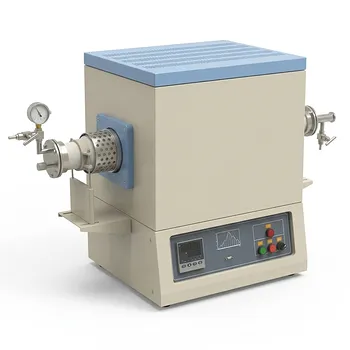
1750°C High Temperature Benchtop Vacuum Atmosphere Tube Furnace with Kanthal Super 1800 Heating Elements and 60mm Alumina Processing Tube
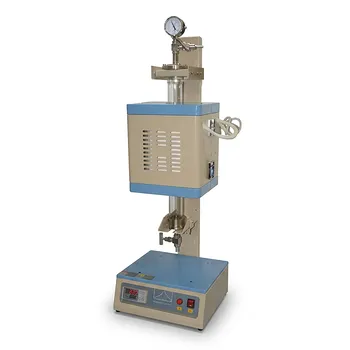
Compact Vertical Split Quartz Tube Furnace with Stainless Steel Vacuum Flanges for Rapid Thermal Quenching and Controlled Atmosphere Material Processing
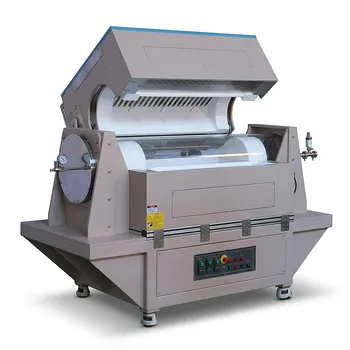
Three Zone Tube Furnace with 11 Inch or 15 Inch Quartz Tube and Hinged Flanges for Vacuum Atmosphere Heat Treatment
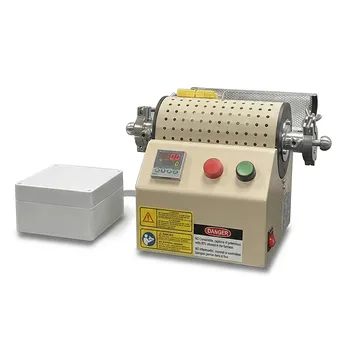
1000C Mini Tube Furnace with 20mm Quartz Tube and Vacuum Flanges for Material Science Research and Controlled Atmosphere Small Sample Processing
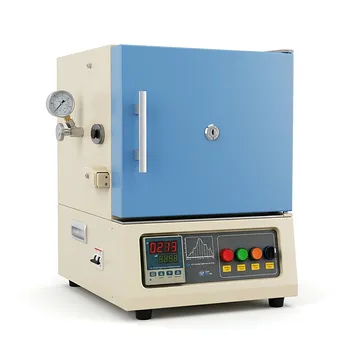
1200C Hybrid Muffle and Tube Furnace for Material Research with Dual Atmosphere Control Quartz Tubes

1800C High Temperature Compact Vacuum Tube Furnace with 60mm OD Alumina Tube and Kanthal MoSi2 Heating Elements
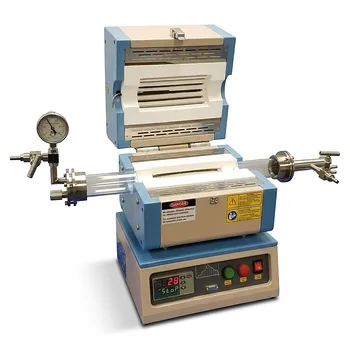
Compact Split Tube Furnace with Integrated Vacuum System and Precision Temperature Calibrator
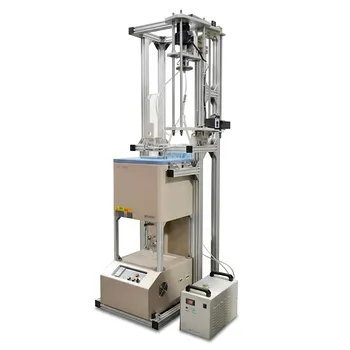
500C Vacuum Vertical Tube Furnace 84mm OD Sample Rotation Lifting System
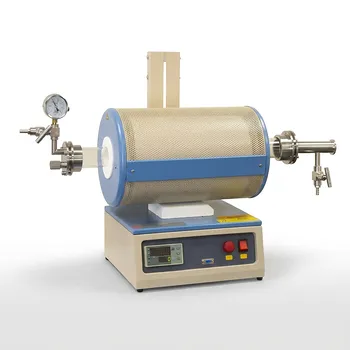
1100C Tube Furnace with Vacuum Flange and Programmable Temperature Controller for Material Science and Industrial Heat Treatment
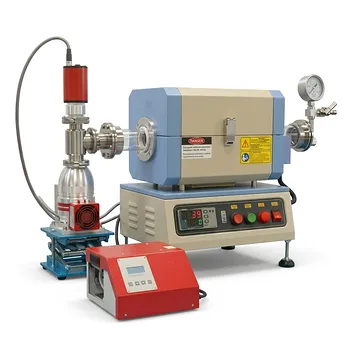
High Vacuum Compact Tube Furnace 1200C with Integrated Turbo Pump System and 8 Inch Heating Zone
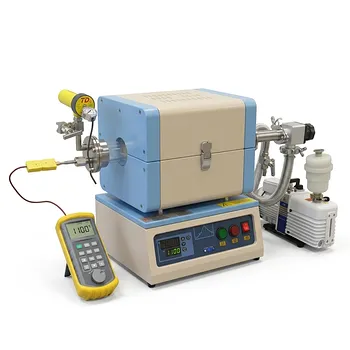
Compact Split Tube Furnace with Insertable Temperature Calibrator and Integrated Vacuum System
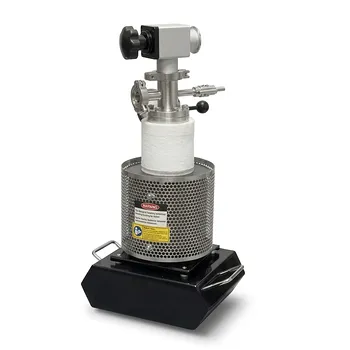
High Temperature 1100C Compact Top Loading Vertical Vacuum Tube Furnace for High Vacuum Noble Metal Melting and Material Research
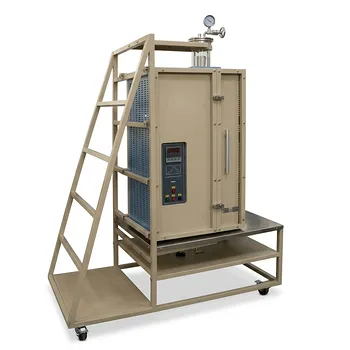
Split Vertical Tube Furnace with 1200C Quartz Tube and Stainless Steel Vacuum Flanges for Rapid Thermal Processing
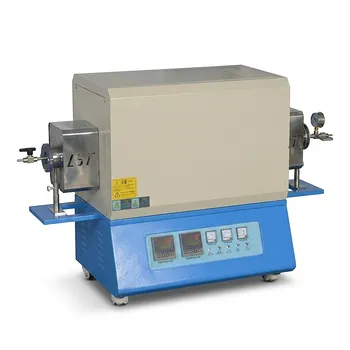
High Temperature Dual Zone Vacuum Tube Furnace for Material Research and CVD Processing

High Temperature 1700C Vertical Tube Furnace for Powder Spherification and Material Sintering
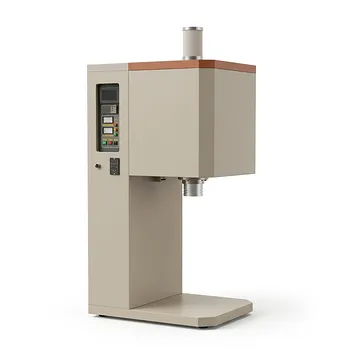
Vertical Openable Tube Furnace 0-1700c High Temperature Laboratory System for CVD and Vacuum Heat Treatment
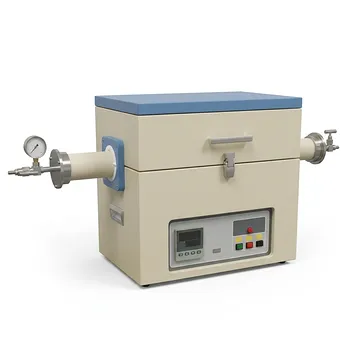
1250C Split Tube Furnace with 3 Inch Mullite Tube and Vacuum Sealing Flanges for Precision Thermal Processing
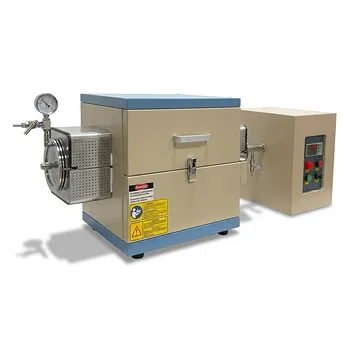
1200C High Temperature 5 Inch Split Vacuum Tube Furnace with 12 Inch Heating Zone and Separated PID Controller