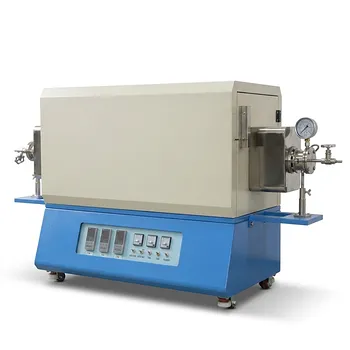
Why is a vacuum oven necessary for the pre-treatment of STPU raw materials? Ensure Structural Integrity & Purity.
Updated 3 months ago
The necessity of a vacuum oven in STPU pre-treatment centers on the extreme moisture sensitivity of isocyanate groups. By providing a low-pressure thermal environment, a vacuum oven effectively extracts trace moisture and dissolved gases that would otherwise compromise the chemical structure of the polymer. This process is the foundational step for ensuring that subsequent manufacturing stages, such as thermal drawing, produce dense, defect-free materials with high mechanical integrity.
Core Takeaway: Pre-treating STPU in a vacuum oven is a critical preventative measure that stops residual moisture from triggering side reactions, thereby preserving the material's cross-linking density and preventing structural porosity.
The Chemical Volatility of Isocyanates
Sensitivity to Trace Moisture
Self-healing Thermoplastic Polyurethane (STPU) contains isocyanate groups which are chemically aggressive and highly reactive. In the presence of even trace amounts of water, these groups undergo undesirable side reactions rather than the intended polymerization.
Prevention of Internal Defect Formation
When isocyanates react with residual moisture, they often release carbon dioxide gas as a byproduct. In a solidifying polymer, this gas becomes trapped, creating internal bubbles or voids that weaken the material’s molecular architecture.
Maintaining Cross-Linking Density
The primary goal of STPU synthesis is to achieve a specific cross-linking density, which dictates the material's ability to "heal" itself. Moisture interference consumes the reactive sites needed for these bonds, directly reducing the material’s self-healing efficiency and overall durability.
Structural Integrity and Mechanical Performance
Impact on Thermal Drawing Processes
For applications like fiber spinning or thermal drawing, the raw material must be internally dense. Any gas trapped during the pre-treatment phase will expand during heating, leading to fiber breakage or inconsistent diameters.
Preventing Hydrogen Embrittlement and Oxidation
As seen in similar high-precision materials, vacuum environments prevent oxidation and hydrogen embrittlement. By removing oxygen and moisture simultaneously, the vacuum oven ensures the polymer chains remain chemically "pure" and resistant to premature degradation.
Preserving Microscopic Morphology
A vacuum environment allows for gentle degassing at lower temperatures compared to standard atmospheric ovens. This prevents the rapid vaporization of volatiles, which can cause the collapse of the material's microscopic framework or undesired particle agglomeration.
Understanding the Trade-offs
Process Time vs. Material Stability
Vacuum drying is often slower than high-heat atmospheric drying because it relies on low-pressure evaporation. However, increasing the temperature too much to speed up the process can lead to thermal degradation or the premature activation of the self-healing mechanism.
Equipment Complexity and Cost
Implementing a vacuum-based workflow requires specialized equipment capable of maintaining consistent low-pressure seals at elevated temperatures. While this increases operational costs, the alternative is a high rate of material failure and structural defects in the final product.
How to Optimize Your Pre-Treatment Strategy
To achieve the best results with STPU raw materials, your pre-treatment approach should be tailored to your specific production goals.
- If your primary focus is Maximum Mechanical Strength: Prioritize a longer vacuum cycle at a stable, lower temperature (e.g., 80°C) to ensure every trace of moisture is removed without triggering thermal stress.
- If your primary focus is High-Volume Fiber Production: Ensure the vacuum oven is integrated directly into a dry-transfer system to prevent the material from re-absorbing humidity from the air before it reaches the drawing tower.
- If your primary focus is Chemical Purity: Use a vacuum oven with an inert gas purge capability to completely eliminate oxygen, preventing any oxidative yellowing of the STPU.
The vacuum oven is not merely a drying tool, but a fundamental safeguard that ensures the chemical and structural viability of high-performance self-healing polymers.
Summary Table:
| Challenge in STPU Pre-treatment | Role of Vacuum Oven | Key Benefit/Outcome |
|---|---|---|
| Moisture Sensitivity | Extracts trace water at low pressure | Prevents side reactions & CO2 bubbles |
| Gas Trapping | Degasses material effectively | Ensures high density for thermal drawing |
| Oxidation Risk | Provides an oxygen-free environment | Prevents yellowing & polymer degradation |
| Cross-linking Decay | Protects reactive isocyanate groups | Preserves self-healing efficiency |
Elevate Your Material Research with THERMUNITS
Are you looking to eliminate defects in your advanced polymer processing? THERMUNITS is a leading manufacturer of high-temperature laboratory equipment, offering a comprehensive range of thermal solutions including Vacuum, Atmosphere, Tube, and Hot Press furnaces, as well as CVD/PECVD systems and vacuum induction melting furnaces (VIM).
We provide material science and industrial R&D professionals with the precision required for sensitive heat treatments. Contact us today to find the perfect thermal processing equipment for your laboratory and ensure the highest mechanical integrity for your STPU and high-performance materials!
References
- Miao Qi, Lei Wei. Self‐Healable Multifunctional Fibers via Thermal Drawing. DOI: 10.1002/advs.202400785
Mentioned Products
- High Temperature Cold Wall High Vacuum Chamber Furnace 1400C for Advanced Material Processing
- High Vacuum Compact Tube Furnace 1200C with Integrated Turbo Pump System and 8 Inch Heating Zone
- Bottom Loading Vacuum Furnace 1200C Rapid Cooling Atmosphere Control Quartz Chamber
- High Temperature 1000C Vacuum Furnace with 8 Inch ID Chamber for Material Sintering and Research Annealing
- 1200C High Temperature 5 Inch Split Vacuum Tube Furnace with 12 Inch Heating Zone and Separated PID Controller
People Also Ask
- What is the function of high-vacuum furnaces in (Mo2/3V1/3)n+1AlCn MAX phase synthesis? Ensure Purity & Diffusion.
- Why must MoS2 samples undergo high vacuum dehydration? Key to a-IGZO Heterojunction Stability
- Why is a vacuum oven required for Si-C composite drying? Achieve total decontamination & prevent oxidation.
- How do vacuum furnaces facilitate high purity in the electronics and semiconductor industry? Elevate Material Standards
- What is the structural significance of the cold-wall design in a vacuum furnace? Enhance Safety & Performance

Tech Team · ThermUnits
Last updated on Jun 03, 2026
Related Products
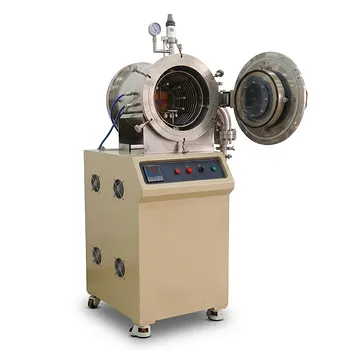
High Temperature Cold Wall High Vacuum Chamber Furnace 1400C for Advanced Material Processing
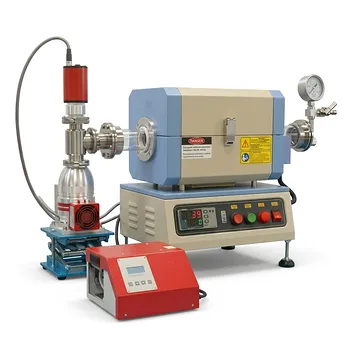
High Vacuum Compact Tube Furnace 1200C with Integrated Turbo Pump System and 8 Inch Heating Zone
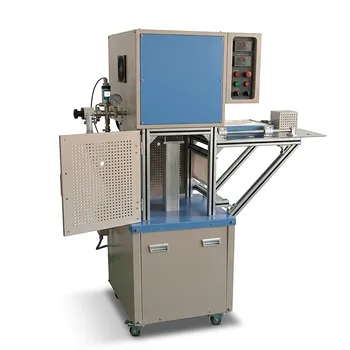
Bottom Loading Vacuum Furnace 1200C Rapid Cooling Atmosphere Control Quartz Chamber
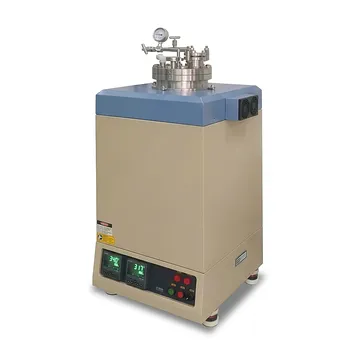
High Temperature 1000C Vacuum Furnace with 8 Inch ID Chamber for Material Sintering and Research Annealing
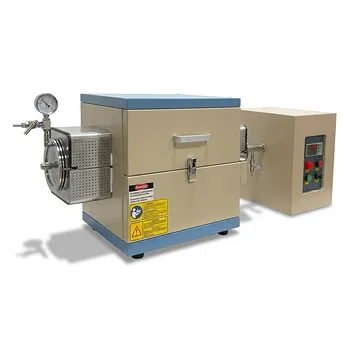
1200C High Temperature 5 Inch Split Vacuum Tube Furnace with 12 Inch Heating Zone and Separated PID Controller

Vertical 1700C Vacuum and Atmosphere Tube Furnace with 80mm Alumina Tube
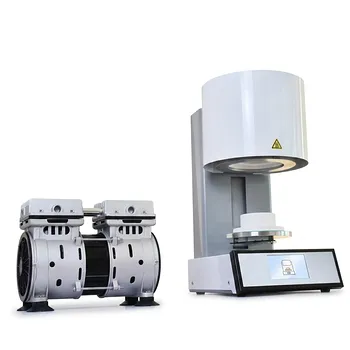
Vacuum Dental Porcelain Sintering Furnace for High Precision Ceramic Restorations
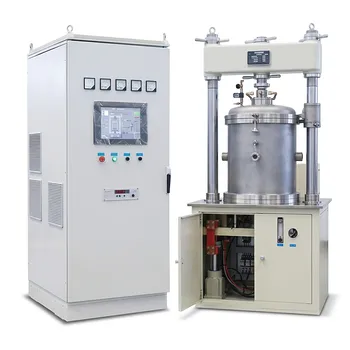
Industrial Vacuum Hot Press Furnace Machine and High Temperature Heated Vacuum Press for Advanced Material Sintering
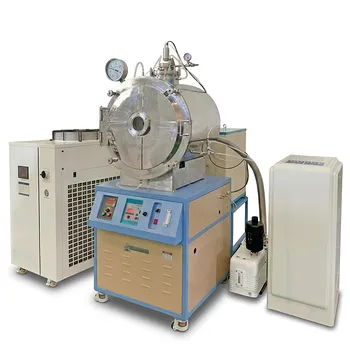
Ultra High Temperature Induction Heated Vacuum Furnace with Molten Salt Electrolysis Capability and 3000 Degree Precision Control
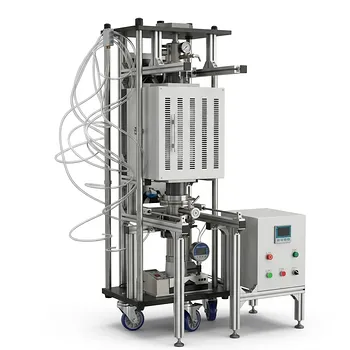
Industrial High Temperature Vacuum Hot Press Furnace and Heated Vacuum Press Machine for Material Science Sintering
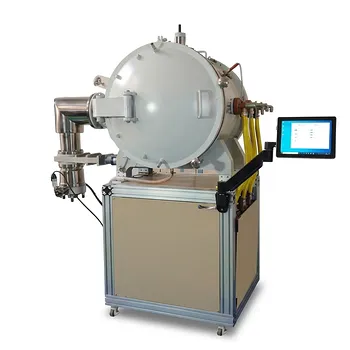
High Temperature Cold Wall Vacuum Furnace for Advanced Material Sintering and Annealing 1600C Heating Area 200x200x300mm
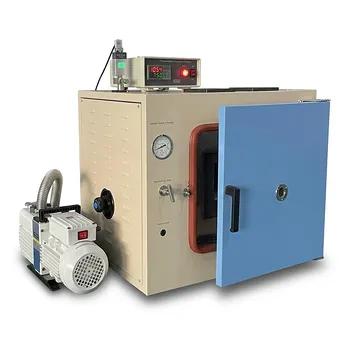
Compact High Vacuum Box Furnace 1050C Max 6.2L Ceramic Chamber Stainless Steel Shell Programmable Temperature Controller for Material Science Research
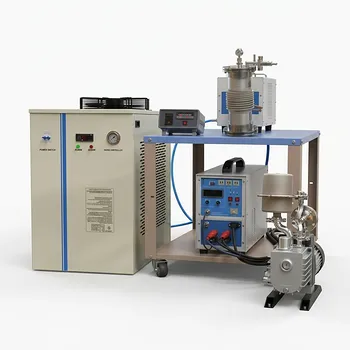
Induction Heating System with Temperature Control for High Temperature Vacuum Sintering and Melting
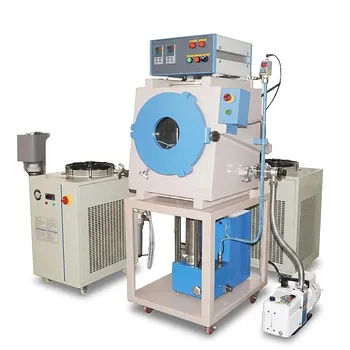
High Temperature Vacuum Lamination Hot Press Furnace Machine for Semiconductor Wafer Bonding and Advanced Composite Thermal Processing
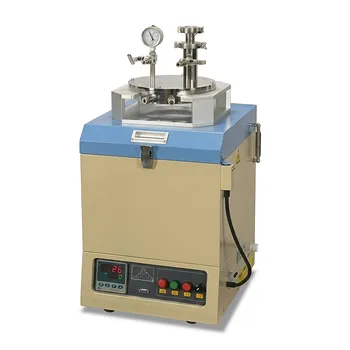
Vertical Vacuum Furnace 1100C High Temperature 8 Inch Quartz Chamber Water Cold Flange System
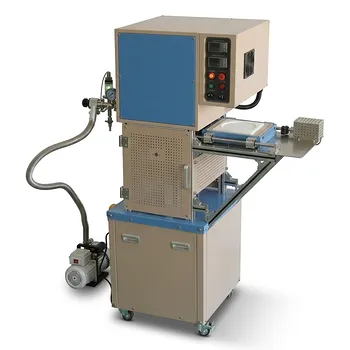
1200°C Bottom Loading Vacuum Furnace with Rapid Gas Cooling and 8.6 Inch Diameter Quartz Chamber

1800C High Temperature Compact Vacuum Tube Furnace with 60mm OD Alumina Tube and Kanthal MoSi2 Heating Elements
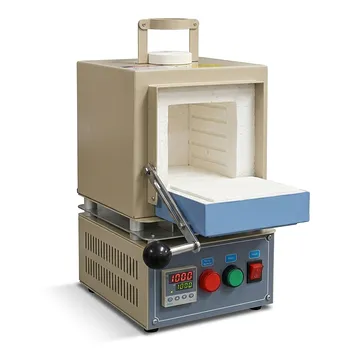
Compact 1000C Muffle Furnace with Programmable Controller and 2 Inch Top Port for Vacuum and Atmosphere Material Research
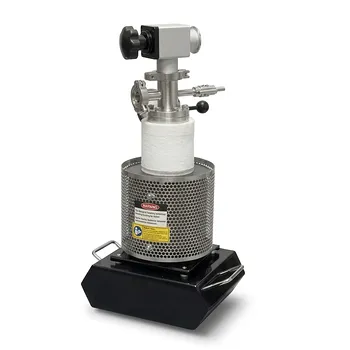
High Temperature 1100C Compact Top Loading Vertical Vacuum Tube Furnace for High Vacuum Noble Metal Melting and Material Research