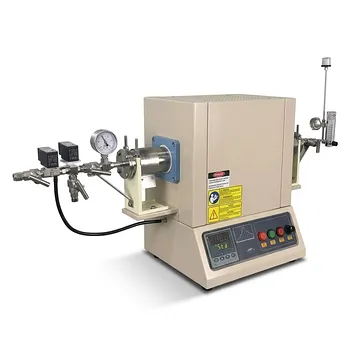
Why is an Argon-purged tube furnace used for the annealing heat treatment of Ti-Al-Si-V alloy specimens? Prevent Oxidation
Updated 3 months ago
The use of an Argon-purged tube furnace is a critical requirement for Ti-Al-Si-V alloys to prevent catastrophic oxidation and elemental loss during high-temperature processing. This specific environment allows the alloy to reach temperatures between 1200°C and 1400°C, which are necessary to eliminate residual stresses and homogenize the microstructure. Without the inert Argon barrier, the titanium and aluminum components would react aggressively with ambient oxygen and nitrogen, destroying the specimen's surface and altering its bulk chemical composition.
Core Takeaway: An Argon-purged tube furnace serves as an isolation chamber that protects highly reactive Ti-Al-Si-V alloys from atmospheric contamination. This ensures that the heat treatment effectively modifies the internal structure of the metal without the interference of surface oxidation or the depletion of alloying elements.
Managing the High Chemical Activity of Titanium Alloys
The Risk of Atmospheric Reactivity
Titanium is characterized by its extreme chemical activity at elevated temperatures. When heated above certain thresholds, it acts as a "getter," rapidly absorbing oxygen and nitrogen from the surrounding air.
In Ti-Al-Si-V alloys, this reactivity leads to the formation of thick oxide scales. If left unprotected, the material will undergo internal oxygen diffusion, which can embrittle the specimen and lead to premature structural failure.
Argon as an Inert Shield
High-purity Argon gas is used because it is chemically inert, meaning it does not react with the alloy even at temperatures as high as 1400°C. By purging the tube furnace with Argon, oxygen is displaced, creating a localized vacuum-like protection without the mechanical complexity of a vacuum pump.
This inert environment is essential for long-term soaking periods, such as 60-minute cycles or longer. It ensures that the heat treatment focuses solely on the internal phase evolution rather than external chemical reactions.
Preserving the Alloy’s Chemical Composition
Preventing De-aluminization
Aluminum (Al) is a key stabilizing element in Ti-Al-Si-V alloys, but it is prone to surface de-aluminization at high temperatures. In an oxidizing environment, aluminum can be lost from the surface layers, fundamentally changing the alloy's properties.
The Argon atmosphere maintains the stability of the alloy’s chemical composition. By preventing the loss of aluminum and other volatile elements, the furnace ensures that the resulting material matches the intended design specifications.
Avoiding the "Alpha-Case" and Nitridation
Exposure to nitrogen and oxygen often results in the formation of a brittle surface layer known as the alpha-case. This layer is significantly harder and more brittle than the bulk material, acting as a site for crack initiation.
The use of a tube furnace with controlled gas flow also prevents severe nitridation contamination. This is vital for researchers who need to ensure that the phase equilibrium data they obtain reflects the intrinsic properties of the alloy system rather than environmental impurities.
Achieving Microstructural Goals
Eliminating Residual Stresses
Ti-Al-Si-V specimens often contain residual stresses generated during rapid solidification or mechanical cutting. High-temperature annealing allows these internal stresses to relax, preventing warping or cracking in the final component.
The tube furnace provides the strictly controlled thermal environment necessary for this relaxation. Because the environment is protected, the material can be held at peak temperature long enough for full stress relief to occur.
Homogenization of the Microstructure
During casting, alloys often suffer from compositional segregation, where elements are not distributed evenly. Annealing at 1200°C–1400°C promotes atomic diffusion, which homogenizes the microstructure.
This process creates a uniform initial surface state and consistent bulk organization. A uniform structure is essential for predictable mechanical performance and for any subsequent processing steps, such as carburization or further machining.
Understanding the Trade-offs
Argon Purity vs. Cost
While Argon is effective, its success depends entirely on gas purity. Even trace amounts of moisture or oxygen in the Argon line can cause visible discoloration (tinting) on titanium specimens, indicating that oxidation has not been fully eliminated.
Tube Furnace Limitations
Tube furnaces are excellent for small specimens and precise control, but they require careful management of gas flow rates. If the flow is too low, contaminants may seep in; if too high, it can cause thermal gradients across the specimen, leading to uneven heat treatment.
Argon vs. High Vacuum
For some titanium alloys, a high vacuum furnace may be preferred over Argon purging to achieve the highest level of purity. However, Argon-purged tube furnaces are often more accessible and faster to cycle, providing a practical balance between protection and operational efficiency.
How to Apply This to Your Project
Recommendations for Effective Annealing
- If your primary focus is surface integrity: Ensure the Argon is "high-purity" grade (99.999%) and utilize a titanium sponge or "getter" upstream to strip any remaining oxygen from the gas line.
- If your primary focus is microstructural homogenization: Prioritize longer soaking times at 1200°C+ and ensure the tube furnace is properly sealed to maintain a positive Argon pressure throughout the cycle.
- If your primary focus is stress relief after machining: You may use slightly lower temperatures (around 700°C-900°C) depending on the specific Ti-alloy grade, but Argon protection remains mandatory to prevent the formation of the brittle alpha-case.
By strictly controlling the atmosphere within a tube furnace, you transform a potentially destructive heating process into a precise tool for metallurgical refinement.
Summary Table:
| Feature | Requirement for Ti-Al-Si-V Annealing |
|---|---|
| Temperature Range | 1200°C - 1400°C |
| Atmosphere | High-purity Argon (99.999% preferred) |
| Primary Function | Preventing oxidation and alpha-case formation |
| Microstructural Goal | Stress relief and atomic homogenization |
| Critical Risk Avoided | Surface de-aluminization and embrittlement |
Optimize Your Alloy Research with THERMUNITS Precision Furnaces
Achieving the perfect microstructure in reactive Ti-Al-Si-V alloys requires uncompromising atmospheric control. THERMUNITS is a leading manufacturer of high-temperature laboratory equipment dedicated to supporting material science and industrial R&D.
Our advanced Tube Furnaces and Atmosphere Furnaces provide the inert environment necessary to prevent oxidation and elemental loss, ensuring your specimens meet exact design specifications. Beyond tube furnaces, we offer a comprehensive range of thermal processing solutions, including Vacuum, Muffle, Rotary, and Hot Press furnaces, as well as CVD/PECVD systems and vacuum induction melting furnaces (VIM).
Enhance your lab's thermal processing reliability today.
Contact THERMUNITS for a Professional Consultation
References
- Sadiq Abiola Raji, Monnamme Tlotleng. Assessing the nanomechanical, wear and thermal stability of Ti-Al-Si-V alloys produced via laser engineered net shaping (LENS) in-situ alloying. DOI: 10.1051/matecconf/202440603001
Mentioned Products
- High Temperature 1700C 4 Channel Tube Furnace 1 Inch Alumina Tube for Hi-Throughput Annealing
- 1200C High Throughput Multi Channel Tube Furnace with 50mm Quartz Tubes for Annealing and Material Phase Diagram Research
- High Throughput 1200C Four Channel Tube Furnace with 3 Inch Quartz Tubes for Multi Zone Annealing and Material Research
- High Temperature Vertical Atmosphere Controlled Furnace with Automatic Bottom Loading and 1700°C Capacity for Advanced Material Research
- 900 ºC Max Sliding RTP Tube Furnace with Rapid IR Heating and 4 Inch OD Quartz Tube
People Also Ask
- Why use a tube furnace for oxygen annealing LaCrO3/LaMnO3? Optimize Phase Transition & Magnetic Performance.
- What key role does a laboratory high-temperature tube furnace play in the production of carbon nanofibers? Guide
- How is a laboratory high-temperature tube furnace utilized to research the products of aluminothermic reduction? Advanced Metallurgical Solutions
- What critical conditions does an industrial high-temperature tube furnace provide for annealing (GaAl)2O3 thin films?
- What role does a high-temperature tube furnace play in the annealing modification of Miscanthus Biochar fillers? Boost graphitization.

Tech Team · ThermUnits
Last updated on Jun 02, 2026
Related Products
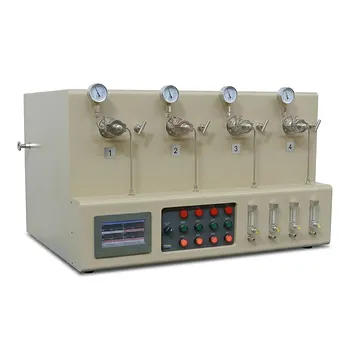
High Temperature 1700C 4 Channel Tube Furnace 1 Inch Alumina Tube for Hi-Throughput Annealing
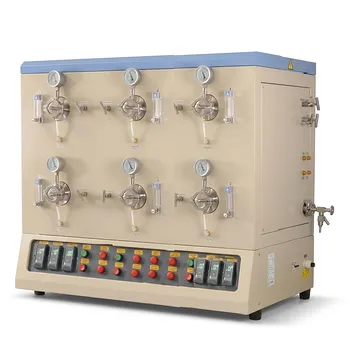
1200C High Throughput Multi Channel Tube Furnace with 50mm Quartz Tubes for Annealing and Material Phase Diagram Research
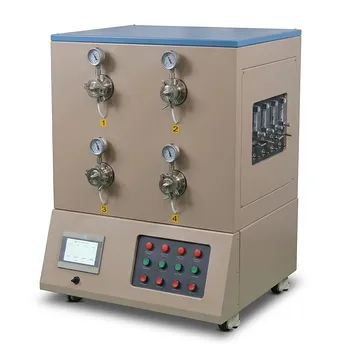
High Throughput 1200C Four Channel Tube Furnace with 3 Inch Quartz Tubes for Multi Zone Annealing and Material Research
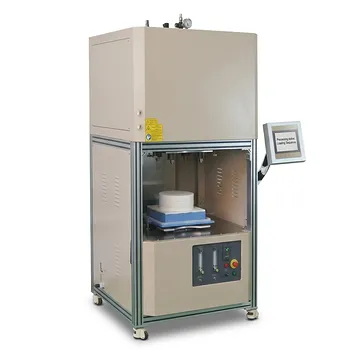
High Temperature Vertical Atmosphere Controlled Furnace with Automatic Bottom Loading and 1700°C Capacity for Advanced Material Research
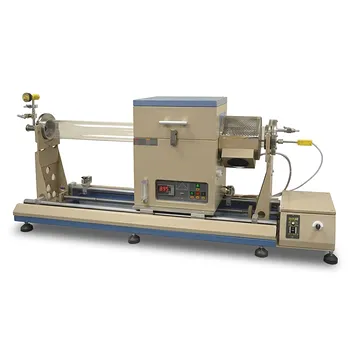
900 ºC Max Sliding RTP Tube Furnace with Rapid IR Heating and 4 Inch OD Quartz Tube

High Temperature 1700C Benchtop Tube Furnace with 5 Inch Heating Zone High Purity Alumina Tube and Vacuum Sealing Flanges

Compact High Temperature 1600C Tube Furnace with 50mm Alumina Tube and Vacuum Flanges for Material Sintering

Vertical 1700C Vacuum and Atmosphere Tube Furnace with 80mm Alumina Tube

High Temperature 1700C Six Zone Split Tube Furnace with Alumina Tube and Water Cooled Flanges

High Temperature 1700C Vertical Tube Furnace for Powder Spherification and Material Sintering

1800C High Temperature Compact Vacuum Tube Furnace with 60mm OD Alumina Tube and Kanthal MoSi2 Heating Elements

High Temperature 1700C Tube Furnace with 4 Inch OD Alumina Tube and Vacuum Sealing Flanges

1700C Hydrogen Gas Tube Furnace with 60mm Alumina Process Tube and Integrated Hydrogen Safety Detector
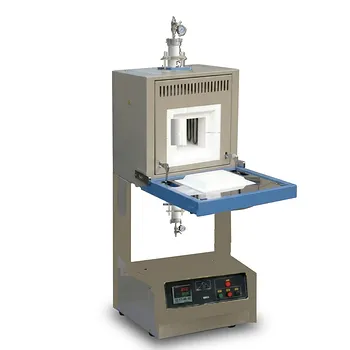
High Temperature Vertical Hybrid Furnace with Alumina Tube and SiC Heating for SOFC Coin Cell Testing and Atmosphere Processing
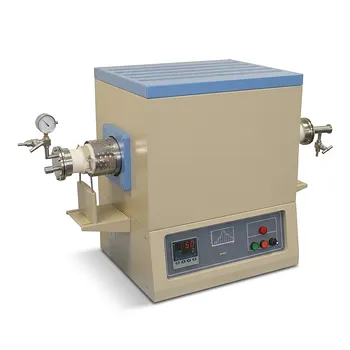
1700C High Temperature Alumina Tube Furnace with 18 Inch Heated Zone and Vacuum Sealing Flanges
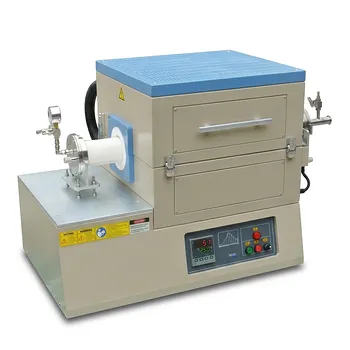
High Temperature 1700C Split Tube Furnace with Vacuum Flanges Valves and 60mm Alumina Tube
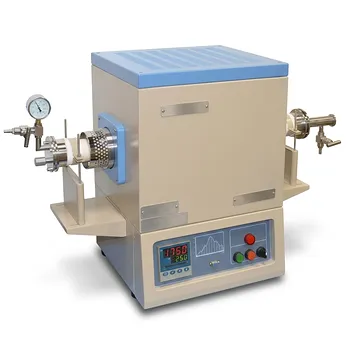
High Temperature Compact Vacuum Tube Furnace 1750C Max 60mm OD Alumina Tube

1200°C 5 Inch Vertical Quartz Tube Furnace with Stainless Steel Vacuum Flanges
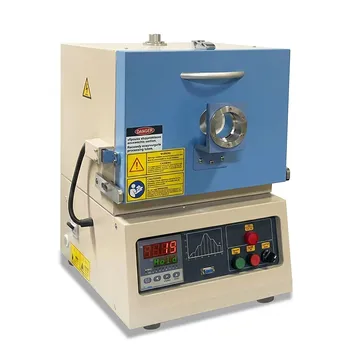
High Temperature Hybrid Muffle and Tube Furnace 1700C Programmable PID Controlled Box System with Vacuum Flange and Alumina Processing Tube