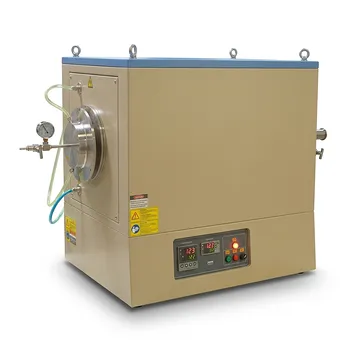
Why is an atmosphere-controlled tube furnace required for phosphate dechlorination experiments involving electro-refined salt?
Updated 3 months ago
Atmosphere-controlled tube furnaces are indispensable for phosphate dechlorination because they provide the precise chemical environment necessary to drive the conversion of chlorides into stable forms while preventing unwanted secondary reactions. By regulating gas composition, these furnaces allow researchers to manipulate reaction kinetics, ensuring that electro-refined salts are successfully processed into stable waste forms.
An atmosphere-controlled tube furnace is required to manage the interaction between oxygen and salt cation chlorides, which directly dictates the temperature and efficiency of the dechlorination process. This control is vital for optimizing radioactive waste immobilization and ensuring the structural integrity of the resulting phosphate materials.
The Role of Gas Composition in Dechlorination Efficiency
Oxygen as a Reaction Catalyst
In a phosphate dechlorination experiment, the presence of oxygen is often a deliberate choice rather than an accidental byproduct. Utilizing ultra-pure air within the furnace helps convert salt cation chlorides into oxides, which facilitates a more thorough dechlorination at significantly lower temperatures.
Inert Atmosphere for Baseline Stability
High-purity argon is used when the goal is to study thermal dissociation in the absence of chemical assistance from oxygen. This controlled inert environment is critical for defining the baseline behavior of the salts and understanding the specific impact of different gases on the final waste immobilization.
Preventing Over-Oxidation
While oxygen can be beneficial, too much of it can lead to the over-oxidation of metal components or the formation of undesirable oxides. The tube furnace’s restricted environment allows for the precise metering of oxygen, ensuring that the chemical vapor environment remains conducive to the desired surface doping or vacancy induction.
Managing Material Purity and Structural Integrity
Thermal Removal of Impurities
Electro-refined salts and their associated carbon products often contain residual oxygen functional groups or trace contaminants like calcium. Heating these materials to high temperatures, such as 800°C, in a specific reducing atmosphere (like 10% H2/Ar) effectively strips these impurities.
Enhancing Conductivity and Crystal Structure
The precise thermal treatment provided by the tube furnace does more than just clean the material; it improves the crystal structure of the nanomaterials. This results in significantly higher purity levels—often exceeding 99.83%—and improved electrical conductivity, which is essential for performance analysis.
Facilitating Phosphorus Pyrolysis
Certain experiments require the pyrolysis of phosphorus sources, such as sodium hypophosphite, into PH3 gas. The tube furnace provides the constant high-temperature environment needed for this transformation while safely containing the resulting chemical vapors.
Understanding the Trade-offs
Temperature vs. Atmospheric Control
Relying solely on high temperatures for dechlorination without atmospheric control often leads to incomplete reactions or material degradation. While an air atmosphere lowers the required temperature, it introduces the risk of forming unwanted oxides that might interfere with the phosphate’s long-term stability.
Inert vs. Reducing Atmospheres
Inert atmospheres like pure argon are excellent for protection but do not actively remove surface oxides or impurities. Conversely, reducing atmospheres (H2 mixes) are highly effective at purifying the sample but require more stringent safety protocols and can sometimes over-reduce certain metal cations.
Kinetic Control vs. Throughput
Tube furnaces offer exceptional control over heating rates and holding times, which is necessary for stabilizing hydroxyapatite structures. However, this precision often comes at the cost of lower throughput compared to bulk heating methods, making it a tool primarily for high-precision experimental or specialized production work.
How to Apply This to Your Project
Recommendations Based on Research Goals
- If your primary focus is maximum dechlorination efficiency: Utilize an ultra-pure air atmosphere to leverage oxygen-assisted conversion at lower operating temperatures.
- If your primary focus is material purity and conductivity: Use a reducing atmosphere (such as H2/Ar) at temperatures near 800°C to strip oxygen functional groups and trace metals.
- If your primary focus is structural stabilization of the waste form: Implement precise control over heating rates and holding times in a restricted oxygen environment to facilitate stable mineral structures.
By mastering the atmosphere within the tube furnace, you transform a simple heating element into a sophisticated chemical reactor capable of precise molecular engineering.
Summary Table:
| Atmosphere Type | Role in Dechlorination | Key Technical Benefit |
|---|---|---|
| Ultra-pure Air | Oxygen-assisted conversion | Enables thorough dechlorination at lower temperatures |
| High-purity Argon | Inert baseline stability | Defines thermal dissociation without chemical assistance |
| Reducing (H2/Ar) | Impurity & oxygen stripping | Achieves >99.83% purity and enhanced conductivity |
| Restricted O2 | Kinetic & structural control | Ensures stability of hydroxyapatite & waste immobilization |
Elevate Your Material Research with THERMUNITS Precision
As a leading manufacturer of high-temperature laboratory equipment, THERMUNITS provides the advanced thermal processing solutions required for complex experiments like phosphate dechlorination. We understand that precise atmosphere control is the difference between experimental success and material degradation.
Our comprehensive range for material science and industrial R&D includes:
- Atmosphere & Tube Furnaces (Optimized for gas-specific reactions)
- Muffle, Vacuum, Rotary, and Hot Press Furnaces
- CVD/PECVD Systems & Dental Furnaces
- Vacuum Induction Melting (VIM) & Electric Rotary Kilns
Maximize your dechlorination efficiency and achieve superior material purity today. Contact our technical experts to discuss your requirements.
References
- Paige Murray, Krista Carlson. Phosphate-Based Dechlorination of Electrorefiner Salt Waste using a Phosphoric Acid Precursor. DOI: 10.1021/acsomega.4c00542
Mentioned Products
- High Temperature Dual Zone Split Tube Furnace for Advanced Atmosphere Sintering and Vacuum CVD Applications
- 1200C High Temperature Atmosphere Controlled Vertical Quenching Tube Furnace with 4 Inch Quartz Tube
- 1200°C Atmosphere Controlled Automatic Bottom Loading Furnace with 6 Inch Quartz Tube
- Compact Vertical Split Quartz Tube Furnace with Stainless Steel Vacuum Flanges for Rapid Thermal Quenching and Controlled Atmosphere Material Processing
- Compact Atmosphere Controlled Rapid Thermal Processing RTP Furnace with 4 Inch ID Quartz Tube 1100C
People Also Ask
- What is the function of a dual-zone tube furnace in CVD for 2D perovskites? Optimize Precision & Film Uniformity
- How is a dual-temperature zone tube furnace configured for MXene-based metal phosphides? Expert Synthesis Guide
- What are the technical advantages of a dual-zone tube furnace for phosphidation? Optimize Cobalt Nanowall Synthesis.
- What are the core functions of a dual-zone tube furnace in the growth of FexTaSe2 single crystals? CVT Synthesis Guide
- What is the primary function of an industrial-grade dual-zone tube furnace? Mastering CuInP2S6 CVT Crystal Growth

Tech Team · ThermUnits
Last updated on Jun 02, 2026
Related Products
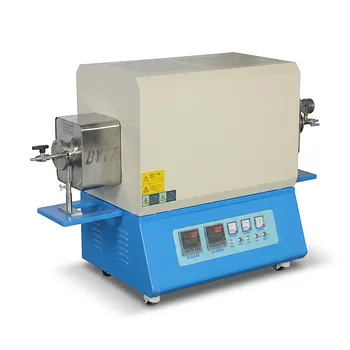
High Temperature Dual Zone Split Tube Furnace for Advanced Atmosphere Sintering and Vacuum CVD Applications
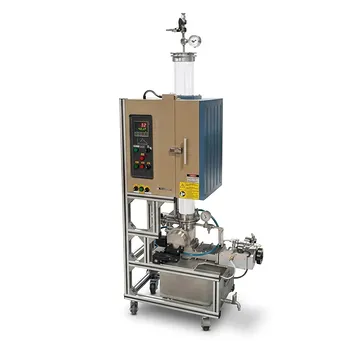
1200C High Temperature Atmosphere Controlled Vertical Quenching Tube Furnace with 4 Inch Quartz Tube
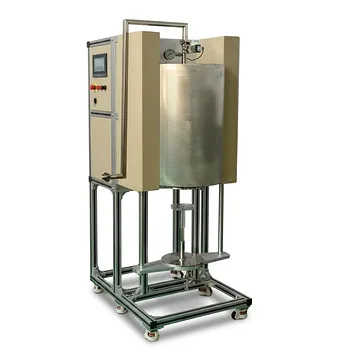
1200°C Atmosphere Controlled Automatic Bottom Loading Furnace with 6 Inch Quartz Tube
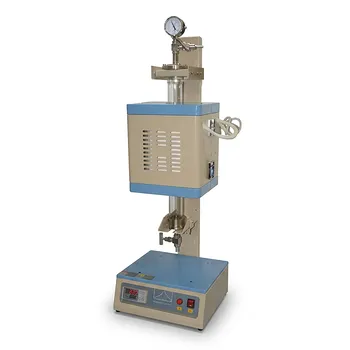
Compact Vertical Split Quartz Tube Furnace with Stainless Steel Vacuum Flanges for Rapid Thermal Quenching and Controlled Atmosphere Material Processing
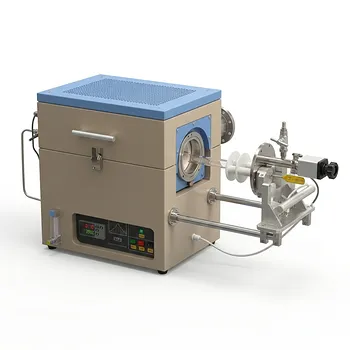
Compact Atmosphere Controlled Rapid Thermal Processing RTP Furnace with 4 Inch ID Quartz Tube 1100C
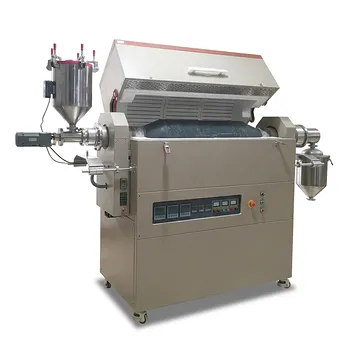
High Temperature Tilting Rotary Tubular Furnace for Continuous Powder Thermal Processing and Controlled Atmosphere Sintering
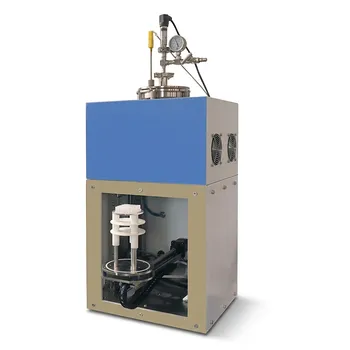
Rapid Thermal Processing RTP Atmosphere Controlled Bottom Loading Furnace 1100C High Throughput 50C per Second Heating Rate
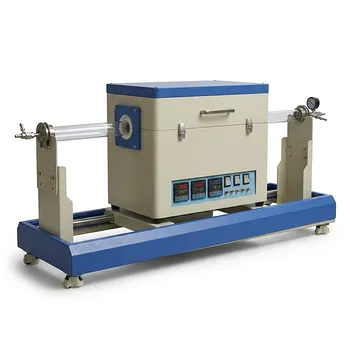
Double Temperature Zone Double Cover Tube Furnace for High Temperature CVD and Vacuum Annealing

Vertical 1700C Vacuum and Atmosphere Tube Furnace with 80mm Alumina Tube
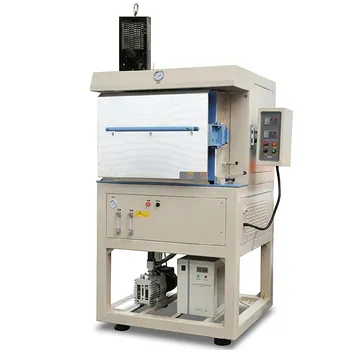
1200C Hydrogen Atmosphere Box Furnace with 5 Heated Sides and 64L Chamber
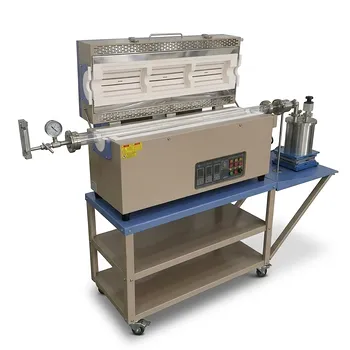
5 Inch Two Zone Rotary Tube Furnace 1100C for Powder CVD and Material Synthesis
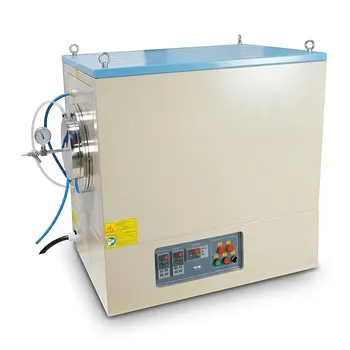
Dual Zone Tube Furnace 1100C with 11 Inch Quartz Tube and Vacuum Flanges for 8 Inch Wafer Processing
5 Inch Rotary Tube Furnace with Automatic Feeding and Receiving System 1200C Three Zone CVD Powder Processing
High Temperature Dual Zone Tube Furnace for Material Science Research and Professional Thermal Processing
1200C Sliding Tube Furnace for Rapid Thermal Processing and CVD Graphene Growth with 100mm OD Capacity
1200C Dual Sliding Tube Furnace with Dual Tubes and Flanges for PECVD Processes
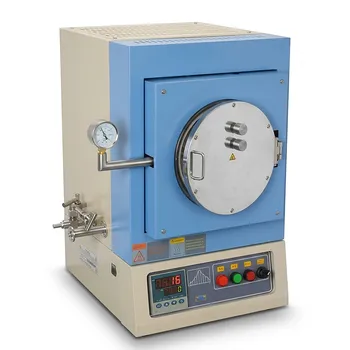
1100°C High Temperature Quartz Chamber Furnace 8 Inch OD with 7.6 Liter Capacity and Vacuum Atmosphere Capability

High Temperature 1700C Vertical Tube Furnace for Powder Spherification and Material Sintering
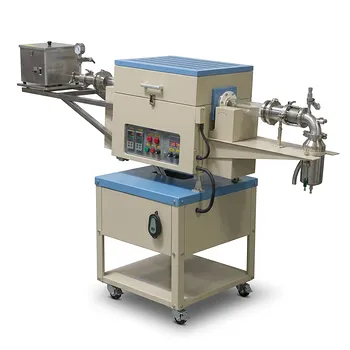
Two Zone Rotary CVD Furnace with Automatic Feeding and Receiving System for Powder Processing