Why is high-purity quartz tubing selected as the reactor material for plastic electrolytic reforming? - Key Benefits
Updated 3 months ago
High-purity quartz tubing is selected for plastic electrolytic reforming because it serves as a chemically inert, thermally resilient, and transparent vessel capable of withstanding extreme environmental stress. This material is specifically chosen to ensure that the reactor does not deform under the intense, instantaneous heat generated by Joule heating or participate in the complex chemical reactions occurring between plastics, catalysts, and gases. Its unique transparency further allows researchers to use infrared thermal imaging to monitor temperature distribution and the pyrolysis state of the plastic in real-time.
Core Takeaway: High-purity quartz acts as a "neutral stage" for experiments, ensuring that all observed data results strictly from the plastic and catalyst interaction rather than contamination or degradation of the reactor itself.
Exceptional Thermal Resilience
Withstanding Instantaneous Joule Heating
In electrolytic reforming, Joule heating can generate intense heat almost instantaneously. High-purity quartz is one of the few materials that can withstand these rapid temperature spikes and extreme thermal shocks without cracking or losing structural integrity.
Resistance to High-Temperature Deformation
The material maintains its shape and strength even when internal reaction temperatures reach between 850°C and 1100°C. This stability is critical for maintaining a consistent reaction volume and ensuring that the internal components, such as heating wires and catalysts, remain properly positioned.
Prevention of Thermal Degradation
Unlike lower-grade materials, high-purity quartz does not soften or sag under prolonged exposure to the heat required for plastic pyrolysis. This ensures the reactor remains a safe, sealed environment throughout the duration of the experiment.
Unwavering Chemical Inertness
Eliminating Side Reactions
High-purity quartz is profoundly stable and does not react with common feedstocks like polyolefins or corrosive intermediates. This inertness ensures that reactants like methane ($CH_4$) and carbon dioxide ($CO_2$), and products like hydrogen ($H_2$) and carbon monoxide ($CO$), remain uncontaminated by the reactor walls.
Ensuring Catalyst Data Accuracy
By remaining passive, the quartz tube ensures that the experimental data accurately reflects the performance of specific catalysts, such as La-Ni/FST. If the reactor material were to participate in the reaction, it would be impossible to determine the true efficiency of the catalyst being tested.
Preventing Impurity Ion Release
At high temperatures, standard glass or low-quality ceramics can release impurity ions or vapors that contaminate the sample. High-purity quartz prevents this "leaching," providing a pristine environment that is essential for synthesizing high-quality outputs like carbon nanomaterials.
Optical Transparency and Monitoring
Real-Time Pyrolysis Observation
The clear nature of quartz allows researchers to visually monitor the pyrolysis state of the plastic as it breaks down. This visual feedback is vital for verifying the phase changes of the feedstock and the placement of the substrate.
Integration with Infrared Imaging
Because high-purity quartz is transparent to specific wavelengths, it enables the use of infrared thermal imaging devices. These tools allow for the precise, non-invasive monitoring of the temperature distribution across the heating wire and the reaction zone.
Facilitating Uniform Gas Flow
The smooth inner walls of quartz tubing, a result of its manufacturing process, facilitate the uniform delivery of precursor gas flows. This prevents turbulence or "dead zones" within the reactor, leading to more predictable and repeatable experimental results.
Understanding the Trade-offs
Physical Fragility and Handling
Despite its thermal strength, quartz is physically brittle and highly susceptible to mechanical shock. It requires specialized handling and mounting to prevent shattering, which can be a significant risk in complex laboratory setups.
Sensitivity to Chemical Contamination
Quartz is highly sensitive to certain contaminants, such as alkali metals (like sodium from fingerprints), which can cause "devitrification" at high temperatures. This process turns the clear quartz into a cloudy, weakened crystalline state, shortening the lifespan of the reactor.
Cost and Manufacturing Limitations
High-purity quartz is significantly more expensive than standard borosilicate glass or basic ceramics. Additionally, it requires specialized glassblowing techniques and high-temperature equipment to modify or repair, increasing the overall operational costs of the research.
Making the Right Choice for Your Goal
How to Apply This to Your Project
- If your primary focus is data integrity and catalyst testing: Utilize high-purity quartz to ensure that the reactor walls do not introduce artifacts or side reactions into your gas chromatography results.
- If your primary focus is thermal safety during rapid heating: Select quartz for its superior thermal shock resistance, which prevents reactor failure during intense Joule heating cycles.
- If your primary focus is process optimization and temperature mapping: Leverage the transparency of quartz to integrate infrared sensors, allowing you to correlate temperature gradients with plastic degradation rates.
By selecting high-purity quartz, you provide a stable and transparent environment that transforms the reactor from a simple container into a precise analytical tool.
Summary Table:
| Key Feature | Advantage | Experimental Benefit |
|---|---|---|
| Thermal Resilience | Withstands 850°C-1100°C & rapid thermal shock | Prevents deformation during intense Joule heating |
| Chemical Inertness | Non-reactive with feedstocks & corrosive intermediates | Ensures high-purity data and uncontaminated outputs (H2, CO) |
| Optical Transparency | Permits IR imaging & visual light transmission | Enables real-time tracking of pyrolysis and temperature distribution |
Elevate Your Research with Precision Thermal Solutions
As a global leader in high-temperature laboratory equipment, THERMUNITS specializes in providing the thermal resilience and precision your experiments demand. From high-purity quartz components to advanced Tube, Muffle, Vacuum, and CVD/PECVD systems, we empower material science and industrial R&D teams to achieve unparalleled accuracy in complex processes like plastic electrolytic reforming.
Don't let equipment limitations compromise your data integrity. Contact our experts today to explore our comprehensive range of furnace solutions and discover how we can streamline your laboratory heat treatment processes with industry-leading technology.
References
- Qing Ma, Ding Ma. Grave-to-cradle dry reforming of plastics via Joule heating. DOI: 10.1038/s41467-024-52515-y
Mentioned Products
- 1200C Four Zone Split Tube Furnace with Touch Screen Control and High Purity Quartz Tube and Vacuum Sealing Flanges
- High Throughput 1200C Four Channel Tube Furnace with 3 Inch Quartz Tubes for Multi Zone Annealing and Material Research
- 1100°C High Temperature Quartz Chamber Furnace 8 Inch OD with 7.6 Liter Capacity and Vacuum Atmosphere Capability
- 1100°C Large Diameter Quartz Tube Furnace with 24 Inch Heating Zone and Water Cooled Flanges
- High Temperature 1200C Split Tube Furnace with Hinged Vacuum Flanges and 4 Inch Quartz Tube for Laboratory Research
People Also Ask
- What are the functions of a high-purity quartz tube in IF-MoS2 sulfurization? Ensure Purity and Precise Thermal Control
- What are the primary functions of a high-purity quartz tube furnace during the molten salt treatment of MXene? Expert Guide
- What are the technical advantages of using a multi-zone independently controlled tube furnace in the modified USP process?
- Why is a quartz tube furnace necessary for phosphorus-doped MoS2/GO preparation? Ensure Purity & Precise Synthesis
- What role does a single-temperature zone quartz tube furnace play in the growth of monolayer MoS2? Optimize 2D Synthesis

Tech Team · ThermUnits
Last updated on Jun 03, 2026
Related Products
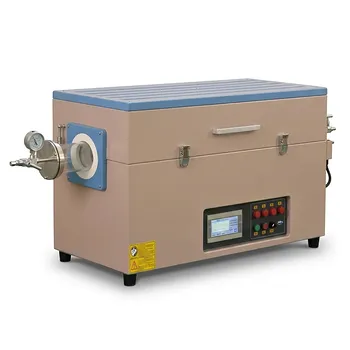
1200C Four Zone Split Tube Furnace with Touch Screen Control and High Purity Quartz Tube and Vacuum Sealing Flanges
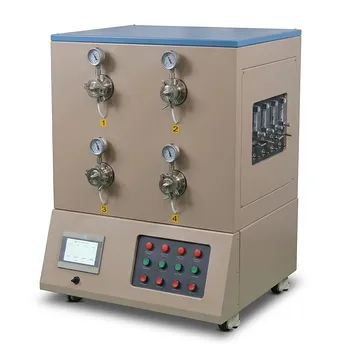
High Throughput 1200C Four Channel Tube Furnace with 3 Inch Quartz Tubes for Multi Zone Annealing and Material Research
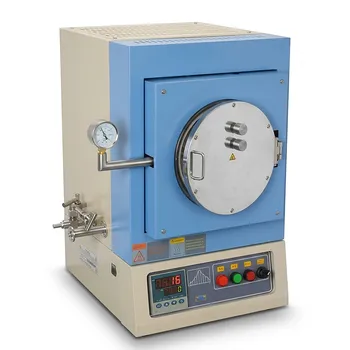
1100°C High Temperature Quartz Chamber Furnace 8 Inch OD with 7.6 Liter Capacity and Vacuum Atmosphere Capability
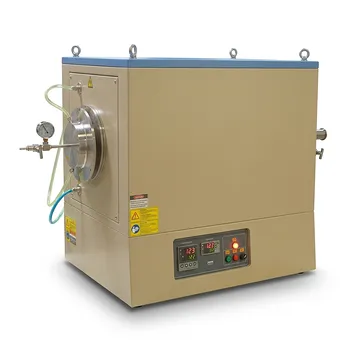
1100°C Large Diameter Quartz Tube Furnace with 24 Inch Heating Zone and Water Cooled Flanges
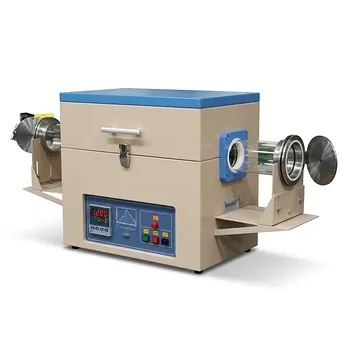
High Temperature 1200C Split Tube Furnace with Hinged Vacuum Flanges and 4 Inch Quartz Tube for Laboratory Research
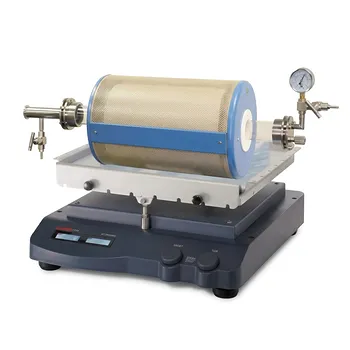
High Temperature Rocking Tube Furnace with Quartz Tube and Vacuum Flange for Materials Synthesis

1200°C 5 Inch Vertical Quartz Tube Furnace with Stainless Steel Vacuum Flanges
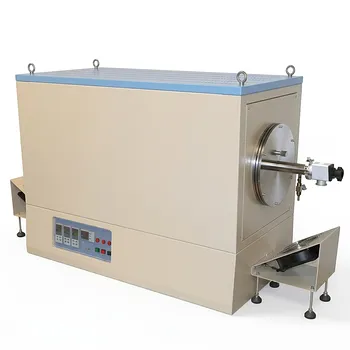
1100°C Three Zone Tube Furnace with 8.5 to 11 Inch OD Quartz Tube and Vacuum Flanges for Large Wafer Processing
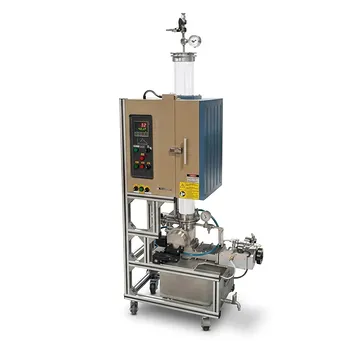
1200C High Temperature Atmosphere Controlled Vertical Quenching Tube Furnace with 4 Inch Quartz Tube

High Temperature Automated 5 Inch Tube Furnace for Autonomous Material Research and Advanced Laboratory R&D
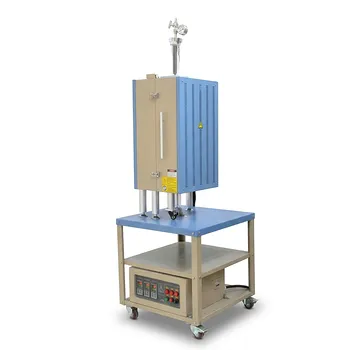
1200C Three Zone Vertical Tube Furnace with 2 Inch Quartz Tube and Vacuum Flanges
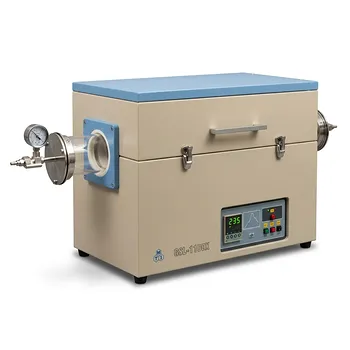
Single Zone Tube Furnace 5 Inch Quartz Tube 36 Inch Heating Zone Vacuum Flanges

Compact Vertical Split Quartz Tube Furnace with Stainless Steel Vacuum Flanges for Rapid Thermal Quenching and Controlled Atmosphere Material Processing
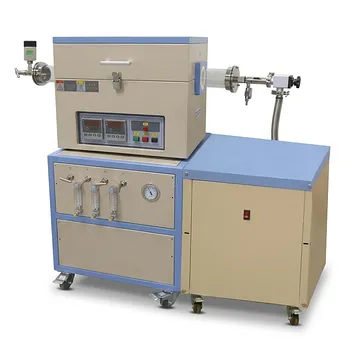
Dual Zone Quartz Tube Furnace with 80mm Diameter 1200C Max Temperature 3 Channel Gas Mixer and Vacuum Pump System
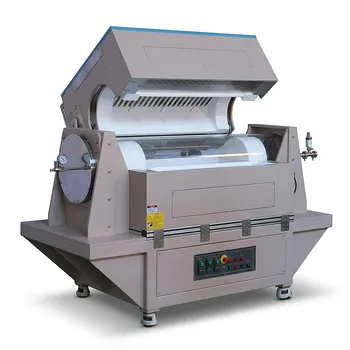
Three Zone Tube Furnace with 11 Inch or 15 Inch Quartz Tube and Hinged Flanges for Vacuum Atmosphere Heat Treatment
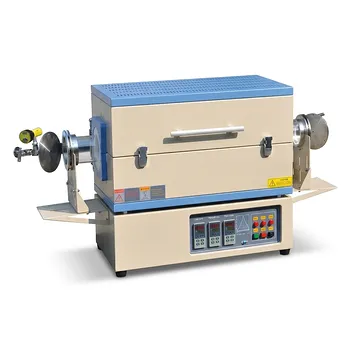
Three Zone Tube Furnace with 24 Inch Heating Length and Hinged Flange Quartz Tube System
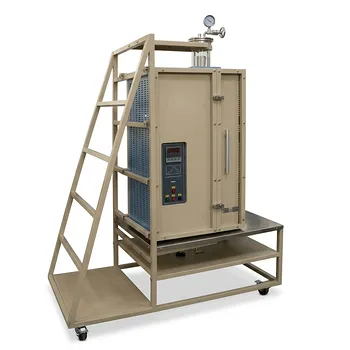
Split Vertical Tube Furnace with 1200C Quartz Tube and Stainless Steel Vacuum Flanges for Rapid Thermal Processing
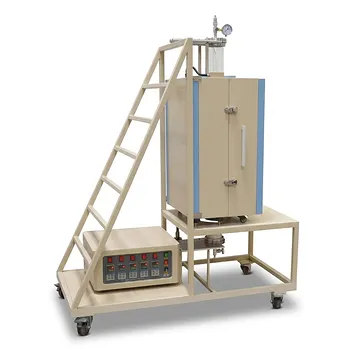
Five Zone Split Vertical Tube Furnace 1200C Max with 4 Inch Quartz Tube and Stainless Steel Vacuum Flanges
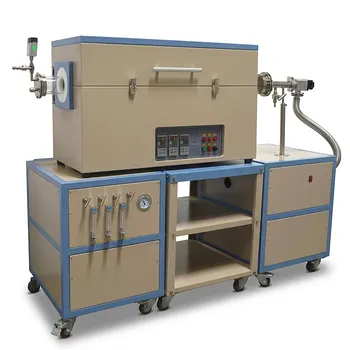
Three Zone Quartz Tube Furnace with 3 Channel Gas Mixer Vacuum Pump and Anti Corrosive Vacuum Gauge