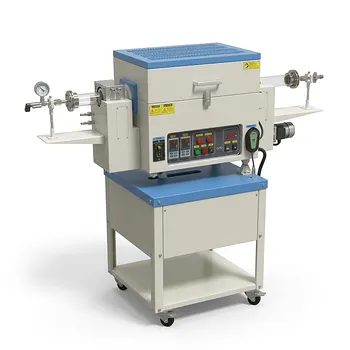
Why is it necessary to perform vacuum cycles before a CVD experiment? Ensure High Purity & Prevent Material Oxidation
Updated 3 months ago
Performing vacuum cycles with high-performance dry pumps is a critical preparatory step for Chemical Vapor Deposition (CVD) to ensure a high-purity environment. This process eliminates residual atmospheric air, moisture, and oxygen that would otherwise contaminate the reaction chamber. By reaching a low base pressure—typically in the range of 10⁻² Torr to 10⁻² mbar—researchers can prevent unintended chemical reactions and ensure the integrity of the growth process.
Core Takeaway: Pre-experiment vacuum cycles establish a controlled "clean slate" by minimizing residual oxygen partial pressure. This step is essential to prevent substrate oxidation, stabilize precursor decomposition, and ensure the high crystal quality of the synthesized materials.
Preventing Substrate and Catalyst Degradation
Shielding Against Unintended Oxidation
The primary danger of residual oxygen during the heating phase is the unintended oxidation of the substrate or metal catalyst. For instance, copper substrates are highly susceptible to oxidation at high temperatures, which can interfere with the catalytic activity required for growth. Performing deep vacuum cycles ensures that the oxygen partial pressure is low enough to maintain the metal's metallic state.
Maintaining Catalyst Integrity
Metal catalysts are the engines of the CVD process, facilitating the breakdown of precursors. If impurity gases are present, they can cause the failure of metal catalysts or lead to abnormal cracking of carbon sources, such as methane. This interference prevents the "intrinsic growth" of structures like graphene nanoribbons (GNRs) or carbon nanotubes (CNTs).
Precision Control of Reaction Kinetics
Managing the Mean Free Path
A high-performance vacuum system allows for precise management of the mean free path of precursor vapors. By controlling the base pressure and subsequent operating pressure, the system dictates how far molecules travel before colliding. This level of control is necessary to manage the morphology and phase composition of nanoparticles and semiconductor micro-tripods.
Regulating Nucleation and Growth
For the production of millimeter-scale large-domain graphene, the initial environment must be incredibly clean. Residual atmospheric impurities can interfere with nucleation kinetics, leading to unwanted small-grain formation. A high-vacuum pre-evacuation ensures that nucleation occurs in a reproducible and controlled manner.
Thermodynamic and Stoichiometric Stability
Lowering Precursor Boiling Points
In some CVD applications, such as the growth of Covalent Organic Framework (COF) films, the vacuum pump is used to reach specific low pressures (e.g., 3 Torr). This environment significantly lowers the boiling points of organic monomers. Facilitating efficient sublimation ensures a stable flux of precursors to the substrate, resulting in highly crystalline films.
Ensuring Precise Stoichiometry
When synthesizing complex structures like sulfur-doped materials, background moisture and oxygen can interfere with the sulfurization process. Reaching a low base pressure (such as 20 mTorr) minimizes this interference. This ensures that the final product possesses the precise stoichiometry and superior crystal quality required for advanced technical applications.
Understanding the Trade-offs
Dry Pumps vs. Oil-Sealed Pumps
Using high-performance dry pumps is essential because they eliminate the risk of backstreaming oil vapors into the reaction tube. While dry pumps can be more expensive and may require more frequent maintenance of seals, they prevent hydrocarbon contamination. Oil-sealed pumps, if not properly trapped, can introduce carbon impurities that ruin the chemical purity of the experiment.
Cycle Time vs. Ultimate Pressure
There is often a trade-off between the time spent performing vacuum-purge cycles and the final purity achieved. While a single evacuation might reach a target pressure, repeating the cycle with high-purity inert gases (like Argon) is more effective at dislodging moisture adsorbed onto the chamber walls. Rushing this process can result in "virtual leaks" where trapped gases slowly release during the actual experiment, compromising the results.
How to Apply This to Your Project
Before initiating your next CVD run, consider your specific material goals to determine the necessary vacuum parameters:
- If your primary focus is large-scale crystal growth (e.g., Graphene): Prioritize reaching a base pressure of at least 10⁻² mbar to ensure nucleation is governed by your precursor, not atmospheric impurities.
- If your primary focus is preventing substrate oxidation: Use multiple vacuum-purge cycles with high-purity Argon to strip residual oxygen from the system before heating begins.
- If your primary focus is thin-film stoichiometry: Ensure your pump can maintain a stable, high-precision pressure range throughout the growth cycle to regulate the decomposition rate of precursors.
Properly executed vacuum cycles transform the reaction chamber from an unpredictable environment into a high-precision chemical reactor.
Summary Table:
| Key Aspect | Purpose of Vacuum Cycles | Risk if Omitted |
|---|---|---|
| Purity Control | Removes residual O2 and moisture | Substrate/Catalyst oxidation |
| Reaction Kinetics | Regulates mean free path and nucleation | Irregular grain size & morphology |
| Catalyst Integrity | Maintains metallic state for growth | Catalyst failure or carbon cracking |
| Stoichiometry | Lowers precursor boiling points | Impure films & unstable flux |
| System Safety | Dry pumps prevent oil backstreaming | Hydrocarbon contamination |
Elevate Your Material Research with THERMUNITS
Precision in vacuum and temperature control is the foundation of successful CVD and PECVD experiments. As a leading manufacturer of high-temperature laboratory equipment, THERMUNITS provides the advanced thermal processing solutions required for high-stakes material science and industrial R&D.
Whether you need Tube Furnaces, Vacuum/Atmosphere Furnaces, or specialized CVD Systems, our equipment is designed to achieve the low base pressures and thermal stability necessary for superior crystal growth and precise stoichiometry.
Our Comprehensive Solutions Include:
- Muffle, Vacuum, Atmosphere, and Tube Furnaces
- CVD/PECVD Systems & Dental Furnaces
- Rotary Kilns and Vacuum Induction Melting (VIM) Furnaces
- High-Quality Thermal Elements
Ready to eliminate contamination and optimize your heat treatment workflow? Contact our engineering team today to discuss a customized solution for your laboratory!
References
- Xiaoming Tu, Xuesong Li. Silicon oxide particles size evolution during CVD graphene growth on Cu substrates. DOI: 10.61935/acetr.2.1.2024.p454
Mentioned Products
- Three Zone Quartz Tube Furnace with 3 Channel Gas Mixer Vacuum Pump and Anti Corrosive Vacuum Gauge
- 1200C Max Compact Auto-Sliding PECVD Furnace with 2 Inch Tube and Vacuum Pump
- Vertical Openable Tube Furnace 0-1700c High Temperature Laboratory System for CVD and Vacuum Heat Treatment
- Three Temperature Zone High Temperature Vacuum Tube Furnace for CVD and Material Sintering
- 1200C Max Dual Sliding Tube Furnace with 50 mm Tube Flanges for CVD
People Also Ask
- What role does an industrial-grade three-zone tube furnace play in VOx@VACNT synthesis? Precision Phase-State Control
- What is the primary function of a three-zone tube furnace in the synthesis process of corn-derived carbon nanotubes?
- Why Use a Three-Zone vs. Single-Zone Furnace for Fe-Ni-Cu Diffusion? Key Benefits for Lab Accuracy
- What advantages does a three-zone tube furnace offer for nanoparticle synthesis? Unlock Superior Thermal Precision.
- What is the core function of an industrial-grade three-zone tube furnace in MgCO3 layer formation?

Tech Team · ThermUnits
Last updated on Jun 03, 2026
Related Products
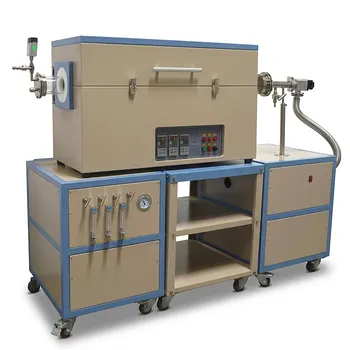
Three Zone Quartz Tube Furnace with 3 Channel Gas Mixer Vacuum Pump and Anti Corrosive Vacuum Gauge
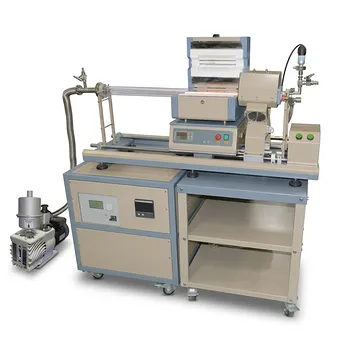
1200C Max Compact Auto-Sliding PECVD Furnace with 2 Inch Tube and Vacuum Pump
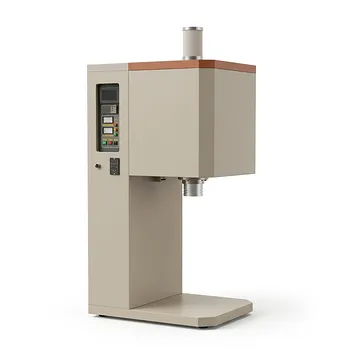
Vertical Openable Tube Furnace 0-1700c High Temperature Laboratory System for CVD and Vacuum Heat Treatment
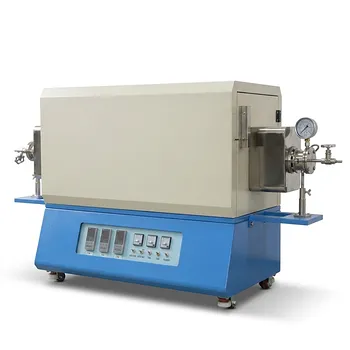
Three Temperature Zone High Temperature Vacuum Tube Furnace for CVD and Material Sintering
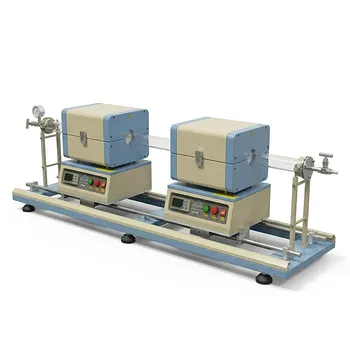
1200C Max Dual Sliding Tube Furnace with 50 mm Tube Flanges for CVD
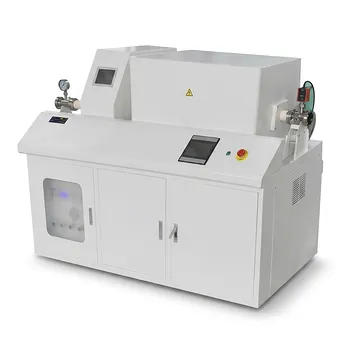
Chemical Vapor Deposition CVD System Slide PECVD Tube Furnace with Liquid Gasifier PECVD Machine
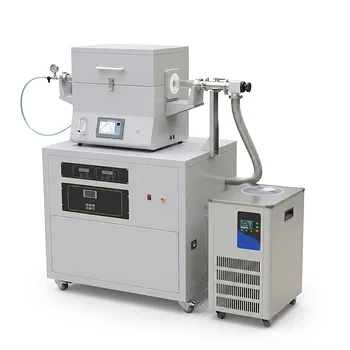
Split Chamber CVD Tube Furnace with Vacuum Station Chemical Vapor Deposition System Machine
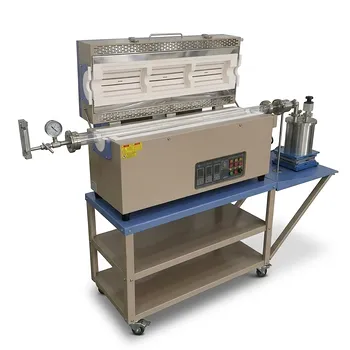
5 Inch Two Zone Rotary Tube Furnace 1100C for Powder CVD and Material Synthesis
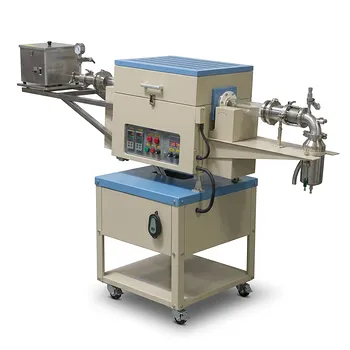
Two Zone Rotary CVD Furnace with Automatic Feeding and Receiving System for Powder Processing
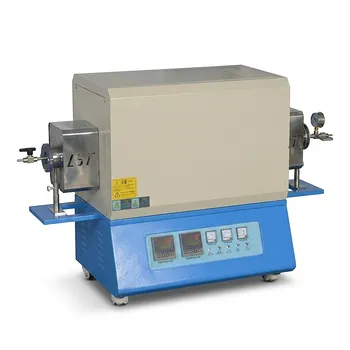
High Temperature Dual Zone Vacuum Tube Furnace for Material Research and CVD Processing
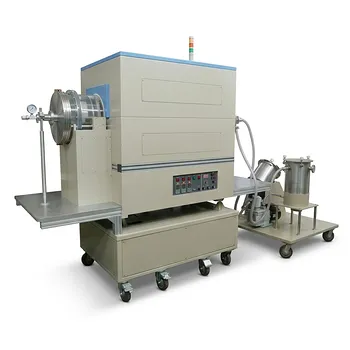
Three Zone Rotary Tube Furnace with Automatic Powder Feeding for Large Scale CVD Coating 1100C
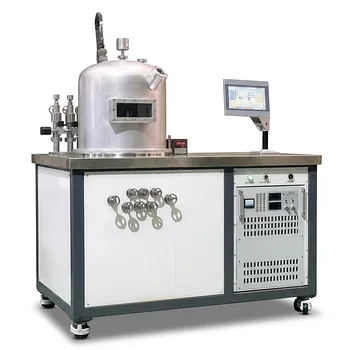
HFCVD Machine System for Nano Diamond Coating on Drawing Dies and Industrial Tools
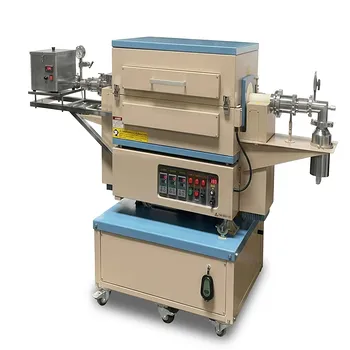
1500C 3-Zone Rotary Tube Furnace 60mm with Automatic Powder Feeding and Receiving System for Continuous Material Synthesis
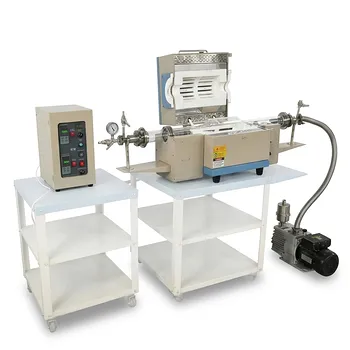
Two Zone Rotary Tube Furnace for Powder CVD Coating and Core Shell Material Synthesis 1100C
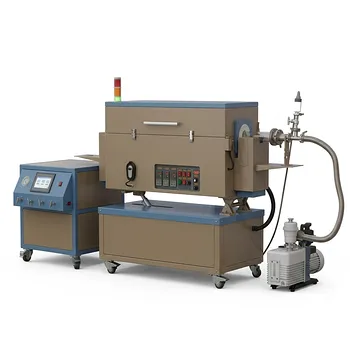
5 Inch Three Zone Rotary Tube Furnace with Integrated Gas Delivery System and 1200C Capability for Advanced Material CVD Processing
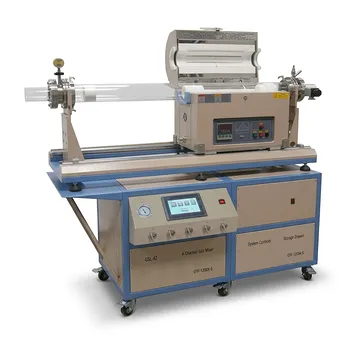
Dual Tube 100mm 80mm CVD Sliding Furnace with 4 Channel Gas Mixing and Vacuum System
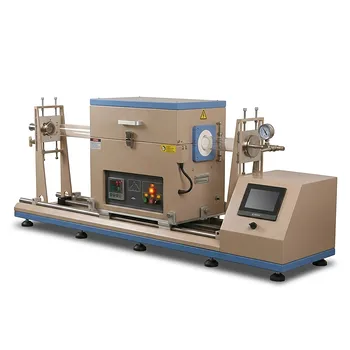
1200C Sliding Tube Furnace for Rapid Thermal Processing and CVD Graphene Growth with 100mm OD Capacity
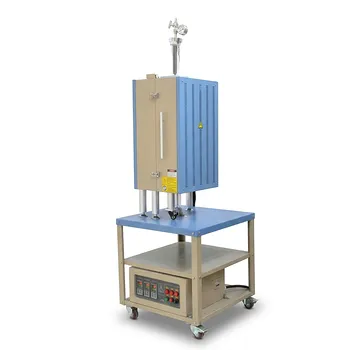
1200C Three Zone Vertical Tube Furnace with 2 Inch Quartz Tube and Vacuum Flanges
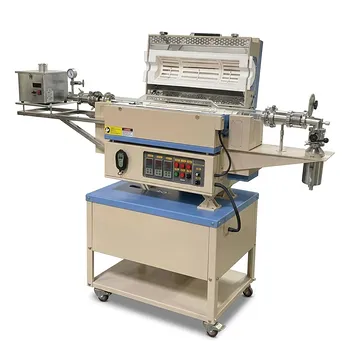
5 Inch Rotary Tube Furnace with Automatic Feeding and Receiving System 1200C Three Zone CVD Powder Processing