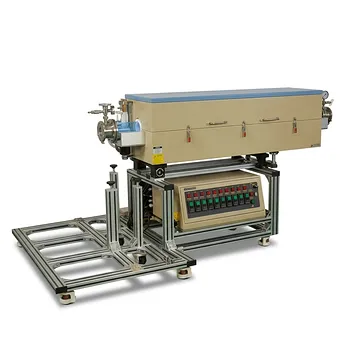
Why is precise atmosphere control necessary in a high-temp tube furnace? Converting Bi-MOF to N-C@Bi Nanocomposites
Updated 3 months ago
Precise atmosphere control is the decisive factor in synthesizing N-C@Bi nanocomposites because it facilitates the simultaneous carbonization of organic ligands and the reduction of bismuth ions while preventing the destructive oxidation of the resulting material. By maintaining an oxygen-free environment—typically using high-purity argon at 700 °C—the furnace ensures that the metal-organic framework (MOF) transforms into a stable, nitrogen-doped carbon matrix embedded with metallic bismuth rather than an unintended metal oxide.
Core Takeaway: Atmosphere control transforms a high-temperature furnace from a simple heater into a chemical reactor that dictates the final material’s phase purity and structural integrity. Without it, the carbon matrix would combust and the bismuth would oxidize, resulting in a failed synthesis.
Facilitating Complex Chemical Transformations
Carbonization of Organic Ligands
The organic components of the Bi-MOF must undergo pyrolysis to form the nitrogen-doped carbon (N-C) framework. In an inert atmosphere, these ligands decompose into a conductive carbon skeleton instead of burning away.
In-Situ Reduction of Bismuth Ions
Precise control enables the chemical reduction of bismuth ions directly into metallic bismuth nanoparticles within the carbon matrix. The absence of oxygen is critical to ensure the bismuth stays in its metallic state, which is essential for the nanocomposite's specific electronic properties.
Protecting Material Integrity at High Temperatures
Preventing Oxidative Loss of the Carbon Matrix
At temperatures like 700 °C or higher, carbon reacts violently with even trace amounts of oxygen. Atmosphere control prevents the "oxidative loss" of the carbon skeleton, ensuring the nanofiber or nanosphere network remains structurally sound and highly conductive.
Maintaining Surface Chemistry and Pore Structure
The inert flow protects the delicate pore structures created during the thermal degradation of sacrificial templates. By isolating the reaction from ambient air, the furnace ensures the surface chemical properties—such as the concentration of nitrogen dopants—remain consistent with the intended design.
Tuning Functional and Electronic Properties
Control of Valence States and Vacancies
In advanced materials synthesis, the atmosphere can be tuned to maintain specific metal valence states or promote the generation of oxygen vacancies. These vacancies act as active sites that significantly enhance the material's ability to adsorb heavy metal ions or facilitate electrochemical reactions.
Preservation of Heteroatom Content
Using specific gases like nitrogen or argon during different temperature phases helps retain heteroatoms within the carbon lattice. This is vital for "N-doped" composites, where the nitrogen content directly influences the material's catalytic activity and chemical stability.
Understanding the Trade-offs
Gas Purity vs. Production Cost
While high-purity argon (99.999%) provides the best protection against oxidation, it significantly increases the operational cost of the synthesis. Using lower-grade nitrogen may be more economical but carries the risk of introducing trace oxygen or moisture that can degrade the nanocomposite's quality.
Flow Rate and Thermal Uniformity
High gas flow rates ensure a strictly controlled environment but can create temperature gradients within the tube. If the flow is too high, it may cool the precursor unevenly; if it is too low, gaseous byproducts of the MOF decomposition may linger and contaminate the final product.
How to Apply This to Your Project
- If your primary focus is maximum conductivity: Prioritize a high-purity argon atmosphere to ensure the carbon matrix is fully carbonized without any oxidative thinning of the fibers.
- If your primary focus is phase purity of the metal: Use a reducing atmosphere (such as 5-10% hydrogen in argon) to ensure all bismuth ions are fully converted to the metallic state and to prevent any oxide formation.
- If your primary focus is structural porosity: Carefully calibrate the gas flow rate to effectively sweep away pyrolysis byproducts without disturbing the delicate geometry of the forming nanopores.
Ultimately, mastering the furnace atmosphere allows you to bridge the gap between a raw MOF precursor and a high-performance, multifunctional nanocomposite.
Summary Table:
| Factor | Role in Bi-MOF Conversion | Impact on Final Nanocomposite |
|---|---|---|
| Inert Atmosphere | Prevents carbon matrix combustion | Maintains structural integrity and conductivity |
| Oxygen Exclusion | Ensures in-situ reduction of Bi ions | Prevents formation of unintended bismuth oxides |
| Gas Purity | Minimizes trace contaminants | Ensures high phase purity and surface chemistry |
| Flow Rate | Removes gaseous pyrolysis byproducts | Preserves delicate pore structures and vacancies |
Optimize Your Material Synthesis with THERMUNITS
Precision in atmosphere control is the difference between a high-performance nanocomposite and a failed synthesis. THERMUNITS is a leading manufacturer of high-temperature laboratory equipment, providing the advanced thermal solutions necessary for cutting-edge material science and industrial R&D.
Our specialized range of Tube Furnaces, Atmosphere Furnaces, and CVD/PECVD systems are engineered to provide the rigorous environment control required for MOF carbonization and metal reduction. Whether you need precise gas flow for N-C@Bi nanocomposites or uniform heating for VIM and Hot Press applications, our equipment delivers unmatched reliability.
Ready to elevate your lab’s thermal processing capabilities? Contact us today for a tailored solution!
References
- Tianyi Zhang, Guicun Li. KF-Containing Interphase Formation Enables Better Potassium Ion Storage Capability. DOI: 10.3390/molecules29132996
Mentioned Products
- High Temperature Tube Furnace 1500C with Sliding Flanges and 50mm OD for Rapid Thermal Processing Fast Heating and Cooling
- High Temperature 1700C Tube Furnace with High Vacuum Turbomolecular Pump System and Multi Channel Mass Flow Controller Gas Mixer
- High Temperature 1700C Benchtop Tube Furnace with 5 Inch Heating Zone High Purity Alumina Tube and Vacuum Sealing Flanges
- 1750°C High Temperature Benchtop Vacuum Atmosphere Tube Furnace with Kanthal Super 1800 Heating Elements and 60mm Alumina Processing Tube
- Compact High Temperature 1600C Tube Furnace with 50mm Alumina Tube and Vacuum Flanges for Material Sintering
People Also Ask
- How are high-temperature tube furnaces utilized to repair etching damage? Precision Lattice Restoration Solutions
- What core conditions does a high-temperature tube furnace provide for rGO aerogels? Mastering Precision Synthesis.
- What role does a high-temperature tube furnace play in CVD synthesis of silicon nanowires? Master VLS Growth Precision.
- How does precision tube furnace control influence CoFe nanoparticle formation? Master Your Bimetallic Synthesis.
- What role does a high-temperature tube furnace play in the sulfidation heat treatment of CoS@C/MXene nanocomposites? Guide

Tech Team · ThermUnits
Last updated on Jun 03, 2026
Related Products

High Temperature Tube Furnace 1500C with Sliding Flanges and 50mm OD for Rapid Thermal Processing Fast Heating and Cooling

High Temperature 1700C Tube Furnace with High Vacuum Turbomolecular Pump System and Multi Channel Mass Flow Controller Gas Mixer

High Temperature 1700C Benchtop Tube Furnace with 5 Inch Heating Zone High Purity Alumina Tube and Vacuum Sealing Flanges
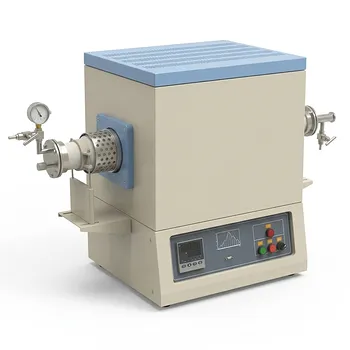
1750°C High Temperature Benchtop Vacuum Atmosphere Tube Furnace with Kanthal Super 1800 Heating Elements and 60mm Alumina Processing Tube

Compact High Temperature 1600C Tube Furnace with 50mm Alumina Tube and Vacuum Flanges for Material Sintering
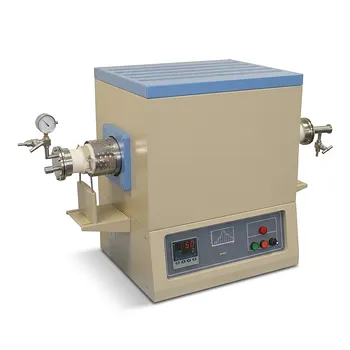
1700C High Temperature Alumina Tube Furnace with 18 Inch Heated Zone and Vacuum Sealing Flanges

1800C High Temperature Compact Vacuum Tube Furnace with 60mm OD Alumina Tube and Kanthal MoSi2 Heating Elements
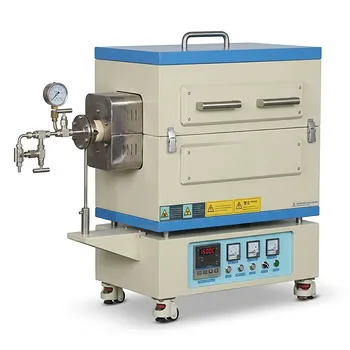
High Temperature Split Tube Furnace 1500C for Material Research Vacuum and Atmosphere Thermal Processing

High Temperature 1700C Vertical Tube Furnace for Powder Spherification and Material Sintering
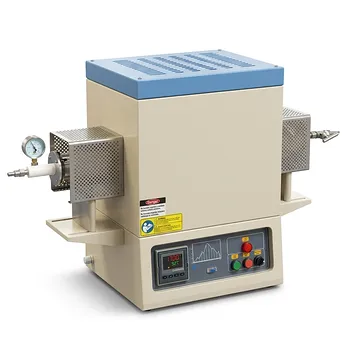
High Temperature Three Zone Tube Furnace 1700C with Alumina Tube and Water Cooled Flanges

High Temperature 1700C Six Zone Split Tube Furnace with Alumina Tube and Water Cooled Flanges
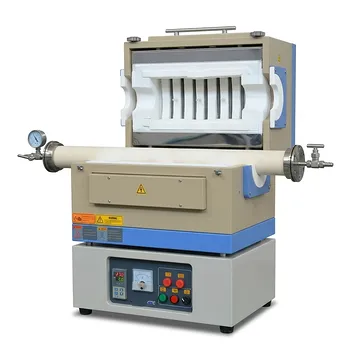
High Temperature 1600C Split Tube Furnace Vacuum Flanges Valves Optional 60mm 80mm Alumina Tube

High Temperature Automated 5 Inch Tube Furnace for Autonomous Material Research and Advanced Laboratory R&D

1100C Tube Furnace with Vacuum Flange and Programmable Temperature Controller for Material Science and Industrial Heat Treatment
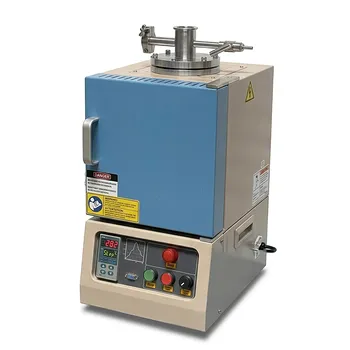
High Temperature Hybrid Muffle and Tube Furnace with Vacuum Capability and PID Control
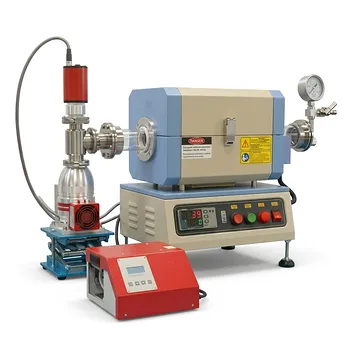
High Vacuum Compact Tube Furnace 1200C with Integrated Turbo Pump System and 8 Inch Heating Zone

1700C Hydrogen Gas Tube Furnace with 60mm Alumina Process Tube and Integrated Hydrogen Safety Detector
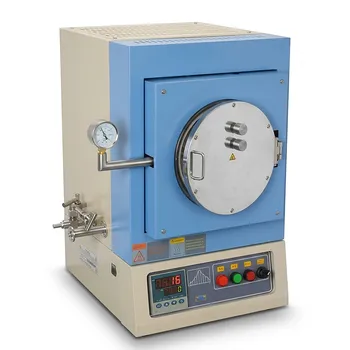
1100°C High Temperature Quartz Chamber Furnace 8 Inch OD with 7.6 Liter Capacity and Vacuum Atmosphere Capability
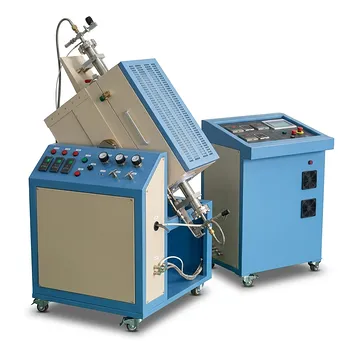
1100C High Pressure Rocking Tube Furnace with 2 Inch Super Alloy Processing Tube for Material Synthesis