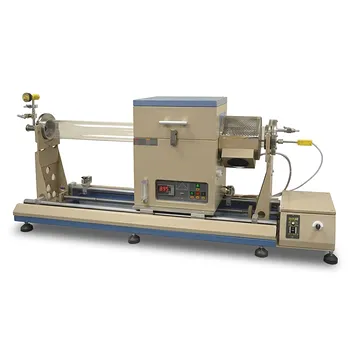
Why is the use of atmosphere-controlled furnaces necessary for butanolysis lignin? Prevent Oxidation & Ensure Carbonization
Updated 3 months ago
The necessity of atmosphere-controlled furnaces for butanolysis lignin boils down to one critical requirement: the prevention of destructive oxidative combustion. These specialized furnaces provide a strictly inert nitrogen (N2) environment that allows the lignin to undergo anaerobic thermal degradation rather than burning. This controlled environment is essential for transforming the complex polymer into precise carbon-based precursors, such as spherical or lamellar structures, which serve as the foundation for advanced materials like nanodiamonds.
Atmosphere-controlled equipment is the essential barrier between constructive carbonization and the total loss of material to fire. By excluding oxygen, these furnaces enable the molecular reorganization of lignin into high-value carbon skeletons while maintaining the structural integrity required for downstream applications.
Preventing Oxidative Destruction at High Temperatures
Suppression of the Combustion Reaction
Thermal treatment of lignin often requires temperatures reaching up to 1000°C or 1200°C. In a standard oxygen-rich environment, the organic components of butanolysis lignin would undergo oxidative combustion, essentially turning the sample into ash.
Creation of an Anaerobic Environment
Atmosphere-controlled tube or box furnaces replace ambient air with high-purity nitrogen (N2). This creates a strictly anaerobic environment, ensuring that the thermal energy breaks down chemical bonds (pyrolysis) without the presence of an oxidant to fuel a fire.
Preservation of Raw Material Mass
Maintaining this inert atmosphere is the only way to ensure high carbon yield. Without it, the "surface need" of heating the material would be met, but the "deep need" of recovering a usable carbon precursor would be impossible due to material consumption.
Enabling Molecular Reorganization and Carbonization
Elimination of Heteroatoms
During the carbonization process, the furnace facilitates dehydrogenation and deoxygenation reactions. By removing hydrogen and oxygen atoms at temperatures between 600°C and 900°C, the furnace forces the remaining carbon to form a more stable, concentrated skeleton.
Preservation of Hybridized Structures
Precisely controlled environments allow for the preservation and reorganization of in-situ sp2/sp3 hybridized structures. These structures are vital for converting the lignin into graphene microcrystalline fragments and ideal microscopic skeletons.
Control Over Physical Morphology
The furnace environment determines the final shape of the carbonized material. This level of control is necessary to produce the spherical or lamellar structures required for the subsequent synthesis of nanodiamonds or carbon quantum dots.
Understanding the Technical Trade-offs
Equipment Cost vs. Material Quality
Atmosphere-controlled furnaces represent a significant capital investment compared to standard muffle furnaces. However, attempting to process butanolysis lignin without atmosphere control results in total material failure, making the higher cost a technical necessity rather than an optional upgrade.
Gas Purity and Flow Dynamics
The success of the treatment depends heavily on the purity of the nitrogen and the seal of the furnace. Even trace amounts of oxygen can cause partial oxidation, which disrupts the formation of the sp2 hybridized carbon structures and degrades the quality of the final nanofibers or precursors.
Thermal Uniformity Challenges
In large box furnaces, achieving uniform temperature distribution can be difficult. If the temperature fluctuates, the polycondensation reactions may occur inconsistently, leading to a heterogeneous product that lacks the "ideal microscopic skeleton" required for high-performance carbon products.
Choosing the Right Treatment Profile for Your Goal
How to Apply This to Your Project
To achieve the best results with butanolysis lignin, your furnace settings must align with your specific material objectives.
- If your primary focus is nanodiamond synthesis: Utilize a tube furnace to reach 1000°C under strict N2 flow to ensure the formation of spherical or lamellar precursors.
- If your primary focus is producing high-carbon nanofibers: Focus on the 600-900°C range to prioritize the elimination of heteroatoms and the formation of sp2 hybridized structures.
- If your primary focus is carbon quantum dot precursors: Maintain a stable 800°C environment to efficiently convert the raw lignin polymer into a high-quality carbonized material.
- If your primary focus is maximizing pore formation: Use a nitrogen-protected atmosphere at approximately 500°C to focus on dehydration and the preservation of the biomass carbon skeleton.
Proper atmosphere control transforms a simple heating process into a precision engineering tool for advanced carbon material synthesis.
Summary Table:
| Key Feature | Functional Necessity in Lignin Treatment | Resulting Material Benefit |
|---|---|---|
| Inert Atmosphere (N2) | Prevents oxidative combustion at 1000°C+ | High carbon yield; avoids material loss to ash |
| Precise Temperature Control | Facilitates dehydrogenation and deoxygenation | Formation of stable, concentrated carbon skeletons |
| Atmospheric Sealing | Maintains anaerobic environment (excludes O2) | Preservation of vital sp2/sp3 hybridized structures |
| Morphology Control | Regulates molecular reorganization | Creation of spherical/lamellar carbon precursors |
Optimize Your Carbon Synthesis with THERMUNITS
Precision atmospheric control is the defining factor between advanced material synthesis and total material failure. THERMUNITS is a premier manufacturer of high-temperature laboratory equipment specifically designed for the rigorous demands of material science and industrial R&D.
We provide a comprehensive range of thermal processing solutions, including Atmosphere, Tube, Vacuum, and Box Furnaces, as well as specialized CVD/PECVD systems and Vacuum Induction Melting (VIM) units. Our equipment ensures the strictly controlled, anaerobic environments necessary for the successful carbonization of lignin into nanodiamonds, graphene microcrystals, and nanofibers.
Ready to achieve superior thermal treatment results?
Contact our technical experts today to discover how our high-performance furnaces can enhance your laboratory's capabilities and research outcomes.
References
- Feng Yi, Wuzong Zhou. Formation of Nanodiamonds during Pyrolysis of Butanosolv Lignin. DOI: 10.1021/acsnano.4c02950
Mentioned Products
- 1200°C Atmosphere Controlled Automatic Bottom Loading Furnace with 6 Inch Quartz Tube
- Rapid Thermal Processing RTP Atmosphere Controlled Bottom Loading Furnace 1100C High Throughput 50C per Second Heating Rate
- Compact Hybrid Muffle and Tube Furnace for 1000C Controlled Atmosphere Laboratory Material Sintering
- High Temperature Vertical Atmosphere Controlled Furnace with Automatic Bottom Loading and 1700°C Capacity for Advanced Material Research
- High Temperature Tilting Rotary Tubular Furnace for Continuous Powder Thermal Processing and Controlled Atmosphere Sintering
People Also Ask
- Why is a tube furnace required for FGM-PhG structural color ceramics? Key to Carbon Preservation & Vibrant Color
- Why is an atmosphere-controlled tube furnace required for the pre-sulfidation of NiMo/gamma-Al2O3 catalysts?
- Why is an atmosphere-controlled tube furnace required for 800 °C CNF annealing? Essential for Oxidative Protection.
- Why is an atmosphere-controlled tube furnace required for [email protected]/C preparation? Key for Purity & Structure
- Why is an atmosphere-controlled tube furnace required for single-atom sensor calcination? Ensure Atomic Dispersion.

Tech Team · ThermUnits
Last updated on Jun 03, 2026
Related Products
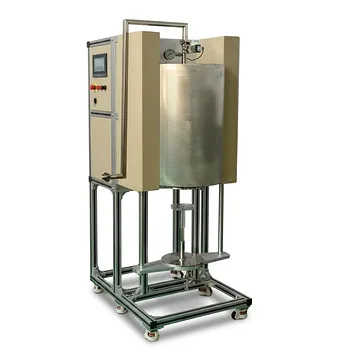
1200°C Atmosphere Controlled Automatic Bottom Loading Furnace with 6 Inch Quartz Tube
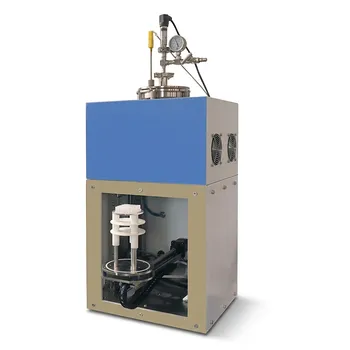
Rapid Thermal Processing RTP Atmosphere Controlled Bottom Loading Furnace 1100C High Throughput 50C per Second Heating Rate
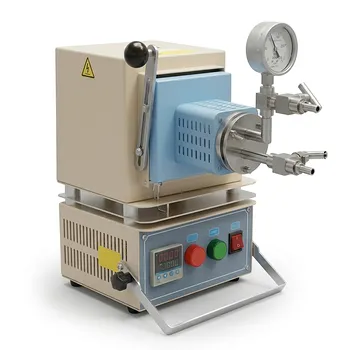
Compact Hybrid Muffle and Tube Furnace for 1000C Controlled Atmosphere Laboratory Material Sintering
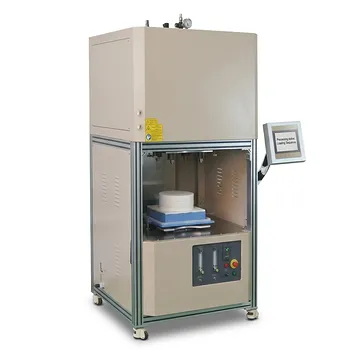
High Temperature Vertical Atmosphere Controlled Furnace with Automatic Bottom Loading and 1700°C Capacity for Advanced Material Research
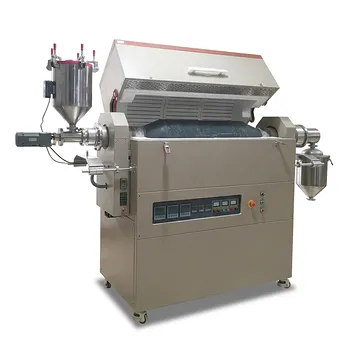
High Temperature Tilting Rotary Tubular Furnace for Continuous Powder Thermal Processing and Controlled Atmosphere Sintering
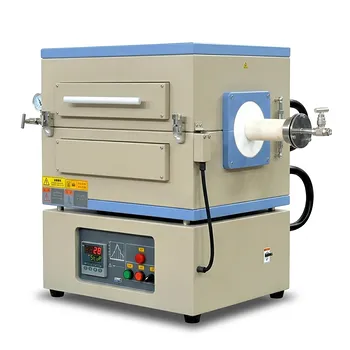
1500°C Split Tube Furnace with Alumina Tube and Vacuum Sealing Flanges for Material Research
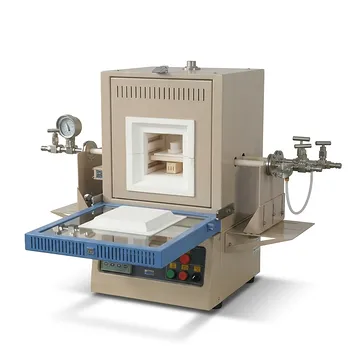
1700C Compact Hybrid Furnace with Dual Layer Box Sintering and Controlled Atmosphere Alumina Tubes

Vertical 1700C Vacuum and Atmosphere Tube Furnace with 80mm Alumina Tube
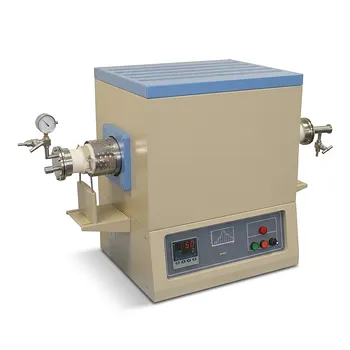
1700C High Temperature Alumina Tube Furnace with 18 Inch Heated Zone and Vacuum Sealing Flanges
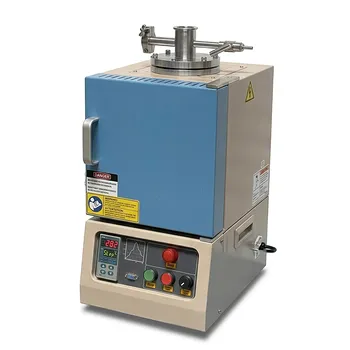
High Temperature Hybrid Muffle and Tube Furnace with Vacuum Capability and PID Control
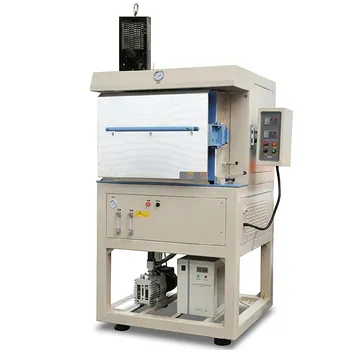
1200C Hydrogen Atmosphere Box Furnace with 5 Heated Sides and 64L Chamber
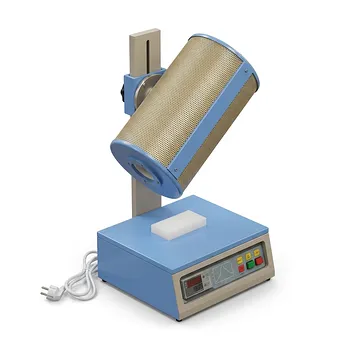
1100°C Vertical Laboratory Furnace for DIY Tubular Reactors with PID Temperature Controller
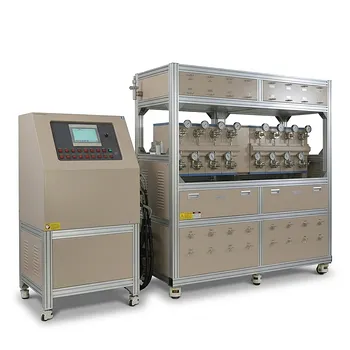
Sixteen Channel Rocking Tube Furnace for High Throughput Heat Treatment and Material Science Research with Individual Temperature Control up to 1100C

High Temperature 1700C Vertical Tube Furnace for Powder Spherification and Material Sintering

High Temperature Automated 5 Inch Tube Furnace for Autonomous Material Research and Advanced Laboratory R&D
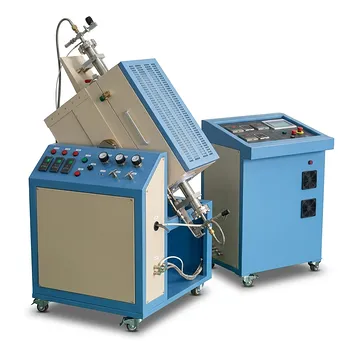
1100C High Pressure Rocking Tube Furnace with 2 Inch Super Alloy Processing Tube for Material Synthesis

1200°C 5 Inch Vertical Quartz Tube Furnace with Stainless Steel Vacuum Flanges
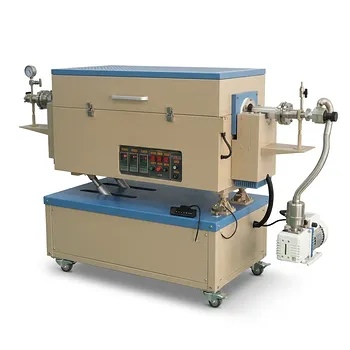
Three Zone Rotary Tube Furnace for High Temperature Powder Processing and Material Research
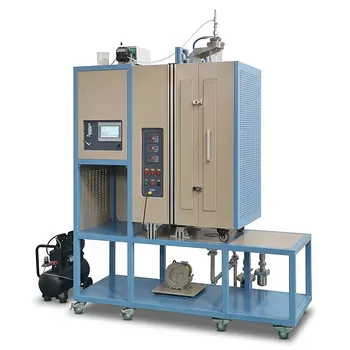
1500C Three Zone Vertical Pyrolysis Furnace for Nanoparticle Synthesis and Advanced Oxide Coating