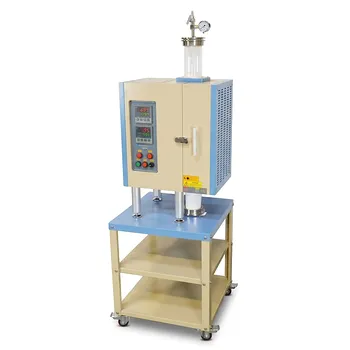
Why is the use of independent MFCs critical for perovskite thin film optimization? Ensure Stoichiometric Precision
Updated 3 months ago
Independent Mass Flow Controllers (MFCs) are critical because they enable the "decoupled" control of precursor delivery, allowing researchers to adjust the transport rate of each reactant separately. Because different perovskite precursors—such as methylammonium iodide (MAI) and lead acetate—possess vastly different vapor pressures at specific temperatures, independent MFCs allow for the dynamic balancing of concentration ratios within the reaction chamber. This precision is the only way to ensure stoichiometric consistency, which eliminates structural defects and maximizes the solar cell's power conversion efficiency.
Core Takeaway: Independent MFCs solve the fundamental problem of mismatched precursor volatility by providing a dedicated gas stream for each source. This configuration allows for the fine-tuning of reactant ratios, leading to high-quality crystal growth, uniform film thickness, and the elimination of performance-limiting defects.
Achieving Stoichiometric Precision
To create a high-functioning perovskite solar cell, the chemical ratio of the components must be perfect. Independent MFCs provide the granular control necessary to reach this balance.
The Problem of Differing Vapor Pressures
Every precursor used in perovskite synthesis responds differently to heat. For example, one material might vaporize rapidly at a certain temperature while another remains stable, making it impossible to control their ratio using a single gas source.
Decoupling Evaporation from Transport
By assigning a dedicated MFC to each precursor branch, operators can compensate for these thermal differences. If one precursor is under-performing, the carrier gas flow for that specific branch can be increased to "boost" its concentration in the chamber without affecting the other reactants.
Eliminating Residual Defects
Precise stoichiometric control is the primary defense against film impurities. Accurate flow regulation prevents the formation of residual lead iodide or excess iodine defects, both of which act as recombination centers that degrade solar cell performance.
Managing Film Growth and Morphology
Beyond chemical composition, the stability of the carrier gas flow directly influences the physical structure of the resulting thin film.
Nucleation and Constant Growth Rates
A stable, high-precision gas flow ensures that the perovskite nucleates on the substrate at a predictable, constant rate. This stability is what produces single-crystal films with highly consistent thickness and the flat surfaces required for advanced micro-nanofabrication.
Regulating Supersaturation
In Chemical Vapor Deposition (CVD) processes, MFCs are used to balance the supersaturation of reactants. By adjusting the flow, operators can regulate the lateral dimensions of the crystal growth, ensuring that the film covers a large area with total uniformity.
Controlling Vapor Propagation
The carrier gas does more than just move material; it defines the path of the vapors. Precise flow control can alter the propagation direction of capping agents, forcing them to intersect with metal halides at the optimal point for high-quality deposition.
Understanding the Trade-offs
While independent MFCs are superior for process optimization, they introduce specific challenges that must be managed to maintain system integrity.
Increased System Complexity
Implementing independent gas branches significantly increases the complexity of the plumbing and control software. Each MFC requires individual calibration and regular maintenance to ensure that the "balanced" ratio remains accurate over hundreds of deposition cycles.
The Cost of Precision
Industrial-grade, high-precision MFCs represent a significant capital investment compared to simpler needle-valve systems. However, the cost of "off-spec" films and low device efficiency usually outweighs the initial savings of a cheaper, less precise gas delivery system.
Strategies for Perovskite Process Optimization
The configuration of your gas delivery system should be dictated by your specific material goals and the sensitivity of your precursors.
- If your primary focus is maximizing Power Conversion Efficiency (PCE): Prioritize independent MFCs for every organic and inorganic source to ensure absolute stoichiometric purity and eliminate iodine defects.
- If your primary focus is large-scale film uniformity: Use high-precision MFCs to strictly regulate the supersaturation levels, as this is the key to preventing "pinholes" and thickness variations across the substrate.
- If your primary focus is crystallographic orientation: Focus on maintaining a constant, flicker-free carrier gas flow rate to allow the crystals to grow along the desired lattice planes without interruption.
By decoupling the delivery of precursors through independent mass flow controllers, you transform the deposition process from a game of chance into a repeatable, high-precision science.
Summary Table:
| Key Feature | Functional Benefit | Impact on Perovskite Quality |
|---|---|---|
| Decoupled Control | Independent regulation of each precursor | Precise stoichiometric balance and ratio consistency |
| Vapor Balancing | Compensates for differing vapor pressures | Eliminates residual lead iodide and iodine defects |
| Flow Stability | Constant, flicker-free gas delivery | Uniform film thickness and controlled nucleation |
| Supersaturation Control | Regulates reactant concentration | Prevents pinholes and ensures large-area uniformity |
Elevate Your Perovskite Research with THERMUNITS
Precise gas delivery is the cornerstone of high-efficiency perovskite solar cells. As a leading manufacturer of high-temperature laboratory equipment, THERMUNITS provides advanced CVD/PECVD systems and Tube Furnaces equipped with high-precision independent mass flow controllers designed specifically for material science and industrial R&D.
Our thermal processing solutions allow you to:
- Achieve Superior Stoichiometry: Fine-tune reactant ratios to eliminate performance-limiting defects.
- Ensure Growth Consistency: Produce uniform thin films with predictable crystallographic orientation.
- Optimize R&D Workflows: Scale your experiments from lab-scale dental or muffle furnaces to industrial-grade vacuum induction melting and rotary kilns.
Ready to transform your deposition process into a repeatable, high-precision science? Contact THERMUNITS today to discuss your custom thermal equipment requirements!
References
- Dmitry S. Muratov, Aldo Di Carlo. Single‐Step Chemical Vapor Deposition of Methyl Ammonium Lead Halide Perovskite for p–i‐n Solar Cells. DOI: 10.1002/slct.202400147
Mentioned Products
- Chemical Vapor Deposition CVD System Slide PECVD Tube Furnace with Liquid Gasifier PECVD Machine
- Radio Frequency Plasma Enhanced Chemical Vapor Deposition RF PECVD System for Laboratory and Industrial Thin Film Growth
- Versatile Chemical Vapor Deposition Tube Furnace System for Advanced Material Research and Industrial Coating Processes
- HFCVD Machine System for Nano Diamond Coating on Drawing Dies and Industrial Tools
- 1200C Max Compact Auto-Sliding PECVD Furnace with 2 Inch Tube and Vacuum Pump
People Also Ask
- What are the advantages of PECVD systems for nano flame retardant films? Protect Heat-Sensitive Polymers with Precision
- How does a sliding rail design benefit the CVD process within a furnace ventilation hood? Enhance Control & Quenching
- What is the role of CVD/PECVD systems in the research of optoelectronic materials and functional coatings? Expert Guide
- How does PECVD differ from conventional thermal CVD? Key Advantages of Low-Temperature Deposition for R&D
- What role do by-product desorption and evacuation play in CVD film quality? Key Factors for High-Purity Films

Tech Team · ThermUnits
Last updated on Jun 03, 2026
Related Products
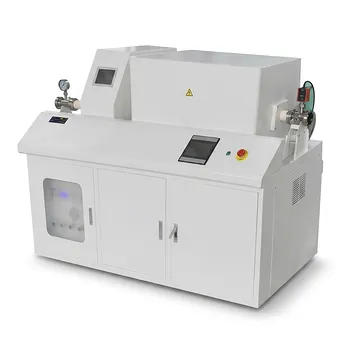
Chemical Vapor Deposition CVD System Slide PECVD Tube Furnace with Liquid Gasifier PECVD Machine
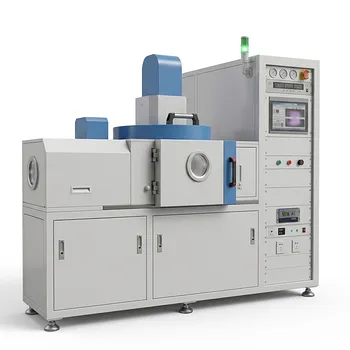
Radio Frequency Plasma Enhanced Chemical Vapor Deposition RF PECVD System for Laboratory and Industrial Thin Film Growth
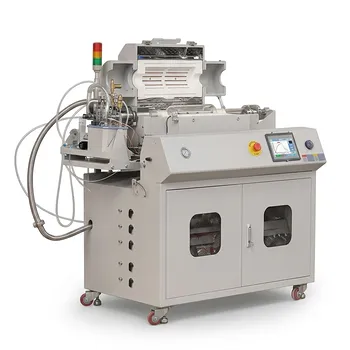
Versatile Chemical Vapor Deposition Tube Furnace System for Advanced Material Research and Industrial Coating Processes
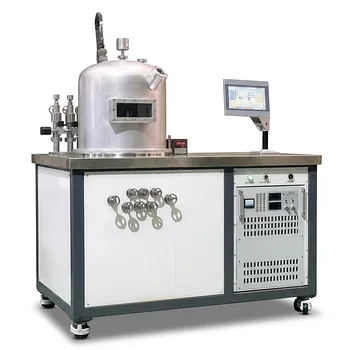
HFCVD Machine System for Nano Diamond Coating on Drawing Dies and Industrial Tools
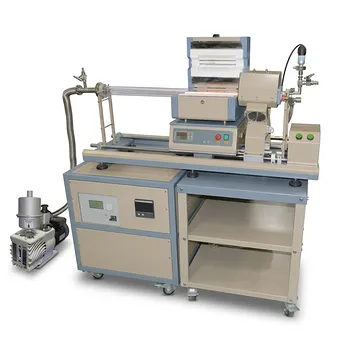
1200C Max Compact Auto-Sliding PECVD Furnace with 2 Inch Tube and Vacuum Pump
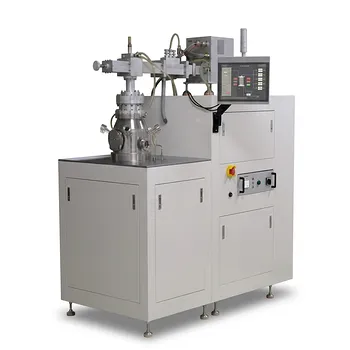
Cylindrical Resonator MPCVD Machine System for Microwave Plasma Chemical Vapor Deposition and Lab Diamond Growth
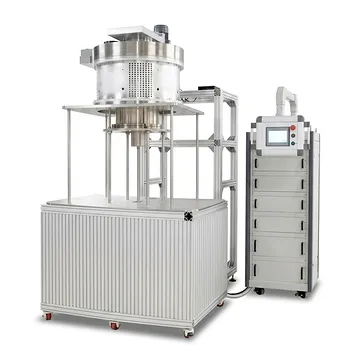
915MHz MPCVD Diamond Machine Microwave Plasma Chemical Vapor Deposition System Reactor
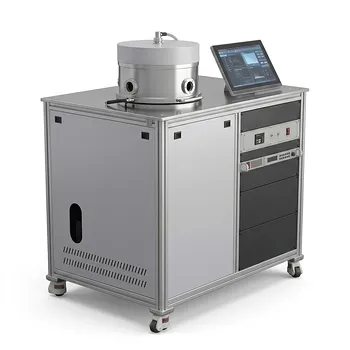
Inclined Rotary Plasma Enhanced Chemical Vapor Deposition PECVD System for Thin Film Deposition and Nanomaterial Synthesis
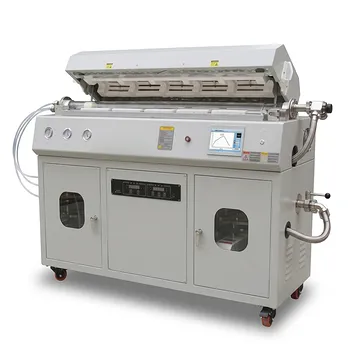
Multi Heating Zones CVD Tube Furnace System for Precision Chemical Vapor Deposition and Advanced Material Synthesis
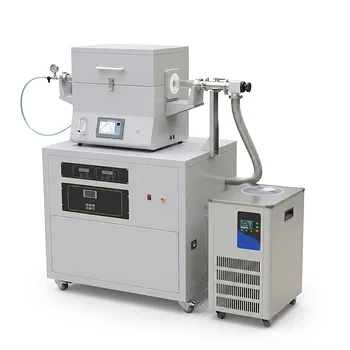
Split Chamber CVD Tube Furnace with Vacuum Station Chemical Vapor Deposition System Machine
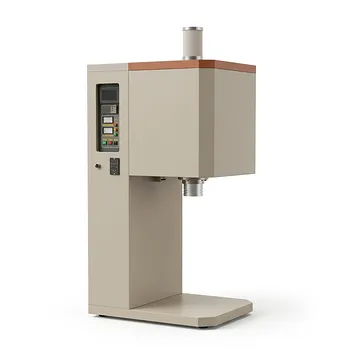
Vertical Openable Tube Furnace 0-1700c High Temperature Laboratory System for CVD and Vacuum Heat Treatment
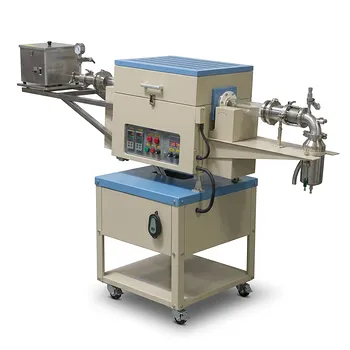
Two Zone Rotary CVD Furnace with Automatic Feeding and Receiving System for Powder Processing
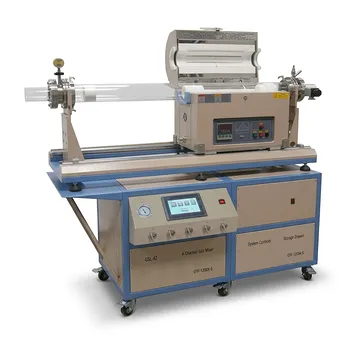
Dual Tube 100mm 80mm CVD Sliding Furnace with 4 Channel Gas Mixing and Vacuum System

High Temperature 1700C Tube Furnace with High Vacuum Turbomolecular Pump System and Multi Channel Mass Flow Controller Gas Mixer
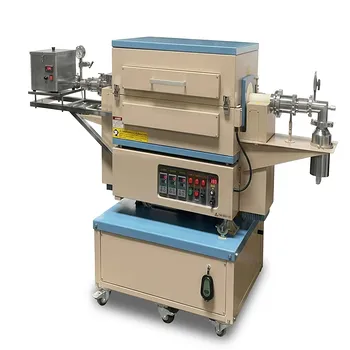
1500C 3-Zone Rotary Tube Furnace 60mm with Automatic Powder Feeding and Receiving System for Continuous Material Synthesis
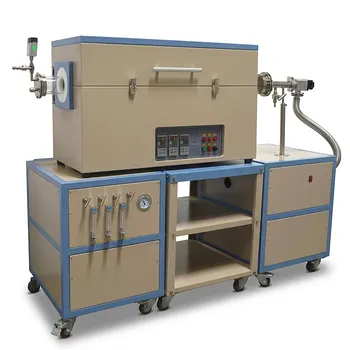
Three Zone Quartz Tube Furnace with 3 Channel Gas Mixer Vacuum Pump and Anti Corrosive Vacuum Gauge
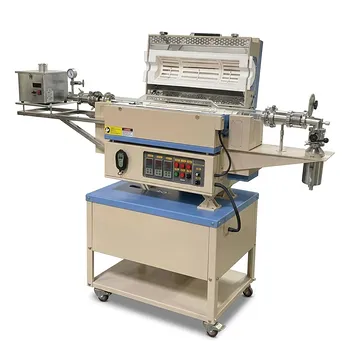
5 Inch Rotary Tube Furnace with Automatic Feeding and Receiving System 1200C Three Zone CVD Powder Processing
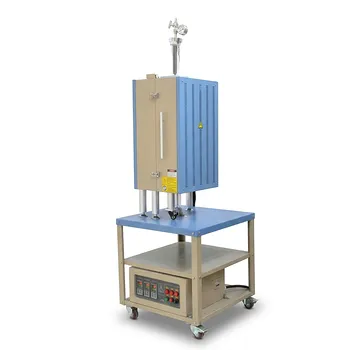
1200C Three Zone Vertical Tube Furnace with 2 Inch Quartz Tube and Vacuum Flanges
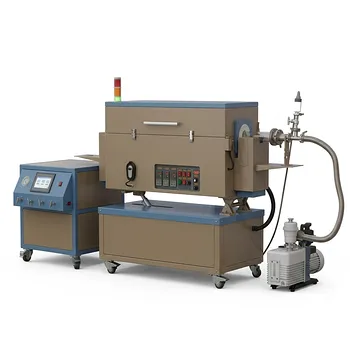
5 Inch Three Zone Rotary Tube Furnace with Integrated Gas Delivery System and 1200C Capability for Advanced Material CVD Processing