Why must NCM90-6-4 cathode sheets be treated in a vacuum drying oven at 120 °C? Optimize High-Nickel Battery Stability
Updated 3 months ago
The vacuum drying process for NCM90-6-4 cathode sheets is a critical stabilization step. Treating these electrodes at 120 °C in a vacuum environment ensures the total removal of residual N-Methyl-2-pyrrolidone (NMP) solvents and physically adsorbed moisture. This specific procedure prevents the high-nickel surface from reacting with air to form performance-degrading impurities like lithium carbonate and lithium hydroxide.
Core Takeaway: Vacuum drying at 120 °C is essential to preserve the chemical purity and structural integrity of NCM90 cathodes. By lowering the boiling point of contaminants and eliminating air exposure, the process prevents surface degradation and ensures optimal electrolyte infiltration during battery assembly.
The Necessity of Solvent and Moisture Removal
Eliminating Residual NMP
NMP is a high-boiling-point solvent used during the slurry coating process that does not fully evaporate under ambient conditions. Residual NMP can interfere with the electrochemical stability of the cell and occupy critical pore space within the electrode matrix.
Desorbing Physically Adsorbed Water
High-nickel materials like NCM90 are extremely hygroscopic, meaning they readily attract water molecules from the environment. Removing this "physically adsorbed" water is mandatory, as moisture triggers the decomposition of the electrolyte (forming hydrofluoric acid) during subsequent cycling.
The Strategic Role of the Vacuum Environment
Lowering Liquid Boiling Points
A vacuum environment significantly reduces the atmospheric pressure, which in turn lowers the boiling points of water and NMP. This allows for deep, thorough drying at 120 °C—a temperature high enough to be effective but low enough to avoid damaging the sensitive crystal structure of the cathode.
Preventing Surface Carbonation
When high-nickel cathodes are heated in the presence of air, they react rapidly with CO2 and moisture to form lithium carbonate ($Li_2CO_3$) and lithium hydroxide ($LiOH$). The vacuum removes these reactive gases, ensuring the active material surface remains pure and conductive.
Protecting the Carbon Matrix
The vacuum environment prevents the oxidation of conductive carbon additives within the electrode sheet. This maintains the integrity of the micropores, ensuring that the electrolyte can fully infiltrate the electrode and facilitate high-rate discharge performance.
Understanding the Trade-offs and Pitfalls
The Risk of Thermal Degradation
While 120 °C is effective for drying, exceeding this temperature significantly can cause thermal stress or alter the binder's distribution (binder migration). It is vital to maintain a constant thermal environment to prevent localized overheating that could compromise the mechanical flexibility of the sheet.
Time vs. Thoroughness
Extended drying periods are necessary to reach the "interior" moisture trapped deep within the electrode pores. Shortcutting this duration often leaves a moisture gradient, where the surface is dry but the core remains contaminated, leading to premature capacity fade during battery use.
How to Apply This to Your Process
When preparing high-nickel cathode materials for punching and assembly, your drying protocol should be dictated by your specific performance requirements.
- If your primary focus is Maximum Cycle Life: Extend the vacuum drying time beyond the standard window to ensure every trace of internal moisture is removed, preventing acid formation in the electrolyte.
- If your primary focus is High-Rate Performance: Prioritize the vacuum level (deeper vacuum) to ensure pores are completely cleared of NMP, allowing for rapid lithium-ion transport and electrolyte wetting.
- If your primary focus is Material Stability: Ensure the transition from the vacuum oven to the glovebox or punching station is seamless and "air-free" to prevent the immediate re-adsorption of moisture.
By strictly controlling the vacuum and temperature during the drying phase, you transform a sensitive precursor into a stable, high-performance electrode ready for electrochemical cycling.
Summary Table:
| Parameter | Standard Setting | Key Function |
|---|---|---|
| Temperature | 120 °C | Maximizes solvent removal without thermal degradation |
| Environment | High Vacuum | Lowers boiling points and prevents surface carbonation |
| Target Contaminants | NMP & H2O | Eliminates residual solvents and adsorbed moisture |
| Structural Benefit | Pore Integrity | Ensures optimal electrolyte infiltration and conductivity |
Optimize Your Electrode Processing with THERMUNITS
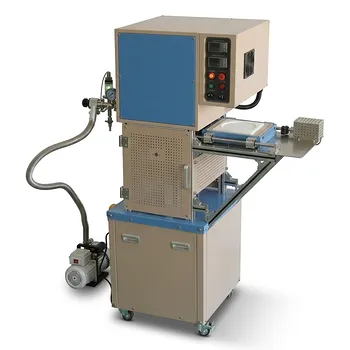
Precise thermal control is the backbone of high-performance battery research. THERMUNITS is a leading manufacturer of high-temperature laboratory equipment, offering specialized solutions for material science and industrial R&D. Our high-precision Vacuum Drying Ovens and Atmosphere Furnaces are engineered to provide the constant thermal environment necessary for stabilizing sensitive high-nickel cathodes like NCM90.
From Muffle and Tube furnaces to CVD/PECVD systems and vacuum induction melting (VIM), we provide the tools needed for advanced heat treatment. Contact us today to find the perfect thermal solution for your lab and ensure the integrity of your next-generation energy materials.
References
- Marcel Heidbüchel, Johannes Kasnatscheew. Ultrahigh Ni‐Rich (90%) Layered Oxide‐Based Cathode Active Materials: The Advantages of Tungsten (W) Incorporation in the Precursor Cathode Active Material. DOI: 10.1002/smsc.202400135
Mentioned Products
- High Temperature 1000C Vacuum Furnace with 8 Inch ID Chamber for Material Sintering and Research Annealing
- Bottom Loading Vacuum Furnace 1200C Rapid Cooling Atmosphere Control Quartz Chamber
- High Temperature Cold Wall High Vacuum Chamber Furnace 1400C for Advanced Material Processing
- High Vacuum Compact Tube Furnace 1200C with Integrated Turbo Pump System and 8 Inch Heating Zone
- 1200C High Temperature 5 Inch Split Vacuum Tube Furnace with 12 Inch Heating Zone and Separated PID Controller
People Also Ask
- How does the temperature control precision of a high-temperature sintering furnace affect Na1+xLa1-xZr2O6-δ ceramics?
- How does a high-temperature sintering furnace environment enhance NdFeB magnets? Achieve 98%+ density with precision.
- What role does a high-temperature annealing furnace play in forming ordered Pt3(CoNi) intermetallic catalysts?
- What is the function of high-vacuum furnaces in (Mo2/3V1/3)n+1AlCn MAX phase synthesis? Ensure Purity & Diffusion.
- How does a vacuum or atmosphere sintering furnace contribute to the congener-welding process of carbon nitride membranes?

Tech Team · ThermUnits
Last updated on Jun 02, 2026
Related Products
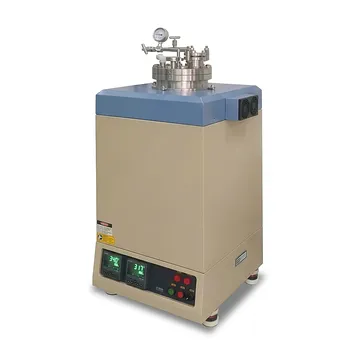
High Temperature 1000C Vacuum Furnace with 8 Inch ID Chamber for Material Sintering and Research Annealing
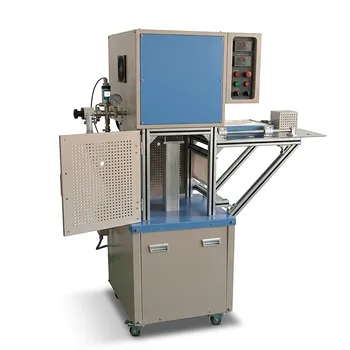
Bottom Loading Vacuum Furnace 1200C Rapid Cooling Atmosphere Control Quartz Chamber
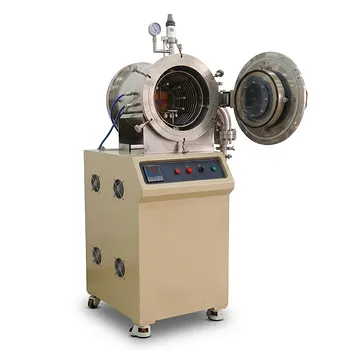
High Temperature Cold Wall High Vacuum Chamber Furnace 1400C for Advanced Material Processing
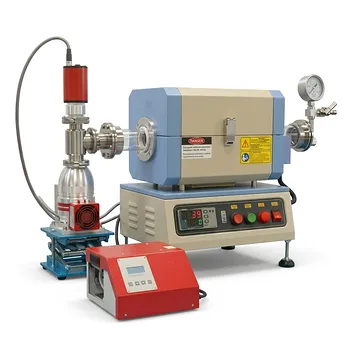
High Vacuum Compact Tube Furnace 1200C with Integrated Turbo Pump System and 8 Inch Heating Zone
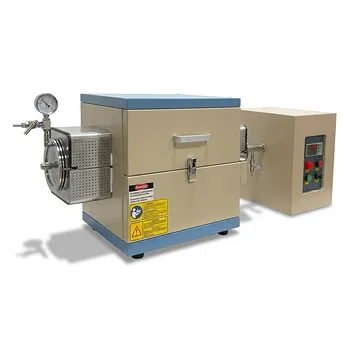
1200C High Temperature 5 Inch Split Vacuum Tube Furnace with 12 Inch Heating Zone and Separated PID Controller

Vertical 1700C Vacuum and Atmosphere Tube Furnace with 80mm Alumina Tube
Vacuum Dental Porcelain Sintering Furnace for High Precision Ceramic Restorations
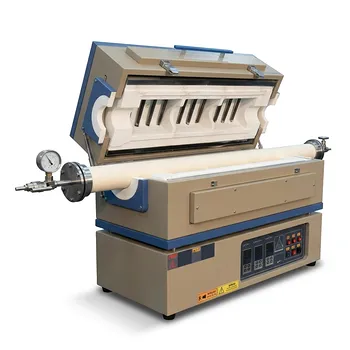
1600C Three Zone Split Tube Furnace with Alumina Tube and Vacuum Flange
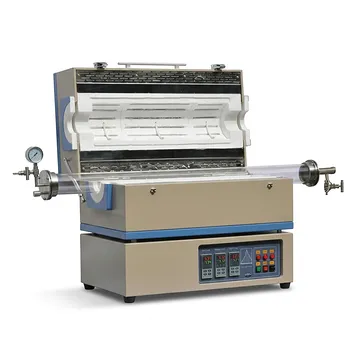
24 Inch Three Zone Split Tube Furnace with Optional Quartz Tube and Vacuum Flange System for High Temperature Material Synthesis
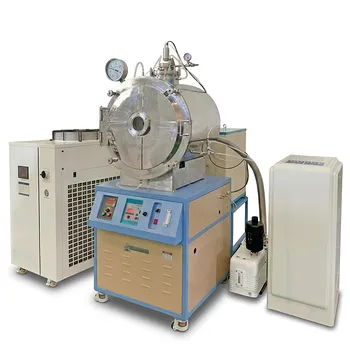
Ultra High Temperature Induction Heated Vacuum Furnace with Molten Salt Electrolysis Capability and 3000 Degree Precision Control
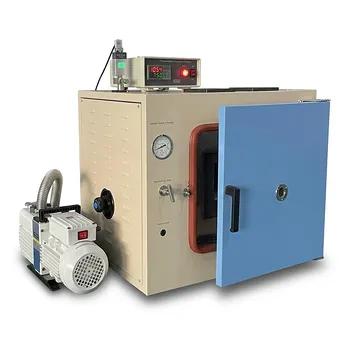
Compact High Vacuum Box Furnace 1050C Max 6.2L Ceramic Chamber Stainless Steel Shell Programmable Temperature Controller for Material Science Research
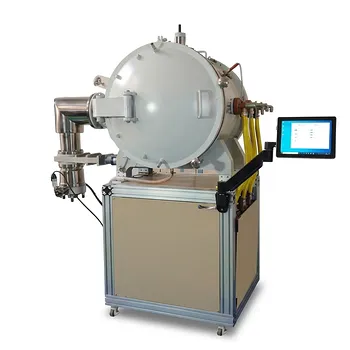
High Temperature Cold Wall Vacuum Furnace for Advanced Material Sintering and Annealing 1600C Heating Area 200x200x300mm
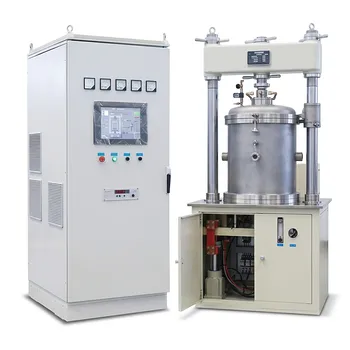
Industrial Vacuum Hot Press Furnace Machine and High Temperature Heated Vacuum Press for Advanced Material Sintering
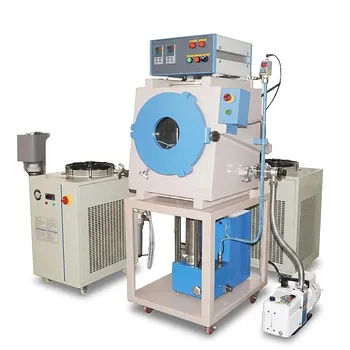
High Temperature Vacuum Lamination Hot Press Furnace Machine for Semiconductor Wafer Bonding and Advanced Composite Thermal Processing
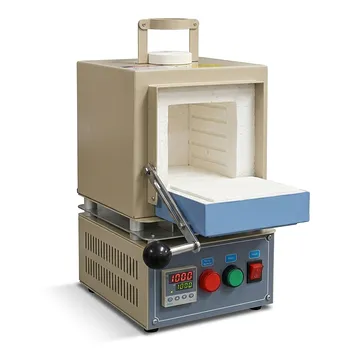
Compact 1000C Muffle Furnace with Programmable Controller and 2 Inch Top Port for Vacuum and Atmosphere Material Research
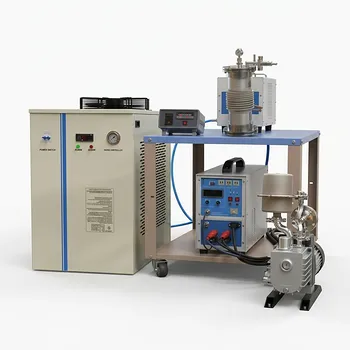
Induction Heating System with Temperature Control for High Temperature Vacuum Sintering and Melting