Why must tempering resistance tests for Fe-Co-Mo alloys be conducted in a tube furnace with an argon atmosphere? - Guide
Updated 3 months ago
Testing Fe-Co-Mo alloys in a tube furnace with an argon atmosphere is essential to prevent high-temperature oxidation during long-duration thermal exposure. This inert environment ensures that subsequent hardness measurements reflect the material's internal structural evolution and "red hardness" rather than surface degradation or chemical loss.
The use of high-purity argon creates a strictly inert environment that isolates the specimen from oxygen for up to 120 hours. This isolation is critical for ensuring that recorded data accurately evaluates the alloy's tempering stability and intrinsic mechanical properties.
The Role of Oxidation Prevention in Material Accuracy
Isolating the Specimen from Atmospheric Oxygen
Fe-Co-Mo alloys are subject to rapid oxidation when exposed to high temperatures in the presence of air. Argon acts as a protective shield, displacing oxygen within the furnace to prevent the formation of oxide layers that would otherwise compromise the specimen's surface.
Preserving Surface Integrity for Hardness Testing
Hardness data is the primary metric for evaluating tempering resistance and red hardness. If the surface is allowed to oxidize or decarburize, the resulting hardness values will be skewed, reflecting the brittle or weakened oxide layer rather than the alloy's true structural state.
Simulating Long-Term Service Conditions
Tempering resistance tests often last up to 120 hours to simulate the long-term thermal stresses these materials face in industrial service. A tube furnace provides the stable, controlled environment necessary to maintain this protection consistently over several days of continuous heating.
Evaluating Internal Structural Evolution
Understanding "Red Hardness"
Red hardness refers to a material's ability to maintain its hardness at elevated temperatures. By using an argon atmosphere, researchers ensure that the observed stability is due to internal microstructural phases, such as the stable precipitation of strengthening phases, rather than external chemical changes.
Monitoring Precipitation and Phase Stability
The technical goal of these tests is to observe how the Fe-Co-Mo matrix evolves over time. An inert atmosphere allows for the accurate assessment of internal transformations, ensuring that the material's performance remains consistent with its intended chemical design.
Eliminating External Variables
In technical testing, isolating variables is paramount for high-fidelity data. Using a tube furnace with argon eliminates atmospheric interference, allowing engineers to focus solely on the relationship between temperature, time, and the material's internal bond strength.
Understanding the Trade-offs and Challenges
Cost and Complexity of Gas Management
Utilizing high-purity argon increases the operational cost of the test compared to atmospheric heating. Maintaining a constant flow and monitoring gas purity are necessary steps that require specialized equipment and careful oversight to prevent leaks.
Sensitivity to Argon Purity
If the argon is not of high purity, or if the furnace seal is compromised, trace amounts of oxygen can still cause localized oxidation. This "hidden" oxidation can lead to inconsistent results across different samples, making the rigorous maintenance of the inert environment a critical requirement.
Thermal Lag in Tube Furnaces
While tube furnaces provide excellent atmosphere control, they may have different heating rates than other furnace types. Precise calibration of the temperature curve is required to ensure the alloy reaches the target temperature accurately without overshooting, which could inadvertently alter the microstructure.
How to Apply These Findings to Your Testing
To ensure your tempering resistance tests provide the most accurate and reliable data, consider the following strategic approaches:
- If your primary focus is Data Accuracy: Prioritize the use of 99.99% high-purity argon and verify the furnace seals before starting a long-duration test.
- If your primary focus is Benchmarking Red Hardness: Ensure that the cooling process post-tempering is also controlled to prevent "last-minute" oxidation before the hardness measurement is taken.
- If your primary focus is Cost Efficiency: Use a flow meter to optimize argon consumption, ensuring you use just enough pressure to maintain a positive displacement of oxygen without wasting gas.
By strictly controlling the testing environment, you ensure that your material analysis is a true reflection of the alloy's engineered performance.
Summary Table:
| Feature | Atmospheric Heating | Argon Atmosphere (Tube Furnace) |
|---|---|---|
| Oxidation Risk | High (Formation of Oxide Layers) | Negligible (Inert Shielding) |
| Surface Integrity | Degraded and Brittle | Preserved and Intact |
| Data Accuracy | Skewed Hardness Values | Reliable Microstructural Results |
| Test Stability | Significant Surface Loss | Stable over 120+ Hours |
Enhance Your Material Testing Precision with THERMUNITS
As a leading manufacturer of high-temperature laboratory equipment for material science and industrial R&D, THERMUNITS provides the advanced thermal solutions necessary for high-fidelity research. Our comprehensive range includes Tube, Vacuum, and Atmosphere Furnaces specifically engineered to maintain the strict inert environments required for Fe-Co-Mo alloy analysis and other sensitive heat treatments.
Why Choose THERMUNITS for Your R&D?
- Precision Atmosphere Control: Advanced gas management systems to ensure maximum purity and oxygen displacement.
- Comprehensive Solutions: We offer Muffle, Tube, Rotary, and Hot Press furnaces, as well as CVD/PECVD and VIM systems.
- Industrial Reliability: Our equipment is designed for long-duration stability (120h+) to meet the most demanding thermal cycle requirements.
Ensure your research reflects the intrinsic properties of your materials rather than atmospheric interference. Contact THERMUNITS today to find the perfect heat treatment solution for your laboratory!
References
- Shiteng Lu, Lei Lü. Precipitation and Age-Hardening in Fe-25Co-15Mo Carbon-Free High-Speed Steel via Hot Isostatic Pressing. DOI: 10.3390/met14121400
Mentioned Products
- Vertical 1700C Vacuum and Atmosphere Tube Furnace with 80mm Alumina Tube
- Compact Vertical Split Quartz Tube Furnace with Stainless Steel Vacuum Flanges for Rapid Thermal Quenching and Controlled Atmosphere Material Processing
- 1750°C High Temperature Benchtop Vacuum Atmosphere Tube Furnace with Kanthal Super 1800 Heating Elements and 60mm Alumina Processing Tube
- Three Zone Tube Furnace with 11 Inch or 15 Inch Quartz Tube and Hinged Flanges for Vacuum Atmosphere Heat Treatment
- 1200C Hybrid Muffle and Tube Furnace for Material Research with Dual Atmosphere Control Quartz Tubes
People Also Ask
- How is an industrial-grade vertical tube furnace utilized in smelting leaching residues? Enhance Metal Recovery Efficiency
- What is the function of a laboratory-grade vertical tube furnace in fast pyrolysis? Optimize Composite Research.
- How does a vertical tube furnace facilitate thermoelectric alloy melting? Precision synthesis for material homogeneity.
- Why is a thermocouple sensor indispensable for monitoring the vertical tube furnace during gallium oxide nanowire production? Optimize VLS Growth
- What are the advantages of using a vertical tube furnace for crucible experiments simulating steel-slag interactions?

Tech Team · ThermUnits
Last updated on Jun 02, 2026
Related Products
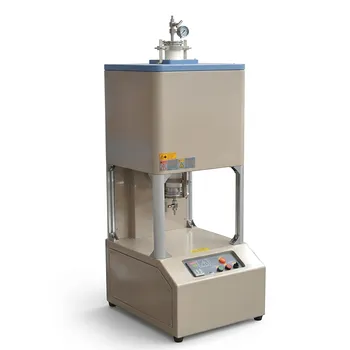
Vertical 1700C Vacuum and Atmosphere Tube Furnace with 80mm Alumina Tube
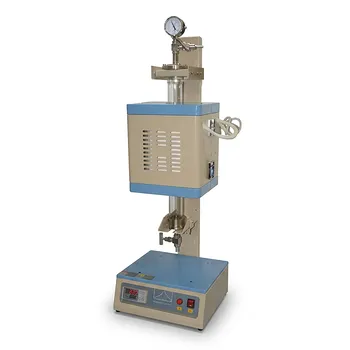
Compact Vertical Split Quartz Tube Furnace with Stainless Steel Vacuum Flanges for Rapid Thermal Quenching and Controlled Atmosphere Material Processing
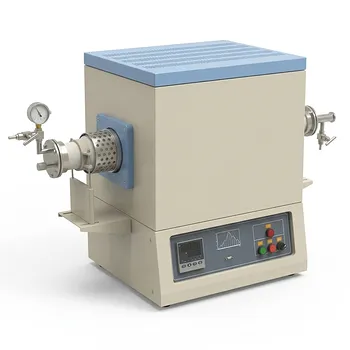
1750°C High Temperature Benchtop Vacuum Atmosphere Tube Furnace with Kanthal Super 1800 Heating Elements and 60mm Alumina Processing Tube
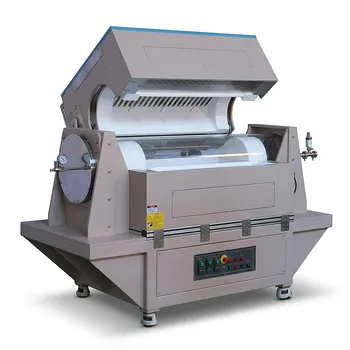
Three Zone Tube Furnace with 11 Inch or 15 Inch Quartz Tube and Hinged Flanges for Vacuum Atmosphere Heat Treatment
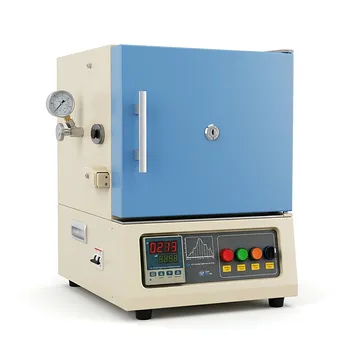
1200C Hybrid Muffle and Tube Furnace for Material Research with Dual Atmosphere Control Quartz Tubes
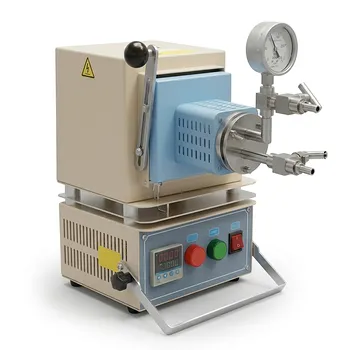
Compact Hybrid Muffle and Tube Furnace for 1000C Controlled Atmosphere Laboratory Material Sintering
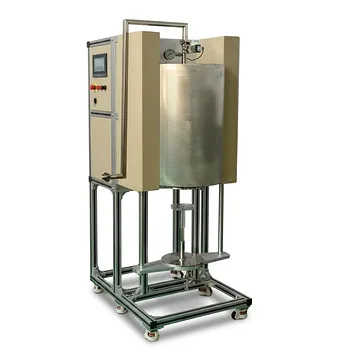
1200°C Atmosphere Controlled Automatic Bottom Loading Furnace with 6 Inch Quartz Tube
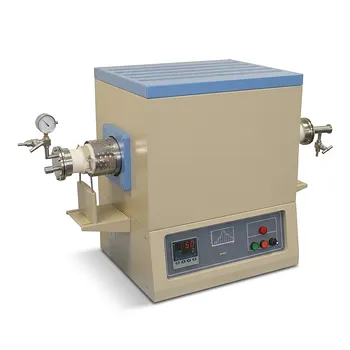
1700C High Temperature Alumina Tube Furnace with 18 Inch Heated Zone and Vacuum Sealing Flanges
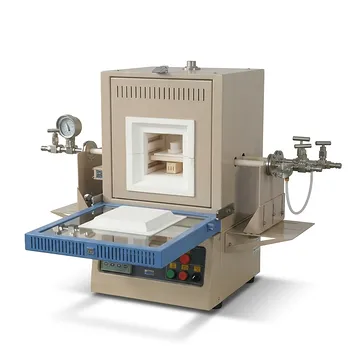
1700C Compact Hybrid Furnace with Dual Layer Box Sintering and Controlled Atmosphere Alumina Tubes
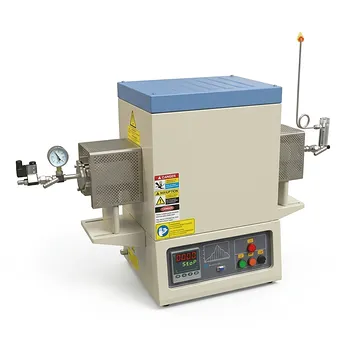
1700C Hydrogen Gas Tube Furnace with 60mm Alumina Process Tube and Integrated Hydrogen Safety Detector
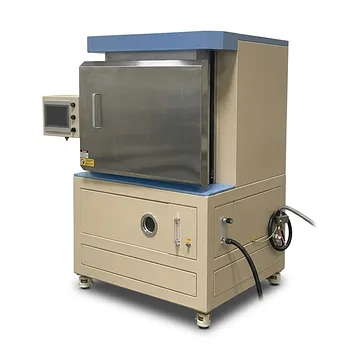
1650C High Temperature Atmosphere Controlled Box Furnace with 65L Chamber for Advanced Material Sintering and Industrial Heat Treatment
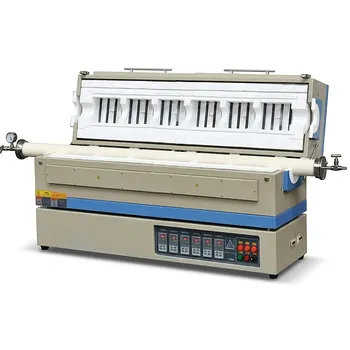
High Temperature 1700C Six Zone Split Tube Furnace with Alumina Tube and Water Cooled Flanges
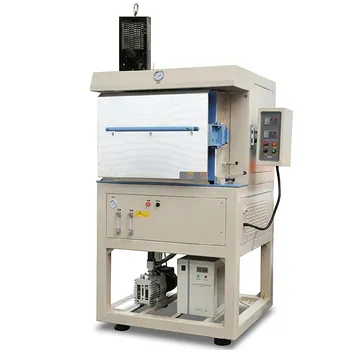
1200C Hydrogen Atmosphere Box Furnace with 5 Heated Sides and 64L Chamber
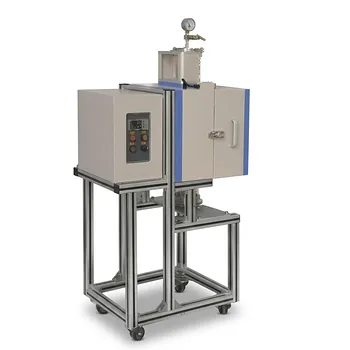
1200°C 5 Inch Vertical Quartz Tube Furnace with Stainless Steel Vacuum Flanges

1800C High Temperature Compact Vacuum Tube Furnace with 60mm OD Alumina Tube and Kanthal MoSi2 Heating Elements
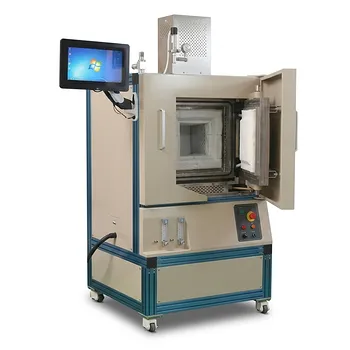
High Temperature Oxygen and Inert Atmosphere Controlled Furnace 8 Liter 1700C Sintering System for Advanced Materials RD
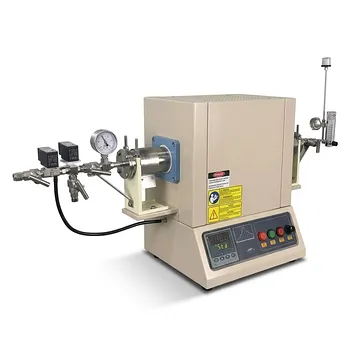
1500C Compact Hydrogen Gas Tube Furnace with 2 Inch Alumina Tube and Hydrogen Detector
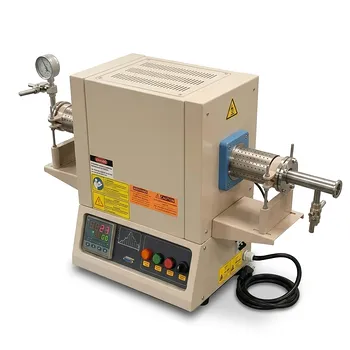
Compact High Temperature 1600C Tube Furnace with 50mm Alumina Tube and Vacuum Flanges for Material Sintering
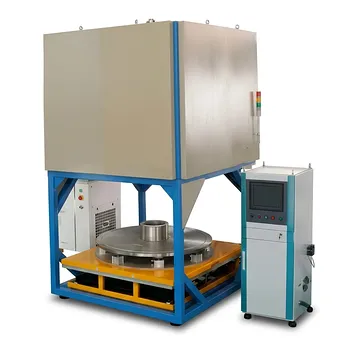
1400C Bottom Loaded Inert Gas Atmosphere Box Furnace with 125L Capacity and Precision Hydraulic Lift