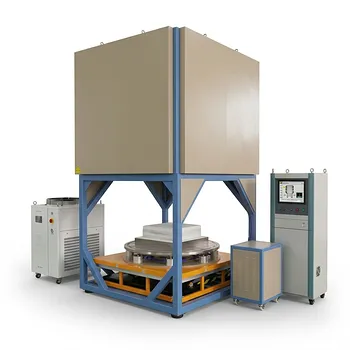
Why must high-temperature isotope diffusion use ceramic containers & N2? Ensure Purity and Structural Integrity
Updated 3 months ago
The use of ceramic containers and high-purity nitrogen during high-temperature diffusion is essential for maintaining the chemical purity and structural integrity of the radioactive source. Ceramic containers act as a physical barrier to prevent the metal matrix from reacting with the furnace equipment, while the nitrogen atmosphere eliminates oxygen to prevent the oxidation of both the steel matrix and the radioactive thin film.
To ensure the accuracy and stability of a radioactive source, one must isolate the sample from both physical contamination and chemical degradation. Ceramic containment and inert gas shielding are the dual pillars of this isolation strategy.
Protecting the Sample through Material Isolation
Preventing Matrix-Furnace Reactions
At the extreme temperatures required for isotope diffusion, chemical reactivity increases significantly between different materials. Ceramic containers are used because they are chemically inert and can withstand high heat without bonding to the metal matrix of the sample. This prevents the sample from becoming contaminated by the furnace tube, which would otherwise alter the physical properties of the source.
Maintaining Geometric and Structural Integrity
If a metal matrix were to come into direct contact with a metallic furnace tube at high temperatures, diffusion bonding or "sticking" could occur. Ceramic materials provide a stable environment that ensures the steel matrix remains physically distinct and easy to recover post-process. This preservation of shape and structure is critical for the subsequent use of the radioactive source in precision applications.
Preventing Oxidation via Nitrogen Shielding
Excluding Atmospheric Oxygen
High-purity nitrogen ($N_2$) serves as an inert shield that displaces atmospheric oxygen from the reaction zone. Without this displacement, oxygen would rapidly react with the steel matrix and the radioactive thin film at elevated temperatures. The presence of $N_2$ ensures that the chemical composition of the source surface remains stable throughout the heating cycle.
Protecting the Radioactive Thin Film
The radioactive layer is often extremely thin and highly susceptible to chemical changes. Oxidation can cause the radioactive thin film to flake, peel, or change its emission characteristics, rendering the source unreliable. By maintaining a nitrogen atmosphere, the system prevents these secondary reactions, ensuring the film remains adhered to the substrate.
Stability During the Cooling Phase
The need for nitrogen protection does not end when the furnace is turned off. As the sample cools, it remains vulnerable to secondary oxidation of iron (Fe) or intermediate oxides like wüstite (FeO). A continuous nitrogen flow during cooling ensures that the final microstructure and metallization rates of the sample are accurately preserved for measurement.
Understanding the Trade-offs
Cost and Complexity vs. Purity
Implementing a high-purity nitrogen system and using specialized ceramic crucibles increases the operational cost and complexity of the experiment. However, the alternative—sample oxidation—leads to degraded data quality and potential loss of expensive radioactive materials. In radioactive isotope work, the "cost" of a failed experiment or a contaminated furnace far outweighs the investment in protective measures.
Inertness vs. True Vacuum
While nitrogen is an excellent general-purpose inert gas, it is not "active" in the way a vacuum or a reducing atmosphere (like hydrogen) might be. Nitrogen prevents new oxidation but cannot reverse oxidation that occurred prior to loading the sample. Technicians must ensure samples are clean and the system is fully purged before the temperature begins to rise.
How to Apply This to Your Project
Recommendations for High-Temperature Processing
- If your primary focus is isotope surface stability: Ensure the nitrogen flow is maintained at a positive pressure to prevent any oxygen ingress during the entire heating and cooling cycle.
- If your primary focus is preventing cross-contamination: Use high-alumina or specialized technical ceramics that are rated for temperatures exceeding your process setpoint by at least 200°C.
- If your primary focus is accurate microstructure analysis: Prioritize the nitrogen purge during the cooling phase to prevent the formation of "false" oxide layers that could skew your results.
Rigorous control of the thermal environment is the only way to guarantee that the diffused isotope source remains chemically pure and physically stable.
Summary Table:
| Component | Primary Function | Key Benefit |
|---|---|---|
| Ceramic Container | Physical/Chemical Barrier | Prevents furnace bonding and ensures matrix purity. |
| High-Purity N2 | Atmospheric Inert Shield | Eliminates oxygen to prevent oxidation of radioactive films. |
| Cooling Flow | Thermal Stabilization | Preserves microstructure and prevents secondary oxidation. |
| Steel Matrix | Sample Substrate | Maintained via non-reactive contact and inert shielding. |
Elevate Your Material Research with THERMUNITS
Precision in radioactive isotope diffusion requires uncompromising thermal control and high-purity environments. THERMUNITS is a leading manufacturer of high-temperature laboratory equipment designed for the most demanding material science and industrial R&D applications.
Whether you need Muffle, Vacuum, Atmosphere, or Tube Furnaces, or advanced CVD/PECVD and Vacuum Induction Melting (VIM) systems, our solutions ensure your samples remain chemically pure and structurally sound.
Why partner with THERMUNITS?
- Expert Engineering: Tailored thermal processing for sensitive isotope work.
- Comprehensive Range: From dental furnaces to industrial electric rotary kilns.
- Reliability: Equipment designed to maintain high-purity atmospheres throughout heating and cooling cycles.
Ready to optimize your lab's heat treatment performance? Contact our technical team today to find the perfect furnace for your project!
References
- René Vondrášek, Vít Procházka. Preparation of specific-purpose 57Co radiation sources for specialised Mössbauer techniques. DOI: 10.1007/s10967-024-09923-7
Mentioned Products
- High Temperature Oxygen and Inert Atmosphere Controlled Furnace 8 Liter 1700C Sintering System for Advanced Materials RD
- 1650C High Temperature Atmosphere Controlled Box Furnace with 65L Chamber for Advanced Material Sintering and Industrial Heat Treatment
- High Temperature Vertical Atmosphere Controlled Furnace with Automatic Bottom Loading and 1700°C Capacity for Advanced Material Research
- 1500°C Split Tube Furnace with Alumina Tube and Vacuum Sealing Flanges for Material Research
- 1700C High Temperature Alumina Tube Furnace with 18 Inch Heated Zone and Vacuum Sealing Flanges
People Also Ask
- What role does atmosphere control play in technical ceramics and glass? Master Material Purity and Precision
- What are the advantages of using an atmosphere-controlled high-temperature sintering furnace? Precise Oxygen Control
- Why is a tube furnace required for FGM-PhG structural color ceramics? Key to Carbon Preservation & Vibrant Color
- What role does an atmosphere furnace play in CN & Aux-CN preparation? Master Thermal Polycondensation & Stability.
- How high-temp furnaces ensure membrane integrity in molten salt impregnation? Precision Thermal & Atmosphere Control

Tech Team · ThermUnits
Last updated on Jun 03, 2026
Related Products
High Temperature Oxygen and Inert Atmosphere Controlled Furnace 8 Liter 1700C Sintering System for Advanced Materials RD
1650C High Temperature Atmosphere Controlled Box Furnace with 65L Chamber for Advanced Material Sintering and Industrial Heat Treatment
High Temperature Vertical Atmosphere Controlled Furnace with Automatic Bottom Loading and 1700°C Capacity for Advanced Material Research
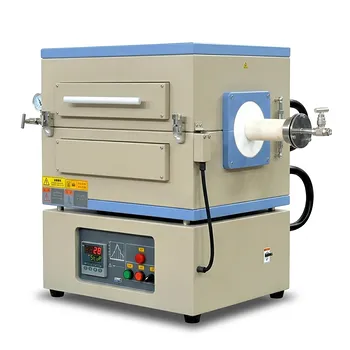
1500°C Split Tube Furnace with Alumina Tube and Vacuum Sealing Flanges for Material Research
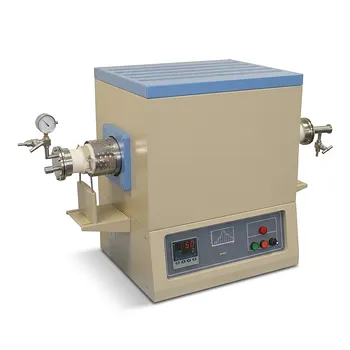
1700C High Temperature Alumina Tube Furnace with 18 Inch Heated Zone and Vacuum Sealing Flanges
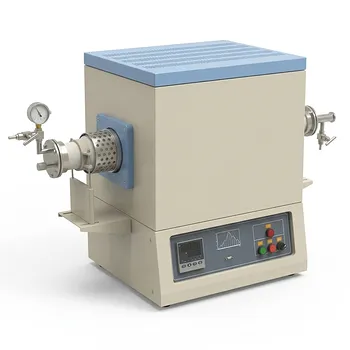
1750°C High Temperature Benchtop Vacuum Atmosphere Tube Furnace with Kanthal Super 1800 Heating Elements and 60mm Alumina Processing Tube

High Temperature 1700C Vertical Tube Furnace for Powder Spherification and Material Sintering
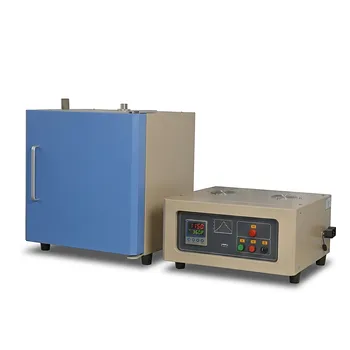
High Temperature Muffle Furnace with Alloy Chamber for Debinding and Sintering Applications
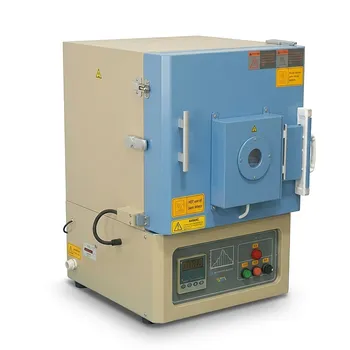
High Temperature Benchtop Muffle Furnace 1500C with 3.6L Chamber and Quartz Observation Window
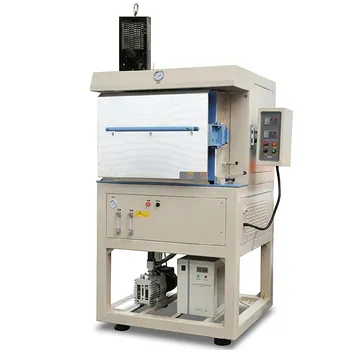
1200C Hydrogen Atmosphere Box Furnace with 5 Heated Sides and 64L Chamber
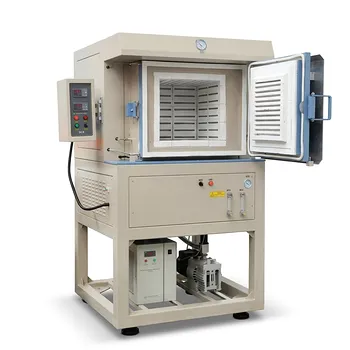
1200°C Five Side Heating Atmosphere Controlled Muffle Furnace 64 Liter High Uniformity Box Furnace for Material Synthesis
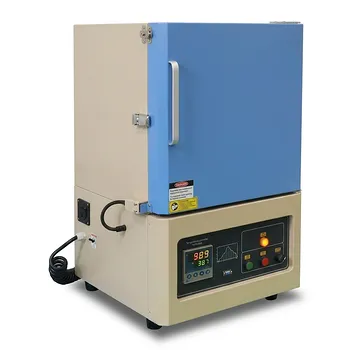
1200°C High Temperature Muffle Furnace 19L Chamber with 50 Segment Programmable Controller
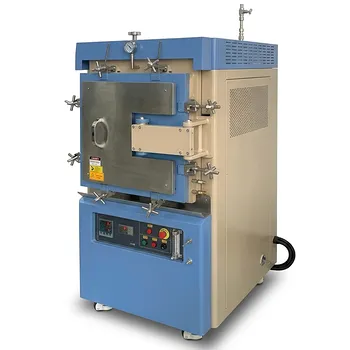
Atmosphere Controlled Muffle Furnace 1700C Maximum Temperature 80L High Capacity Vacuum Inert Gas Box Furnace
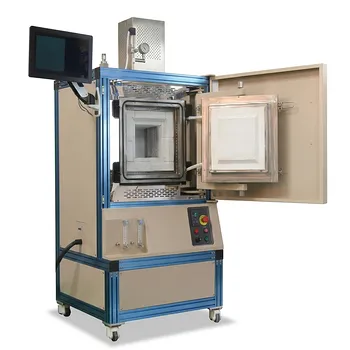
High Temperature Hydrogen Atmosphere Box Furnace 1650C Max Reducing Environment Material Synthesis System 8x8x8 Chamber

High Temperature 1700C Benchtop Tube Furnace with 5 Inch Heating Zone High Purity Alumina Tube and Vacuum Sealing Flanges
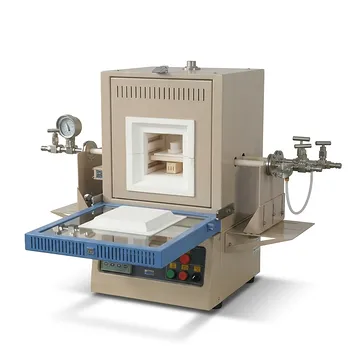
1700C Compact Hybrid Furnace with Dual Layer Box Sintering and Controlled Atmosphere Alumina Tubes
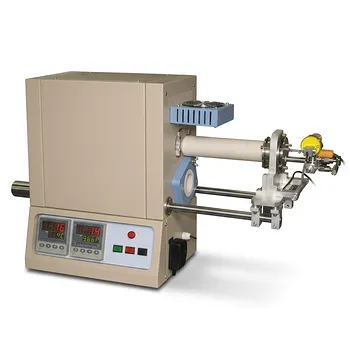
High Temperature Tube Furnace 1500C with Sliding Flanges and 50mm OD for Rapid Thermal Processing Fast Heating and Cooling
High Temperature Benchtop Muffle Furnace with Quartz Observation Window for Thermal Imaging and Material Analysis
High Temperature Hybrid Muffle and Tube Furnace with Vacuum Capability and PID Control