The Choreography of Carbon: Why CVD Precision Defines the Next Era of Material Science
Aug 20, 2026

The Architecture of the Invisible
At the nanoscale, the laws of physics don’t just change; they become temperamental.
Engineering a single layer of graphene or a forest of carbon nanotubes (CNTs) is not traditional manufacturing. It is a form of atomic-level architecture where the "bricks" are moving at hundreds of meters per second in a gaseous soup.
The challenge isn't just making the material. It is imposing order on chaos.
Chemical Vapor Deposition (CVD) has emerged as the definitive solution to this problem, not because it is simple, but because it provides the constraints necessary for nature to behave.
The Breath of the Machine: Atmospheric Control
In a CVD system, the atmosphere is the medium of creation. To synthesize high-quality graphene, one cannot simply "add carbon."
High-precision systems utilize multi-channel Mass Flow Controllers (MFCs) to act as the lungs of the process. They regulate the exact ratios of precursors—methane, ethylene, and hydrogen—down to the cubic centimeter.
This level of control serves two psychological and technical goals:
- Predictability: It ensures the carbon source decomposes at a rate the substrate can handle.
- Connectivity: It fosters the growth of three-dimensional conductive networks, essential for the next generation of silicon-based anodes.
Without this atmospheric rigor, you don't get a "miracle material." You get soot.
The Thermal Shock: Suppressing the Agglomeration
Temperature is often viewed as a static setting. In advanced nanomaterial synthesis, temperature is a dynamic tool.
Most CVD processes operate between 850°C and 1000°C. However, the "magic" happens during what engineers call Sudden Initiation.
By rapidly moving a sample into the heat zone, the catalyst experiences an instantaneous thermal shock. This isn't just about speed; it’s about physics. This shock prevents the catalyst particles from clumping together (agglomeration), preserving their high activity and small diameter.
The result? Carbon nanotubes with uniform diameters and higher yields—the difference between a lab curiosity and an industrial product.
Precision at Scale: The CVD Advantage
The ultimate test of any laboratory technology is its ability to scale without losing its soul—in this case, its electronic properties.
| Feature | Technical Capability | Industrial Outcome |
|---|---|---|
| Carrier Mobility | Exceeding 200,000 cm²/V·s | High-performance optoelectronics |
| Film Uniformity | Thickness fluctuations < 5% | Reliable semiconductor manufacturing |
| Growth Area | Single-crystal sheets > 15 cm | Commercial-scale graphene usage |
| Doping | In-situ bandgap engineering | Custom-tuned energy storage |
The Engineer’s Trade-off: The Price of Precision
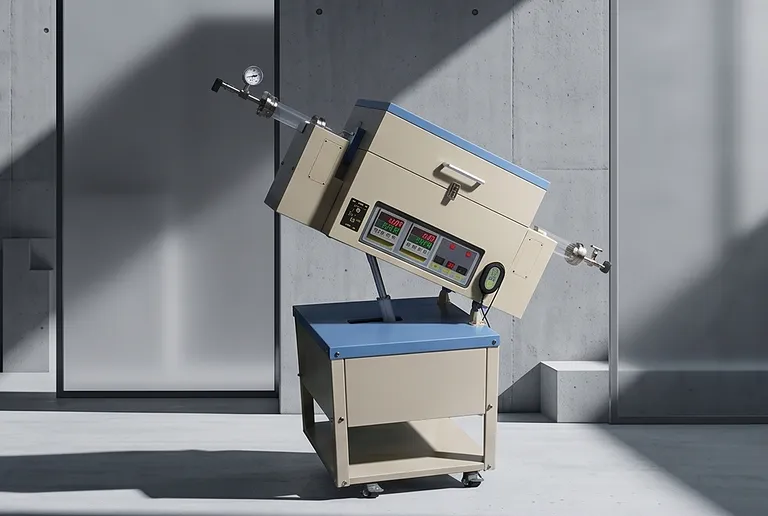
Every system has its "debt." In CVD, the debt is paid in energy and complexity.
Maintaining high-vacuum environments and sustained high temperatures requires massive energy input. Furthermore, the precursors involved—hydrogen and hydrocarbons—are inherently volatile.
The engineering of a CVD machine is therefore as much about safety and containment as it is about synthesis. A machine that cannot handle its own toxicity is a liability, not a tool.
Mastering the Variables
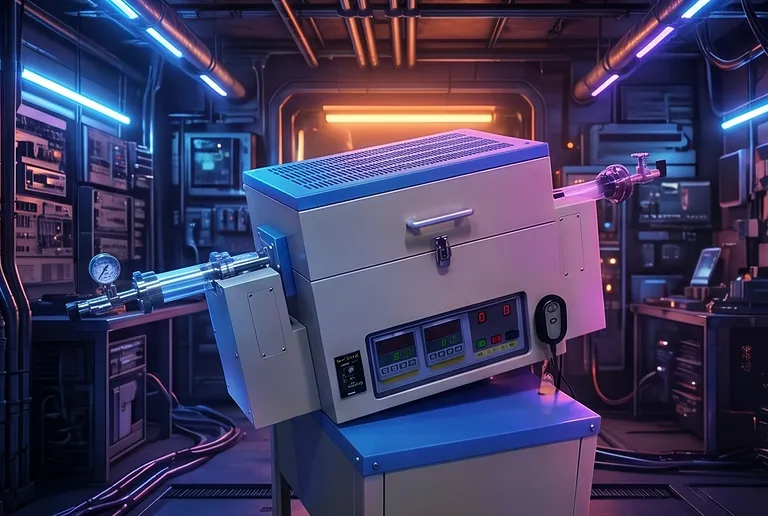
When selecting a thermal processing path, the strategy depends on the desired outcome:
- For Electronics: Prioritize thermal stability and carrier mobility.
- For Battery Anodes: Focus on 3D network integrity and precursor purity.
- For Sensitive Substrates: Shift toward PECVD (Plasma-Enhanced CVD) to lower the thermal threshold while maintaining film quality.
At its core, CVD is about moving from "discovery" to "engineering." It is the transition from finding a diamond in the rough to building a diamond atom by atom.
Engineering the Future with THERMUNITS
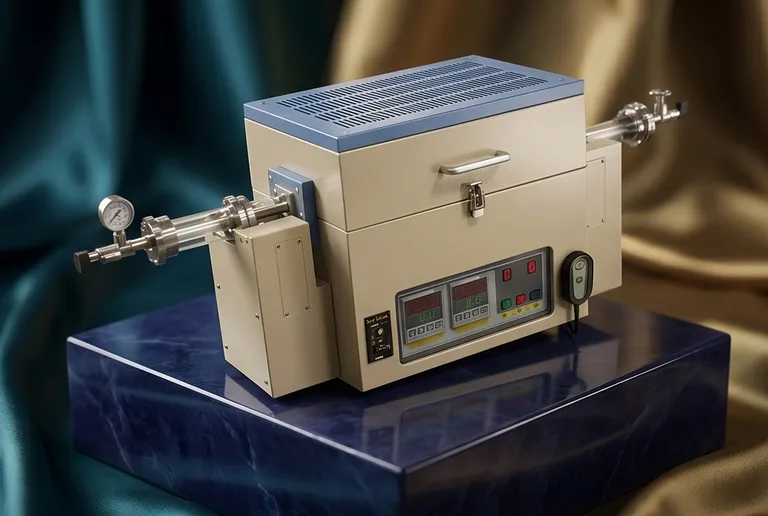
At THERMUNITS, we understand that the difference between a failed experiment and a breakthrough often lies in a few degrees of temperature or a few milliliters of gas flow.
We provide the "hardware for dreamers"—a comprehensive suite of high-temperature solutions including Muffle, Vacuum, Tube, and Rotary furnaces, alongside our flagship CVD and PECVD systems. Whether you are working on Dental ceramics in a specialized furnace or scaling production in a Vacuum Induction Melting (VIM) system, our equipment is designed for the rigorous demands of material R&D.
Precision is not just a specification; it is our philosophy. Improve your research outcomes with tools built for atomic-level excellence.
Quick Links
Suggested Products
Chemical Vapor Deposition CVD System Slide PECVD Tube Furnace with Liquid Gasifier PECVD Machine Versatile Chemical Vapor Deposition Tube Furnace System for Advanced Material Research and Industrial Coating Processes Radio Frequency Plasma Enhanced Chemical Vapor Deposition RF PECVD System for Laboratory and Industrial Thin Film Growth Inclined Rotary Plasma Enhanced Chemical Vapor Deposition PECVD System for Thin Film Deposition and Nanomaterial Synthesis 915MHz MPCVD Diamond Machine Microwave Plasma Chemical Vapor Deposition System ReactorFurther Reading
The Geometry of Silence: Why Depth Demands a Chemical Solution The Architecture of Ions: Decoding the Geometry of Plasma Coupling The Architecture of Clouds: Mastering the RF Equilibrium in PECVD The Low-Temperature Alchemy: Navigating the Thermal Budget with PECVD The Alchemy of Cold Fire: Decoupling Energy from Temperature in Thin Film Deposition
ThermUnits
Last updated on Apr 14, 2026
Related Products
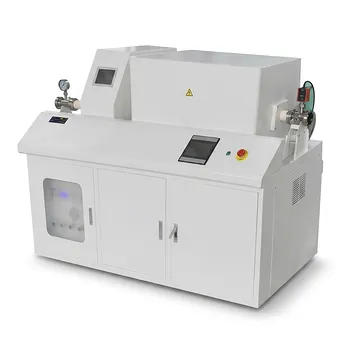
Chemical Vapor Deposition CVD System Slide PECVD Tube Furnace with Liquid Gasifier PECVD Machine
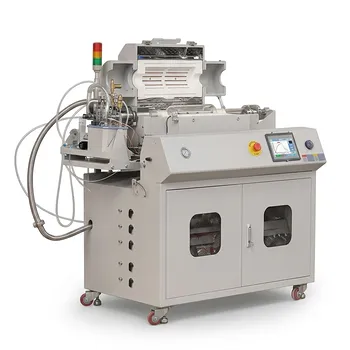
Versatile Chemical Vapor Deposition Tube Furnace System for Advanced Material Research and Industrial Coating Processes
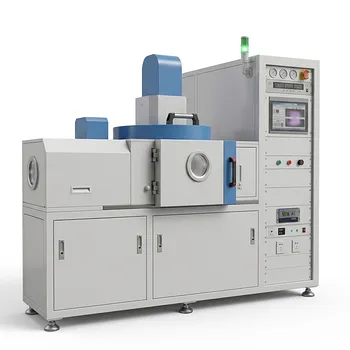
Radio Frequency Plasma Enhanced Chemical Vapor Deposition RF PECVD System for Laboratory and Industrial Thin Film Growth
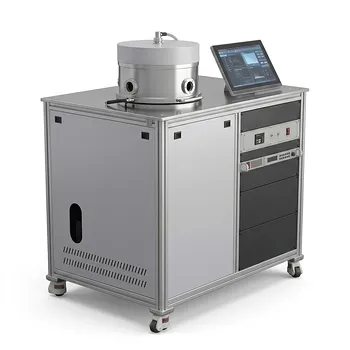
Inclined Rotary Plasma Enhanced Chemical Vapor Deposition PECVD System for Thin Film Deposition and Nanomaterial Synthesis
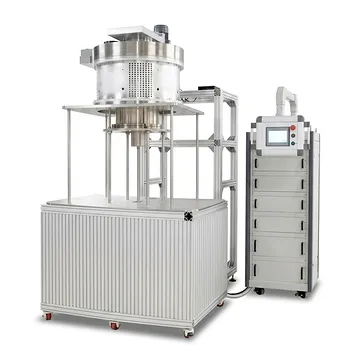
915MHz MPCVD Diamond Machine Microwave Plasma Chemical Vapor Deposition System Reactor
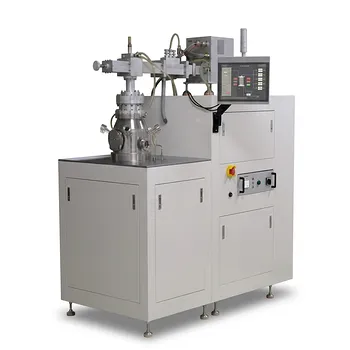
Cylindrical Resonator MPCVD Machine System for Microwave Plasma Chemical Vapor Deposition and Lab Diamond Growth
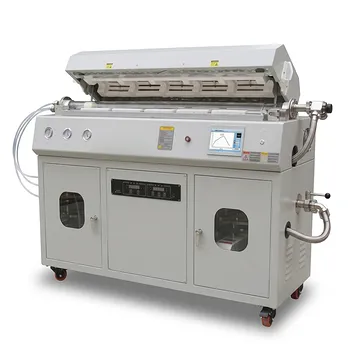
Multi Heating Zones CVD Tube Furnace System for Precision Chemical Vapor Deposition and Advanced Material Synthesis
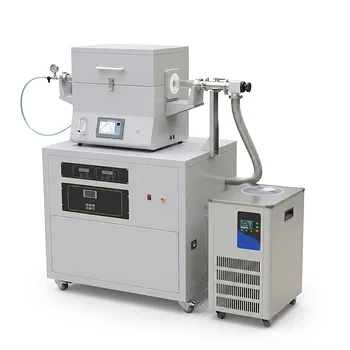
Split Chamber CVD Tube Furnace with Vacuum Station Chemical Vapor Deposition System Machine
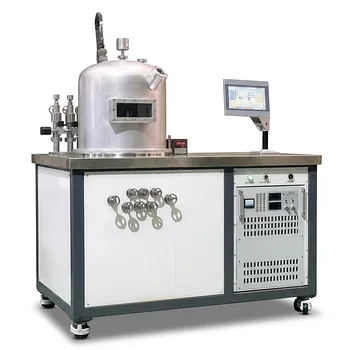
HFCVD Machine System for Nano Diamond Coating on Drawing Dies and Industrial Tools
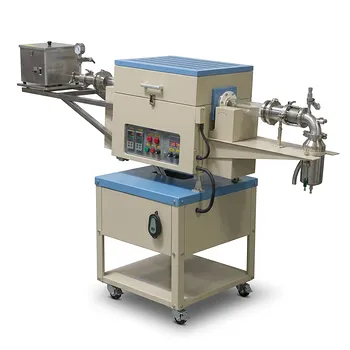
Two Zone Rotary CVD Furnace with Automatic Feeding and Receiving System for Powder Processing
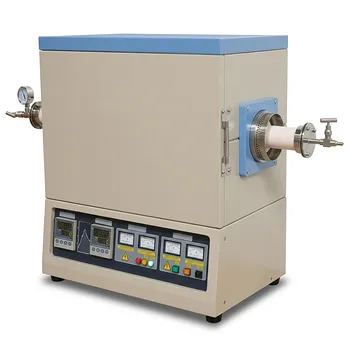
High Temperature 1700C Dual Zone Tube Furnace for Material Science and Industrial Chemical Vapor Deposition Research
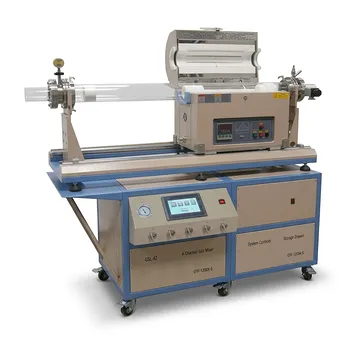
Dual Tube 100mm 80mm CVD Sliding Furnace with 4 Channel Gas Mixing and Vacuum System
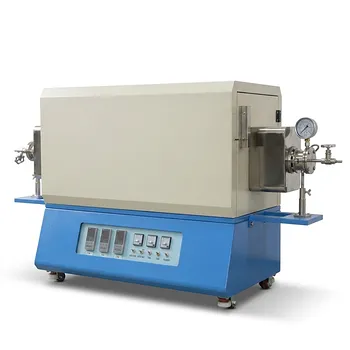
Three Temperature Zone High Temperature Vacuum Tube Furnace for CVD and Material Sintering
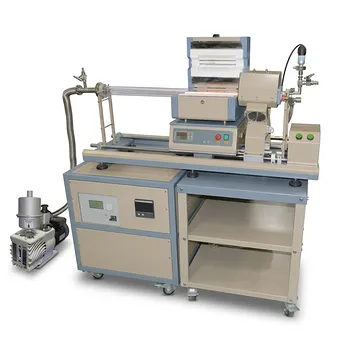
1200C Max Compact Auto-Sliding PECVD Furnace with 2 Inch Tube and Vacuum Pump
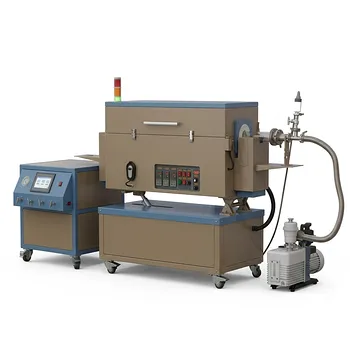
5 Inch Three Zone Rotary Tube Furnace with Integrated Gas Delivery System and 1200C Capability for Advanced Material CVD Processing

High Temperature 1700C Tube Furnace with High Vacuum Turbomolecular Pump System and Multi Channel Mass Flow Controller Gas Mixer
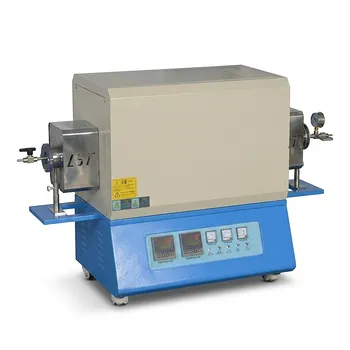
High Temperature Dual Zone Vacuum Tube Furnace for Material Research and CVD Processing
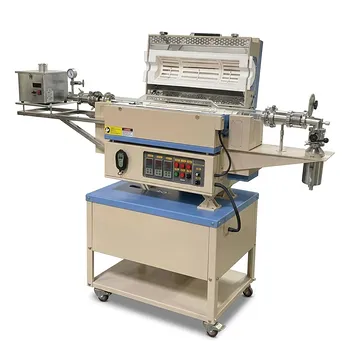
5 Inch Rotary Tube Furnace with Automatic Feeding and Receiving System 1200C Three Zone CVD Powder Processing
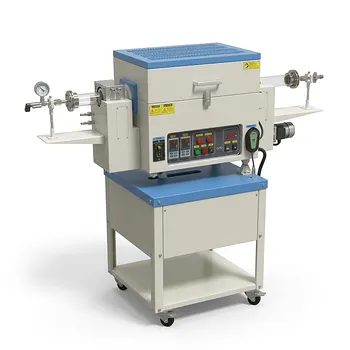
4 Inch Two Zone Rotary CVD Tube Furnace for High Temperature Battery Material Synthesis and Advanced Material Calcination