The Geometry of Light: Engineering Nanoscale Interfaces with High-Precision CVD
Aug 09, 2026
The Invisible Margin of Error
In the world of material science, performance is a hostage to precision.
When synthesizing g-C3N4 (Graphitic Carbon Nitride) modified TiO2 nanotube arrays, the difference between a breakthrough and a failure is often less than ten nanometers. At this scale, the physics of light and the movement of electrons are governed by the topography of the interface.
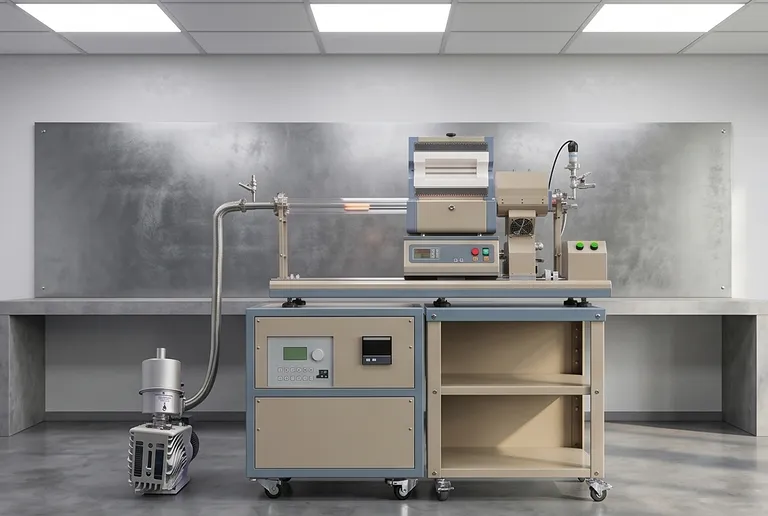
A high-precision Chemical Vapor Deposition (CVD) system is more than just a furnace. It is the control engine that dictates how materials behave when they meet.
The Architecture of the Heterojunction
The goal of this synthesis is the "heterojunction"—the contact point where two materials collaborate to move charge. Without precise control, the g-C3N4 forms thick, clumpy layers that block light and trap electrons.
With a high-precision CVD system, researchers can grow particles smaller than 10 nm. This creates a high-density theater for photocatalytic activity.
The Three Pillars of Deposition Control
- Mass Flow Dynamics: Using multi-channel Mass Flow Controllers (MFCs), the system regulates the stoichiometry of precursors. If the gas ratio drifts, the chemical identity of the composite shifts.
- Thermal Uniformity: A stable thermal field ensures that every nanotube in the array receives the same treatment. Any localized "hot spot" results in overgrowth, ruining the morphological consistency.
- Kinetics and Timing: Deposition is a race against time. Precise timing limits the growth kinetics, preventing the formation of bulk material that sacrifices surface area.
Where Engineering Meets Psychology
We often overvalue the "what" (the material) and undervalue the "how" (the system).
In the lab, there is a psychological tendency to believe that more precursor equals a better coating. The reality of CVD is the opposite: restraint is the key to performance.
| Feature | Role in Synthesis | Performance Outcome |
|---|---|---|
| MFC Regulation | Exact stoichiometric delivery | Chemical purity of g-C3N4 |
| Thermal Stability | Uniform radiant heat | Consistent crystal quality |
| Vacuum Control | Managing vapor pressure | Uniformity across complex geometries |
| Precise Timing | Growth kinetics management | Particles < 10 nm |
The Challenge of Complexity
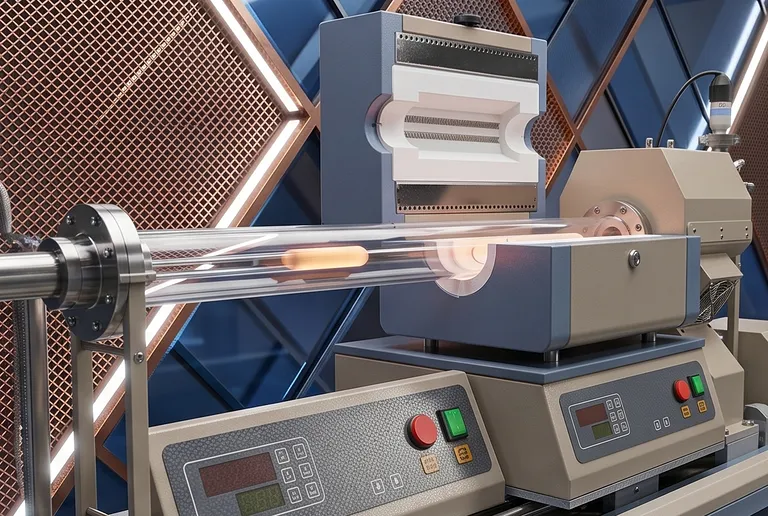
The path to high-performance materials is littered with calibration hurdles.
Maintaining the sublimation of precursors requires a delicate balance of vapor pressure and temperature. If the system's sensors deviate by even a few degrees, the deposition becomes sporadic.
Scaling this process from a laboratory tube furnace to industrial production is the ultimate engineering challenge. It requires equipment that treats thermal processing as a discipline of precision rather than a brute-force application of heat.
Designing the Future of R&D
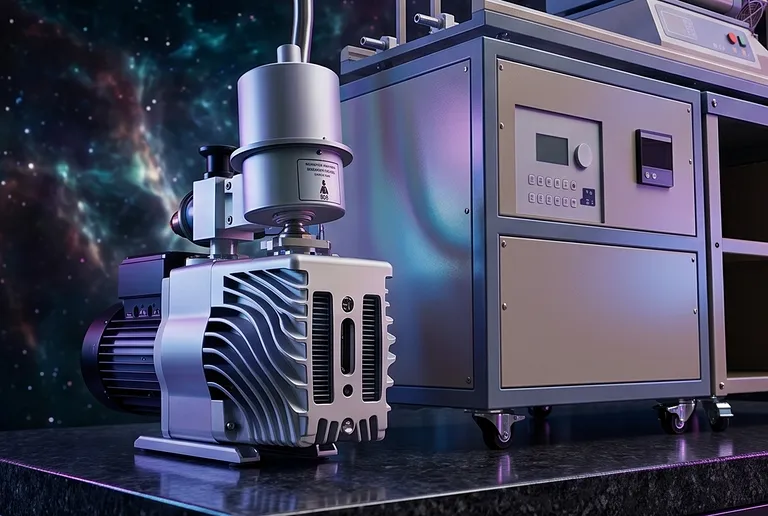
For researchers focused on photocatalytic efficiency, the focus must shift from the bulk to the interface.
- For Maximum Efficiency: Focus on the temperature ramp-up. It determines the nucleation density.
- For Reproducibility: Prioritize the sealing performance. Oxygen leaks are the enemy of consistent g-C3N4 formation.
- For Structural Integrity: Control the deposition rate to ensure the "pores" of the TiO2 nanotubes remain open for mass transfer.
At THERMUNITS, we engineer the systems that make this level of control possible. From CVD and PECVD systems to high-precision Tube and Vacuum furnaces, our equipment provides the stability required for advanced material synthesis.
To bridge the gap between material theory and industrial-grade performance, Contact Our Experts
Quick Links
Suggested Products
Radio Frequency Plasma Enhanced Chemical Vapor Deposition RF PECVD System for Laboratory and Industrial Thin Film Growth Versatile Chemical Vapor Deposition Tube Furnace System for Advanced Material Research and Industrial Coating Processes Cylindrical Resonator MPCVD Machine System for Microwave Plasma Chemical Vapor Deposition and Lab Diamond Growth Chemical Vapor Deposition CVD System Slide PECVD Tube Furnace with Liquid Gasifier PECVD Machine 915MHz MPCVD Diamond Machine Microwave Plasma Chemical Vapor Deposition System ReactorFurther Reading
The Geometry of Silence: Why Depth Demands a Chemical Solution The Low-Temperature Alchemy: Navigating the Thermal Budget with PECVD The Alchemy of Cold Fire: Decoupling Energy from Temperature in Thin Film Deposition The Choreography of Carbon: Why CVD Precision Defines the Next Era of Material Science The Architecture of Ions: Decoding the Geometry of Plasma Coupling
ThermUnits
Last updated on Apr 14, 2026
Related Products
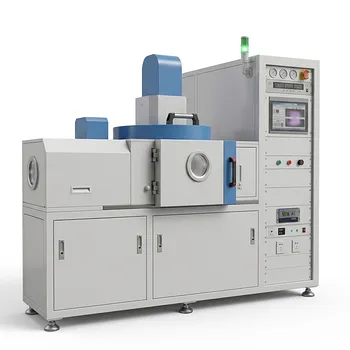
Radio Frequency Plasma Enhanced Chemical Vapor Deposition RF PECVD System for Laboratory and Industrial Thin Film Growth
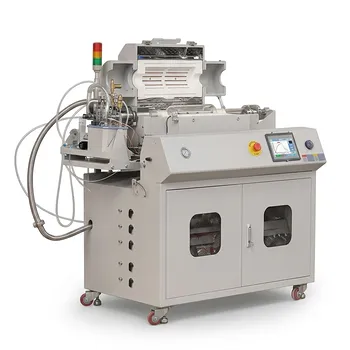
Versatile Chemical Vapor Deposition Tube Furnace System for Advanced Material Research and Industrial Coating Processes
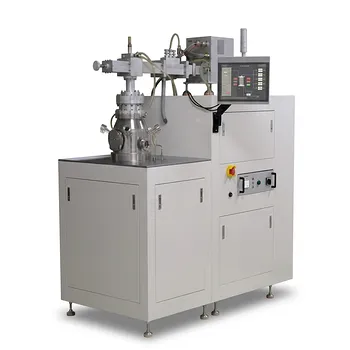
Cylindrical Resonator MPCVD Machine System for Microwave Plasma Chemical Vapor Deposition and Lab Diamond Growth
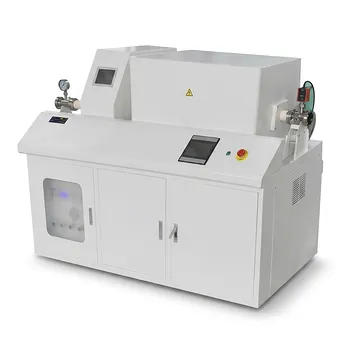
Chemical Vapor Deposition CVD System Slide PECVD Tube Furnace with Liquid Gasifier PECVD Machine
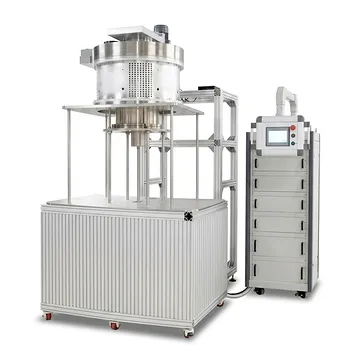
915MHz MPCVD Diamond Machine Microwave Plasma Chemical Vapor Deposition System Reactor
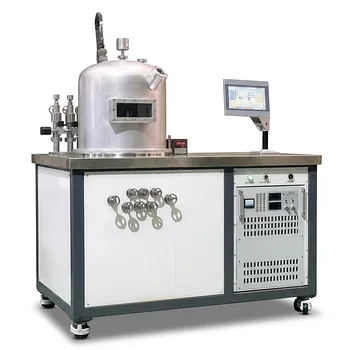
HFCVD Machine System for Nano Diamond Coating on Drawing Dies and Industrial Tools
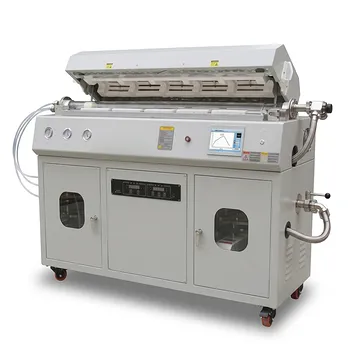
Multi Heating Zones CVD Tube Furnace System for Precision Chemical Vapor Deposition and Advanced Material Synthesis
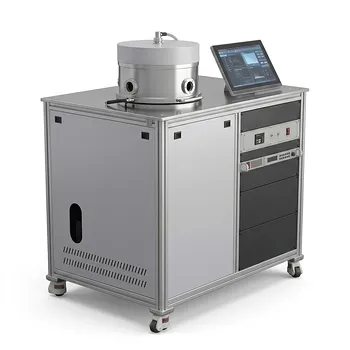
Inclined Rotary Plasma Enhanced Chemical Vapor Deposition PECVD System for Thin Film Deposition and Nanomaterial Synthesis
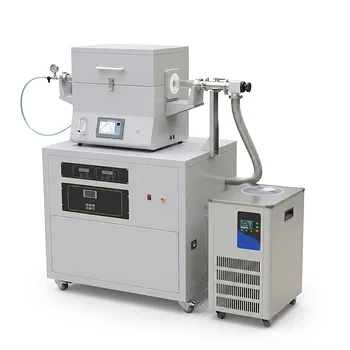
Split Chamber CVD Tube Furnace with Vacuum Station Chemical Vapor Deposition System Machine
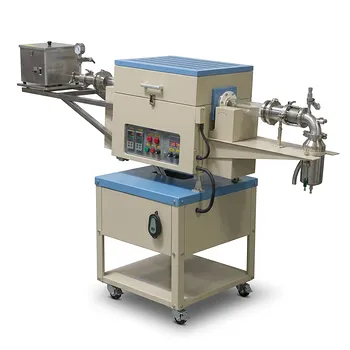
Two Zone Rotary CVD Furnace with Automatic Feeding and Receiving System for Powder Processing
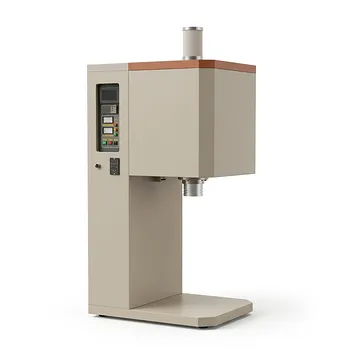
Vertical Openable Tube Furnace 0-1700c High Temperature Laboratory System for CVD and Vacuum Heat Treatment

High Temperature 1700C Tube Furnace with High Vacuum Turbomolecular Pump System and Multi Channel Mass Flow Controller Gas Mixer
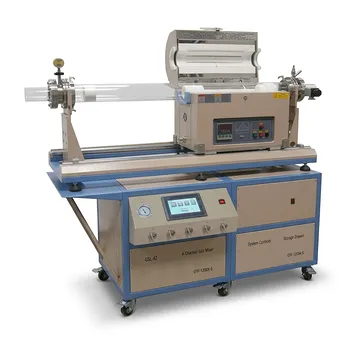
Dual Tube 100mm 80mm CVD Sliding Furnace with 4 Channel Gas Mixing and Vacuum System
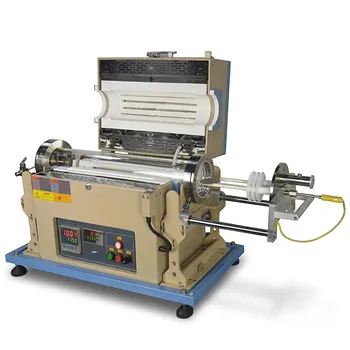
1200°C High Temperature 4 Inch Tube Furnace with Sliding Flange for CVD Systems
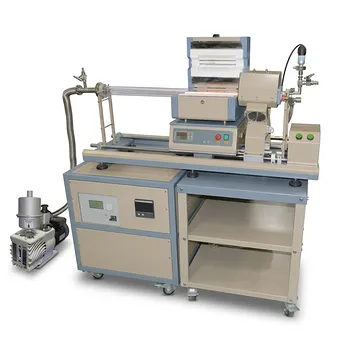
1200C Max Compact Auto-Sliding PECVD Furnace with 2 Inch Tube and Vacuum Pump
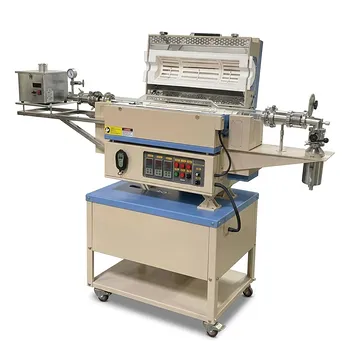
5 Inch Rotary Tube Furnace with Automatic Feeding and Receiving System 1200C Three Zone CVD Powder Processing
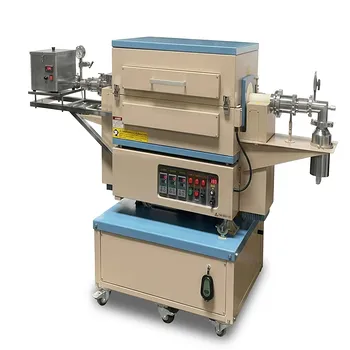
1500C 3-Zone Rotary Tube Furnace 60mm with Automatic Powder Feeding and Receiving System for Continuous Material Synthesis
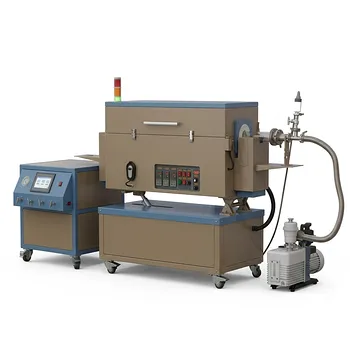
5 Inch Three Zone Rotary Tube Furnace with Integrated Gas Delivery System and 1200C Capability for Advanced Material CVD Processing
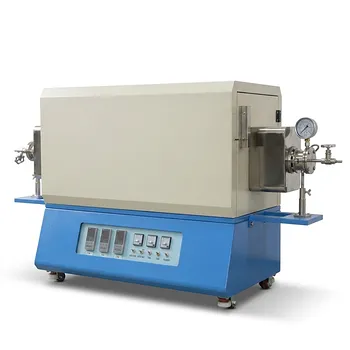
Three Temperature Zone High Temperature Vacuum Tube Furnace for CVD and Material Sintering