The Invisible Architecture: Engineering Reality from the Gas Phase
Jul 14, 2026
The Alchemy of the Modern Age
In the world of advanced materials, we often focus on the result: the flawless synthetic diamond, the atomic-level thinness of graphene, or the high-performance semiconductor.
We rarely discuss the chaos that precedes the order.
Chemical Vapor Deposition (CVD) is the art of directing that chaos. Unlike Physical Vapor Deposition (PVD), which relies on the brute force of evaporation, CVD is a subtle dance of chemical kinetics. It is the process of asking gas molecules to stop moving and start building.
To master CVD is to understand that you are not just heating a chamber; you are managing a microscopic assembly line where the workers are volatile precursors and the final product is a solid film grown atom by atom.
The Five-Step Sequence: A Molecular Ballet
The transition from a floating gas to a solid structure is not a single event. It is a systematic sequence of five distinct stages. If any stage fails, the integrity of the material collapses.
1. The Delivery
The journey begins with the introduction of precursor gases. Using mass flow controllers, we inject the "ingredients" into the reaction chamber. Consistency is the primary virtue here. If the ratio of gases fluctuates by even a fraction, the chemical stoichiometry of the film is compromised.
2. The Boundary Layer
As gases move toward the substrate, they encounter a "stagnant boundary layer." This is a quiet zone of gas just above the surface. The molecules must diffuse through this layer. Their ability to cross this gap determines the ultimate uniformity of the coating.
3. Adsorption and Reaction
Once a molecule touches the heated substrate, it "adsorbs"—it finds a place to sit. Thermal energy (or plasma) then triggers a chemical reaction. The molecular bonds break, the unwanted parts fly away, and the desired atoms settle into a solid lattice.
4. Desorption and Cleanup
Every construction site has waste. In CVD, the chemical reactions produce volatile by-products. These must desorb (detach) from the surface and be sucked away by vacuum pumps. If they stay, they become impurities that weaken the material's crystalline structure.
The Systemic Infrastructure of Precision
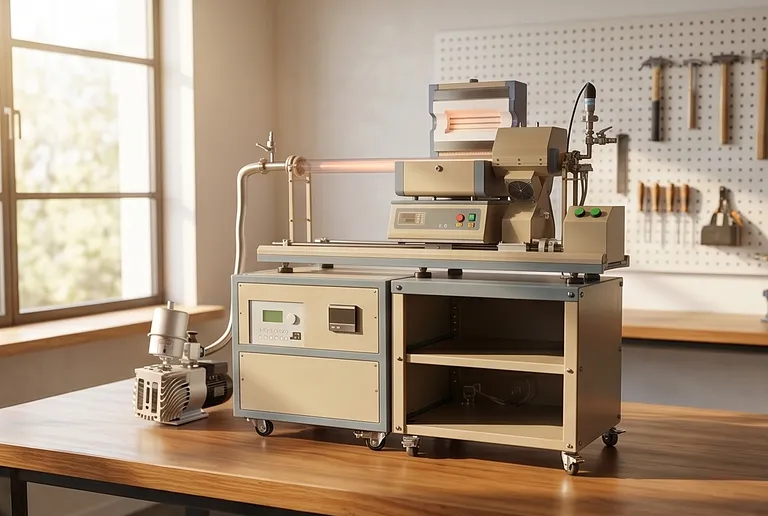
A CVD machine is essentially a life-support system for a chemical reaction. It requires three critical subsystems to operate in harmony:
| Subsystem | Function | Engineering Priority |
|---|---|---|
| Gas Delivery | Integrated MFCs and vaporizers | Surgical precision in flow rates |
| The Reactor | Controlled environment chamber | Chemical inertness and thermal stability |
| Energy Source | Resistance heating or Microwave (MPCVD) | Uniform energy distribution for bond-breaking |
| Vacuum Control | Pressure and exhaust management | Contamination prevention and by-product removal |
The Psychology of Trade-offs
In engineering, as in life, there are no solutions—only trade-offs. The CVD process is a constant negotiation between three competing forces:
- Speed vs. Quality: You can increase the precursor flow to grow a film faster, but you will likely sacrifice the "perfection" of the crystalline structure.
- Heat vs. Integrity: High temperatures are necessary to trigger reactions, but they create thermal stress. If the substrate and the film expand at different rates, the material will crack upon cooling.
- Complexity vs. Safety: The most effective precursors are often the most toxic. Managing these requires sophisticated scrubbing systems and a relentless focus on safety protocols.
Choosing the Right Path to Synthesis
The technical goal determines the system configuration. There is no "one size fits all" in the gas phase.
- For Synthetic Diamonds: Microwave Plasma CVD (MPCVD) is the gold standard. The 2.45 GHz energy creates a high-density plasma that dissociates methane and hydrogen far more efficiently than heat alone.
- For 2D Materials (Graphene): Thermal CVD systems with metallic catalysts allow for the precise "cracking" of methane to ensure single-layer growth over large areas.
- For 3D Nanostructures: Systems with high-precision gas flow regulation are required to control the alignment and density of carbon nanotubes.
Precision by Design
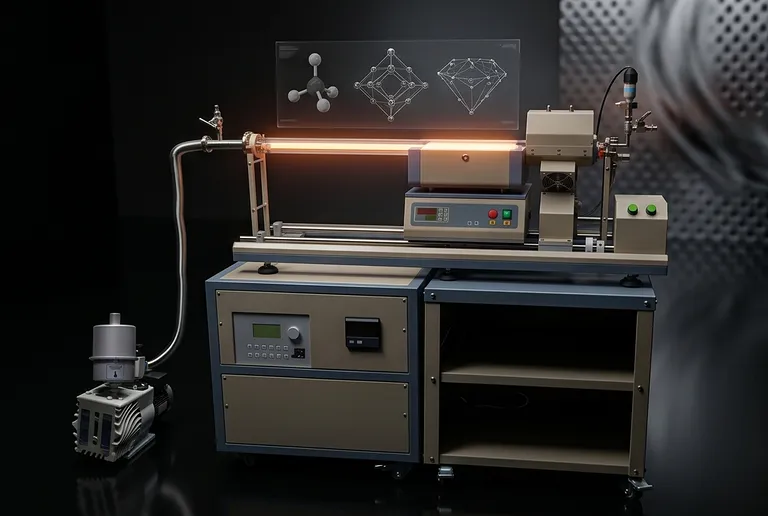
At THERMUNITS, we understand the "engineer's romance"—the desire to build something perfect from the atomic level up. We provide the thermal processing infrastructure that makes this possible.
Our range of CVD, PECVD, and MPCVD systems are designed to minimize the variables that cause failure, allowing researchers to focus on the chemistry of the future. From vacuum induction melting to specialized dental furnaces and rotary kilns, we bridge the gap between theoretical material science and industrial reality.
To optimize your deposition environment or discuss the thermal requirements of your next breakthrough, Contact Our Experts
Quick Links
Suggested Products
Radio Frequency Plasma Enhanced Chemical Vapor Deposition RF PECVD System for Laboratory and Industrial Thin Film Growth Versatile Chemical Vapor Deposition Tube Furnace System for Advanced Material Research and Industrial Coating Processes Cylindrical Resonator MPCVD Machine System for Microwave Plasma Chemical Vapor Deposition and Lab Diamond Growth Chemical Vapor Deposition CVD System Slide PECVD Tube Furnace with Liquid Gasifier PECVD Machine 915MHz MPCVD Diamond Machine Microwave Plasma Chemical Vapor Deposition System ReactorFurther Reading
The Geometry of Silence: Why Depth Demands a Chemical Solution The Low-Temperature Alchemy: Navigating the Thermal Budget with PECVD The Alchemy of Cold Fire: Decoupling Energy from Temperature in Thin Film Deposition The Choreography of Carbon: Why CVD Precision Defines the Next Era of Material Science The Architecture of Ions: Decoding the Geometry of Plasma Coupling
ThermUnits
Last updated on Apr 14, 2026
Related Products
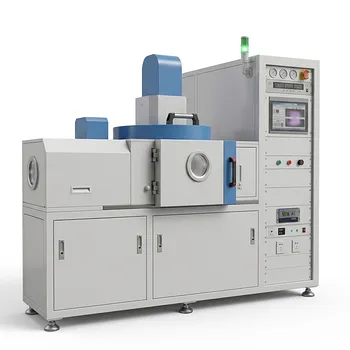
Radio Frequency Plasma Enhanced Chemical Vapor Deposition RF PECVD System for Laboratory and Industrial Thin Film Growth
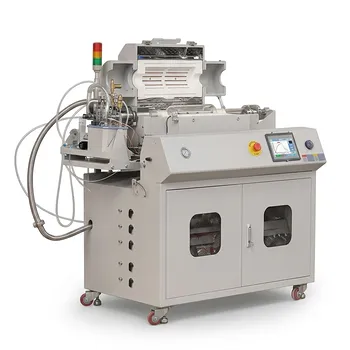
Versatile Chemical Vapor Deposition Tube Furnace System for Advanced Material Research and Industrial Coating Processes
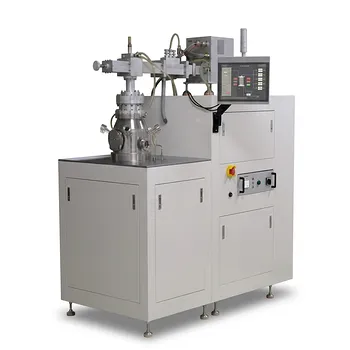
Cylindrical Resonator MPCVD Machine System for Microwave Plasma Chemical Vapor Deposition and Lab Diamond Growth
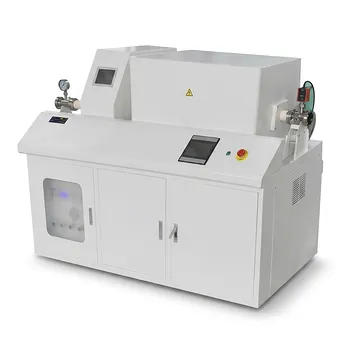
Chemical Vapor Deposition CVD System Slide PECVD Tube Furnace with Liquid Gasifier PECVD Machine
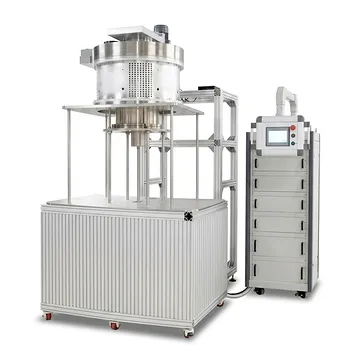
915MHz MPCVD Diamond Machine Microwave Plasma Chemical Vapor Deposition System Reactor
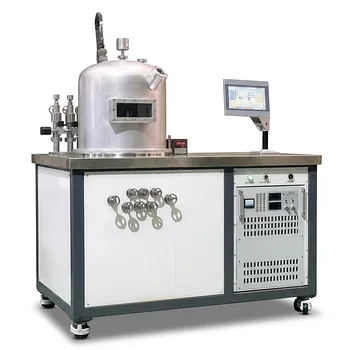
HFCVD Machine System for Nano Diamond Coating on Drawing Dies and Industrial Tools
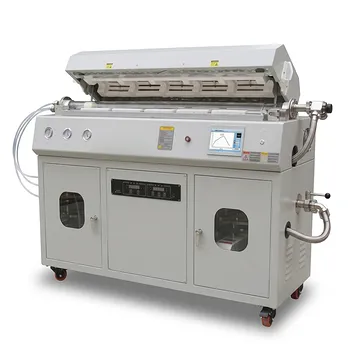
Multi Heating Zones CVD Tube Furnace System for Precision Chemical Vapor Deposition and Advanced Material Synthesis
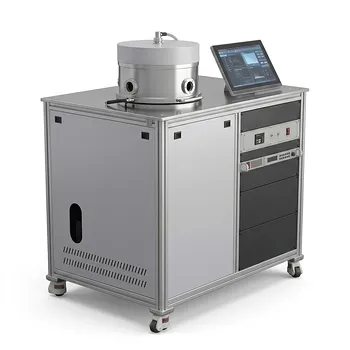
Inclined Rotary Plasma Enhanced Chemical Vapor Deposition PECVD System for Thin Film Deposition and Nanomaterial Synthesis
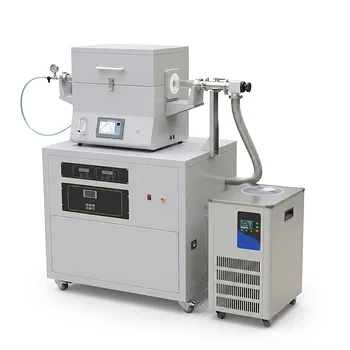
Split Chamber CVD Tube Furnace with Vacuum Station Chemical Vapor Deposition System Machine
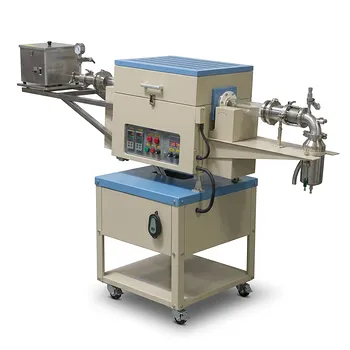
Two Zone Rotary CVD Furnace with Automatic Feeding and Receiving System for Powder Processing
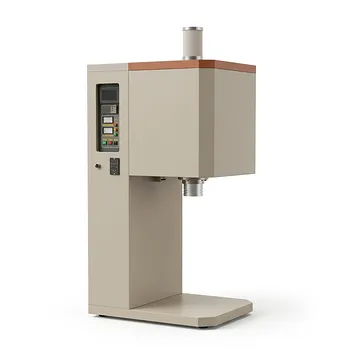
Vertical Openable Tube Furnace 0-1700c High Temperature Laboratory System for CVD and Vacuum Heat Treatment

High Temperature 1700C Tube Furnace with High Vacuum Turbomolecular Pump System and Multi Channel Mass Flow Controller Gas Mixer
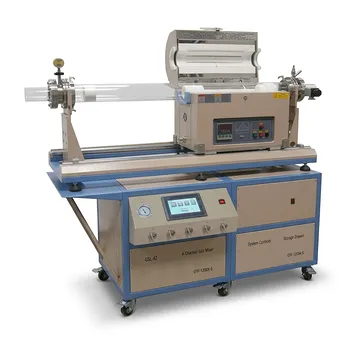
Dual Tube 100mm 80mm CVD Sliding Furnace with 4 Channel Gas Mixing and Vacuum System
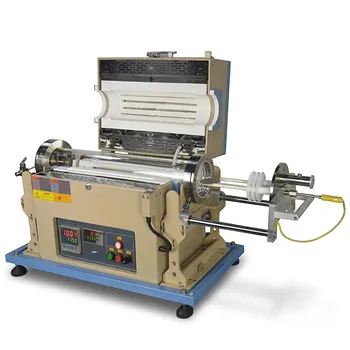
1200°C High Temperature 4 Inch Tube Furnace with Sliding Flange for CVD Systems
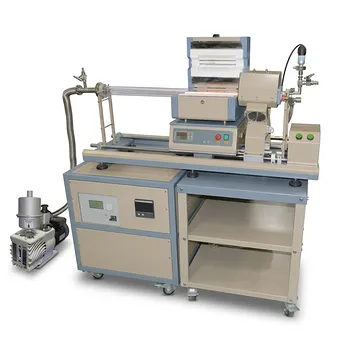
1200C Max Compact Auto-Sliding PECVD Furnace with 2 Inch Tube and Vacuum Pump
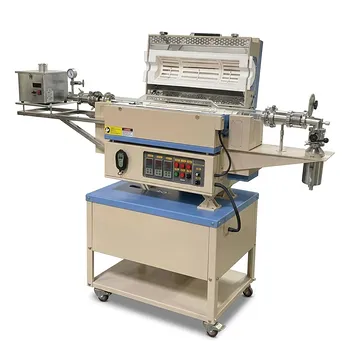
5 Inch Rotary Tube Furnace with Automatic Feeding and Receiving System 1200C Three Zone CVD Powder Processing
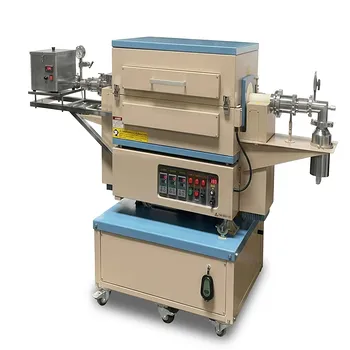
1500C 3-Zone Rotary Tube Furnace 60mm with Automatic Powder Feeding and Receiving System for Continuous Material Synthesis

5 Inch Three Zone Rotary Tube Furnace with Integrated Gas Delivery System and 1200C Capability for Advanced Material CVD Processing
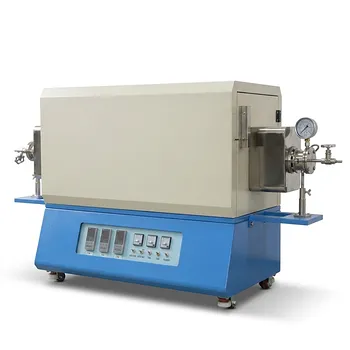
Three Temperature Zone High Temperature Vacuum Tube Furnace for CVD and Material Sintering