How do a mechanical pump and vacuum system ensure process repeatability in the synthesis of 2D materials? Achieve Stability
Updated 3 months ago
Precision synthesis of 2D materials relies on environmental isolation and kinetic stability. A mechanical pump and vacuum system ensure repeatability by first removing atmospheric contaminants that cause unintended chemical reactions and then maintaining a precise, stable pressure environment during growth. This dual-phase control ensures that the chemical composition and physical transport of reactants remain identical across every experimental batch.
The Core Takeaway: Vacuum systems achieve process repeatability by eliminating reactive impurities like oxygen and moisture and by stabilizing the precursor evaporation rates through meticulous pressure regulation.
Eliminating Chemical Interference
Removing Residual Contaminants
The primary role of the mechanical pump is to evacuate the furnace to a low base pressure, often reaching 10 Pa. This step is critical for excluding residual oxygen and water vapor from the reaction chamber.
Preventing Precursor Oxidation
Transition metal precursors are highly sensitive to oxygen at the high temperatures required for synthesis. By removing these species, the vacuum system prevents unintended oxidation, ensuring the chemical integrity of the starting materials.
Creating a Pure Growth Atmosphere
Once the chamber is evacuated, it is typically backfilled with high-purity inert gases. This process creates a pristine environment that ensures the product quality remains consistent regardless of external ambient conditions.
Stabilizing the Physical Growth Environment
Regulating the Mean Free Path
The vacuum system, often working with pressure control valves, maintains a specific set point, such as 710 Torr, during the actual growth phase. This stability is essential because pressure directly dictates the mean free path of reactant molecules as they travel toward the substrate.
Controlling Evaporation Rates
Stable pressure environments effectively regulate the evaporation rate of precursors. If the pressure fluctuates, the rate at which molecules leave the source material changes, leading to inconsistent thickness and quality in the resulting 2D layers.
Maintaining Precursor Concentration
To grow large-area monolayer materials like Molybdenum Disulfide (MoS2), a constant precursor concentration field is required. The vacuum system ensures that this concentration remains uniform, which significantly reduces morphological variations between different batches.
Understanding the Trade-offs and Pitfalls
The Risk of Pump Backstreaming
Mechanical pumps, particularly oil-sealed versions, can occasionally allow oil vapor to backstream into the furnace. This introduces hydrocarbons that can contaminate the 2D crystal lattice and ruin the electronic properties of the material.
Balancing Pumping Speed and Turbulence
High pumping speeds help reach base pressure quickly but can create gas phase turbulence during the growth phase. This turbulence can disrupt the laminar flow of precursors, leading to non-uniform growth across the substrate.
System Leakage and Detection
Even the most powerful pump cannot compensate for a microscopic leak in the vacuum seals. Leak rates must be monitored constantly, as even trace amounts of air ingress during a long growth cycle will compromise the repeatability of the synthesis.
Optimizing Your Vacuum Strategy for 2D Synthesis
To achieve the highest level of repeatability in your synthesis process, the vacuum system must be integrated into a broader control logic.
- If your primary focus is material purity: Prioritize a deep initial evacuation to at least 10 Pa and use high-grade traps to prevent pump oil backstreaming.
- If your primary focus is large-area uniformity: Invest in high-precision pressure control valves to maintain a rock-steady background pressure during the entire deposition window.
- If your primary focus is batch-to-batch consistency: Implement automated purging and backfilling cycles to ensure the starting atmosphere is identical every time the furnace is loaded.
Mastering the vacuum environment transforms 2D material synthesis from an unpredictable art into a repeatable, high-precision scientific process.
Summary Table:
| Vacuum Function | Role in 2D Synthesis | Impact on Repeatability |
|---|---|---|
| Initial Evacuation | Reaches ~10 Pa to remove O2/H2O | Prevents unintended oxidation and impurity defects |
| Pressure Regulation | Stabilizes Mean Free Path of molecules | Ensures consistent precursor transport and thickness |
| Evaporation Control | Maintains steady precursor concentration | Reduces morphological variations across batches |
| Inert Backfilling | Creates a pristine growth environment | Isolates the process from ambient atmospheric changes |
Optimize Your Material Research with THERMUNITS
Precision in 2D material synthesis demands the highest standards of thermal and atmospheric control. THERMUNITS is a leading manufacturer of high-temperature laboratory equipment, providing the specialized tools needed to transform unpredictable experiments into repeatable, high-quality results. Our comprehensive range of thermal processing solutions—including CVD/PECVD systems, Vacuum Tube Furnaces, Atmosphere Furnaces, and Hot Press systems—is engineered specifically for the rigorous demands of material science and industrial R&D.
Why Partner with THERMUNITS?
- Superior Environmental Control: Our systems are designed to eliminate contaminants and maintain rock-steady pressure setpoints for uniform growth.
- Versatile Solutions: From Muffle and Dental Furnaces to Vacuum Induction Melting (VIM) and Electric Rotary Kilns, we cover every heat treatment need.
- Expert Engineering: We support researchers in achieving large-area monolayer consistency through advanced thermal elements and automated control logic.
Don't let process instability hinder your innovation. Contact THERMUNITS today to find the ideal vacuum furnace or CVD system for your laboratory and experience the difference that professional-grade thermal equipment makes.
References
- Weihu Kong, Jie Ma. Excitonic Evolution in WS2/MoS2 van der Waals Heterostructures Turned by Out-of-Plane Localized Pressure. DOI: 10.3390/app14052179
Mentioned Products
- High Temperature Vertical Atmosphere Controlled Furnace 1700C Automatic Bottom Loading 13 Liter Vacuum Thermal System
- Compact Split Tube Furnace with Integrated Vacuum System and Precision Temperature Calibrator
- Induction Heating System with Temperature Control for High Temperature Vacuum Sintering and Melting
- 500C Vacuum Vertical Tube Furnace 84mm OD Sample Rotation Lifting System
- Industrial High Temperature Vacuum Hot Press Furnace and Heated Vacuum Press Machine for Material Science Sintering
People Also Ask
- What are the advantages of using a Bottom-Loading High-Temperature Furnace in Barium Titanate Fast Firing? Superior Microstructure
- In what ways does an atmosphere control system affect nanoporous gold structure? Control Oxygen for Precision Design.
- Why must carbothermic reduction of spent Li-battery powders be in an atmosphere furnace? Ensure High-Yield Recovery
- What are the primary technical advantages of atmosphere furnaces compared to vacuum furnaces? Optimize High-Volume Production
- How does an atmosphere furnace improve the quality of powder metallurgy components? Achieve High-Density Sintering.

Tech Team · ThermUnits
Last updated on Jun 03, 2026
Related Products
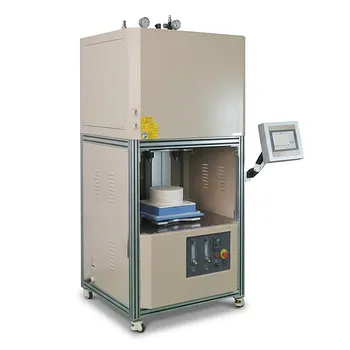
High Temperature Vertical Atmosphere Controlled Furnace 1700C Automatic Bottom Loading 13 Liter Vacuum Thermal System
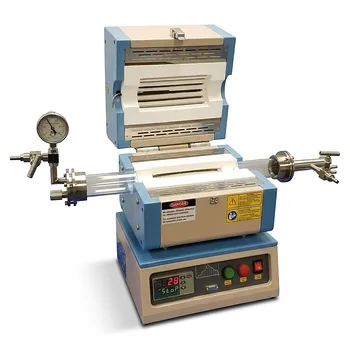
Compact Split Tube Furnace with Integrated Vacuum System and Precision Temperature Calibrator
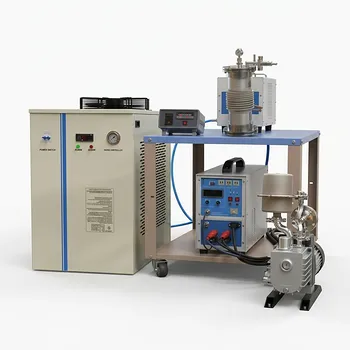
Induction Heating System with Temperature Control for High Temperature Vacuum Sintering and Melting
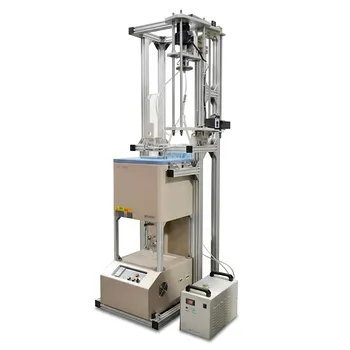
500C Vacuum Vertical Tube Furnace 84mm OD Sample Rotation Lifting System
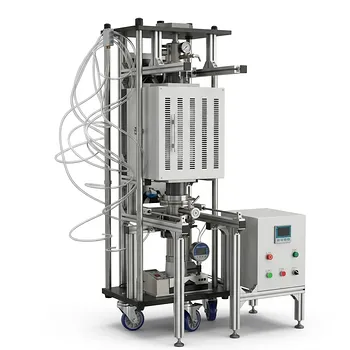
Industrial High Temperature Vacuum Hot Press Furnace and Heated Vacuum Press Machine for Material Science Sintering
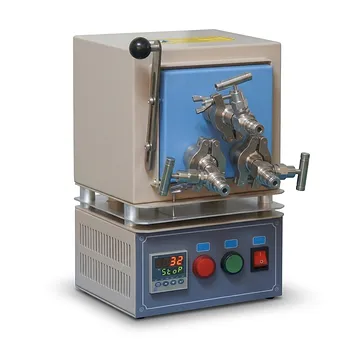
Triple Tube Compact Hybrid Muffle Furnace 1000C High Vacuum Thermal Processing System
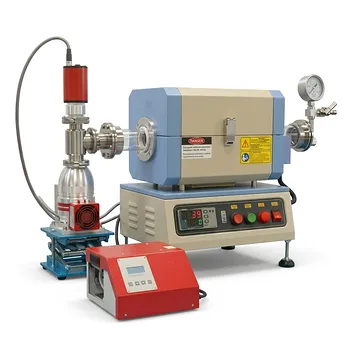
High Vacuum Compact Tube Furnace 1200C with Integrated Turbo Pump System and 8 Inch Heating Zone
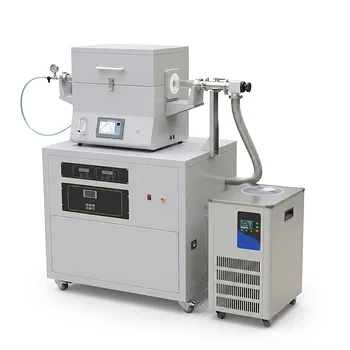
Split Chamber CVD Tube Furnace with Vacuum Station Chemical Vapor Deposition System Machine
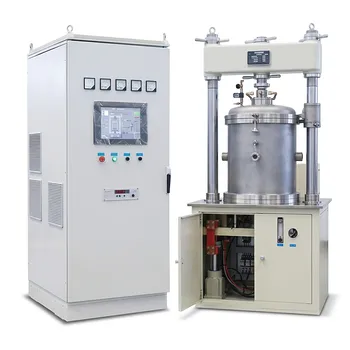
Industrial Vacuum Hot Press Furnace Machine and High Temperature Heated Vacuum Press for Advanced Material Sintering
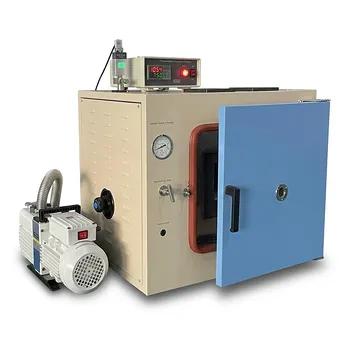
Compact High Vacuum Box Furnace 1050C Max 6.2L Ceramic Chamber Stainless Steel Shell Programmable Temperature Controller for Material Science Research
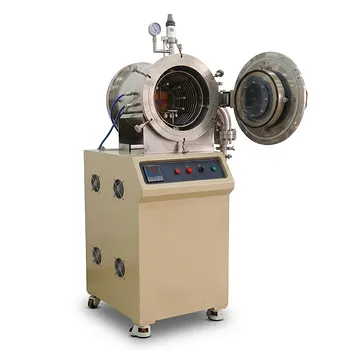
High Temperature Cold Wall High Vacuum Chamber Furnace 1400C for Advanced Material Processing
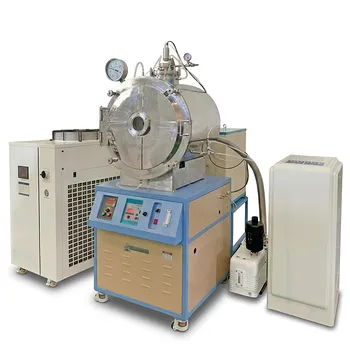
Ultra High Temperature Induction Heated Vacuum Furnace with Molten Salt Electrolysis Capability and 3000 Degree Precision Control
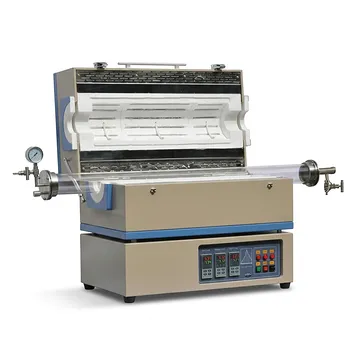
24 Inch Three Zone Split Tube Furnace with Optional Quartz Tube and Vacuum Flange System for High Temperature Material Synthesis
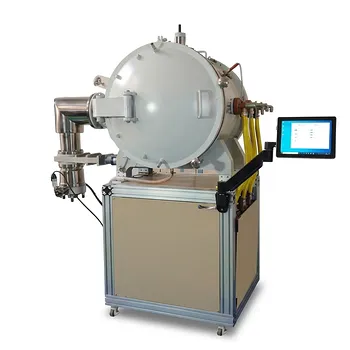
High Temperature Cold Wall Vacuum Furnace for Advanced Material Sintering and Annealing 1600C Heating Area 200x200x300mm
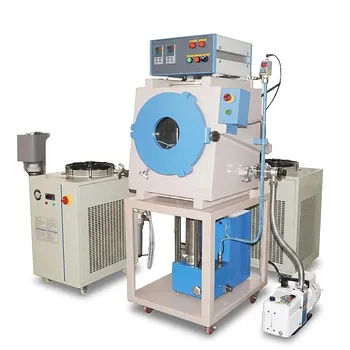
High Temperature Vacuum Lamination Hot Press Furnace Machine for Semiconductor Wafer Bonding and Advanced Composite Thermal Processing
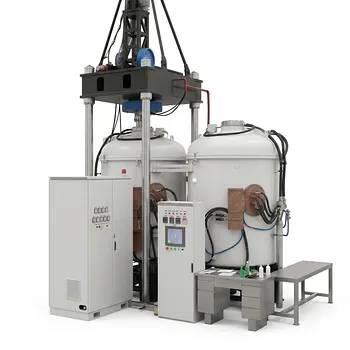
High Pressure 600T Vacuum Induction Hot Press Furnace for Advanced Material Heat Treatment and Sintering
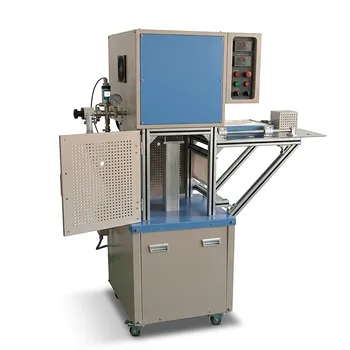
Bottom Loading Vacuum Furnace 1200C Rapid Cooling Atmosphere Control Quartz Chamber
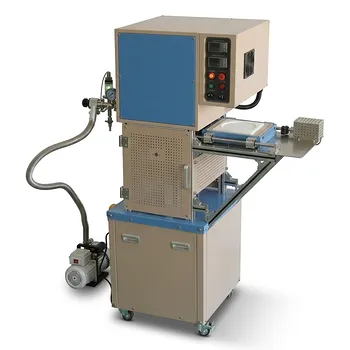
1200°C Bottom Loading Vacuum Furnace with Rapid Gas Cooling and 8.6 Inch Diameter Quartz Chamber
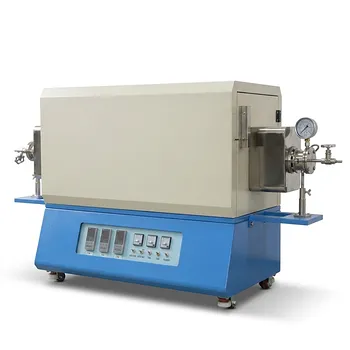
Three Temperature Zone High Temperature Vacuum Tube Furnace for CVD and Material Sintering
