How does a CVD system facilitate TiO2/carbon nanostructure double-layer coatings? Master Catalyst-Free Growth.
Updated 3 months ago
A Chemical Vapor Deposition (CVD) system facilitates the preparation of TiO2/carbon coatings by acting as a high-precision reactor for catalyst-free growth. By strictly controlling the flow ratio of precursor gases—such as acetylene—and carrier gases like argon at specific temperatures (typically 650°C), the system induces the thermal decomposition of carbon atoms. These atoms then utilize the peaks of pre-formed Titanium Dioxide (TiO2) nanotubes as nucleation sites to form uniform layers of carbon nanotubes or nanosheets.
The CVD system provides the essential thermal and chemical environment required to transform gaseous precursors into solid carbon nanostructures directly onto a TiO2 template. This process eliminates the need for external metal catalysts, resulting in a high-purity, double-layer coating with superior wear resistance.
Precise Control of the Reaction Environment
Regulating Thermal Energy for Decomposition
The CVD system maintains a stable deposition temperature, often calibrated to 650°C, to provide the energy necessary for breaking molecular bonds in the precursor gas. This precise thermal field ensures that acetylene decomposes at a predictable rate, preventing the formation of amorphous carbon "soot."
Management of Gas Chemistry and Flow
Using high-precision mass flow controllers, the system regulates the exact concentration and ratio of precursor and carrier gases. This balance is critical to ensuring that the carbon supply is sufficient for growth without overwhelming the TiO2 substrate, which would lead to non-uniform film thickness.
Establishing a Controlled Atmosphere
The system utilizes vacuum pump systems and inert gases like argon to create a controlled environment free of oxygen. This prevents the unintended oxidation of the carbon nanostructures and ensures the chemical integrity of the TiO2/carbon interface.
The Mechanism of Double-Layer Formation
Utilizing TiO2 as a Growth Template
In this specific application, the CVD system leverages the physical geometry of TiO2 nanotubes. The "peaks" or high-energy points of these nanotubes serve as nucleation sites, allowing carbon nanostructures to anchor and grow directly from the surface.
Facilitating Catalyst-Free Synthesis
Unlike traditional methods that require metal catalysts (like iron or nickel) to sprout carbon nanotubes, the CVD process on TiO2 is catalyst-free. This is facilitated by the system's ability to maintain the specific pressure and temperature conditions where the TiO2 surface itself promotes carbon crystallization.
Achieving Atomic-Level Uniformity
The stable flow fields within the CVD chamber ensure that gas-phase precursors reach every part of the substrate equally. This results in a highly uniform double-layer coating, which is essential for consistent performance in applications like medical implants or mechanical components.
Understanding the Trade-offs
Temperature Sensitivity of the Substrate
While high temperatures are required for carbon growth, excessive heat can cause the TiO2 nanotubes to undergo phase transformations or structural collapse. Balancing the decomposition temperature of the carbon source with the thermal stability of the titanium oxide is a primary challenge.
Gas Ratio Complexity
Small fluctuations in the acetylene-to-argon ratio can drastically change the morphology of the coating. An incorrect ratio may lead to a transition from organized carbon nanosheets to disordered carbon layers, which reduces the coating's effectiveness in improving wear resistance.
System Throughput and Scaling
Achieving high-quality, wafer-level or large-area uniformity requires sophisticated equipment that can be expensive to operate. Maintaining a perfectly uniform thermal field across larger substrates becomes increasingly difficult as the reaction chamber size increases.
How to Apply This to Your Project
Making the Right Choice for Your Goal
To successfully prepare TiO2/carbon nanostructure double-layer coatings, your approach should be dictated by the intended application of the material.
- If your primary focus is improving mechanical wear resistance: Prioritize the CVD system's ability to produce carbon nanotubes with high structural integrity through slow, controlled cooling rates.
- If your primary focus is enhancing biological cell adhesion: Optimize the system to produce carbon nanosheets, as their specific morphology has shown significant potential for improving the bio-interface of titanium-based implants.
- If your primary focus is maximizing coating purity: Utilize the catalyst-free growth capabilities of the CVD system to ensure no residual metal particles interfere with the chemical properties of the TiO2/carbon layers.
By mastering the precise interplay between gas flow, temperature, and substrate geometry, a CVD system transforms simple titanium surfaces into advanced, multi-functional nanostructured coatings.
Summary Table:
| Feature | CVD Optimization | Benefit to Coating |
|---|---|---|
| Temperature Control | Precise 650°C Thermal Field | Prevents amorphous carbon/soot formation |
| Gas Management | Mass Flow Controlled Acetylene | Ensures uniform carbon nanostructure growth |
| Atmosphere | Vacuum & Argon Shielding | Prevents oxidation; ensures chemical integrity |
| Growth Mechanism | Catalyst-Free Nucleation | High-purity layers without metal contaminants |
| Substrate Interaction | TiO2 Nanotube Templates | Provides specific sites for atomic anchoring |
Elevate Your Material Research with THERMUNITS
As a global leader in high-temperature laboratory equipment, THERMUNITS provides state-of-the-art CVD/PECVD systems specifically engineered for the rigors of material science and industrial R&D. Our systems offer the stability and precision required to produce high-performance TiO2/carbon nanostructure coatings, ensuring superior wear resistance and purity for your most demanding projects.
From Muffle, Vacuum, and Tube furnaces to specialized Electric Rotary Kilns and Vacuum Induction Melting (VIM) furnaces, we deliver comprehensive thermal processing solutions tailored to your unique research goals.
Transform your laboratory efficiency today! Contact our technical experts for a customized solution
References
- Tsanka Dikova, Neli Mintcheva. Morphology and Structure of TiO2 Nanotube/Carbon Nanostructure Coatings on Titanium Surfaces for Potential Biomedical Application. DOI: 10.3390/ma17061290
Mentioned Products
- Chemical Vapor Deposition CVD System Slide PECVD Tube Furnace with Liquid Gasifier PECVD Machine
- Versatile Chemical Vapor Deposition Tube Furnace System for Advanced Material Research and Industrial Coating Processes
- Radio Frequency Plasma Enhanced Chemical Vapor Deposition RF PECVD System for Laboratory and Industrial Thin Film Growth
- Inclined Rotary Plasma Enhanced Chemical Vapor Deposition PECVD System for Thin Film Deposition and Nanomaterial Synthesis
- 915MHz MPCVD Diamond Machine Microwave Plasma Chemical Vapor Deposition System Reactor
People Also Ask
- What are the advantages of PECVD systems for nano flame retardant films? Protect Heat-Sensitive Polymers with Precision
- How does a sliding rail design benefit the CVD process within a furnace ventilation hood? Enhance Control & Quenching
- What is the role of CVD/PECVD systems in the research of optoelectronic materials and functional coatings? Expert Guide
- How does PECVD differ from conventional thermal CVD? Key Advantages of Low-Temperature Deposition for R&D
- What role do by-product desorption and evacuation play in CVD film quality? Key Factors for High-Purity Films

Tech Team · ThermUnits
Last updated on Jun 03, 2026
Related Products
Chemical Vapor Deposition CVD System Slide PECVD Tube Furnace with Liquid Gasifier PECVD Machine
Versatile Chemical Vapor Deposition Tube Furnace System for Advanced Material Research and Industrial Coating Processes
Radio Frequency Plasma Enhanced Chemical Vapor Deposition RF PECVD System for Laboratory and Industrial Thin Film Growth
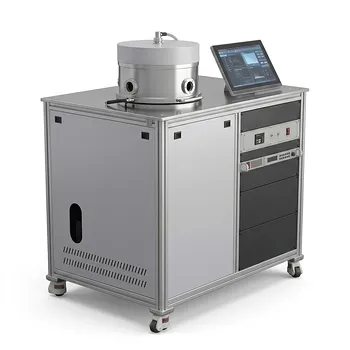
Inclined Rotary Plasma Enhanced Chemical Vapor Deposition PECVD System for Thin Film Deposition and Nanomaterial Synthesis
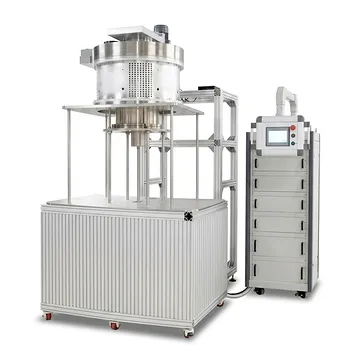
915MHz MPCVD Diamond Machine Microwave Plasma Chemical Vapor Deposition System Reactor
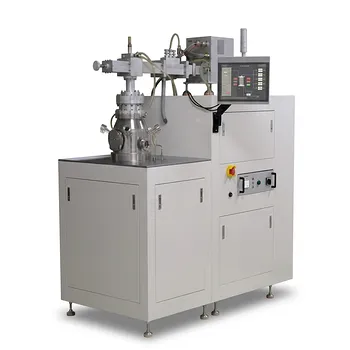
Cylindrical Resonator MPCVD Machine System for Microwave Plasma Chemical Vapor Deposition and Lab Diamond Growth
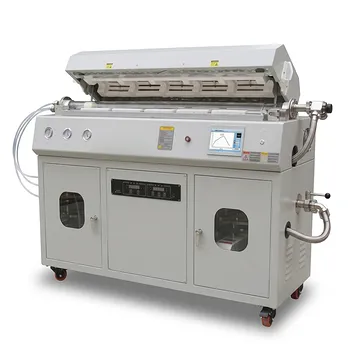
Multi Heating Zones CVD Tube Furnace System for Precision Chemical Vapor Deposition and Advanced Material Synthesis
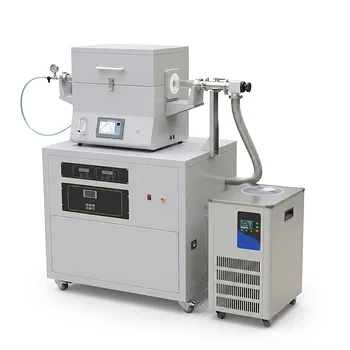
Split Chamber CVD Tube Furnace with Vacuum Station Chemical Vapor Deposition System Machine
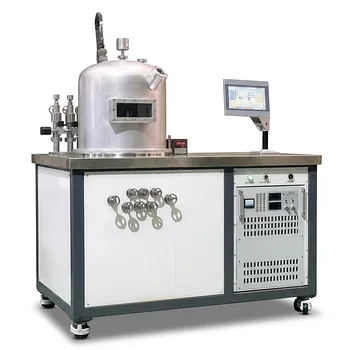
HFCVD Machine System for Nano Diamond Coating on Drawing Dies and Industrial Tools
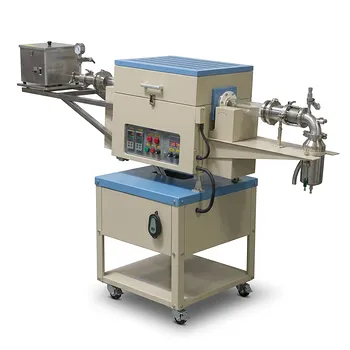
Two Zone Rotary CVD Furnace with Automatic Feeding and Receiving System for Powder Processing
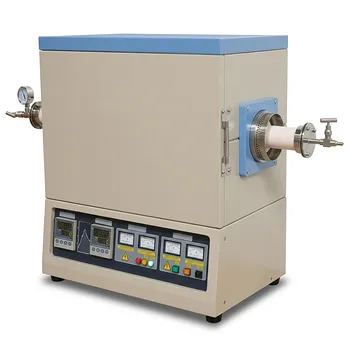
High Temperature 1700C Dual Zone Tube Furnace for Material Science and Industrial Chemical Vapor Deposition Research
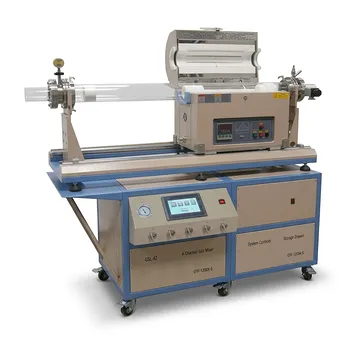
Dual Tube 100mm 80mm CVD Sliding Furnace with 4 Channel Gas Mixing and Vacuum System
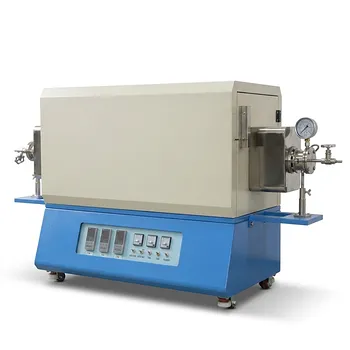
Three Temperature Zone High Temperature Vacuum Tube Furnace for CVD and Material Sintering
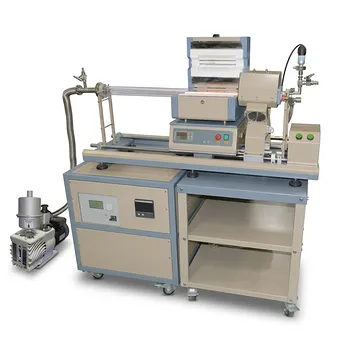
1200C Max Compact Auto-Sliding PECVD Furnace with 2 Inch Tube and Vacuum Pump
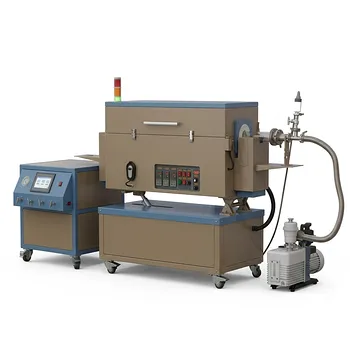
5 Inch Three Zone Rotary Tube Furnace with Integrated Gas Delivery System and 1200C Capability for Advanced Material CVD Processing

High Temperature 1700C Tube Furnace with High Vacuum Turbomolecular Pump System and Multi Channel Mass Flow Controller Gas Mixer
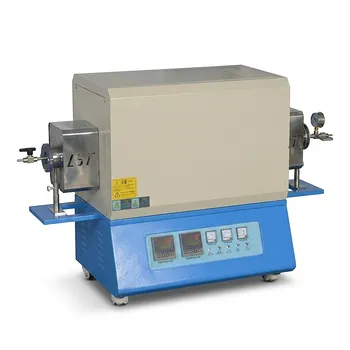
High Temperature Dual Zone Vacuum Tube Furnace for Material Research and CVD Processing
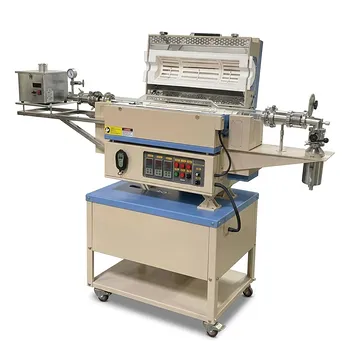
5 Inch Rotary Tube Furnace with Automatic Feeding and Receiving System 1200C Three Zone CVD Powder Processing
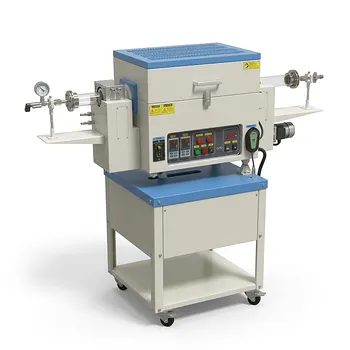
4 Inch Two Zone Rotary CVD Tube Furnace for High Temperature Battery Material Synthesis and Advanced Material Calcination