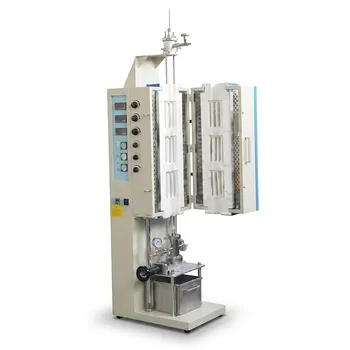
How does a high-precision tube furnace enable preparation of SiO2 and SiO2/C? Advanced Atmospheric Control.
Updated 3 months ago
A high-precision tube furnace serves as a programmable chemical reactor that dictates the final composition of biological precursors by strictly controlling the thermal environment and gas atmosphere. By calcining biomass at 800 °C in an ambient air atmosphere, the furnace ensures the complete oxidation of carbon into CO2, leaving pure silica (SiO2) nanoparticles. Conversely, switching to an inert nitrogen (N2) atmosphere at the same temperature inhibits oxidation, allowing carbon to carbonize and coat the silica to form SiO2/C nanocomposites in a single step.
The core capability of a high-precision tube furnace lies in its ability to switch between oxidizing and inert environments while maintaining stable temperatures. This control determines whether the carbon within a biological precursor is eliminated as a gas or retained as a functional structural coating.
The Role of Atmospheric Control in Chemical Direction
Selective Oxidation via Ambient Air
When the furnace is set to an ambient air atmosphere, it provides the oxygen necessary for combustion. At 800 °C, the carbonaceous components of the biomass react fully with oxygen, transforming into carbon dioxide gas.
This process effectively "cleans" the precursor, leaving behind a high-purity inorganic silica framework. The precision of the furnace ensures that this oxidation is uniform, preventing localized hotspots that could cause nanoparticle sintering or agglomeration.
Inert Carbonization for Nanocomposite Formation
By replacing air with high-purity nitrogen (N2), the furnace creates an oxygen-free environment. Without oxygen, the carbon components cannot combust; instead, they undergo pyrolysis and carbonization.
Under these conditions, the carbon remains in the solid phase, forming a thin, conductive coating over the emerging silica structure. This results in a SiO2/C nanocomposite, a material highly valued for its mechanical stability and electrochemical properties.
Sealing Integrity and Atmosphere Purity
The "high-precision" designation of these furnaces often refers to their superior sealing performance. High-quality vacuum seals and gas delivery systems prevent oxygen leakage during inert processing.
Even trace amounts of oxygen can lead to partial carbon loss, which would compromise the desired carbon-to-silica ratio in the final composite. Strict atmosphere control is therefore essential for achieving reproducible material characteristics.
Precision Thermal Management and Material Integrity
Regulating Temperature Distribution
Biological precursors are often sensitive to thermal gradients, which can lead to non-uniform material properties. High-precision furnaces provide a stable deposition zone with minimal temperature fluctuations.
This spatial uniformity ensures that every part of the precursor experiences the same 800 °C environment. This results in consistent particle sizes and uniform carbon distribution across the entire batch of silica or silica/carbon.
Managing Programmed Temperature Ramps
The transition from raw biomass to nanomaterial often requires a controlled heating rate, such as 10 °C/min. Rapid, uncontrolled heating can cause structural collapse or unwanted side reactions.
The furnace's ability to follow a precise temperature curve allows for steady dehydration and degassing before the final calcination or carbonization temperature is reached. This preserves the delicate nanoporous structures inherited from the biological precursor.
Facilitating Phase Transformations
Beyond simple carbon removal, precise temperatures are required to ensure the silica reaches the desired crystal structure or morphology. Whether the goal is amorphous silica or a specific crystalline phase, the furnace's ability to maintain a set point for extended periods is critical.
High-precision control allows researchers to fine-tune these phases, which directly impacts the material's surface area and reactivity.
Understanding the Trade-offs
Equipment Complexity and Cost
High-precision tube furnaces require sophisticated controllers, high-quality quartz or ceramic tubes, and advanced gas handling systems. These features significantly increase the initial capital investment and maintenance costs compared to standard muffle furnaces.
Batch Size and Scalability
Tube furnaces are inherently designed for small to medium-scale batches. While they provide excellent control for laboratory-grade research, scaling these precise conditions to industrial volumes requires significant engineering to maintain the same level of atmospheric and thermal uniformity.
Precursor Sensitivity
The success of the synthesis is highly dependent on the purity of the biological precursor. Trace minerals or moisture within the biomass can react with the furnace tube or interfere with the carbonization process, potentially leading to contamination or equipment damage over time.
How to Apply This to Your Project
When utilizing a high-precision tube furnace for biomass transformation, your operational settings must align with your desired material outcome.
- If your primary focus is High-Purity Silica (SiO2): Use an ambient air atmosphere at 800 °C to ensure the total removal of all organic carbon components.
- If your primary focus is SiO2/C Nanocomposites: Utilize a high-purity nitrogen or argon atmosphere to facilitate in-situ carbonization and coating of the silica.
- If your primary focus is Structural Uniformity: Implement a slow, programmed temperature ramp (e.g., 5-10 °C/min) to prevent the structural degradation of the nanoporous framework.
Mastering the synergy between atmosphere and temperature allows for the precise engineering of sustainable materials from biological waste.
Summary Table:
| Parameter | SiO2 Synthesis (Air) | SiO2/C Synthesis (N2) |
|---|---|---|
| Atmosphere | Ambient Air | High-Purity Nitrogen (N2) |
| Chemical Process | Complete Oxidation (Carbon Removal) | Pyrolysis & Carbonization |
| Final Product | Pure Silica Nanoparticles | SiO2/C Nanocomposites |
| Key Requirement | Uniform Temperature Distribution | Superior Sealing Integrity |
Elevate Your Material Research with THERMUNITS
As a global leader in high-temperature laboratory equipment, THERMUNITS provides the precision required for advanced material science and industrial R&D. Our high-precision Tube Furnaces, Vacuum/Atmosphere Furnaces, and CVD/PECVD systems offer the stable thermal environments and superior sealing integrity essential for creating high-purity SiO2 and conductive SiO2/C nanocomposites.
From dental and rotary kilns to vacuum induction melting (VIM) and hot press furnaces, we deliver reliable thermal processing solutions tailored to your specific research needs.
Ready to optimize your synthesis process? Contact us today to discuss your laboratory requirements!
References
- Thanapat Autthawong, Thapanee Sarakonsri. Biomass Waste Utilization as Nanocomposite Anodes through Conductive Polymers Strengthened SiO2/C from Streblus asper Leaves for Sustainable Energy Storages. DOI: 10.3390/polym16101414
Mentioned Products
- High Temperature 1700C Benchtop Tube Furnace with 5 Inch Heating Zone High Purity Alumina Tube and Vacuum Sealing Flanges
- Compact High Temperature 1600C Tube Furnace with 50mm Alumina Tube and Vacuum Flanges for Material Sintering
- High Temperature 1700C Vertical Tube Furnace for Powder Spherification and Material Sintering
- 1200C High Throughput Multi Channel Tube Furnace with 50mm Quartz Tubes for Annealing and Material Phase Diagram Research
- High Temperature Tube Furnace 1500C with Sliding Flanges and 50mm OD for Rapid Thermal Processing Fast Heating and Cooling
People Also Ask
- How are high-temperature tube furnaces utilized to repair etching damage? Precision Lattice Restoration Solutions
- What is the function of a high-temperature tube furnace in the synthesis of g-C3N4? Optimize Thermal Polycondensation
- What impact does the heating rate of a tube furnace have on biochar microstructure? Optimize Your Material R&D.
- What is the role of a high-temperature tube furnace in the calcination process of ZnO/In2O3 nanocomposites?
- Conditions for nZVI Synthesis in Tube Furnaces? Learn to Optimize Thermal and Atmospheric Control for High Purity.

Tech Team · ThermUnits
Last updated on Jun 02, 2026
Related Products

High Temperature 1700C Benchtop Tube Furnace with 5 Inch Heating Zone High Purity Alumina Tube and Vacuum Sealing Flanges

Compact High Temperature 1600C Tube Furnace with 50mm Alumina Tube and Vacuum Flanges for Material Sintering

High Temperature 1700C Vertical Tube Furnace for Powder Spherification and Material Sintering
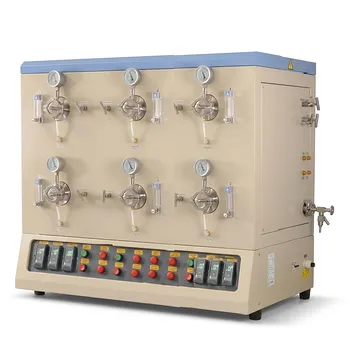
1200C High Throughput Multi Channel Tube Furnace with 50mm Quartz Tubes for Annealing and Material Phase Diagram Research

High Temperature Tube Furnace 1500C with Sliding Flanges and 50mm OD for Rapid Thermal Processing Fast Heating and Cooling

High Temperature Automated 5 Inch Tube Furnace for Autonomous Material Research and Advanced Laboratory R&D
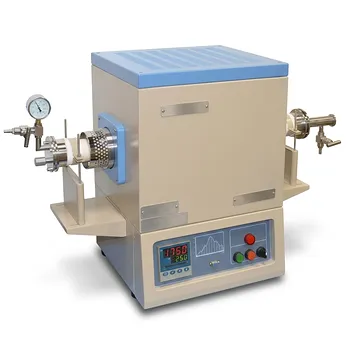
High Temperature Compact Vacuum Tube Furnace 1750C Max 60mm OD Alumina Tube
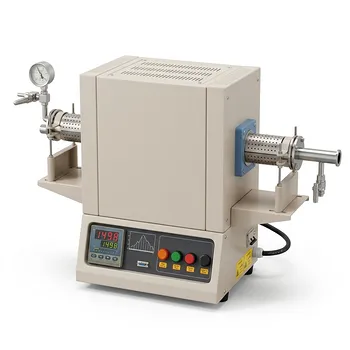
1500C High Temperature Compact Tube Furnace 2 Inch OD with Vacuum Flanges and Complete Accessories
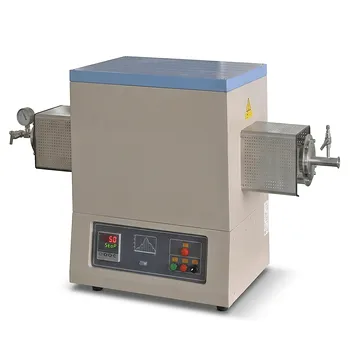
High Temperature 1700C Tube Furnace with 4 Inch OD Alumina Tube and Vacuum Sealing Flanges

High Temperature 1700C Six Zone Split Tube Furnace with Alumina Tube and Water Cooled Flanges

High Temperature 1700C Tube Furnace with High Vacuum Turbomolecular Pump System and Multi Channel Mass Flow Controller Gas Mixer

1800C High Temperature Compact Vacuum Tube Furnace with 60mm OD Alumina Tube and Kanthal MoSi2 Heating Elements
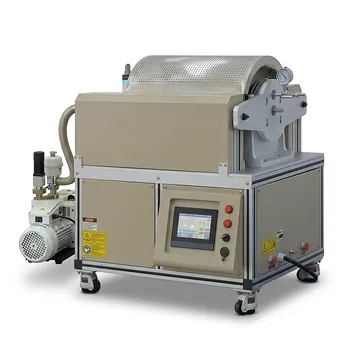
Automated 1200 C Tube Furnace for AI Material Research with 6 Inch OD and Sliding Flange
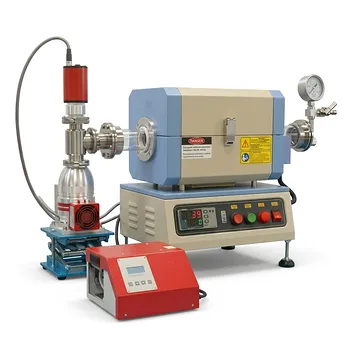
High Vacuum Compact Tube Furnace 1200C with Integrated Turbo Pump System and 8 Inch Heating Zone

1750°C High Temperature Benchtop Vacuum Atmosphere Tube Furnace with Kanthal Super 1800 Heating Elements and 60mm Alumina Processing Tube
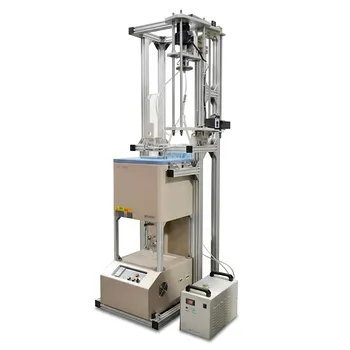
500C Vacuum Vertical Tube Furnace 84mm OD Sample Rotation Lifting System
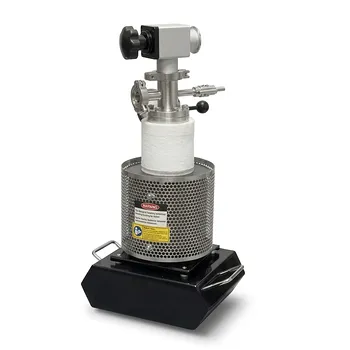
High Temperature 1100C Compact Top Loading Vertical Vacuum Tube Furnace for High Vacuum Noble Metal Melting and Material Research
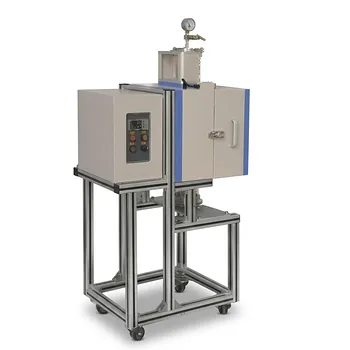
1200°C 5 Inch Vertical Quartz Tube Furnace with Stainless Steel Vacuum Flanges
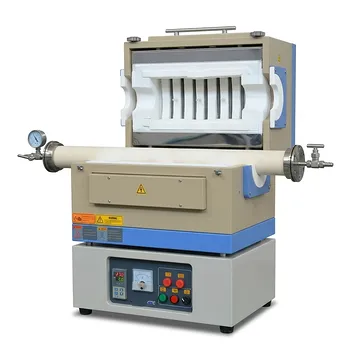
High Temperature 1600C Split Tube Furnace Vacuum Flanges Valves Optional 60mm 80mm Alumina Tube