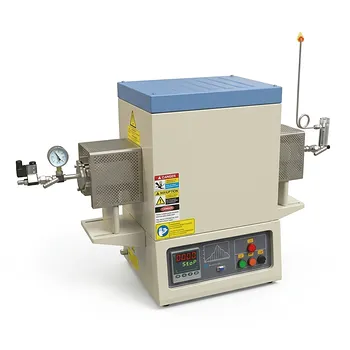
How does a high-temperature tube furnace contribute to the preparation of pp-fibers? Mastering Precision Carbonization
Updated 6 months ago
The high-temperature tube furnace is the critical thermochemical reactor required to transform polydopamine-coated silk into polydopamine-derived pyrolytic protein-based fibers (pp-fibers). By providing a precisely controlled 800°C environment within an inert Argon atmosphere, the furnace facilitates the pyrolysis of the organic precursor, converting it into a conductive, nitrogen-doped carbon network while preserving the fiber's essential flexible structure.
The tube furnace serves as a stable platform for controlled molecular decomposition, allowing organic precursors to transition into functional carbon materials without losing their physical integrity. It bridges the gap between a delicate protein-based coating and a robust, self-supporting conductive current collector.
The Role of Controlled Pyrolysis in Fiber Transformation
Converting Organic Precursors to Conductive Networks
At the heart of the process is the conversion of polydopamine into a nitrogen-doped carbon network. The tube furnace provides the high thermal energy—reaching 800°C—necessary to break molecular bonds and trigger the recombination of atoms into a conductive matrix.
This transformation is what gives pp-fibers their electrical properties. Without the precise heat of the furnace, the polydopamine remains a non-conductive polymer rather than a functional electronic material.
Maintaining Structural Integrity
A primary challenge in producing pp-fibers is preventing the structural collapse of the fiber array during heating. The furnace's ability to maintain a stable temperature field ensures that the organic components decompose uniformly.
By managing the thermal environment, the furnace allows the fiber to retain its flexibility and self-supporting nature. This is vital for creating current collectors that can withstand mechanical stress in practical applications.
Atmospheric Control and Chemical Precision
The Necessity of an Inert Atmosphere
The tube furnace uses a sealed environment, typically purged with Argon or high-purity Nitrogen, to isolate the fibers from oxygen. This isolation is critical because, at 800°C, any presence of oxygen would lead to the immediate combustion (oxidation) of the organic fibers.
By excluding oxygen, the furnace ensures a "pure" thermal environment. This allows for dehydrogenation and polycondensation reactions that eliminate non-carbon components while leaving the carbon skeleton intact.
Precision Heating Profiles
The success of pp-fiber preparation often depends on the heating rate, such as a slow increase of 2°C per minute. The tube furnace’s advanced control systems prevent sudden temperature spikes that could cause internal stress and structural failure.
This slow ramp-up provides sufficient time for the chemical constituents to rearrange. It ensures that the resulting carbon nanofibers possess the high chemical stability and pore structures required for advanced material performance.
Understanding the Trade-offs and Pitfalls
Thermal Stress and Cooling Rates
While high temperatures are necessary for carbonization, rapid cooling can be just as detrimental as rapid heating. If the furnace temperature drops too quickly, the difference in thermal expansion between the carbonized layer and the core can cause the fibers to become brittle or crack.
Uniformity vs. Batch Size
In a tube furnace, the constant temperature zone is limited to the center of the tube. If the fiber arrays are placed too close to the ends of the furnace, they may experience temperature gradients, leading to inconsistent conductivity and structural weaknesses across the batch.
Gas Flow Dynamics
The rate of inert gas flow must be carefully balanced. If the flow is too low, byproduct gases from the pyrolysis process may linger and cause unwanted secondary reactions; if it is too high, it may cause uneven cooling or physical displacement of the delicate fiber arrays.
How to Optimize Your Furnace Process
To achieve the best results when preparing pp-fibers, your approach to the furnace operations should align with your specific material requirements.
- If your primary focus is Maximum Conductivity: Prioritize higher temperatures (near 800°C) and longer dwell times to ensure complete carbonization and optimal nitrogen doping within the network.
- If your primary focus is Mechanical Flexibility: Use the slowest possible heating and cooling rates (1-2°C/min) to minimize internal stresses and prevent the fibers from becoming brittle.
- If your primary focus is Chemical Purity: Ensure the furnace tube is hermetically sealed and use a high-purity Argon purge to eliminate even trace amounts of oxygen that could degrade the fiber surface.
The high-temperature tube furnace is not merely a heat source, but a sophisticated chemical processor that defines the final performance of pyrolytic protein-based fibers.
Summary Table:
| Process Parameter | Requirement/Feature | Impact on pp-fibers |
|---|---|---|
| Temperature | 800°C Stable Field | Triggers pyrolysis & creates nitrogen-doped carbon networks |
| Atmosphere | Inert Argon/Nitrogen | Prevents oxidation and ensures chemical purity of carbon fibers |
| Heating Rate | Precise control (e.g., 2°C/min) | Prevents structural collapse and minimizes internal thermal stress |
| Environment | Hermetically Sealed Tube | Facilitates dehydrogenation while maintaining fiber flexibility |
| Zone Control | Constant Temperature Zone | Ensures batch uniformity and consistent electrical conductivity |
Elevate Your Material Research with THERMUNITS Precision
At THERMUNITS, we understand that the success of advanced fiber synthesis depends on absolute thermal accuracy and atmospheric purity. As a leading manufacturer of high-temperature laboratory equipment, we provide the specialized tools researchers need to transform organic precursors into high-performance carbon materials.
Our comprehensive range of thermal solutions includes:
- High-Temperature Tube Furnaces (Single & Multi-zone)
- CVD/PECVD Systems for advanced thin-film and fiber research
- Vacuum & Atmosphere Furnaces for oxygen-sensitive processing
- Muffle, Rotary, and Hot Press Furnaces
Whether you are developing polydopamine-derived fibers or advanced industrial ceramics, our equipment offers the stability and control required for breakthrough results. Contact the THERMUNITS team today to discuss your specific heat treatment requirements and discover how our expertise can accelerate your R&D.
References
- Jeong Yeon, Ho Seok Park. Self‐supported VO<sub>2</sub> on polydopamine‐derived pyroprotein‐based fibers for ultrastable and flexible aqueous zinc‐ion batteries. DOI: 10.1002/cey2.469
Mentioned Products
- High Temperature Tube Furnace 1500C with Sliding Flanges and 50mm OD for Rapid Thermal Processing Fast Heating and Cooling
- High Temperature 1700C Tube Furnace with High Vacuum Turbomolecular Pump System and Multi Channel Mass Flow Controller Gas Mixer
- 1750°C High Temperature Benchtop Vacuum Atmosphere Tube Furnace with Kanthal Super 1800 Heating Elements and 60mm Alumina Processing Tube
- High Temperature 1700C Benchtop Tube Furnace with 5 Inch Heating Zone High Purity Alumina Tube and Vacuum Sealing Flanges
- 1700C High Temperature Alumina Tube Furnace with 18 Inch Heated Zone and Vacuum Sealing Flanges
People Also Ask
- How are high-temperature tube furnaces utilized to repair etching damage? Precision Lattice Restoration Solutions
- How does precision tube furnace control influence CoFe nanoparticle formation? Master Your Bimetallic Synthesis.
- What role does a high-temperature tube furnace play in CVD synthesis of silicon nanowires? Master VLS Growth Precision.
- What role does a high-temperature tube furnace play in the sulfidation heat treatment of CoS@C/MXene nanocomposites? Guide
- What core conditions does a high-temperature tube furnace provide for rGO aerogels? Mastering Precision Synthesis.

Tech Team · ThermUnits
Last updated on Apr 14, 2026
Related Products
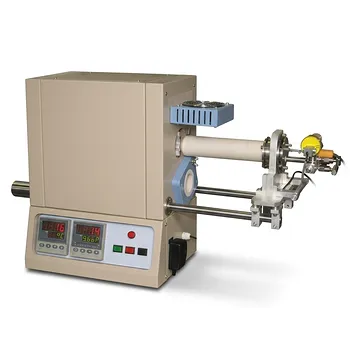
High Temperature Tube Furnace 1500C with Sliding Flanges and 50mm OD for Rapid Thermal Processing Fast Heating and Cooling
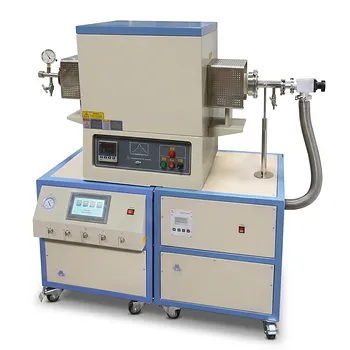
High Temperature 1700C Tube Furnace with High Vacuum Turbomolecular Pump System and Multi Channel Mass Flow Controller Gas Mixer
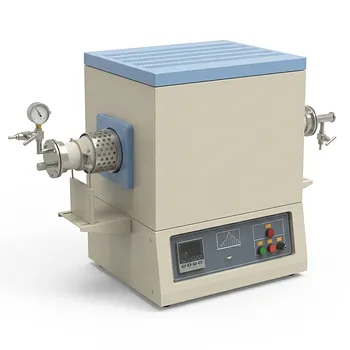
1750°C High Temperature Benchtop Vacuum Atmosphere Tube Furnace with Kanthal Super 1800 Heating Elements and 60mm Alumina Processing Tube
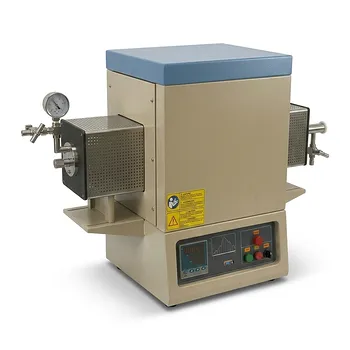
High Temperature 1700C Benchtop Tube Furnace with 5 Inch Heating Zone High Purity Alumina Tube and Vacuum Sealing Flanges
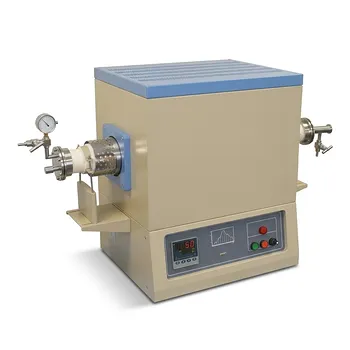
1700C High Temperature Alumina Tube Furnace with 18 Inch Heated Zone and Vacuum Sealing Flanges
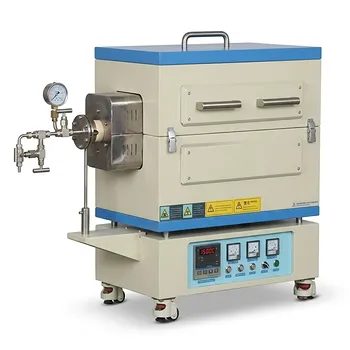
High Temperature Split Tube Furnace 1500C for Material Research Vacuum and Atmosphere Thermal Processing
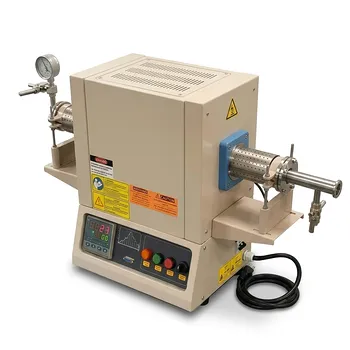
Compact High Temperature 1600C Tube Furnace with 50mm Alumina Tube and Vacuum Flanges for Material Sintering
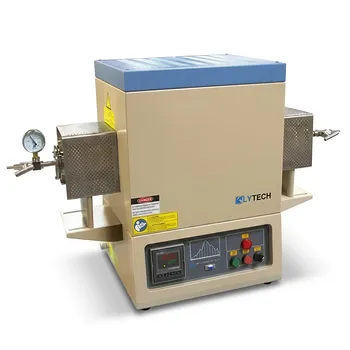
1800C High Temperature Compact Vacuum Tube Furnace with 60mm OD Alumina Tube and Kanthal MoSi2 Heating Elements
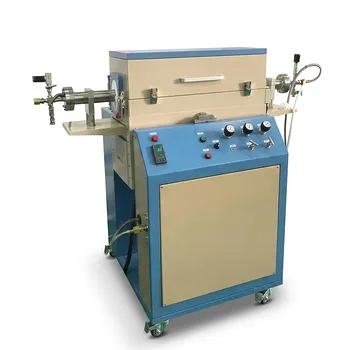
High Temperature Rocking Tube Furnace 1700°C Alumina Processing Tube with Precision Oscillation for Material Synthesis
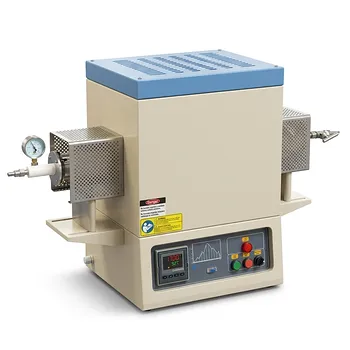
High Temperature Three Zone Tube Furnace 1700C with Alumina Tube and Water Cooled Flanges
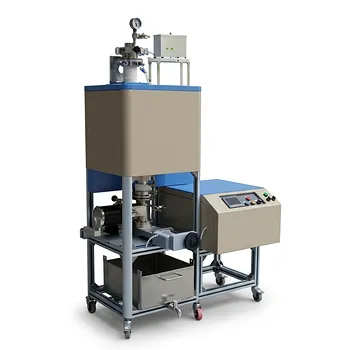
High Temperature 1700C Vertical Tube Furnace for Powder Spherification and Material Sintering
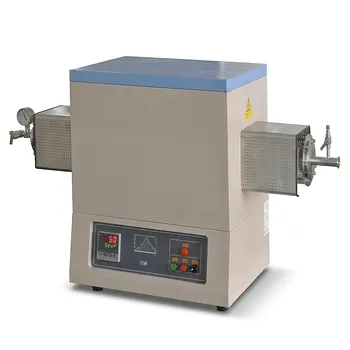
High Temperature 1700C Tube Furnace with 4 Inch OD Alumina Tube and Vacuum Sealing Flanges
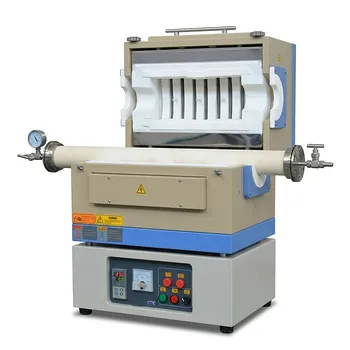
High Temperature 1600C Split Tube Furnace Vacuum Flanges Valves Optional 60mm 80mm Alumina Tube
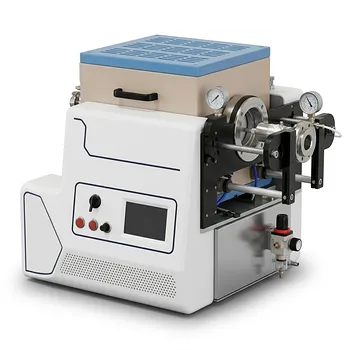
High Temperature Automated 5 Inch Tube Furnace for Autonomous Material Research and Advanced Laboratory R&D
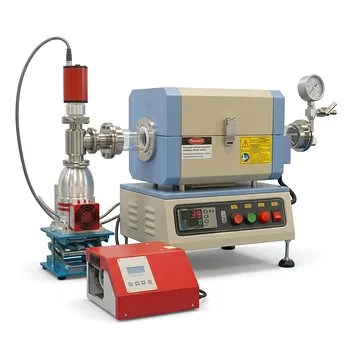
High Vacuum Compact Tube Furnace 1200C with Integrated Turbo Pump System and 8 Inch Heating Zone
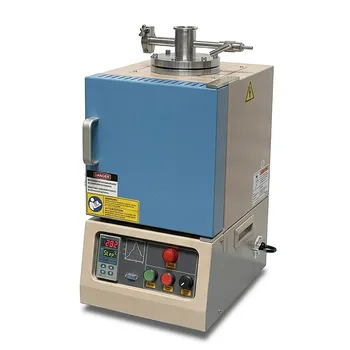
High Temperature Hybrid Muffle and Tube Furnace with Vacuum Capability and PID Control
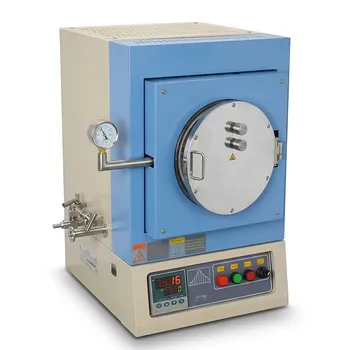
1100°C High Temperature Quartz Chamber Furnace 8 Inch OD with 7.6 Liter Capacity and Vacuum Atmosphere Capability
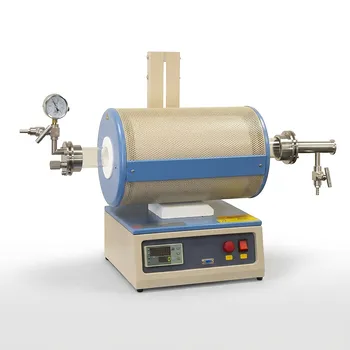
1100C Tube Furnace with Vacuum Flange and Programmable Temperature Controller for Material Science and Industrial Heat Treatment
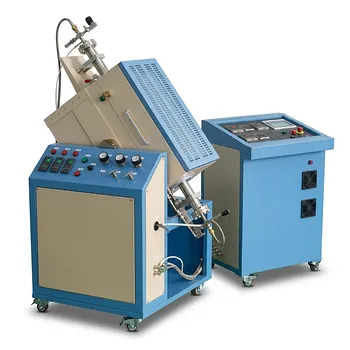
1100C High Pressure Rocking Tube Furnace with 2 Inch Super Alloy Processing Tube for Material Synthesis