How does a Rapid Thermal Annealing (RTA) furnace differ from a traditional tube furnace? RTA vs. Tube for TiO2 Processing
Updated 3 months ago
The fundamental distinction lies in the kinetic control over thermal energy. While both systems facilitate hydrogenation, a Rapid Thermal Annealing (RTA) furnace utilizes high-intensity infrared heating to achieve rates up to 37.5 °C/s, whereas a traditional tube furnace relies on slow, progressive heating (typically around 2 °C/min). For copper-modified TiO2 nanotubes, RTA prioritizes the creation of non-equilibrium states like oxygen vacancies and specific copper oxidation states, while the tube furnace emphasizes structural uniformity and phase crystallinity through extended residence times.
Core Takeaway: RTA furnaces use extreme heating speeds to "freeze" unique chemical states and inhibit grain growth, whereas traditional tube furnaces provide the stable, long-term thermal environment necessary for complete phase transformation and uniform species distribution.
Thermal Dynamics and Processing Speed
The Impact of Infrared Flash Heating
RTA furnaces leverage infrared elements to reach target temperatures in seconds rather than hours. This rapid ramp-up minimizes the total thermal budget, preventing the material from staying at high temperatures longer than necessary.
Equilibrium vs. Non-Equilibrium Processing
Traditional tube furnaces operate near thermal equilibrium, allowing atoms ample time to arrange into the most stable configurations. In contrast, RTA is a kinetic process that can "trap" the material in high-energy states that would otherwise disappear during a slow cooling cycle.
Gas-Solid Interaction Time
In a tube furnace, the elongated reaction space and stable gas flow allow for precise control over how long the hydrogen interacts with the TiO2 surface. RTA's short dwell time limits this interaction, focusing the reduction effect primarily on the surface and near-surface regions.
Structural and Chemical Evolution
Inhibiting Excessive Grain Growth
The high heating rate of RTA effectively inhibits the coarsening of nanoparticles. By reaching the annealing temperature quickly and staying there briefly, the system prevents the small TiO2 grains from merging into larger, less reactive structures.
Modulation of Copper Oxidation States
Hydrogenation in an RTA environment induces specific copper oxidation states, specifically Cu⁰ and Cu⁺. These states are critical for broadening the material's visible light absorption range and enhancing its capacity to adsorb carbon dioxide.
Phase Transformation and Crystallinity
Traditional tube furnaces are superior for promoting the phase transformation from amorphous TiO2 to high-crystallinity anatase or rutile phases. The slow heating process eliminates residual stresses and ensures a more homogenous homojunction interface, which is vital for charge transport.
Understanding the Trade-offs
The Limitations of Rapid Processing
While RTA is energy-efficient and fast, it may lead to significant thermal gradients across a sample, potentially causing micro-cracking or "thermal shock." Furthermore, the extremely short dwell time may not be sufficient for dopants to diffuse deeply into the TiO2 nanotube walls.
The Downside of Traditional Annealing
Traditional tube furnaces often struggle with "grain coarsening," where the long exposure to heat causes nanoparticles to grow too large, reducing the effective surface area. Additionally, the high thermal budget can lead to the unwanted volatilization of specific components or the degradation of sensitive interfaces.
Selecting the Right Method for Your Objective
How to Apply This to Your Project
The choice between RTA and traditional tube annealing depends entirely on the specific performance metrics you aim to optimize for your modified nanotubes.
- If your primary focus is visible light harvesting and CO2 adsorption: Use RTA to induce high densities of oxygen vacancies and maintain the Cu⁰/Cu⁺ oxidation states that drive these reactions.
- If your primary focus is long-term structural stability and charge transport: Utilize a traditional tube furnace to ensure high crystallinity and a uniform distribution of copper species across the nanotube morphology.
- If your primary focus is preventing interface degradation in multi-layer devices: Opt for RTA to minimize the vacuum exposure time and prevent the "hysteresis" often seen in complex solar or sensor architectures.
Choosing the correct thermal path allows you to precisely engineer the atomic defects and grain structures required for advanced photocatalytic applications.
Summary Table:
| Feature | Rapid Thermal Annealing (RTA) | Traditional Tube Furnace |
|---|---|---|
| Heating Rate | Rapid (up to 37.5 °C/s) | Slow (typically 2 °C/min) |
| Thermal State | Kinetic / Non-equilibrium | Thermal Equilibrium |
| Grain Control | Inhibits grain coarsening | Promotes phase crystallinity |
| Chemical Effect | Traps vacancies & Cu⁺/Cu⁰ states | Ensures uniform species distribution |
| Key Application | Visible light harvesting & defects | Structural stability & charge transport |
Optimize Your Thermal Processing with THERMUNITS
Precise control over heating kinetics is essential for engineering advanced photocatalytic materials. THERMUNITS is a leading manufacturer of high-temperature laboratory equipment, providing the specialized tools researchers need to achieve superior material properties.
From high-speed kinetic processing to stable long-term annealing, we offer a comprehensive range of solutions for industrial R&D and material science, including:
- Tube, Muffle, and Atmosphere Furnaces
- Vacuum, Rotary, and Hot Press Furnaces
- CVD/PECVD Systems & Dental Furnaces
- Vacuum Induction Melting Furnaces (VIM)
Ready to enhance your lab's efficiency and material performance? Contact THERMUNITS today to consult with our experts on the ideal furnace configuration for your research goals!
References
- Wiktoria Lipińska, Katarzyna Siuzdak. Coupling between the photoactivity and CO2 adsorption on rapidly thermal hydrogenated vs. conventionally annealed copper oxides deposited on TiO2 nanotubes. DOI: 10.1007/s10853-024-10223-4
Mentioned Products
- 900 ºC Max Sliding RTP Tube Furnace with Rapid IR Heating and 4 Inch OD Quartz Tube
- Rapid Thermal Processing Furnace 1100C Atmosphere Controlled Bottom Loading RTP System for Wafer Annealing and Catalysis Research
- 1200C High Temperature 5 Inch Sliding Tube Furnace for Rapid Thermal Processing RTP and Wafer Annealing
- Compact Atmosphere Controlled Rapid Thermal Processing RTP Furnace with 4 Inch ID Quartz Tube 1100C
- Rapid Thermal Processing Atmosphere Controlled Bottom Loading Furnace 1100C with 50C Per Second Heating Rate for Wafer Annealing
People Also Ask
- What role does a SiC-coated graphite susceptor play in H2Se selenization? Boost RTP Thermal Uniformity & Film Purity.
- What materials are used for tube furnace process tubes? Temperature Limits & Selection Guide for Research
- What are the functional advantages of an RTP system for surface deposition? Enhance Heterojunction Interface Integrity
- What technical advantages does an RTA furnace provide for nanoporous gold? Precision Control of Nanostructures.
- What are the advantages of using a Rapid Thermal Annealing (RTA) furnace for Beta-Ga2O3 devices vs. Tube Furnaces?

Tech Team · ThermUnits
Last updated on Jun 03, 2026
Related Products
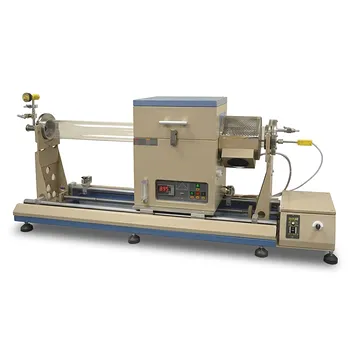
900 ºC Max Sliding RTP Tube Furnace with Rapid IR Heating and 4 Inch OD Quartz Tube
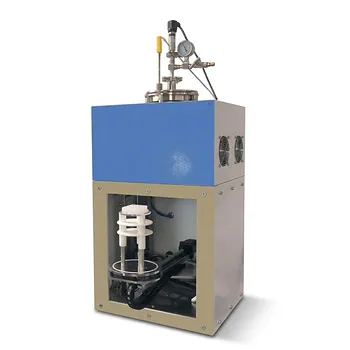
Rapid Thermal Processing Furnace 1100C Atmosphere Controlled Bottom Loading RTP System for Wafer Annealing and Catalysis Research
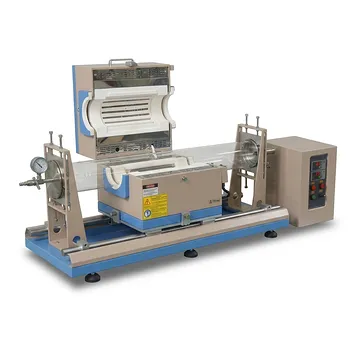
1200C High Temperature 5 Inch Sliding Tube Furnace for Rapid Thermal Processing RTP and Wafer Annealing
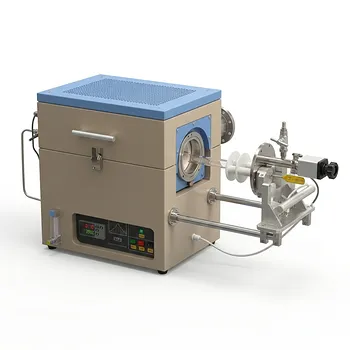
Compact Atmosphere Controlled Rapid Thermal Processing RTP Furnace with 4 Inch ID Quartz Tube 1100C
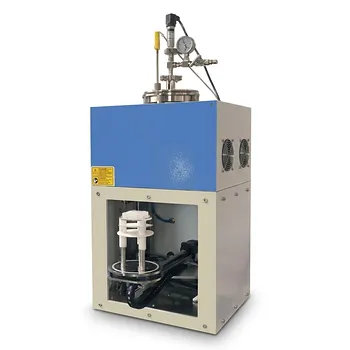
Rapid Thermal Processing Atmosphere Controlled Bottom Loading Furnace 1100C with 50C Per Second Heating Rate for Wafer Annealing
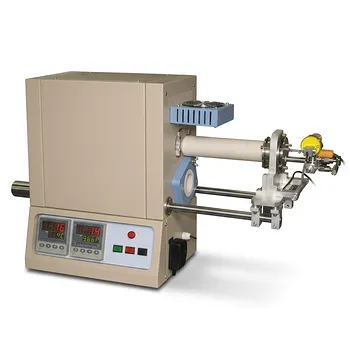
High Temperature Tube Furnace 1500C with Sliding Flanges and 50mm OD for Rapid Thermal Processing Fast Heating and Cooling
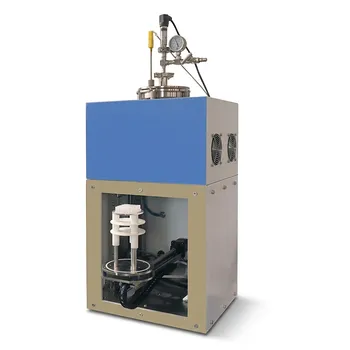
Rapid Thermal Processing RTP Atmosphere Controlled Bottom Loading Furnace 1100C High Throughput 50C per Second Heating Rate
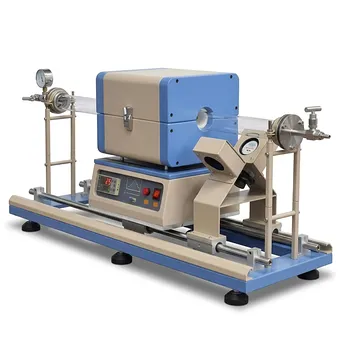
Automated Sliding Tube Furnace for Fast Heating and Cooling 2 Inch OD 1100C Max
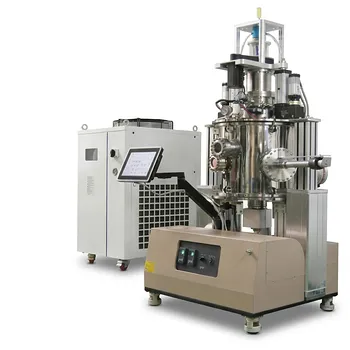
950C Rapid Thermal Processing Furnace for 12 Inch Wafer CSS Coating with Rotating Substrate Holder
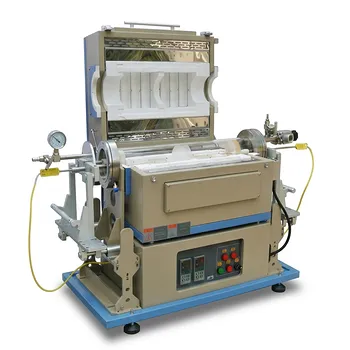
Two Zone IR Heating Rapid Thermal Processing RTP Tube Furnace with 4 Inch ID Quartz Tube and Sliding Sample Holders
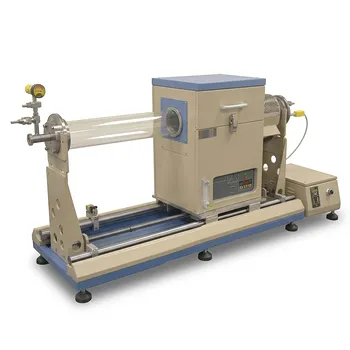
Rapid Thermal Processing Sliding Tube Furnace with 4 Inch OD Quartz Tube and 900C IR Heating
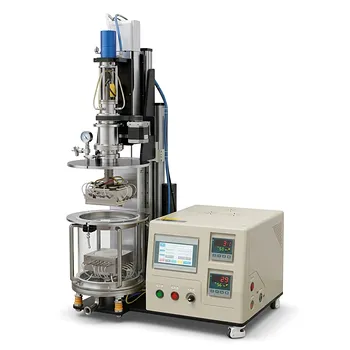
High Temperature 800C Rapid Thermal Processing Furnace with Rotating Sample Holder for Close Spaced Sublimation and Thin Film Solar Cell Research
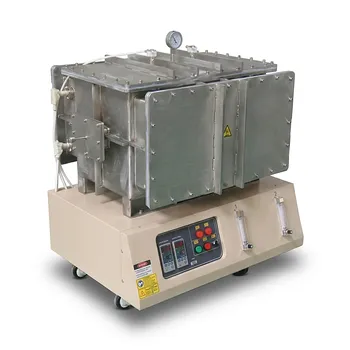
1500°C Atmosphere Controlled Rapid Heating Furnace for Material Science and Battery Powder Sintering
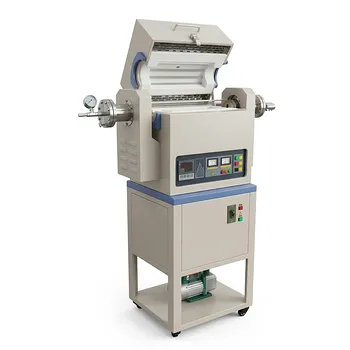
High Temperature Rotary Tilt Tubular Furnaces for Advanced Powder Sintering and Material Processing
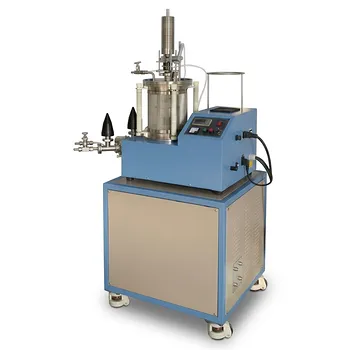
Ultrafast Thermal Pressing Furnace 2900C Max Temperature 200K per Second Heating Rate Vacuum Atmosphere Rapid Processing System
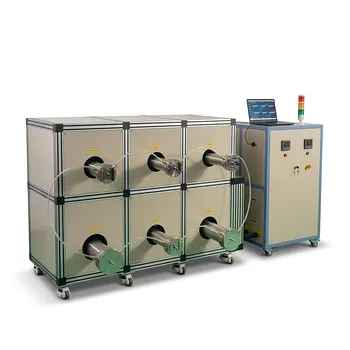
1200C Max 6 Channel High Cleanliness Hydrogen Furnace for High Throughput Annealing

1200C High Throughput Multi Channel Tube Furnace with 50mm Quartz Tubes for Annealing and Material Phase Diagram Research
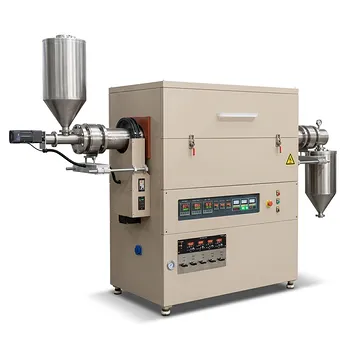
High Temperature Tilting Rotary Tube Furnace with Integrated Mass Flow Control and Multi Zone Heating
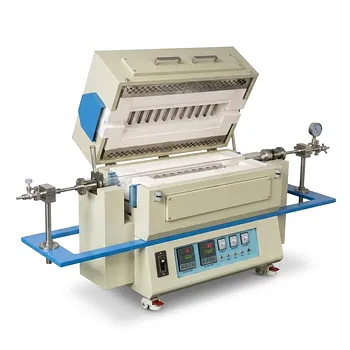
High Temperature Dual Zone Rotating Tube Furnace 1500C Silicon Carbide Heating for Advanced Material Synthesis