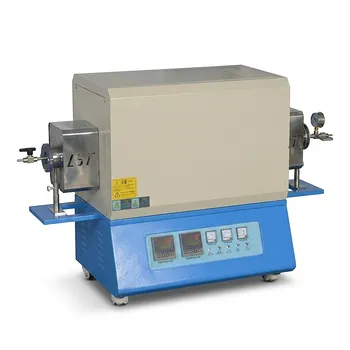
How does a vacuum sintering furnace contribute to the final densification of PiSG? Achieve Total Optical Clarity
Updated 3 months ago
A vacuum sintering furnace achieves the final densification of Phosphor-in-Silica-Glass (PiSG) by combining intense thermal energy with a high-vacuum environment. This dual action triggers the viscous flow of silica nanoparticles, allowing them to fuse into a seamless matrix while simultaneously extracting residual gases that would otherwise form light-scattering bubbles.
The vacuum sintering furnace is the essential instrument for converting a porous, opaque "green body" into a fully dense, transparent PiSG composite. By eliminating internal porosity through vacuum-assisted viscous flow, the furnace ensures the phosphor particles are encapsulated in a bubble-free matrix with maximum optical clarity.
The Mechanism of Densification in PiSG
Inducing Viscous Flow of the Silica Network
At temperatures typically ranging from 1050°C to 1300°C, the silica nanoparticles within the powder compact reach a state where they begin to flow like a highly viscous liquid. This viscous flow is the primary driver of densification, as the silica network deforms and merges to fill the empty spaces between particles.
The furnace provides a stable, uniform thermal environment that ensures this flow happens consistently throughout the entire volume of the material. This uniformity is vital to prevent internal stresses or uneven density in the final glass.
The Critical Role of High Vacuum
The vacuum environment, often maintained at pressures as low as 10⁻⁵ to 10⁻⁶ bar, is what differentiates this process from standard atmospheric sintering. Without a vacuum, air becomes trapped within the closing pores of the silica, creating permanent bubbles that render the glass opaque and fragile.
By removing air from the furnace chamber, the vacuum facilitates the extraction of residual gases from even the smallest closed pores. This allows the silica to collapse into those voids completely, resulting in a "zero-porosity" structure.
Transforming Opaque Compacts into Transparent Glass
The densification process fundamentally changes the optical nature of the material from a white, opaque powder compact to a highly transparent glass. As the interfaces between individual silica particles disappear, the light-scattering boundaries are removed.
This transition is what allows the final PiSG to effectively transmit light from the embedded phosphors. The result is a high-performance optical component capable of handling high-power laser or LED illumination.
Impact on Material Performance
Homogeneous Phosphor Encapsulation
The dense silica matrix created by the furnace acts as a protective "hermetic seal" around each phosphor particle. This bubble-free encapsulation ensures that the phosphors are not exposed to moisture or oxygen, which would otherwise degrade their luminescent properties over time.
Furthermore, a dense, pore-free matrix improves the thermal conductivity of the composite. This allows the heat generated by the phosphors during operation to dissipate more efficiently through the silica glass.
Enhancing Mechanical and Optical Integrity
A fully densified PiSG structure possesses superior mechanical strength compared to a porous one, making it resistant to thermal shock and mechanical failure. The elimination of micropores ensures that the glass achieves its theoretical optical transmittance.
Because the vacuum environment inhibits the oxidation of the materials, the purity of the silica and the efficiency of the phosphor remain uncompromised. This results in a final product with high color rendering and long-term stability.
Understanding the Trade-offs
Temperature Precision vs. Phosphor Degradation
While higher temperatures facilitate faster viscous flow and better densification, excessive heat can cause the thermal quenching or chemical degradation of the phosphor particles. Finding the "sweet spot" between effective silica fusion and phosphor preservation is the most common challenge in this process.
Vacuum Depth vs. Processing Time
Achieving a deep vacuum (10⁻⁶ bar) significantly improves transparency but requires longer pumping cycles and more sophisticated equipment. Manufacturers must balance the need for extreme optical clarity against the throughput requirements of their production cycle.
Outgassing and Contamination Risks
During the initial heating phase, any organic binders or contaminants in the green body will "outgas." If the vacuum system is not robust enough to handle this gas load, the resulting backpressure can re-introduce porosity or contaminate the furnace heating elements.
How to Optimize Your Sintering Strategy
Choosing the right parameters for your vacuum sintering furnace depends entirely on the intended application of your Phosphor-in-Silica-Glass.
- If your primary focus is Maximum Optical Transparency: Prioritize a high-vacuum environment (10⁻⁶ bar) and a longer dwell time at the peak sintering temperature to ensure every residual micropore is eliminated.
- If your primary focus is Phosphor Longevity: Use a "low-and-slow" approach by sintering at the lowest possible temperature that still triggers viscous flow, potentially extending the duration to compensate for the lower heat.
- If your primary focus is High-Power Thermal Management: Ensure total densification by optimizing the particle size distribution of your silica nanoparticles before sintering, as this facilitates a more complete collapse of the pore structure.
The vacuum sintering furnace is the definitive tool for achieving the theoretical density and transparency required for modern high-brightness lighting applications.
Summary Table:
| Feature/Mechanism | Process Action | Final Benefit for PiSG |
|---|---|---|
| Viscous Flow | 1050°C–1300°C Heat | Fuses silica nanoparticles into a seamless, dense matrix. |
| High Vacuum | 10⁻⁵ to 10⁻⁶ bar | Removes trapped gases to eliminate light-scattering bubbles. |
| Thermal Uniformity | Stable heat distribution | Prevents internal stress and ensures consistent material density. |
| Hermetic Sealing | Pore-free encapsulation | Protects phosphors from oxidation and improves thermal cooling. |
Elevate Your Material Research with THERMUNITS Precision
As a leading manufacturer of high-temperature laboratory equipment, THERMUNITS provides the advanced thermal processing solutions essential for material science and industrial R&D. Our vacuum furnaces are engineered to achieve the extreme optical clarity and structural integrity required for high-performance PiSG, advanced ceramics, and specialized alloys.
We offer a comprehensive range of equipment tailored to your specific needs, including:
- Furnaces: Muffle, Vacuum, Atmosphere, Tube, Rotary, and Hot Press furnaces.
- Specialized Systems: CVD/PECVD systems, Dental Furnaces, Electric Rotary Kilns, and Vacuum Induction Melting (VIM) furnaces.
- Components: High-quality Thermal Elements and lab heat treatment accessories.
Transform your R&D outcomes with superior temperature control and vacuum performance. Contact our experts today to find the perfect thermal solution for your laboratory!
References
- Moushira. A. Mohamed, Jianrong Qiu. High‐Throughput Fabrication of Phosphor‐In‐Silica Glass via Injection Molding. DOI: 10.1002/adom.202400323
Mentioned Products
- Industrial Vacuum Hot Press Furnace Machine and High Temperature Heated Vacuum Press for Advanced Material Sintering
- High Pressure 600T Vacuum Induction Hot Press Furnace for Advanced Material Heat Treatment and Sintering
- Vacuum Dental Porcelain Sintering Furnace for High Precision Ceramic Restorations
- High Temperature 1000C Vacuum Furnace with 8 Inch ID Chamber for Material Sintering and Research Annealing
- High Temperature 1700C Vertical Tube Furnace for Powder Spherification and Material Sintering
People Also Ask
- Why is graphite the preferred material for dies and heating elements in Vacuum Hot Press Furnaces? High-Temp Solutions
- What types of heating systems and insulation are used in Vacuum Hot Press Furnaces? Optimize Your Thermal Processing
- What are the structural features of the furnace body and chamber in a Vacuum Hot Press Furnace? Master Material Density
- What is a Vacuum Hot Press Furnace and what are its primary industrial applications? Achieve Maximum Material Density
- What are the key technical parameters for operating a Vacuum Hot Press Furnace? Master Heat, Pressure, and Vacuum.

Tech Team · ThermUnits
Last updated on Jun 02, 2026
Related Products
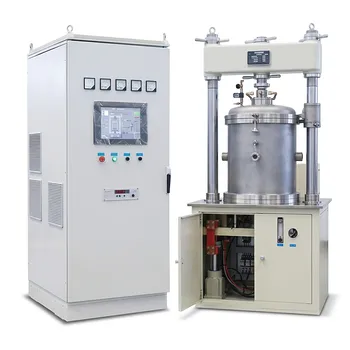
Industrial Vacuum Hot Press Furnace Machine and High Temperature Heated Vacuum Press for Advanced Material Sintering
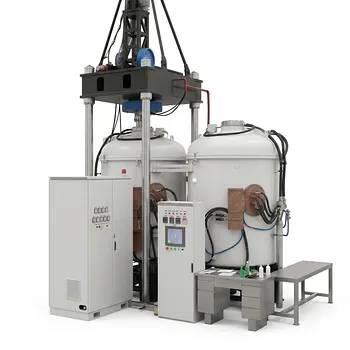
High Pressure 600T Vacuum Induction Hot Press Furnace for Advanced Material Heat Treatment and Sintering
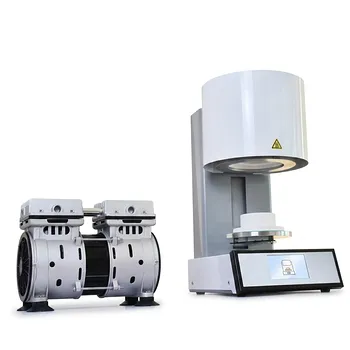
Vacuum Dental Porcelain Sintering Furnace for High Precision Ceramic Restorations
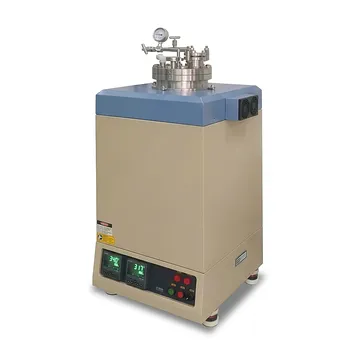
High Temperature 1000C Vacuum Furnace with 8 Inch ID Chamber for Material Sintering and Research Annealing

High Temperature 1700C Vertical Tube Furnace for Powder Spherification and Material Sintering
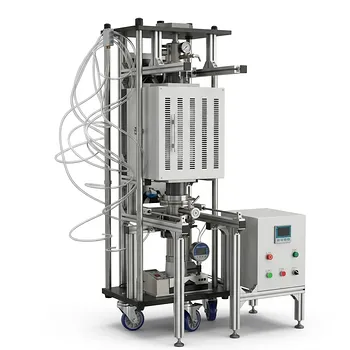
Industrial High Temperature Vacuum Hot Press Furnace and Heated Vacuum Press Machine for Material Science Sintering
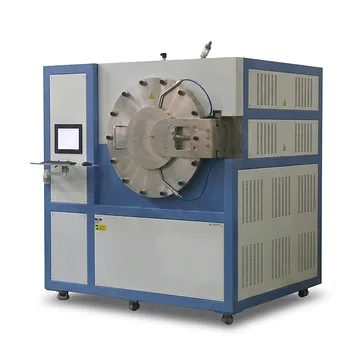
High Vacuum Pressure Chamber Furnace 800C 3.5 Bar Sintering System for Superconducting Materials
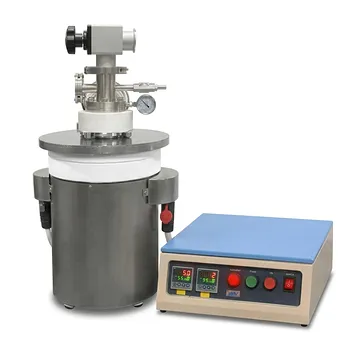
1100C High Temperature Vacuum Crucible Furnace with Quartz Chamber for Thermal Processing and Sintering
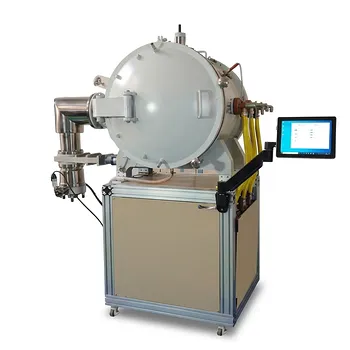
High Temperature Cold Wall Vacuum Furnace for Advanced Material Sintering and Annealing 1600C Heating Area 200x200x300mm
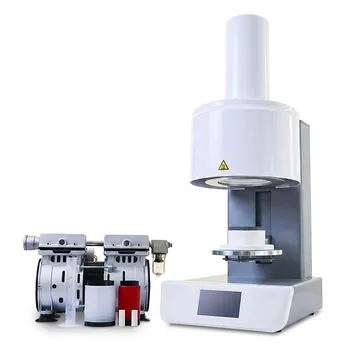
Dental Porcelain Zirconia Sintering Ceramic Vacuum Press Furnace

Compact High Temperature 1600C Tube Furnace with 50mm Alumina Tube and Vacuum Flanges for Material Sintering
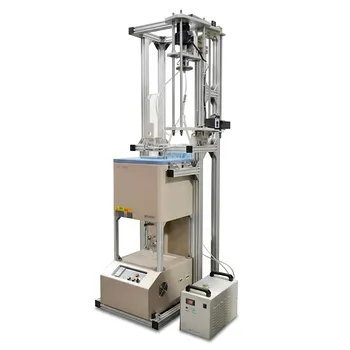
500C Vacuum Vertical Tube Furnace 84mm OD Sample Rotation Lifting System
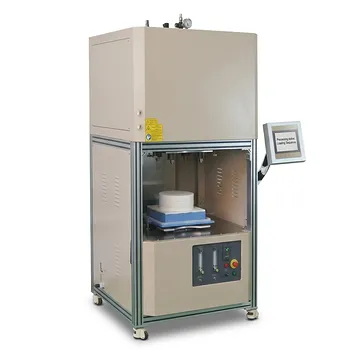
High Temperature Vertical Atmosphere Controlled Furnace with Automatic Bottom Loading and 1700°C Capacity for Advanced Material Research
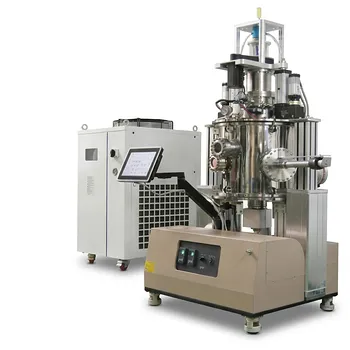
950C Rapid Thermal Processing Furnace for 12 Inch Wafer CSS Coating with Rotating Substrate Holder
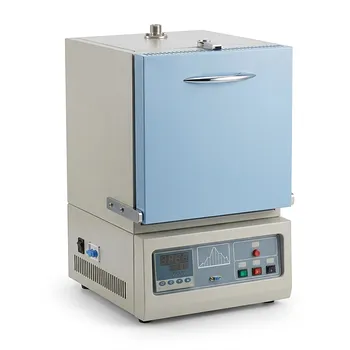
1750C Compact Muffle Furnace 1.7L Ultra High Temperature Laboratory Sintering System for Advanced Ceramics and Material Science Research
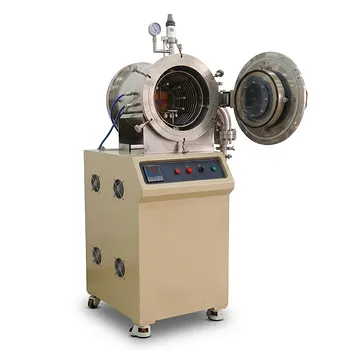
High Temperature Cold Wall High Vacuum Chamber Furnace 1400C for Advanced Material Processing
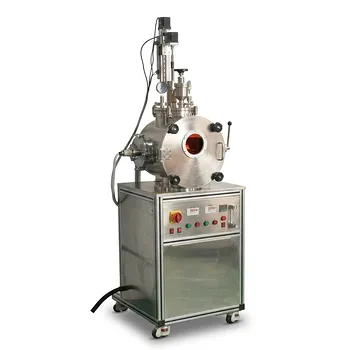
High Vacuum Melting Casting Furnace with Mechanical Stirring and Secondary Charge for Metallic Alloy Research
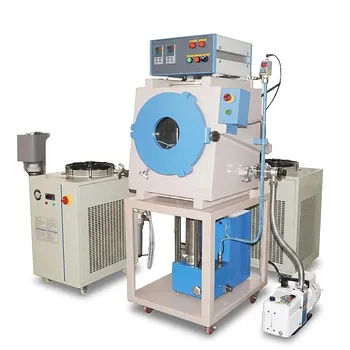
High Temperature Vacuum Lamination Hot Press Furnace Machine for Semiconductor Wafer Bonding and Advanced Composite Thermal Processing

1800C High Temperature Compact Vacuum Tube Furnace with 60mm OD Alumina Tube and Kanthal MoSi2 Heating Elements