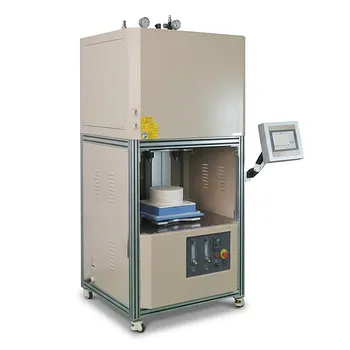
How is heat transferred within a vacuum furnace? Master radiation and convection for uniform thermal processing.
Updated 5 months ago
Heat transfer in a vacuum furnace is a specialized process defined by the absence of a gaseous medium. In a vacuum environment, the lack of air or gas eliminates traditional convection, leaving thermal radiation as the near-exclusive mechanism for moving energy from heating elements to the workpiece. To overcome the limitations of radiation at lower temperatures, modern systems often use a "backfilling" technique to introduce controlled convection.
Core Takeaway: Heat transfer in a vacuum furnace relies almost entirely on thermal radiation from heating elements to the load. At lower temperatures where radiation is inefficient, inert gas backfilling and internal fans are utilized to enable forced convection for improved heating uniformity.
The Dominance of Thermal Radiation
The Absence of a Convective Medium
In a standard atmospheric furnace, air molecules carry heat through convection. In a vacuum, these molecules are removed, meaning energy cannot "travel" through the air. Instead, heat must be transferred through electromagnetic waves directly from the source to the surface of the part.
The Role of Graphite Heating Elements
High-performance vacuum furnaces frequently utilize graphite heating tubes due to their high emissivity. Graphite is capable of generating a rapid and stable high-temperature radiation field. This ensures that the energy is emitted effectively toward the workpiece, even in the absence of a physical medium.
Radiation Shields and Energy Concentration
To maintain efficiency, vacuum furnaces use radiation shields rather than traditional insulation. These shields reflect radiant energy back toward the center of the furnace. This prevents heat loss to the outer water-cooled walls and ensures the thermal energy remains concentrated on the workload.
Enhancing Uniformity with Forced Convection
The Low-Temperature Radiation Gap
Radiant heat transfer efficiency is proportional to the fourth power of the temperature, meaning it is highly effective above 600°C. However, at lower temperatures, such as those required for tempering, radiation is slow and can result in uneven heating. This creates a "thermal lag" between the surface and the core of the parts.
Backfilling with Inert Gas
To solve the uniformity issue at lower temperatures, the furnace chamber is backfilled with a partial pressure of inert gas, such as nitrogen or argon. This introduces a medium that can carry heat. By providing a physical substance to move energy, the furnace can achieve a more balanced thermal profile.
The Use of Internal Fans
Once the gas is introduced, internal fans are used to circulate the gas through the workload. This creates forced convection, which mimics the behavior of a traditional furnace. This process is critical for ensuring that dense loads or complex geometries reach the target temperature simultaneously.
Understanding the Trade-offs
The "Line-of-Sight" Limitation
Thermal radiation is a line-of-sight phenomenon, meaning surfaces hidden from the heating elements will heat much slower. This can cause significant temperature gradients in parts with deep holes or complex internal structures. Proper part spacing and loading patterns are required to mitigate this effect.
Cycle Time vs. Uniformity
While backfilling with gas improves uniformity, it adds complexity and cost to the process. Operators must balance the need for rapid heating (vacuum/radiation) with the need for precise uniformity (backfill/convection). Transitioning between these modes requires careful timing to avoid overheating the surface of the load.
Optimizing Your Thermal Process
How to Apply This to Your Project
Achieving the best results in a vacuum furnace requires matching the heat transfer mode to the specific requirements of your material and geometry.
- If your primary focus is High-Temperature Sintering: Rely on high-emissivity graphite elements and maintain a deep vacuum to maximize radiant energy transfer and prevent contamination.
- If your primary focus is Tempering or Low-Temp Annealing: Utilize gas backfilling and forced convection fans to ensure the core of the parts reaches the set temperature without overheating the exterior.
- If your primary focus is Dense or Complex Loads: Increase the "soak time" at lower temperatures to allow radiant heat to penetrate the interior of the load via conduction through the parts themselves.
Mastering the transition between radiant heat and forced convection is the key to achieving consistent, high-quality metallurgical results in vacuum thermal processing.
Summary Table:
| Heat Transfer Mode | Primary Mechanism | Optimal Temp | Key Advantage |
|---|---|---|---|
| Thermal Radiation | Electromagnetic waves (Line-of-sight) | > 600°C | Rapid heating and high efficiency in vacuum |
| Forced Convection | Inert gas backfilling + Internal fans | < 600°C | Eliminates thermal lag; ensures uniformity |
| Conduction | Physical contact between parts | All Ranges | Transfers heat from part surface to the core |
Optimize Your Thermal Research with THERMUNITS
Achieving precise temperature uniformity in vacuum environments requires expert engineering. THERMUNITS is a leading manufacturer of high-temperature laboratory equipment, providing advanced thermal processing solutions tailored for material science and industrial R&D.
Whether you require Vacuum, Atmosphere, Muffle, or Tube furnaces, or specialized systems like CVD/PECVD, Hot Press, and Vacuum Induction Melting (VIM) furnaces, our equipment is designed to maximize heat transfer efficiency and process consistency.
Why partner with us?
- Comprehensive Range: From dental furnaces to industrial rotary kilns and high-quality thermal elements.
- Precision Engineering: Systems optimized for both high-temp radiation and low-temp gas convection.
- Expert Support: Our team helps you select the right configuration for your specific material geometry and process needs.
Ready to elevate your heat treatment results? Contact THERMUNITS today to discuss your project requirements and get a professional consultation.
Mentioned Products
- Vertical Vacuum Furnace 1100C High Temperature 8 Inch Quartz Chamber Water Cold Flange System
- High Temperature 1000C Vacuum Furnace with 8 Inch ID Chamber for Material Sintering and Research Annealing
- Ultra High Temperature Induction Heated Vacuum Furnace with Molten Salt Electrolysis Capability and 3000 Degree Precision Control
- High Temperature Vacuum Lamination Hot Press Furnace Machine for Semiconductor Wafer Bonding and Advanced Composite Thermal Processing
- High Temperature Cold Wall High Vacuum Chamber Furnace 1400C for Advanced Material Processing
People Also Ask
- How Vacuum Furnaces Heat Treat Fe32Cr33Ni29Al3Ti3? Optimizing HEA Microstructure & Stability
- Why is high-vacuum sealing of quartz tubes necessary for Ta2PdSe6 samples? Protect Purity & Carrier Mobility.
- Why is an integrated vacuum furnace necessary for RHEAs? Ensure data integrity and prevent oxidative embrittlement.
- What is a vacuum furnace and what are its primary functions? Master High-Purity Thermal Processing & Metallurgy
- How does material vapor pressure affect the operating limits of a vacuum furnace? Optimize Your Thermal Processes

Tech Team · ThermUnits
Last updated on Apr 14, 2026
Related Products
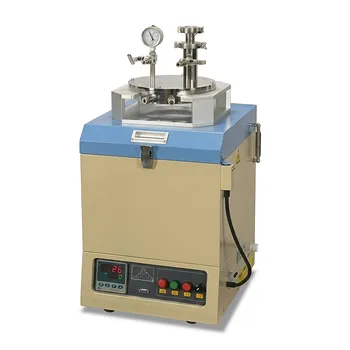
Vertical Vacuum Furnace 1100C High Temperature 8 Inch Quartz Chamber Water Cold Flange System
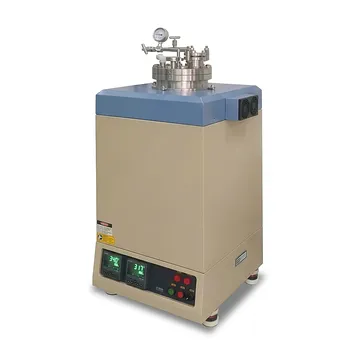
High Temperature 1000C Vacuum Furnace with 8 Inch ID Chamber for Material Sintering and Research Annealing
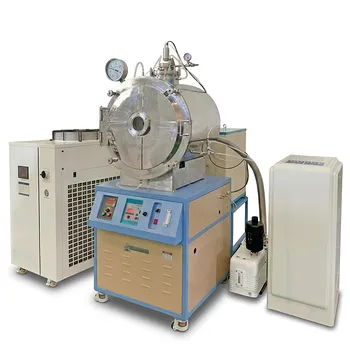
Ultra High Temperature Induction Heated Vacuum Furnace with Molten Salt Electrolysis Capability and 3000 Degree Precision Control
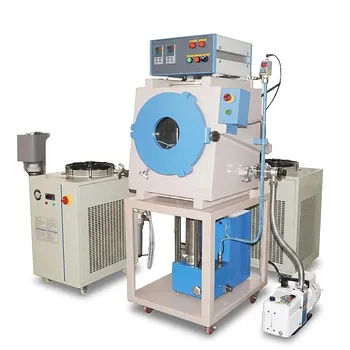
High Temperature Vacuum Lamination Hot Press Furnace Machine for Semiconductor Wafer Bonding and Advanced Composite Thermal Processing
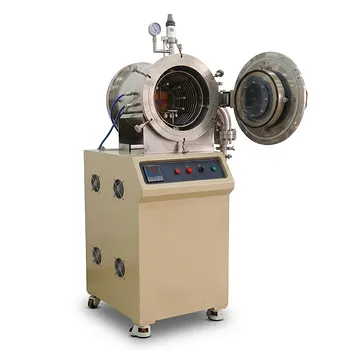
High Temperature Cold Wall High Vacuum Chamber Furnace 1400C for Advanced Material Processing
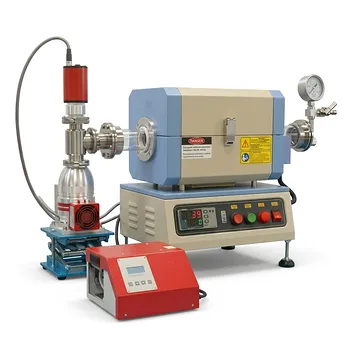
High Vacuum Compact Tube Furnace 1200C with Integrated Turbo Pump System and 8 Inch Heating Zone
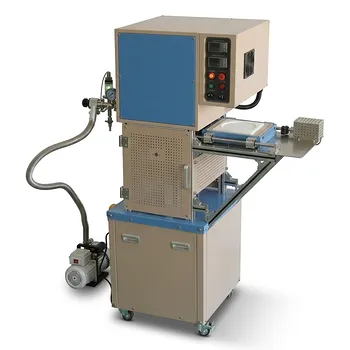
1200°C Bottom Loading Vacuum Furnace with Rapid Gas Cooling and 8.6 Inch Diameter Quartz Chamber
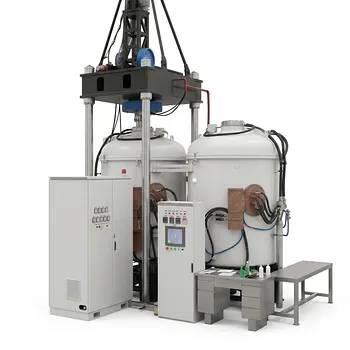
High Pressure 600T Vacuum Induction Hot Press Furnace for Advanced Material Heat Treatment and Sintering
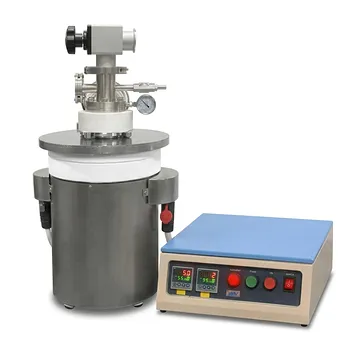
1100C High Temperature Vacuum Crucible Furnace with Quartz Chamber for Thermal Processing and Sintering
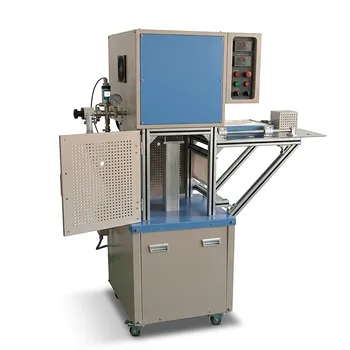
Bottom Loading Vacuum Furnace 1200C Rapid Cooling Atmosphere Control Quartz Chamber
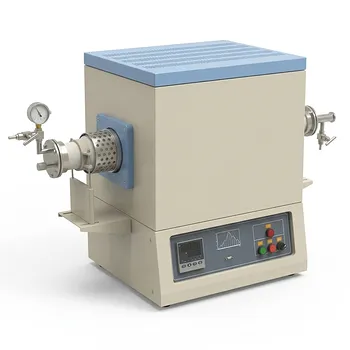
1750°C High Temperature Benchtop Vacuum Atmosphere Tube Furnace with Kanthal Super 1800 Heating Elements and 60mm Alumina Processing Tube
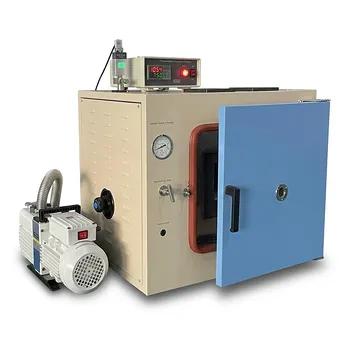
Compact High Vacuum Box Furnace 1050C Max 6.2L Ceramic Chamber Stainless Steel Shell Programmable Temperature Controller for Material Science Research
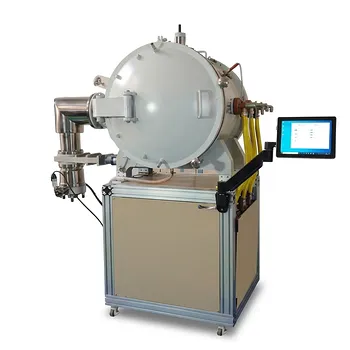
High Temperature Cold Wall Vacuum Furnace for Advanced Material Sintering and Annealing 1600C Heating Area 200x200x300mm

1800C High Temperature Compact Vacuum Tube Furnace with 60mm OD Alumina Tube and Kanthal MoSi2 Heating Elements
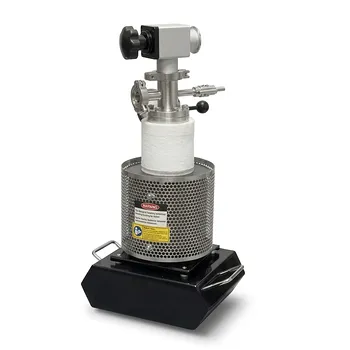
High Temperature 1100C Compact Top Loading Vertical Vacuum Tube Furnace for High Vacuum Noble Metal Melting and Material Research
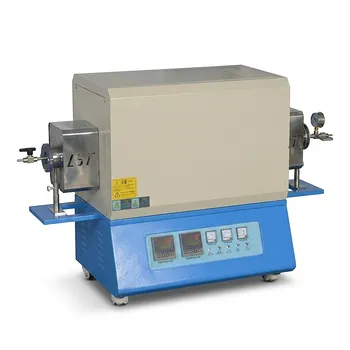
High Temperature Dual Zone Vacuum Tube Furnace for Material Research and CVD Processing
500C Vacuum Vertical Tube Furnace 84mm OD Sample Rotation Lifting System
High Vacuum Melting Casting Furnace with Mechanical Stirring and Secondary Charge for Metallic Alloy Research
Three Temperature Zone High Temperature Vacuum Tube Furnace for CVD and Material Sintering