How does the catalyst thin film on a substrate determine the quality of carbon nanotubes produced by the CVD method? Guide to High-Quality CNTs
Updated 6 months ago
The catalyst thin film acts as the primary architectural template for carbon nanotube (CNT) growth. In a Chemical Vapor Deposition (CVD) process, the specific properties of this film—such as its thickness, material composition, and particle distribution—directly dictate the diameter, density, and vertical alignment of the resulting nanotubes. Carbon atoms from a precursor gas dissolve into these catalyst particles and precipitate outward, meaning the physical dimensions of the catalyst essentially "mold" the final structure of the nanotubes.
The catalyst thin film determines CNT quality by providing the nucleation sites where carbon atoms dissolve and precipitate into tubular structures. The size of the resulting catalyst nanoparticles sets the tube diameter, while their surface density determines whether the tubes grow as isolated individuals or as vertically aligned "forests."
The Relationship Between Particle Size and Nanotube Diameter
The Template Effect
The diameter of a carbon nanotube is almost entirely dependent on the size of the catalyst nanoparticle it grows from. When a thin film is heated, it breaks into individual nano-islands; smaller islands yield narrow, single-walled nanotubes, while larger islands tend to produce multi-walled structures.
Carbon Dissolution and Saturation
During the CVD process, carbon atoms from decomposed precursor gases (like methane or acetylene) dissolve into the metallic catalyst, such as nickel or iron. Once the catalyst particle reaches a state of carbon saturation, the carbon begins to precipitate and grow upward as a hollow cylinder.
Structural Integrity
Precise control over the catalyst's dimensions ensures that the carbon atoms grow in an ordered manner. This stability prevents structural defects, resulting in nanotubes with higher crystallinity and better mechanical or electrical properties.
Controlling Density and Vertical Alignment
The Proximity Factor
The distribution density of the catalyst particles on the substrate determines the vertical alignment of the nanotubes. When particles are spaced closely together, the nanotubes support each other through van der Waals forces as they grow, forcing them to stand upright in a dense "forest."
Achieving Uniformity
Maintaining a consistent catalyst film across the substrate is critical for large-area uniformity. High-precision CVD systems use multi-zone temperature control to ensure that the catalyst reacts at a uniform rate, preventing "patchy" growth or inconsistent tube heights.
The Role of Substrate Adhesion
The interaction between the catalyst and the substrate (such as Si/SiO2 or carbon fiber) affects the growth rate and morphology. Stronger adhesion can prevent the catalyst from migrating or "clumping" during the high-temperature growth phase, which preserves the intended nanotube density.
The Role of Environmental Precision in Catalyst Activation
Pre-Growth Reduction
Before growth begins, the catalyst film often undergoes a reduction phase using hydrogen gas. This process converts metal oxides in the thin film into active metallic nanoparticles, which are necessary for the catalytic decomposition of the carbon source.
Atmospheric Influence
The ratio of gases, regulated by mass flow controllers (MFCs), determines how effectively the catalyst functions. For example, a specific mixture of argon and hydrogen can maintain the catalyst's activity by preventing "coking," a state where excess carbon soot smothers the catalyst and stops growth.
Thermal Stability
CVD systems must maintain stable temperatures (often around 700°C to 850°C) to ensure the catalyst particles do not merge together. If the temperature fluctuates, the particles may undergo "sintering," which increases their size and leads to inconsistent nanotube diameters.
Understanding the Trade-offs and Pitfalls
Catalyst Deactivation and Poisoning
Over time, catalyst particles can become "poisoned" by amorphous carbon buildup or impurities in the precursor gas. This leads to a premature end to growth, resulting in shorter nanotubes and lower overall yield.
The Challenge of Sintering
At high temperatures, small catalyst particles have a natural tendency to merge into larger ones to reduce surface energy. This "sintering" effect can ruin attempts to grow small-diameter nanotubes if the thermal field is not perfectly regulated.
Substrate-Catalyst Diffusion
In some cases, the catalyst metal can diffuse into the substrate itself, rendering it inactive for growth. This is why buffer layers are often used to separate the catalyst film from the base substrate, adding complexity to the fabrication process.
How to Optimize Catalyst Use for Your Goals
To achieve the best results in CNT production, the catalyst strategy must align with the intended application of the material.
- If your primary focus is precise diameter control: Use an extremely thin catalyst film (under 2nm) and maintain a lower growth temperature to prevent particle merging.
- If your primary focus is high-density vertical alignment: Ensure a high-density distribution of catalyst particles so that van der Waals forces can guide the nanotubes into a forest-like structure.
- If your primary focus is electrical conductivity: Focus on multi-zone thermal stability and high-purity precursors to create an interconnected three-dimensional conductive network with minimal defects.
By masterfully controlling the initial catalyst thin film and its environment, you dictate the fundamental quality and utility of the resulting carbon nanotubes.
Summary Table:
| Catalyst Property | Impact on CNT Quality | Optimization Strategy |
|---|---|---|
| Film Thickness | Determines Tube Diameter | Use < 2nm films for single-walled tubes |
| Particle Density | Controls Vertical Alignment | High density enables "forest" growth |
| Thermal Stability | Prevents Sintering & Defects | Maintain stable 700°C–850°C ranges |
| Gas Chemistry | Maintains Catalyst Activity | Use H2 reduction to prevent "coking" |
Elevate Your Material Research with THERMUNITS
Precision in Carbon Nanotube synthesis requires absolute control over thermal and atmospheric conditions. THERMUNITS is a leading manufacturer of high-temperature laboratory equipment for material science and industrial R&D.
We offer a comprehensive range of thermal processing solutions, including:
- CVD/PECVD Systems & Tube Furnaces
- Vacuum, Atmosphere, and Muffle Furnaces
- Rotary and Hot Press Furnaces
- Vacuum Induction Melting (VIM) and Electric Rotary Kilns
Our systems are engineered to provide the multi-zone temperature control and gas precision necessary to manage catalyst thin films and achieve superior CNT quality.
Ready to optimize your thermal processing? Contact our expert team today to find the perfect furnace for your laboratory.
References
- Aamar Shabir, Muhammad Sanaullah. Chirality Engineering of Carbon Nanotubes, Modeling and Photons Density Improvement for Solar cell Applications. DOI: 10.36348/sjet.2024.v09i02.005
Mentioned Products
- Radio Frequency Plasma Enhanced Chemical Vapor Deposition RF PECVD System for Laboratory and Industrial Thin Film Growth
- Versatile Chemical Vapor Deposition Tube Furnace System for Advanced Material Research and Industrial Coating Processes
- Cylindrical Resonator MPCVD Machine System for Microwave Plasma Chemical Vapor Deposition and Lab Diamond Growth
- Chemical Vapor Deposition CVD System Slide PECVD Tube Furnace with Liquid Gasifier PECVD Machine
- 915MHz MPCVD Diamond Machine Microwave Plasma Chemical Vapor Deposition System Reactor
People Also Ask
- What are the advantages of PECVD systems for nano flame retardant films? Protect Heat-Sensitive Polymers with Precision
- How does PECVD differ from conventional thermal CVD? Key Advantages of Low-Temperature Deposition for R&D
- What is the role of CVD/PECVD systems in the research of optoelectronic materials and functional coatings? Expert Guide
- What are the benefits of using PECVD for optical and photonic coatings? Achieve High-Precision Thin-Film Deposition
- How do RF frequency and power settings influence the characteristics of a PECVD process? Master Quality & Efficiency

Tech Team · ThermUnits
Last updated on Apr 14, 2026
Related Products
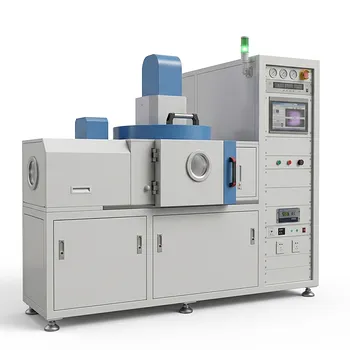
Radio Frequency Plasma Enhanced Chemical Vapor Deposition RF PECVD System for Laboratory and Industrial Thin Film Growth
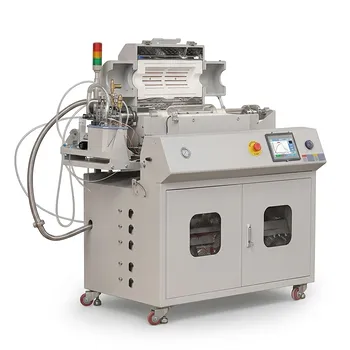
Versatile Chemical Vapor Deposition Tube Furnace System for Advanced Material Research and Industrial Coating Processes
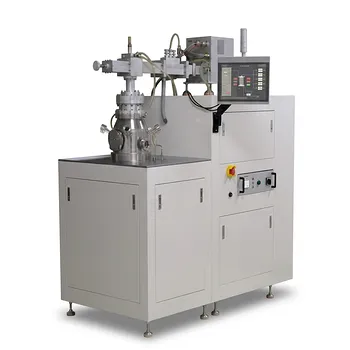
Cylindrical Resonator MPCVD Machine System for Microwave Plasma Chemical Vapor Deposition and Lab Diamond Growth
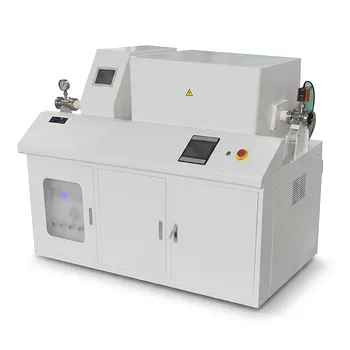
Chemical Vapor Deposition CVD System Slide PECVD Tube Furnace with Liquid Gasifier PECVD Machine
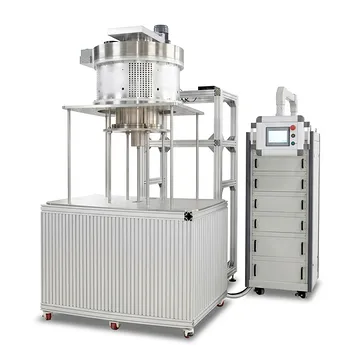
915MHz MPCVD Diamond Machine Microwave Plasma Chemical Vapor Deposition System Reactor
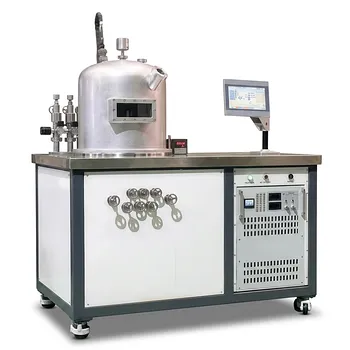
HFCVD Machine System for Nano Diamond Coating on Drawing Dies and Industrial Tools
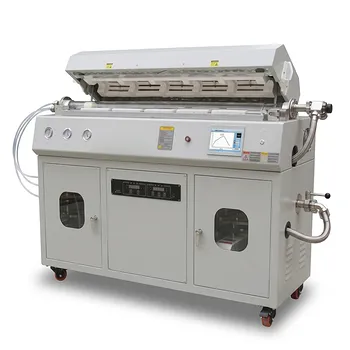
Multi Heating Zones CVD Tube Furnace System for Precision Chemical Vapor Deposition and Advanced Material Synthesis
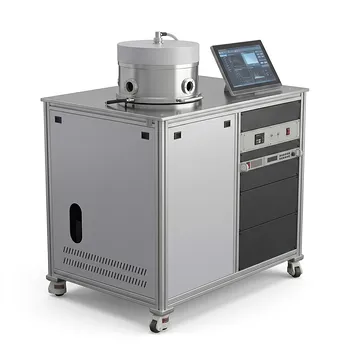
Inclined Rotary Plasma Enhanced Chemical Vapor Deposition PECVD System for Thin Film Deposition and Nanomaterial Synthesis
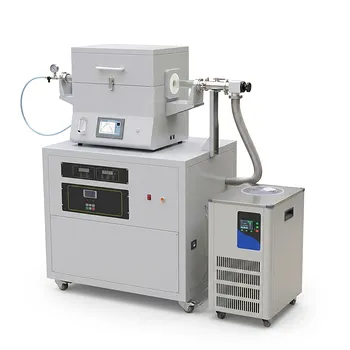
Split Chamber CVD Tube Furnace with Vacuum Station Chemical Vapor Deposition System Machine
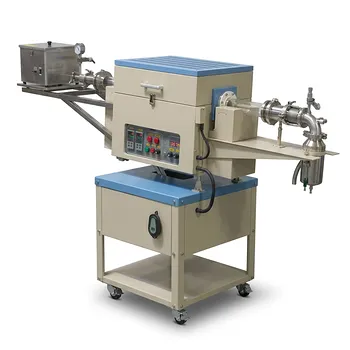
Two Zone Rotary CVD Furnace with Automatic Feeding and Receiving System for Powder Processing
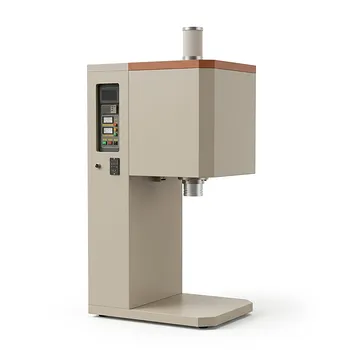
Vertical Openable Tube Furnace 0-1700c High Temperature Laboratory System for CVD and Vacuum Heat Treatment
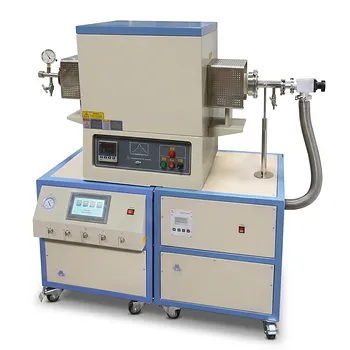
High Temperature 1700C Tube Furnace with High Vacuum Turbomolecular Pump System and Multi Channel Mass Flow Controller Gas Mixer
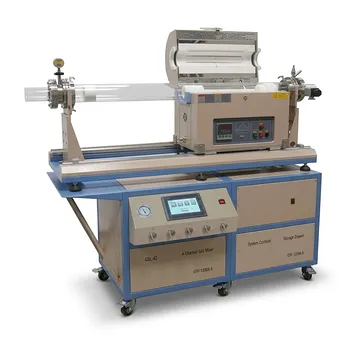
Dual Tube 100mm 80mm CVD Sliding Furnace with 4 Channel Gas Mixing and Vacuum System
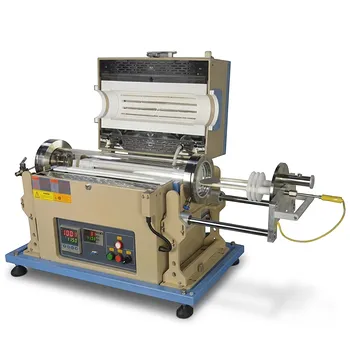
1200°C High Temperature 4 Inch Tube Furnace with Sliding Flange for CVD Systems
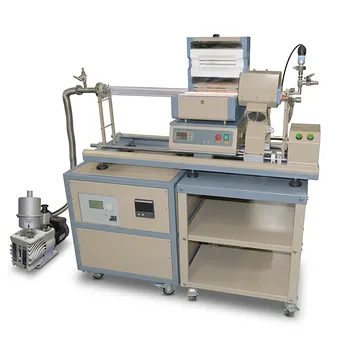
1200C Max Compact Auto-Sliding PECVD Furnace with 2 Inch Tube and Vacuum Pump
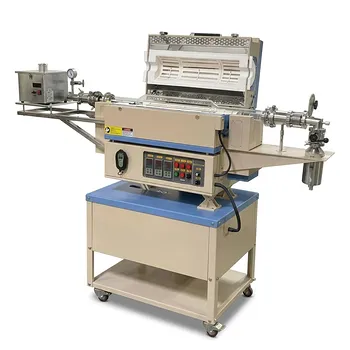
5 Inch Rotary Tube Furnace with Automatic Feeding and Receiving System 1200C Three Zone CVD Powder Processing
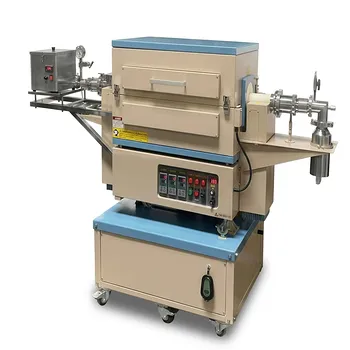
1500C 3-Zone Rotary Tube Furnace 60mm with Automatic Powder Feeding and Receiving System for Continuous Material Synthesis
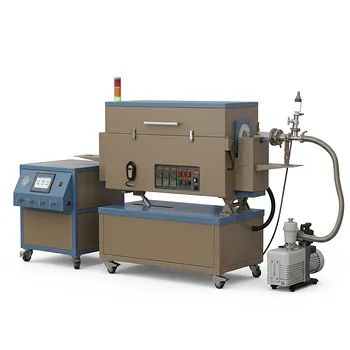
5 Inch Three Zone Rotary Tube Furnace with Integrated Gas Delivery System and 1200C Capability for Advanced Material CVD Processing
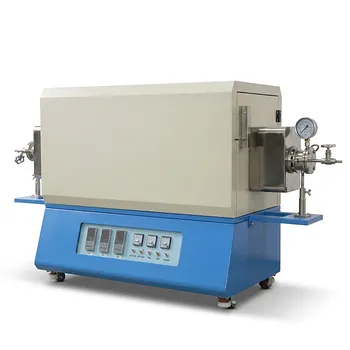
Three Temperature Zone High Temperature Vacuum Tube Furnace for CVD and Material Sintering