What role does a sacrificial graphite liner play in furnaces? Protect Components and Stabilize Slag Experiments
Updated 3 months ago
Protecting high-temperature furnace integrity requires precise atmospheric control. A sacrificial graphite liner functions primarily as an oxygen scavenger, reacting with residual oxygen to form carbon monoxide and maintaining a low oxygen partial pressure environment. This chemical shield prevents the oxidation of sensitive molybdenum components and ensures that multivalent elements within slag samples, such as iron and vanadium, remain in their required low-valence states for accurate data collection.
The sacrificial graphite liner is a critical consumable that transforms a standard high-temperature furnace into a stable, reducing environment. By prioritizing chemical reactivity with oxygen, it simultaneously preserves expensive hardware and the thermodynamic validity of the experiment.
Oxygen Scavenging and Atmospheric Control
The Chemical Mechanism of Protection
At high temperatures, even trace amounts of oxygen can compromise an experiment. The graphite liner proactively reacts with this residual oxygen to produce carbon monoxide (CO).
This reaction effectively "scrubs" the internal atmosphere. By keeping oxygen partial pressure extremely low, the liner creates a stable, reducing environment necessary for sensitive chemical processes.
Maintaining Reducing Environments
In processes like carbothermal reduction nitridation, a consistent atmosphere is non-negotiable. The graphite liner ensures the furnace maintains the specific reducing conditions required for these reactions to proceed efficiently.
Without this buffer, atmospheric fluctuations could stall reactions or lead to unintended secondary phases. The liner acts as a constant chemical governor within the furnace tube.
Protecting High-Value Furnace Components
Preventing Molybdenum Oxidation
Molybdenum crucibles and rotors are prized for their high-temperature strength but are notoriously susceptible to oxidative damage. Even minor oxygen exposure at elevated temperatures can lead to rapid degradation of these expensive consumables.
The graphite liner acts as a frontline defense, ensuring that oxygen reacts with the carbon in the liner rather than the molybdenum hardware. This significantly extends the operational lifespan of furnace internals.
Shielding Against Corrosive Vapors
During the synthesis of materials like Aluminum Nitride, reactions often generate aggressive alkali metal vapors. These vapors can cause severe corrosion to the primary furnace tube over time.
The graphite lining serves as a physical and chemical barrier against these vapors. It exhibits excellent chemical stability in these harsh conditions, protecting the structural integrity of the furnace itself.
Ensuring Data Integrity in Slag Studies
Stabilizing Multivalent Elements
Slag studies often focus on elements like iron (Fe) and vanadium (V), which can exist in multiple oxidation states. The presence of excess oxygen would force these elements into higher-valence states, fundamentally altering the slag's properties.
By maintaining a low oxygen partial pressure, the graphite liner preserves these elements in their intended low-valence states. This is essential for ensuring that the experimental results reflect the actual thermodynamic behavior of the slag.
Preventing Experimental Drift
Inconsistent atmospheric conditions lead to "drift" in experimental data, making results difficult to replicate. The sacrificial liner provides a repeatable chemical environment across different runs.
This stability allows researchers to isolate variables with confidence. When the atmosphere is guaranteed to be reducing, changes in the sample can be accurately attributed to the experimental parameters rather than atmospheric contamination.
Understanding the Trade-offs and Risks
Material Consumption and Replacement
As the name implies, a sacrificial liner is designed to be consumed. Over time, the graphite will thin as it reacts with oxygen or interacts with corrosive vapors, requiring periodic inspection and replacement.
Failure to replace a depleted liner can lead to sudden, catastrophic oxidation of molybdenum parts. Users must treat the liner as a critical consumable rather than a permanent fixture.
Potential for Carbon Contamination
While the liner protects against oxygen, it introduces a high volume of carbon into the furnace environment. In specific studies where carbon pickup in the sample must be avoided, the use of a graphite liner may be counterproductive.
Researchers must weigh the benefits of a reducing atmosphere against the risk of unintended carbide formation or carbon dissolution into the melt.
How to Apply This to Your Furnace Setup
Choosing the Right Protection Strategy
Strategic use of graphite liners depends on your specific material constraints and temperature requirements.
- If your primary focus is hardware longevity: Utilize a graphite liner whenever using molybdenum or tungsten components at temperatures exceeding 1000°C in non-oxidizing atmospheres.
- If your primary focus is redox-sensitive slag: Ensure the liner is fresh and properly positioned to maintain the low oxygen partial pressure required to stabilize low-valence metal ions.
- If your primary focus is preventing tube corrosion: Deploy the liner as a full-length sleeve to shield the ceramic furnace tube from alkali metal vapors or volatile reaction byproducts.
By effectively leveraging a sacrificial graphite liner, you transition from simply heating a sample to actively managing the chemical environment of your high-temperature research.
Summary Table:
| Function | Key Benefit | Target Application |
|---|---|---|
| Oxygen Scavenging | Prevents oxidation of Mo/W components | High-temp hardware protection |
| Atmospheric Control | Maintains stable reducing environments | Carbothermal reduction & nitridation |
| Corrosion Shielding | Protects furnace tube from alkali vapors | Aluminum Nitride & sample synthesis |
| Redox Stabilization | Maintains low-valence states (Fe, V) | Slag studies & thermodynamic research |
| Data Consistency | Prevents atmospheric experimental drift | Repeatable R&D data collection |
Optimize Your Thermal Research with THERMUNITS Experts
Protecting your investment and ensuring experimental precision requires more than just heat—it requires a controlled chemical environment. THERMUNITS is a leading manufacturer of high-performance laboratory equipment, providing advanced solutions for material science and industrial R&D.
Whether you need a Vacuum, Atmosphere, Tube, or Rotary furnace, or specialized systems like CVD/PECVD and Hot Press furnaces, we deliver the durability and atmospheric control your work demands. From protecting sensitive molybdenum components to stabilizing complex slag samples, our equipment is designed for ultimate reliability.
Ready to enhance your lab's capabilities? Contact us today to explore our full range of furnace solutions and high-temperature thermal elements!
References
- Elin Åström, J. Björkvall. Influence of Vanadium Oxide on the Viscosity Within the CaO–SiO2–“FeO”–MgO System. DOI: 10.1007/s11663-024-03322-9
Mentioned Products
- High Temperature Vacuum Graphitization Chamber Furnace 2800C Graphite Heating Elements Bottom Loading
- Ultra High Temperature 2300C Induction Heated Graphite Tube Furnace with Infrared Control
- 1500C Eight Zone Split Tube Furnace for Thermal Gradient Processing and Advanced Material Research
- Dual Tube 100mm 80mm CVD Sliding Furnace with 4 Channel Gas Mixing and Vacuum System
- 900 ºC Max Sliding RTP Tube Furnace with Rapid IR Heating and 4 Inch OD Quartz Tube
People Also Ask
- Why is a high-temperature graphitization furnace needed for ZrC/SiC/C ceramic aerogels? Master UHTC Synthesis at 1700°C
- What conditions does a graphitization furnace provide for pitch-based carbon? Achieve Superior Crystalline Quality
- How does a high-temp furnace enhance thermal conductivity of graphene & CNT films? Superior Material Graphitization
- Why is an ultra-high temperature graphitization furnace required for coal-based graphite? Unlock Crystalline Performance
- What core technical conditions must an ultra-high temperature graphitization furnace meet? Achieve 2800°C Peak Performance

Tech Team · ThermUnits
Last updated on Jun 03, 2026
Related Products
High Temperature Vacuum Graphitization Chamber Furnace 2800C Graphite Heating Elements Bottom Loading
Ultra High Temperature 2300C Induction Heated Graphite Tube Furnace with Infrared Control
1500C Eight Zone Split Tube Furnace for Thermal Gradient Processing and Advanced Material Research
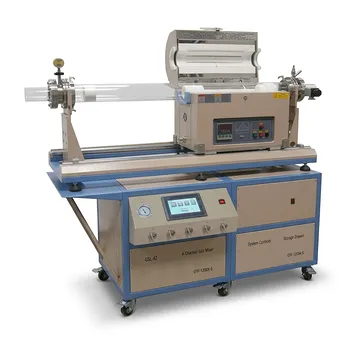
Dual Tube 100mm 80mm CVD Sliding Furnace with 4 Channel Gas Mixing and Vacuum System
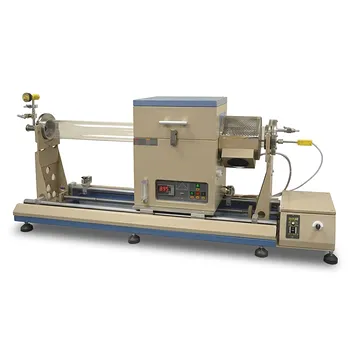
900 ºC Max Sliding RTP Tube Furnace with Rapid IR Heating and 4 Inch OD Quartz Tube
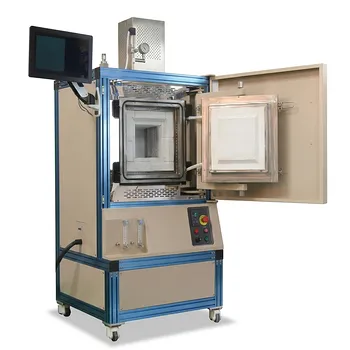
High Temperature Hydrogen Atmosphere Box Furnace 1650C Max Reducing Environment Material Synthesis System 8x8x8 Chamber
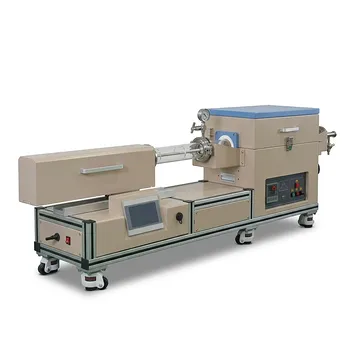
1200C Sliding Internal Crucible Tube Furnace for Controlled Atmosphere Thin Film Deposition and Material Sublimation Research
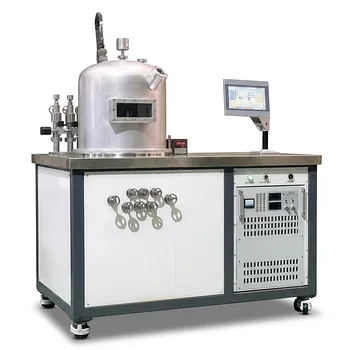
HFCVD Machine System for Nano Diamond Coating on Drawing Dies and Industrial Tools
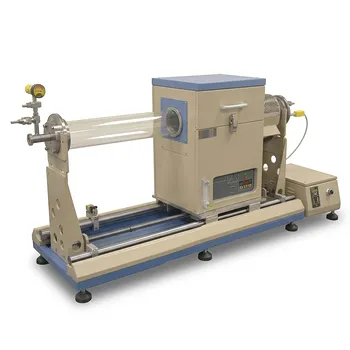
Rapid Thermal Processing Sliding Tube Furnace with 4 Inch OD Quartz Tube and 900C IR Heating
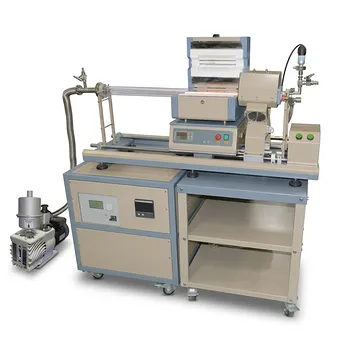
1200C Max Compact Auto-Sliding PECVD Furnace with 2 Inch Tube and Vacuum Pump
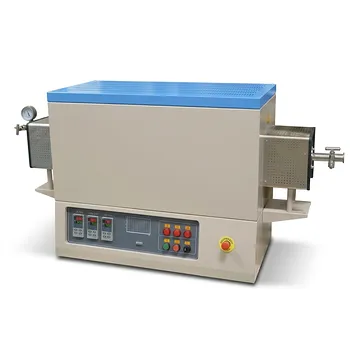
Three Zone Alumina Tube Furnace with Vacuum Flanges High Temperature 1700C Thermal Gradient CVD System
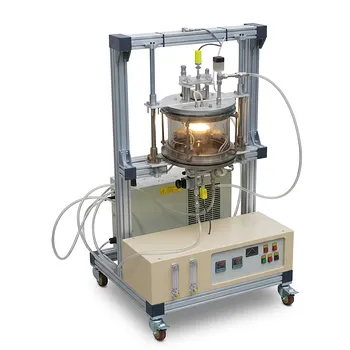
Two Zones CSS Furnace for Rapid Thermal Processing Thin Film Coating 3 Inch Diameter 650C
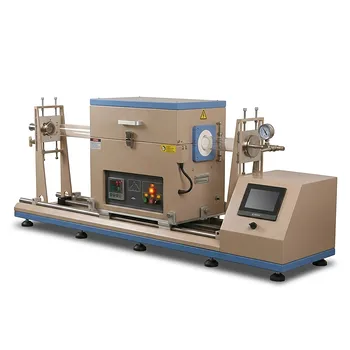
1200C Sliding Tube Furnace for Rapid Thermal Processing and CVD Graphene Growth with 100mm OD Capacity
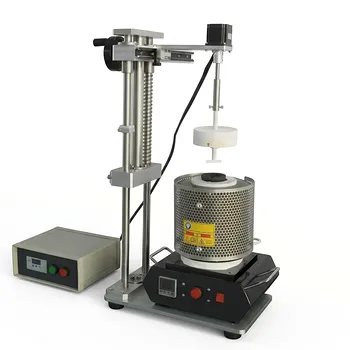
1100C Crucible Melting Furnace with Stirring Function for Glovebox and Air Sensitive Alloy Research
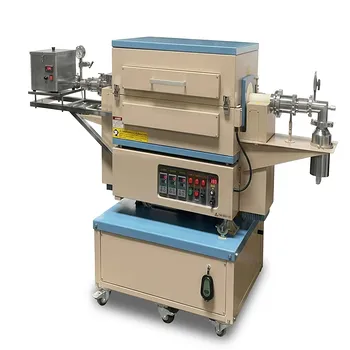
1500C 3-Zone Rotary Tube Furnace 60mm with Automatic Powder Feeding and Receiving System for Continuous Material Synthesis
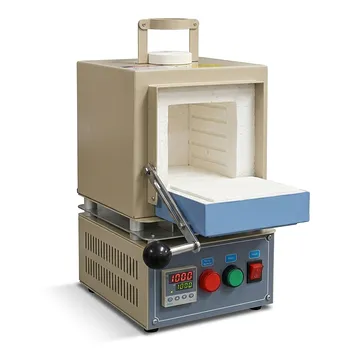
Compact 1000C Muffle Furnace with Programmable Controller and 2 Inch Top Port for Vacuum and Atmosphere Material Research
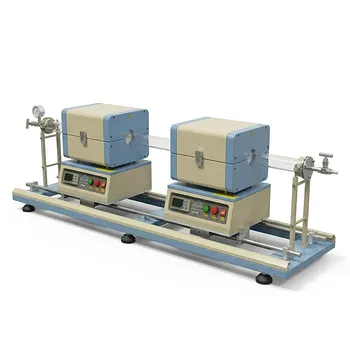
1200C Max Dual Sliding Tube Furnace with 50 mm Tube Flanges for CVD
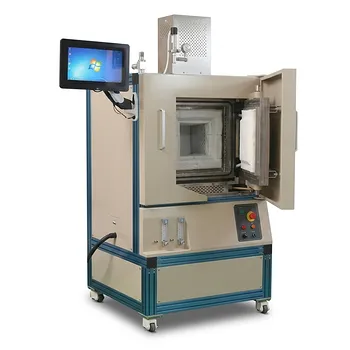
High Temperature Oxygen and Inert Atmosphere Controlled Furnace 8 Liter 1700C Sintering System for Advanced Materials RD
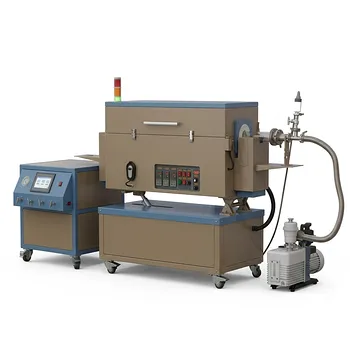
5 Inch Three Zone Rotary Tube Furnace with Integrated Gas Delivery System and 1200C Capability for Advanced Material CVD Processing