What are the typical operating steps in a standard PECVD deposition cycle? Master Thin Film Process Optimization
Updated 5 months ago
A standard PECVD (Plasma-Enhanced Chemical Vapor Deposition) cycle follows a sequential orchestration of vacuum management, thermal stabilization, and plasma-driven reaction logic. The process begins with substrate loading and chamber evacuation, follows with gas stabilization and RF-power-induced deposition, and concludes with a purge and cooling phase to ensure film integrity and system safety.
A standard PECVD cycle transforms precursor gases into solid films at relatively low temperatures by using RF power to create a reactive plasma environment. The process is defined by its ability to balance rapid growth rates (1–100 nm/min) with precise control over film chemistry and uniformity.
Phase I: Chamber Preparation and Thermal Stabilization
Initial Evacuation to Base Pressure
Once the substrate is securely loaded onto the chuck, the chamber is sealed and evacuated to its base pressure. This step is critical to remove atmospheric contaminants like water vapor and oxygen, which could compromise the purity and adhesion of the deposited film.
Reaching Target Process Temperature
The substrate is then heated to a specific, stable temperature required for the process. Because PECVD relies on plasma rather than high thermal energy, these temperatures are generally lower than those in standard CVD, often ranging from room temperature to 350°C.
Phase II: Gas Introduction and Pressure Equilibrium
Precision Gas Metering
Precursor and diluent gases are introduced into the chamber using Mass-Flow Controllers (MFCs). Using the correct ratio of reactive gases (like Silane) and diluents (like Nitrogen or Argon) is essential for controlling the stoichiometry and density of the resulting film.
Establishing Pressure Stability
The system must reach a steady-state operating pressure before the reaction begins. Stabilizing the pressure ensures that the mean free path of the molecules remains consistent, which directly influences the uniformity of the plasma that will be generated in the next step.
Phase III: Plasma Initiation and Film Deposition
RF Power Application and Plasma Ignition
Radio Frequency (RF) power is applied to the electrodes to ionize the gas mixture, creating a plasma state. This plasma breaks down the precursor molecules into highly reactive radicals and ions that migrate toward the substrate surface.
The Deposition Growth Phase
During this phase, the film grows at rates typically between 1 and 100 nm/min. The growth rate and film quality are determined by the balance of RF power, gas flow rates, and the substrate temperature, allowing for the synthesis of complex layers like silicon nitride or silicon dioxide.
Phase IV: Termination and System Recovery
Plasma Extinction and Residual Purging
Once the target thickness is reached, the RF power is cut to extinguish the plasma. The chamber is immediately purged with inert gas to flush out any unreacted precursors or hazardous byproducts that remain in the gas phase.
Controlled Cooling and Unloading
The substrate undergoes a cooling phase before being removed from the vacuum environment. This step is vital to prevent thermal shock or oxidation, which can occur if a hot, newly formed film is suddenly exposed to atmosphere.
Understanding the Trade-offs in PECVD
Growth Rate vs. Film Quality
High deposition rates (near 100 nm/min) are productive but can lead to porous films or increased hydrogen incorporation. Slower growth rates generally yield denser, more stable films but increase the thermal budget and reduce throughput.
Plasma Damage Concerns
While plasma allows for lower processing temperatures, the ion bombardment inherent in the process can cause physical damage to sensitive underlying circuits. Engineers must carefully tune the RF power to maximize reactivity while minimizing potential lattice defects in the substrate.
How to Apply PECVD Logic to Your Project
When designing a deposition process, your requirements for the final film will dictate how you tune the operating cycle.
- If your primary focus is through-put and speed: Optimize for higher RF power and precursor flow to reach the upper 100 nm/min limit, provided the resulting film density meets your minimum requirements.
- If your primary focus is sensitive substrate protection: Prioritize the lowest possible process temperature and utilize pulsed RF power to minimize the thermal and physical stress on the device.
- If your primary focus is film purity and stoichiometry: Focus on the "Phase II" stabilization period, ensuring the MFCs and pressure controllers are perfectly calibrated before igniting the plasma.
Mastering the PECVD cycle provides the flexibility to deposit high-performance materials while maintaining the integrity of complex, temperature-sensitive microstructures.
Summary Table:
| Phase | Key Action | Purpose & Parameters |
|---|---|---|
| Phase I: Preparation | Evacuation & Stabilization | Reach base pressure and heat substrate (RT to 350°C). |
| Phase II: Stabilization | Gas Flow & Pressure | Meter gases via MFCs to establish steady-state pressure. |
| Phase III: Deposition | Plasma Ignition | Apply RF power to initiate growth (1–100 nm/min). |
| Phase IV: Recovery | Purging & Cooling | Flush precursors with inert gas and prevent thermal shock. |
Elevate Your Thin Film Research with THERMUNITS
Are you looking to optimize your deposition cycles or upgrade your laboratory capabilities? THERMUNITS is a leading manufacturer of high-temperature laboratory equipment dedicated to material science and industrial R&D.
We offer a comprehensive range of advanced thermal processing solutions, including:
- CVD/PECVD Systems for precise film growth.
- Muffle, Vacuum, Atmosphere, Tube, and Rotary Furnaces.
- Hot Press Furnaces and Vacuum Induction Melting (VIM) Furnaces.
- Electric Rotary Kilns, Dental Furnaces, and Thermal Elements.
Our equipment is designed to deliver the precision and reliability required for complex heat treatments. Contact us today to discuss your specific project requirements and let our experts help you find the perfect system for your lab.
Mentioned Products
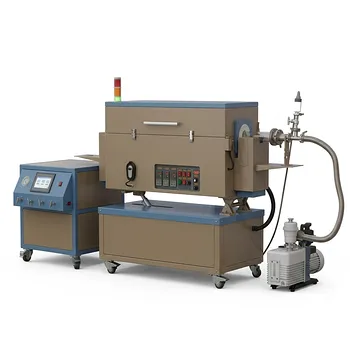
- Inclined Rotary Plasma Enhanced Chemical Vapor Deposition PECVD System for Thin Film Deposition and Nanomaterial Synthesis
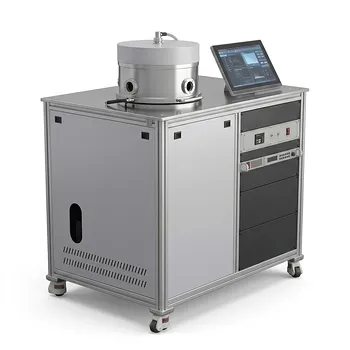
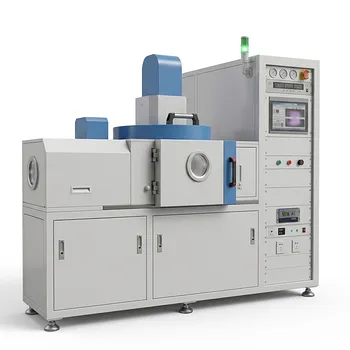
- Radio Frequency Plasma Enhanced Chemical Vapor Deposition RF PECVD System for Laboratory and Industrial Thin Film Growth
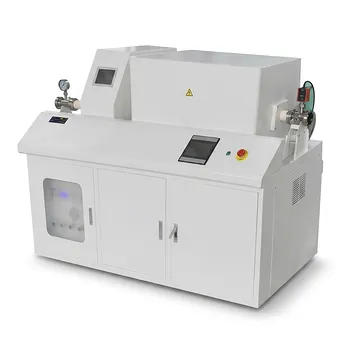
- Chemical Vapor Deposition CVD System Slide PECVD Tube Furnace with Liquid Gasifier PECVD Machine
- 1200C Max Compact Auto-Sliding PECVD Furnace with 2 Inch Tube and Vacuum Pump
- 1200C Dual Sliding Tube Furnace with Dual Tubes and Flanges for PECVD Processes
People Also Ask
- What types of materials can be deposited using PECVD systems? Explore Versatile Thin-Film Coating Solutions
- How does the non-equilibrium nature of plasma facilitate low-temperature deposition in PECVD systems? Pro Tips for R&D
- How is Plasma-Enhanced Chemical Vapor Deposition (PECVD) utilized in the production of photovoltaic solar cells? Study
- How do RF frequency and power settings influence the characteristics of a PECVD process? Master Quality & Efficiency
- What are the advantages of PECVD systems for nano flame retardant films? Protect Heat-Sensitive Polymers with Precision

Tech Team · ThermUnits
Last updated on Apr 14, 2026
Related Products
Inclined Rotary Plasma Enhanced Chemical Vapor Deposition PECVD System for Thin Film Deposition and Nanomaterial Synthesis
Radio Frequency Plasma Enhanced Chemical Vapor Deposition RF PECVD System for Laboratory and Industrial Thin Film Growth
Chemical Vapor Deposition CVD System Slide PECVD Tube Furnace with Liquid Gasifier PECVD Machine
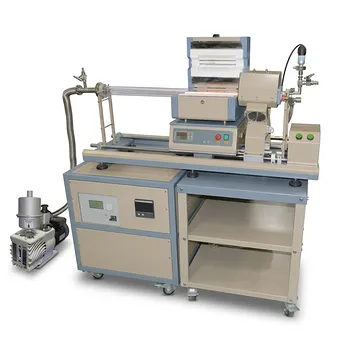
1200C Max Compact Auto-Sliding PECVD Furnace with 2 Inch Tube and Vacuum Pump
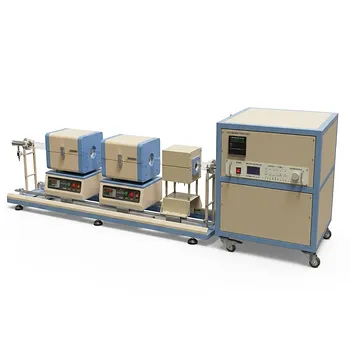
1200C Dual Sliding Tube Furnace with Dual Tubes and Flanges for PECVD Processes
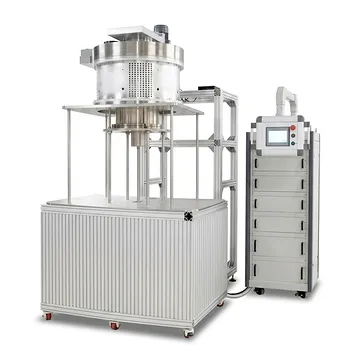
915MHz MPCVD Diamond Machine Microwave Plasma Chemical Vapor Deposition System Reactor
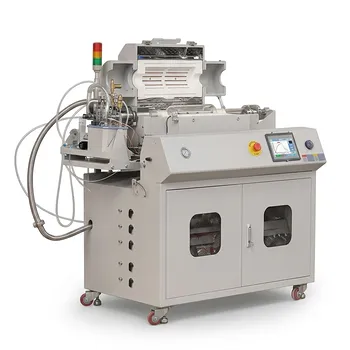
Versatile Chemical Vapor Deposition Tube Furnace System for Advanced Material Research and Industrial Coating Processes
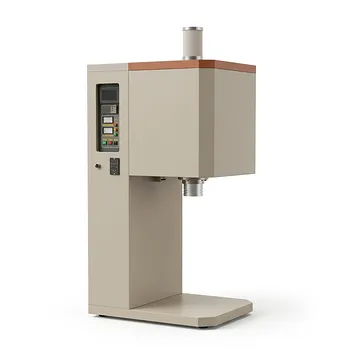
Vertical Openable Tube Furnace 0-1700c High Temperature Laboratory System for CVD and Vacuum Heat Treatment
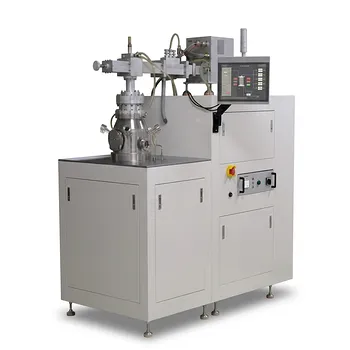
Cylindrical Resonator MPCVD Machine System for Microwave Plasma Chemical Vapor Deposition and Lab Diamond Growth
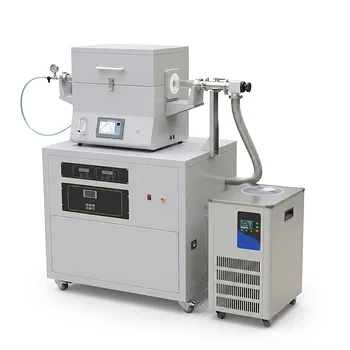
Split Chamber CVD Tube Furnace with Vacuum Station Chemical Vapor Deposition System Machine
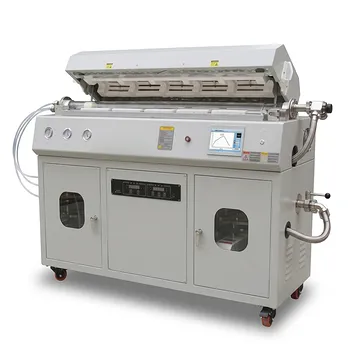
Multi Heating Zones CVD Tube Furnace System for Precision Chemical Vapor Deposition and Advanced Material Synthesis
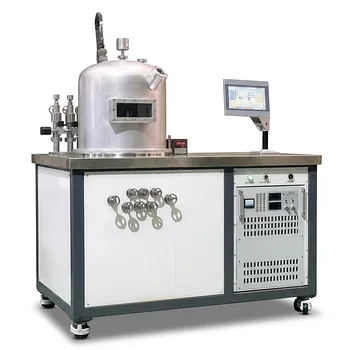
HFCVD Machine System for Nano Diamond Coating on Drawing Dies and Industrial Tools
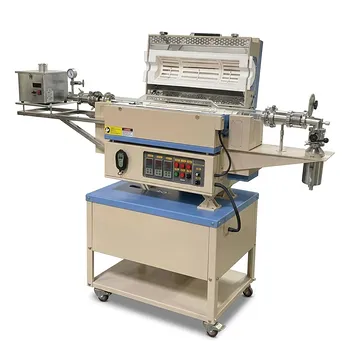
5 Inch Rotary Tube Furnace with Automatic Feeding and Receiving System 1200C Three Zone CVD Powder Processing

High Temperature 1700C Tube Furnace with High Vacuum Turbomolecular Pump System and Multi Channel Mass Flow Controller Gas Mixer
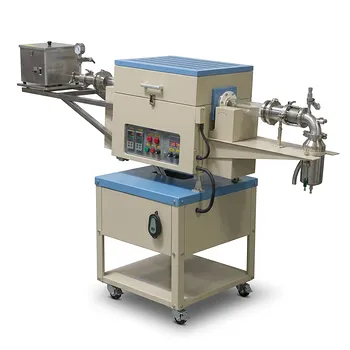
Two Zone Rotary CVD Furnace with Automatic Feeding and Receiving System for Powder Processing
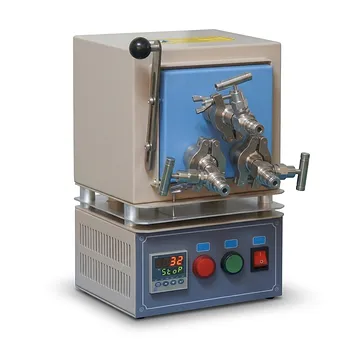
Triple Tube Compact Hybrid Muffle Furnace 1000C High Vacuum Thermal Processing System
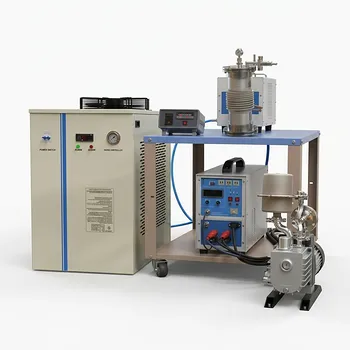
Induction Heating System with Temperature Control for High Temperature Vacuum Sintering and Melting
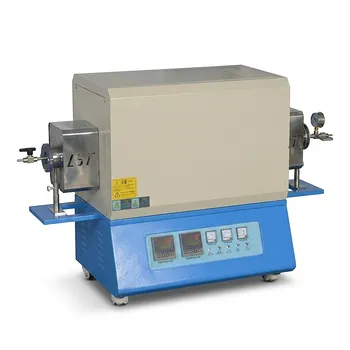
High Temperature Dual Zone Vacuum Tube Furnace for Material Research and CVD Processing
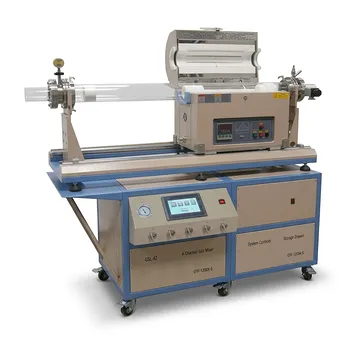
Dual Tube 100mm 80mm CVD Sliding Furnace with 4 Channel Gas Mixing and Vacuum System